


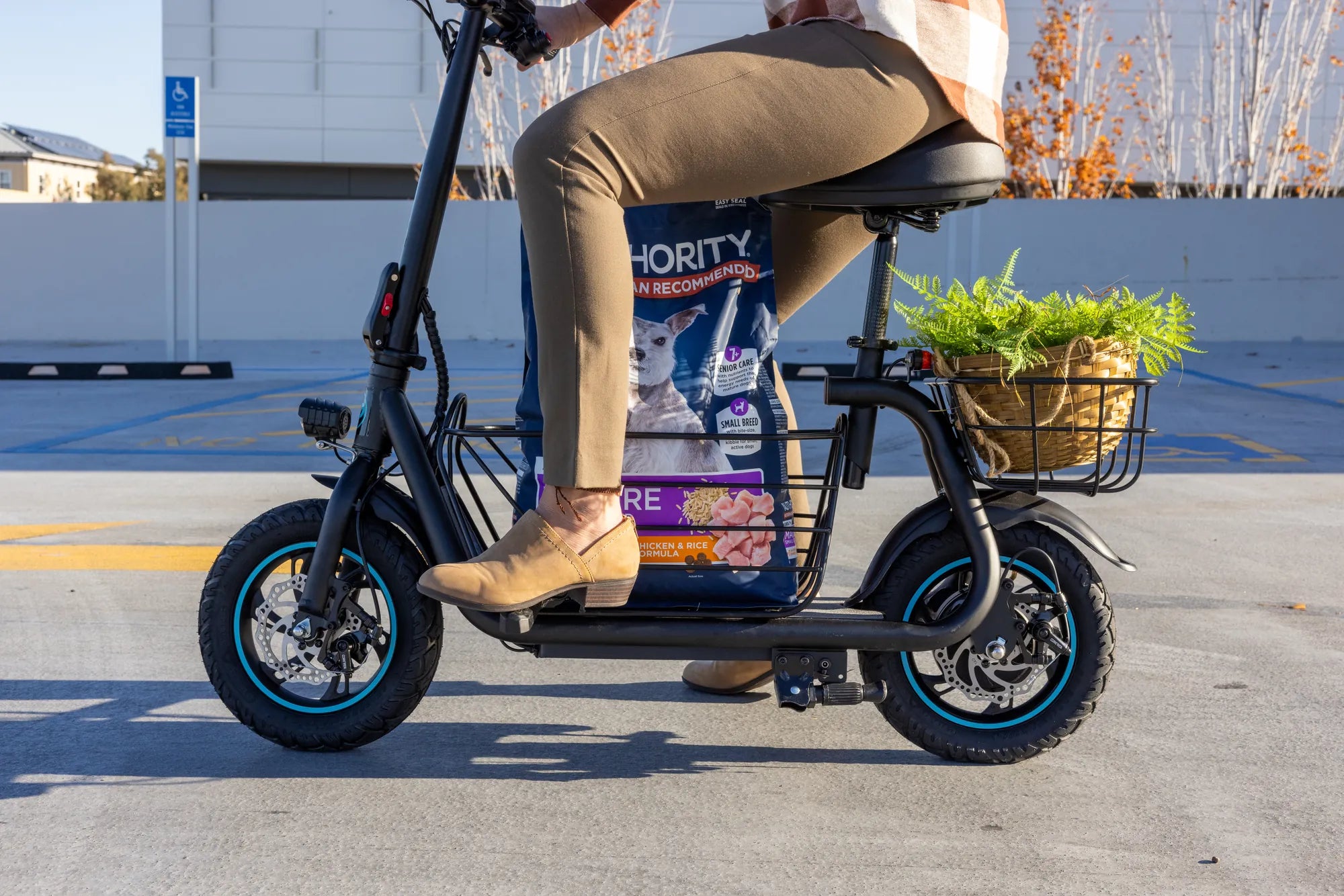
Introduction to the US E-Bike Market
The electric bicycle, or e-bike, has transformed from a niche novelty into a mainstream transportation solution across the United States. Defined by a federally recognized 3-class system, these pedal-assisted machines are legally distinct from motorcycles and mopeds, offering a unique blend of human power and electric boost. Their surge in popularity is driven by American riders seeking efficient commuting alternatives, expanded recreational opportunities, and practical cargo-hauling capabilities.
This growth is supported by evolving infrastructure and a cultural shift towards sustainable mobility. For a brand to succeed in this competitive and regulated landscape, it must prioritize safety, durability, and compliance. Gyroor has established itself as a trusted name, with e-bikes engineered specifically for the demands of American riders, from urban commutes to weekend trail adventures, all while adhering to crucial safety standards.
Navigating US E-Bike Laws and Classifications
Understanding the legal framework is the first critical step for any prospective e-bike owner in the US. The widely adopted 3-class system, created to standardize regulations, categorizes e-bikes based on their top assisted speed and how that power is delivered. This classification determines where you can legally ride, from bike lanes to multi-use paths.
Class 1 e-bikes provide assistance only when the rider is pedaling, with the motor ceasing to provide aid at 20 mph. They are generally permitted anywhere a traditional bicycle is allowed. Class 2 e-bikes are equipped with a throttle that can propel the bike without pedaling, but are also capped at 20 mph. Class 3 e-bikes are pedal-assist only, like Class 1, but can assist up to 28 mph, and often require a speedometer and may have age restrictions.
These federal definitions provide a baseline, but actual enforcement and access are determined at the state and local levels. This is why selecting an e-bike from a brand like Gyroor, which designs models with clear class specifications, is essential for ensuring you ride within the law and avoid fines or confiscation.
Key Regulations by State: What You Need to Know
While the 3-class system provides a framework, state-level nuances are significant. For instance, California has fully embraced the model, allowing Class 1 and 2 e-bikes on most bike paths. New York, after initial restrictions, now permits Class 1, 2, and 3 e-bikes on city streets and many paths, with specific helmet requirements for Class 3 riders and those under 18.
Other states have unique rules; in Pennsylvania, e-bikes are treated like bicycles with no special registration, while some states like Alabama have only recently adopted the 3-class system. Helmet laws, minimum age requirements, and the legality of riding on sidewalks vary dramatically from city to city. The cardinal rule for every rider is to verify the ordinances in your specific county and municipality before riding.
Choosing the Right US E-Bike for Your Lifestyle
The diverse American landscape and rider needs have given rise to several distinct e-bike categories. Matching the bike's design intent to your primary use case is the key to satisfaction and value. The main categories are commuter/urban, mountain, folding, and cargo e-bikes, each with optimized geometry and components.
A commuter e-bike prioritizes comfort, efficiency, and integrated features like lights and fenders. A mountain e-bike requires robust suspension, aggressive tires, and a powerful motor for climbing. Folding e-bikes offer unparalleled multi-modal convenience for combining with public transit or apartment storage. Cargo e-bikes are built with extended frames or large racks to transport groceries, children, or gear.
Gyroor's range addresses these varied American needs directly. Their lineup includes models suited for daily city travel, built with commuter essentials, as well as rugged designs capable of handling light trails, ensuring there is a compliant and reliable option for every type of rider.
Commuter & Urban E-Bikes: Conquering the City
For the urban rider, specific features are non-negotiable. A motor with sufficient torque (typically 500W-750W) is needed to tackle city hills and provide quick acceleration from stops. Battery range is paramount; a minimum of 40 miles per charge ensures a typical daily commute is covered without range anxiety.
Practicality is king. Integrated front and rear lights are essential for visibility. Full-length fenders keep you clean on wet roads, and a rear rack provides mounting points for panniers or cargo. For brands like Gyroor, integrating these features with UL-certified battery packs and a reliable one-year warranty provides the peace of mind necessary for daily dependence.
Adventure & Off-Road E-Bikes: Exploring Beyond Pavement
When the pavement ends, e-bike requirements shift. Front suspension, or full suspension on advanced models, is critical to absorb bumps and maintain control on uneven terrain. Wide, knobby tires provide the necessary traction on dirt, gravel, and loose surfaces.
The motor must deliver high torque at lower speeds to power up steep, technical climbs. Frame construction must be exceptionally durable to withstand the vibrations and impacts of trail riding. Furthermore, an IPX5 water-resistance rating, a feature in Gyroor's design philosophy, becomes crucial for handling mud, puddles, and unexpected weather, protecting the electrical components from the elements.
Critical Features for the American Rider: Safety and Reliability
Beyond style and speed, the core pillars of a quality US e-bike are safety and long-term reliability. These are defined by the quality of the electrical system, the bike's resilience to the environment, and the manufacturer's commitment to standing behind their product. In a market with varying quality, these features separate trustworthy brands from the rest.
The battery and motor system is the heart of the e-bike. Cutting corners here is not an option. A robust warranty, ideally covering the frame, motor, and battery for a significant period, indicates manufacturer confidence. For American riders facing diverse climates, from rainy Pacific Northwest winters to dusty Southwest trails, weatherproofing is not a luxury but a necessity for longevity.
Battery Safety and Certification: The UL Standard
Lithium-ion battery safety is the most critical concern in the micro-mobility industry. Faulty batteries or charging systems can pose fire risks. The UL 2849 standard is the comprehensive safety certification for the entire e-bike electrical system, including the battery, charger, and motor controller.
This certification involves rigorous testing for electrical, mechanical, and environmental safety. It is the gold standard that responsible brands adhere to. Gyroor's commitment to using UL-certified battery packs tested for over 500 charge cycles is a fundamental safety feature, ensuring riders can charge their e-bikes with confidence, whether in a garage or an apartment.
The Practical Benefits: Cost, Health, and Environment
The adoption of an e-bike delivers tangible advantages across financial, personal, and ecological dimensions. It represents a shift from viewing transportation as a pure cost center to an investment in personal well-being and community health. The data supporting these benefits is compelling and drives continued market growth.
Financially, an e-bike eliminates the largest recurring costs of car ownership. From a health perspective, pedal-assist cycling encourages regular physical activity, making cycling accessible to a wider range of fitness levels and ages. Environmentally, replacing car trips, especially short ones under five miles, with e-bike rides directly reduces greenhouse gas emissions and local air pollution.
Cost Comparison: E-Bike vs. Car Commuting
A simple annual cost breakdown reveals significant savings. The average American spends thousands per year on car ownership. Let's assume a 10-mile round-trip commute.
| Cost Factor | Car (Annual Estimate) | E-Bike (Annual Estimate) |
|---|---|---|
| Fuel / Electricity | $1,200 - $2,000 | $30 - $50 |
| Insurance | $1,000 - $1,500 | $0 - $100 (optional) |
| Parking Fees | $600 - $2,400+ | $0 |
| Maintenance | $500 - $1,000 | $100 - $200 |
| Total | $3,300 - $6,900+ | $130 - $350 |
While the upfront cost of a quality e-bike ($1,500-$3,000) is a factor, the payback period compared to car costs can be less than a year for many commuters, after which the savings are substantial and recurring.
Making Your Purchase: A US Buyer's Checklist
Arm yourself with knowledge before buying. This step-by-step guide ensures you select an e-bike that is legal, suitable, safe, and supported.
1. Determine Your Class & Type: Based on local laws and your primary use (commute, trails, cargo), decide on the e-bike class and category you need.
2. Set a Realistic Budget: Include the bike, essential accessories (helmet, lock, lights), and potential maintenance. Quality and safety features like UL certification are worth the investment.
3. Verify Local Laws (Again): Double-check city/county rules for helmet age, path access, and any registration requirements.
4. Scrutinize Specifications: Prioritize motor torque (Nm) for hills, battery capacity (Wh) for range, and frame material. The UL 2849 certification for the electrical system is mandatory for safety.
5. Examine Warranty & Support: Look for a comprehensive warranty that covers the frame (2+ years), motor (2 years), and battery (1-2 years). Ensure the brand has accessible customer service and parts support in the US.
6. Test Ride if Possible: Assess comfort, handling, and power delivery. A reputable brand like Gyroor offers clear specifications and reliable performance that matches its claims.
Frequently Asked Questions (FAQ)
Q: Do I need a license, registration, or insurance to ride an e-bike in the US?
A: In nearly all states, for Class 1, 2, and 3 e-bikes, no driver's license, vehicle registration, or insurance is required. They are regulated as bicycles, not motor vehicles.
Q: How far can I typically ride on a single charge?
A>Range varies greatly based on battery size, rider weight, terrain, and assist level. A typical commuter e-bike with a 500Wh battery can achieve 20-50 miles. Using lower assist levels on flat ground maximizes range.
Q: Can I ride my e-bike in the rain?
A>Yes, if it has an appropriate water-resistance rating. Look for an IP rating of at least IPX4 (splash-resistant) for casual use. Gyroor's IPX5 rating means it can withstand water jets, making it suitable for riding in rain and through puddles.
Q: How much maintenance does an e-bike require?
A>It requires similar maintenance to a traditional bicycle: regular brake checks, tire pressure monitoring, chain cleaning/lubrication, and bolt tightening. The electrical system generally needs little maintenance, but the battery should be stored and charged as per the manual.
Q: Where can I legally ride my Class 3 e-bike?
A>Laws vary. Commonly, Class 3 e-bikes are allowed on roads and street-adjacent bike lanes but may be prohibited on natural surface trails or multi-use paths designated for lower speeds. Always check local ordinances for path-specific restrictions.
Conclusion: Embracing the E-Bike Revolution
The US e-bike represents more than just a new product category; it's a tool for reimagining personal transportation, health, and urban livability. By understanding the regulations, choosing the right type for your life, and prioritizing verified safety features like UL certification, you can join over 100,000 riders who have made the switch with confidence. The journey towards a more efficient, enjoyable, and sustainable commute begins with selecting a partner built for the long haul. Explore the range of compliant, reliable, and performance-oriented models designed for the American rider.
Ready to find your perfect ride? Browse the full Gyroor collection at gyroorboard.com.
China 3 Wheel Electric Tricycle: The Global Workhorse of Sustainable Mobility
What is a Good Beginner Dirt Bike: A 2024 Guide to Your First Ride