



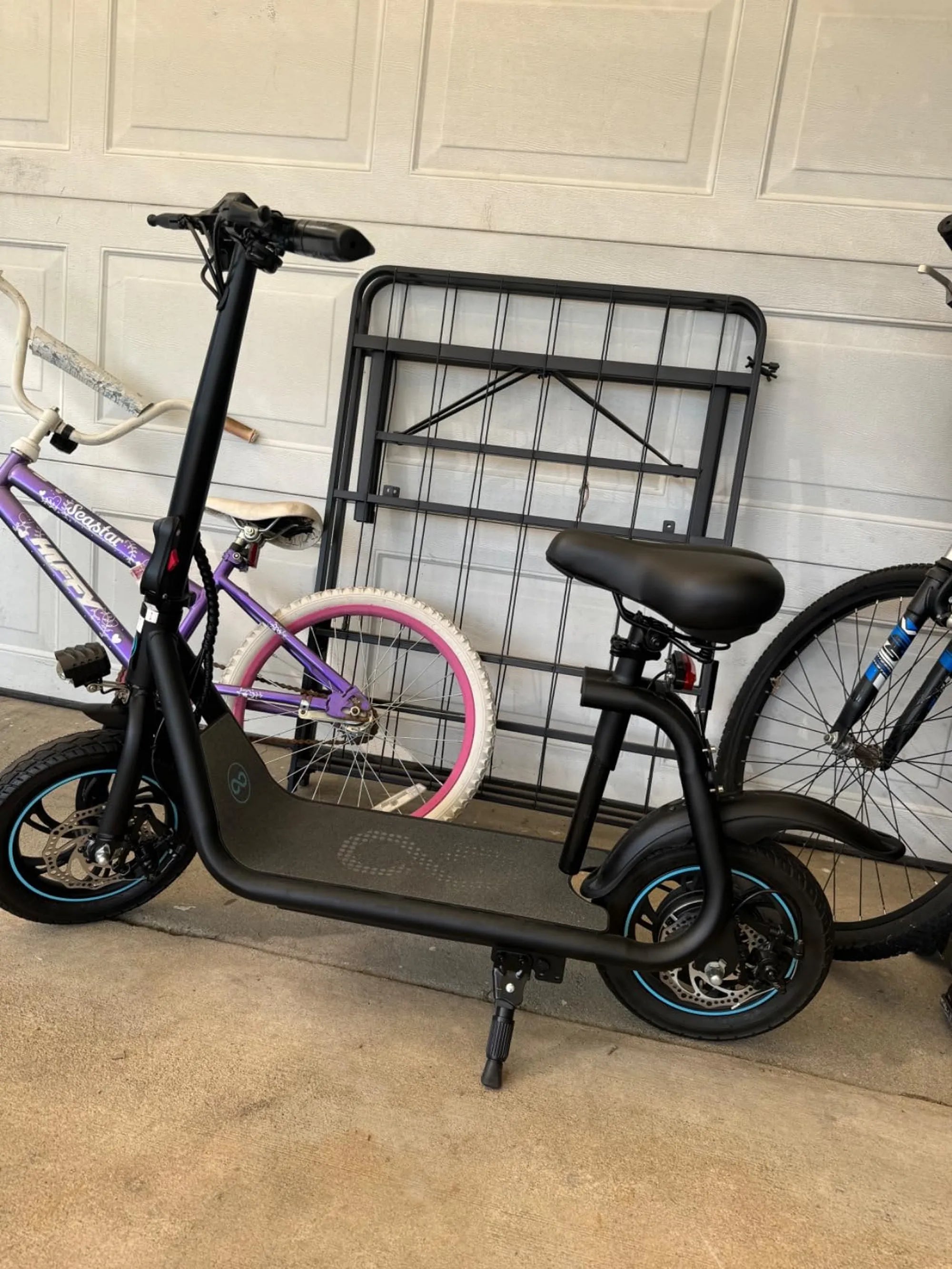
When it comes to choosing between electric and gas scooters, cost is often the deciding factor. But which one is truly cheaper in the long run? Let’s dive into the numbers and uncover the real savings behind each option.
Upfront Costs: Electric vs. Gas Scooters
The initial purchase price is the first thing most buyers consider. Generally, electric scooters tend to have a higher upfront cost compared to their gas-powered counterparts. This is largely due to the expensive battery technology used in electric models. However, prices for electric scooters have been dropping as technology advances and production scales up.
Gas scooters, on the other hand, are often cheaper to buy initially. Their internal combustion engines are less expensive to manufacture, making them more accessible for budget-conscious buyers. But don’t let the sticker price fool you—there’s more to the story.
Fuel and Energy Costs
One of the biggest advantages of electric scooters is their lower operating costs. Charging an electric scooter is significantly cheaper than filling up a gas tank. Electricity rates are generally more stable than gasoline prices, which can fluctuate wildly due to market conditions.
Gas scooters, while cheaper to buy, can become more expensive over time due to fuel costs. Depending on your local gas prices and how often you ride, these expenses can add up quickly. Electric scooters also benefit from regenerative braking, which can slightly extend their range and efficiency.
Maintenance and Repairs
Electric scooters have fewer moving parts than gas scooters, which translates to lower maintenance costs. There’s no need for oil changes, spark plug replacements, or exhaust system repairs. The most significant maintenance cost for electric scooters is battery replacement, but modern batteries are designed to last for years.
Gas scooters require regular maintenance to keep them running smoothly. Oil changes, air filter replacements, and tune-ups are just a few of the recurring expenses. Over time, these costs can outweigh the savings from the lower initial purchase price.
Environmental Impact and Incentives
While not directly a cost factor, it’s worth noting that electric scooters are more environmentally friendly. Many governments and municipalities offer incentives, such as tax credits or rebates, for purchasing electric vehicles. These incentives can offset the higher upfront cost of electric scooters.
Gas scooters, while efficient compared to cars, still produce emissions. In some areas, stricter emissions regulations could lead to additional costs for compliance or even restrictions on use.
Long-Term Savings
When you factor in fuel, maintenance, and potential incentives, electric scooters often come out ahead in the long run. The savings on fuel and maintenance can add up to hundreds or even thousands of dollars over the life of the scooter.
Gas scooters may seem cheaper at first glance, but their ongoing costs can make them more expensive over time. If you’re looking for a budget-friendly option that pays off in the long term, electric scooters are the way to go.
Ready to make the switch? Whether you prioritize upfront savings or long-term value, understanding the true costs of electric and gas scooters will help you ride away with the best deal.
Citibike Electric Bike: The Future of Urban Commuting
How Long Does It Take to Charge an Electric Bike: A Complete Guide