



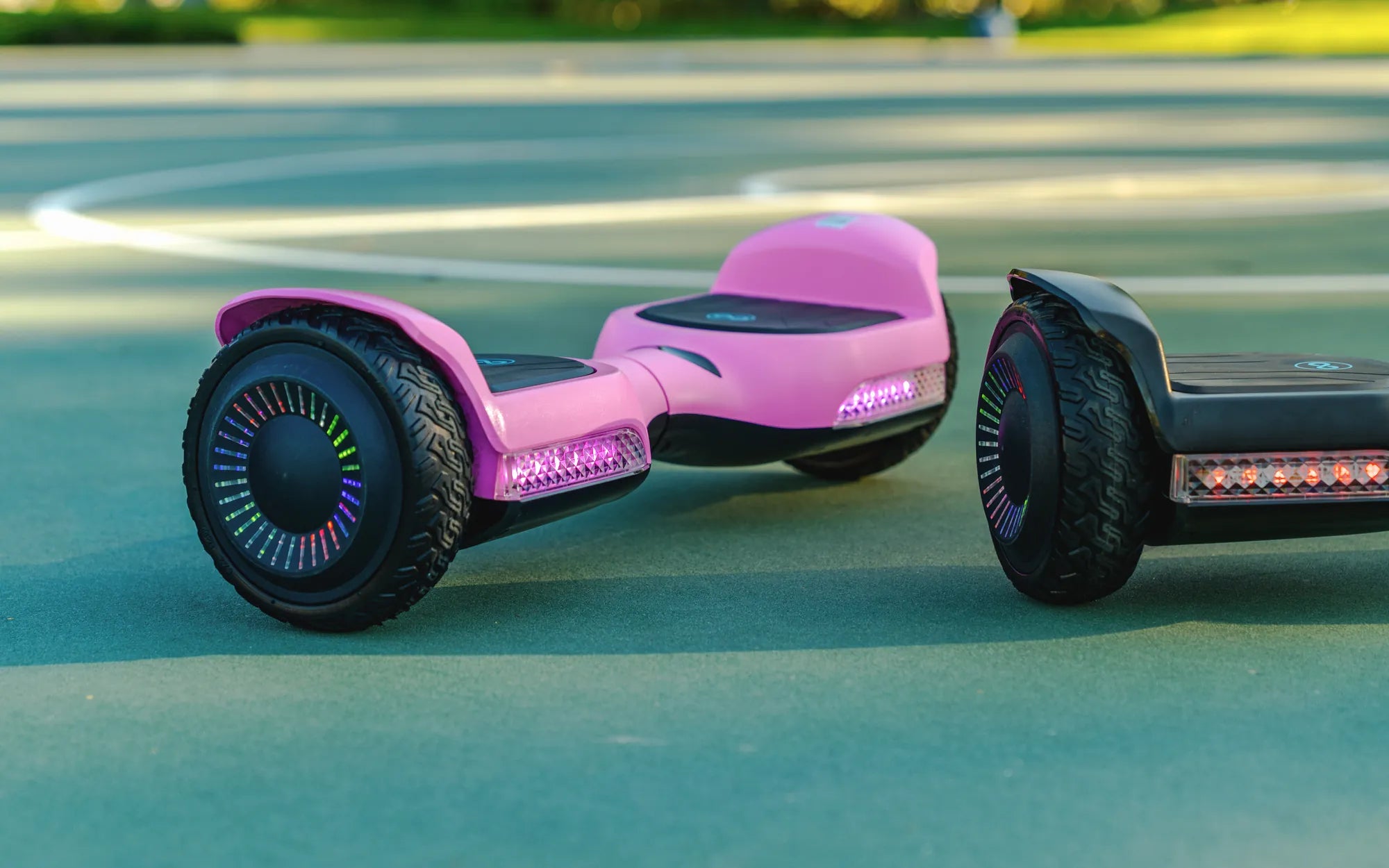
Ever since they burst onto the scene, hoverboards have captivated imaginations and sparked debates. But what are hoverboards really called? The answer might surprise you. These futuristic devices, often mistaken for something out of a sci-fi movie, have a more technical and less glamorous name. Let’s uncover the truth behind the hype and explore the fascinating world of self-balancing scooters.
The Origins of the Hoverboard Name
The term "hoverboard" was popularized by the 1989 film Back to the Future Part II, where Marty McFly glides effortlessly on a levitating skateboard. However, the real-world devices we call hoverboards don’t actually hover. Instead, they rely on wheels and gyroscopic technology to stay balanced. So, what are hoverboards really called? The correct term is self-balancing scooters or electric balance boards.
How Self-Balancing Scooters Work
Self-balancing scooters operate using a combination of sensors, gyroscopes, and electric motors. When you lean forward or backward, the sensors detect the shift in weight and adjust the speed of the wheels accordingly. This creates the illusion of gliding, even though the device remains firmly on the ground. The technology behind these gadgets is both innovative and complex, making them a marvel of modern engineering.
Why the Misnomer Persists
Despite their technical name, the term "hoverboard" stuck because of its cultural resonance. The idea of a levitating board is far more exciting than a wheeled scooter, and marketers capitalized on this appeal. Over time, the misnomer became so widespread that even manufacturers and retailers adopted it. This blurring of lines between fiction and reality is a testament to the power of pop culture.
The Cultural Impact of Hoverboards
From viral videos to celebrity endorsements, hoverboards have become a cultural phenomenon. They’ve been featured in music videos, TV shows, and even political campaigns. Their popularity peaked in the mid-2010s, but they remain a symbol of futuristic mobility. The debate over what hoverboards are really called hasn’t dampened their appeal—if anything, it’s added to their mystique.
Safety Concerns and Regulations
As with any new technology, hoverboards have faced their share of controversies. Early models were prone to overheating and even catching fire, leading to widespread recalls. Governments and safety organizations stepped in to regulate their production and sale. Today, most self-balancing scooters meet strict safety standards, but it’s still important to buy from reputable sources and follow usage guidelines.
The Future of Self-Balancing Scooters
What’s next for these devices? Advances in battery technology, materials, and AI could lead to even more sophisticated models. Some companies are experimenting with true hover technology, though it remains in the experimental stage. Whether they’re called hoverboards or self-balancing scooters, one thing is clear: they’re here to stay.
So, the next time someone asks, "What are hoverboards really called?" you’ll know the answer. These gadgets may not defy gravity, but they’ve certainly defied expectations. From their humble beginnings to their global fame, hoverboards—or whatever you choose to call them—are a fascinating blend of innovation and imagination. Who knows what the future holds? One thing’s for sure: the ride is far from over.
How Far Do Hoverboards Go: Exploring Range and Performance
How Far Do Hoverboards Go: Exploring Range and Performance