


Introduction: More Than Just a Sci-Fi Prop
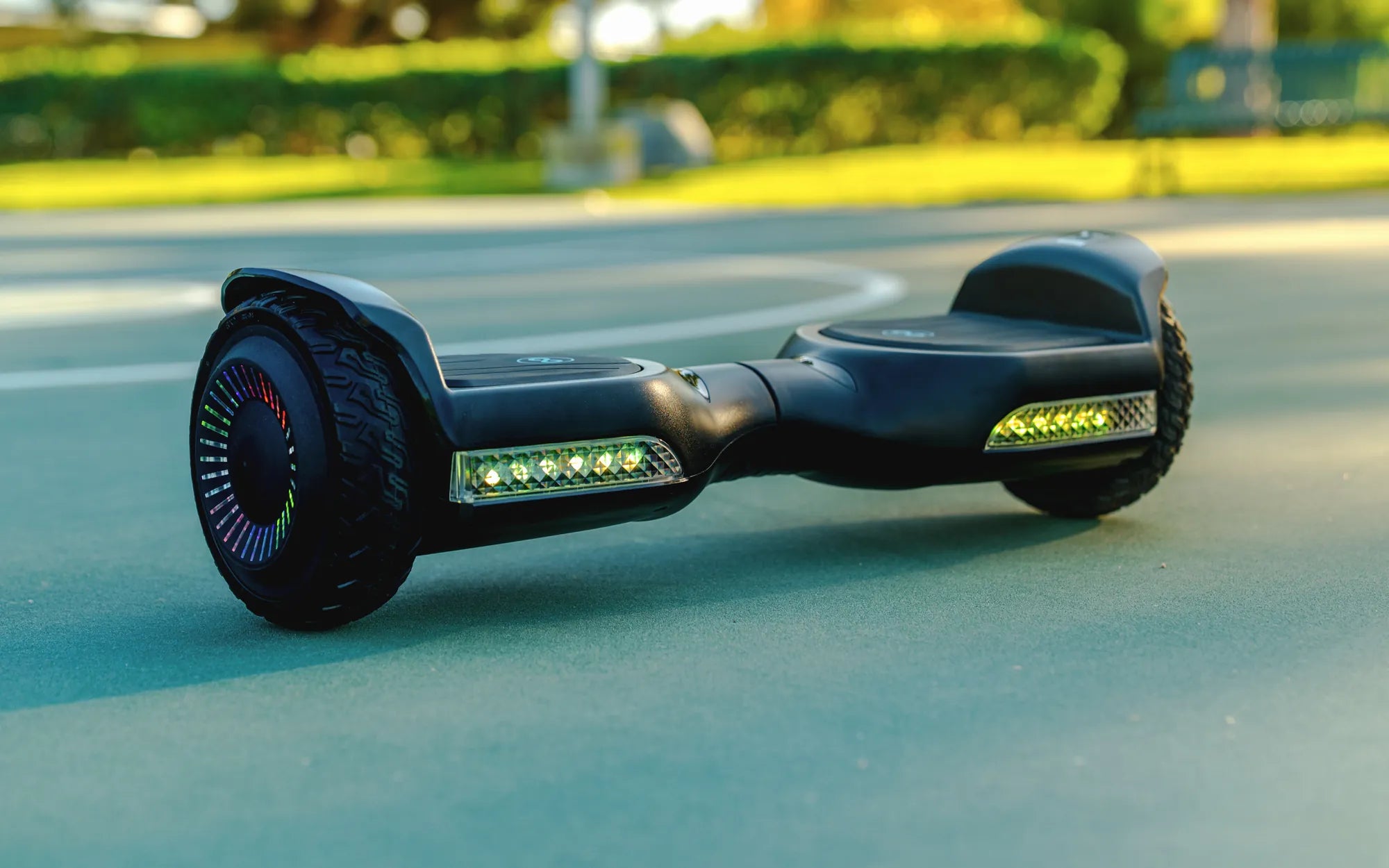
You've seen them in movies and gliding through city parks, but what does a hoverboard actually look like up close? The modern hoverboard is a sleek, self-balancing electric vehicle that has evolved far beyond its clunky prototypes. It's a sophisticated piece of personal mobility tech designed for both function and style.
This guide provides a complete visual breakdown. We'll explore every component, trace the design evolution, and highlight the visual cues that signal safety and performance. By the end, you'll be able to recognize a quality model at a glance and understand exactly what you're looking at.
The Core Anatomy: Breaking Down a Hoverboard's Key Parts
At its most basic, a hoverboard is a two-wheeled, battery-powered platform. Riders stand side-by-side on a central deck, controlling speed and direction through subtle shifts in body weight. The sleek exterior hides a network of gyroscopes, sensors, and motors that make the magic happen.
The standard form is instantly recognizable: two wheels connected by a central platform. However, the details in construction separate a premium device from a subpar one. Let's dissect the visible components that answer the question, "What does a hoverboard look like?" from the ground up.
The Platform and Deck
The deck is the central standing platform, typically covered in a rubberized, non-slip surface. This textured grip tape is essential for safety, keeping your feet firmly planted. The deck's size varies, but it's generally wide enough for comfortable foot placement.
Visually, the deck is the hoverboard's "body." It houses the core electronics and battery within a hard plastic shell. On many models, you'll find subtle weight capacity indicators or brand logos printed here. The overall profile is low and streamlined, contributing to its modern aesthetic.
The Wheels and Hub Motors
The wheels are the most prominent feature. Common sizes range from 6.5 inches for compact models to 10 inches for all-terrain versions. The wheels themselves are the hub motors—the electric motor is built directly into the wheel hub, creating a clean, direct-drive system.
You can tell a lot by the tires. Smooth, solid rubber tires are standard for urban use on pavements. For off-road capability, look for larger, air-filled tires with deep, knobby tread patterns. The wheel design is a major visual indicator of the board's intended use.
The Battery and Housing
The structural shell, usually made from impact-resistant ABS plastic, forms the hoverboard's sleek exterior. This housing protects the critical internal components. A key element inside is the lithium-ion battery pack, which powers the device.
While you can't see the battery, its quality is paramount. Reputable brands like Gyroor use UL-certified battery packs, a safety standard that should be clearly listed in the specifications. Visually, the charging port—often a covered socket on the side or rear of the deck—is your access point to this power source.
Design Evolution: From Bulky Beginnings to Sleek Mobility
The hoverboard's look has transformed dramatically. Early models often had exposed screws, bulky frames, and a toy-like appearance. Today's designs are minimalist, robust, and appeal to a broad age range, from teenagers to adult commuters.
This evolution reflects advances in battery technology, motor efficiency, and material science. Colors have expanded beyond basic black and white to include metallics, matte finishes, and customizable LED schemes. The modern hoverboard is a legitimate piece of personal transport technology.
Key Design Variations by Type
Not all hoverboards look the same. The market has segmented into distinct visual categories based on function. Recognizing these types helps you match a board's appearance to your needs.
Standard Urban Hoverboards: These feature a sleek, compact profile with moderate wheel sizes (6.5"-8.5"). They often incorporate stylish LED lighting systems and a glossy finish, prioritizing aesthetics and portability for city navigation.
Off-Road Hoverboards: Visually, these are bulkier and more rugged. They boast larger wheels (8.5"-10") with aggressive treads, enhanced fenders to protect against debris, and greater ground clearance. The shell often has a more textured, durable look.
Self-Balancing Scooters: These are hoverboards with a removable handlebar attachment point. The deck is often longer, and the visual cue is a socket or mounting area in the front center. This hybrid design bridges the gap between a hoverboard and a scooter.
Safety & Tech Features You Can See
A hoverboard's appearance isn't just about style; it's a direct reflection of its safety and technological capabilities. Certain visual elements are designed to protect the rider and communicate the device's status. Understanding these features is crucial when evaluating what a hoverboard looks like in terms of quality.
High-quality construction is visibly apparent in the fit and finish of the plastic panels, the quality of the rubber foot pads, and the robustness of the wheel axles. These are the first indicators of a product built to last, not just to look flashy in a box.
LED Lighting Systems
Modern hoverboards are often adorned with LED lights. These serve critical safety functions while enhancing the visual appeal. Front white LEDs and rear red LEDs act as headlights and taillights for visibility in low-light conditions.
Many models feature colorful underglow LEDs that illuminate the ground beneath the board, creating a striking visual effect. Some advanced systems use LEDs as turning signals, which flash in the direction of a turn, or as battery indicators, changing color as power depletes.
IP Ratings and Build Quality
A key visual indicator of durability is the device's sealing. A hoverboard advertised as water-resistant, like many Gyroor models with an IPX5 rating, will have specific physical traits. Look for tightly sealed joints between plastic panels, rubber covers over the charging port, and well-protected button interfaces.
This robust construction prevents water from puddles or light rain from seeping into the electronics. A hoverboard that looks tightly assembled, with minimal gaps and quality materials, is more likely to withstand the rigors of daily use. This visible build quality correlates directly with long-term reliability.
Visual Comparison: Hoverboards vs. Similar Personal Transport
To fully understand what a hoverboard looks like, it's helpful to compare it to other popular electric rideables. This visual differentiation clears up common confusion and highlights the hoverboard's unique design philosophy of hands-free, intuitive control.
Hoverboard vs. Electric Scooter: This is the most straightforward comparison. An electric scooter has a handlebar with brake and throttle controls, a narrow deck for standing one foot behind the other, and typically a folding mechanism. A hoverboard has no handlebar and uses a side-by-side foot stance on a wider platform.
Hoverboard vs. Electric Skateboard: An electric skateboard resembles a traditional longboard but is powered by a hub or belt-drive motor. It is controlled via a handheld wireless remote. Visually, it lacks the central platform and self-balancing gyroscope system, requiring the rider to balance manually as on a regular skateboard.
Hoverboard vs. Self-Balancing Transporter (e.g., Segway): Devices like the classic Segway PT use the same self-balancing technology but incorporate a tall control column with handlebars. The rider stands on a platform with a foot-forward stance. The hoverboard eliminates the column entirely, offering a more compact and agile form factor.
| Feature | Hoverboard | Electric Scooter | Electric Skateboard |
|---|---|---|---|
| Primary Control Method | Foot pressure & body lean | Handlebars (throttle/brake) | Handheld remote |
| Stance | Feet side-by-side | Feet one behind the other | Feet in-line (skateboard stance) |
| Key Visual Identifier | No handlebars, central platform | Prominent handlebar stem | Longboard deck, no central platform |
| Typical Wheel Size | 6.5" - 10" | 8" - 10" (often larger) | 90mm - 110mm (for street) |
Choosing for Style & Function: What to Look For
When selecting a hoverboard, its appearance should align with your intended use. The visual design directly hints at performance capabilities. A well-chosen board will look the part and perform reliably, merging aesthetics with engineering.
For Urban Commuters, prioritize a sleek, portable design. Look for models with a moderate wheel size (around 8.5"), integrated carry handles, and comprehensive LED lighting for visibility in traffic. The profile should be compact for easy storage in offices or on public transit.
For Off-Road Enthusiasts, the visual cues are all about ruggedness. Seek out larger, knobby tires, enhanced suspension (sometimes visible as a spring mechanism near the axle), and a shell with extra protective bumpers or fenders. The board should look substantial and tough.
The Importance of Certified Components cannot be overstated. A quality look must be backed by certified safety. Look for clear labeling of UL certification for the battery and electrical system. Reputable brands prominently display this information. A sleek shell means little if it houses uncertified, potentially hazardous components.
Maintenance and Care: Preserving the Look and Performance
Keeping your hoverboard looking and functioning like new requires regular maintenance. A well-maintained board not only performs better but also retains its visual appeal and safety features over time. Simple routines can significantly extend its lifespan.
Regularly wipe down the shell with a damp cloth to remove dirt and grime. Avoid harsh chemicals that could damage the plastic or rubber. For air-filled tires, check the pressure monthly to ensure optimal performance and a smooth ride, which also reduces strain on the motors.
Inspect the charging port cover to ensure it seals properly, maintaining water resistance. Check the foot pad grip tape for wear and tear; replacing it when it becomes smooth is crucial for safety. Store your hoverboard in a cool, dry place away from direct sunlight to prevent plastic degradation and battery stress.
Conclusion: Recognizing Quality at a Glance
So, what does a hoverboard look like? It's the fusion of intelligent engineering and thoughtful design—a compact, self-balancing platform defined by its wheels, deck, and integrated lighting. Beyond the cool aesthetics, the true markers of a superior model are visible in its build quality, safety certifications, and design coherence for its intended purpose.
When you see a hoverboard with a robust shell, high-quality tires, clear safety labeling, and features like IPX5 water resistance, you're looking at a device built for real-world reliability. Brands like Gyroor embed these qualities into their designs, offering riders peace of mind alongside cutting-edge mobility. The right hoverboard isn't just a gadget; it's a dependable companion for urban exploration.
Ready to find a hoverboard that matches both your style and performance needs? Explore a range of models that prioritize safety, durability, and design. Browse the full Gyroor collection at gyroorboard.com to discover UL-certified, feature-rich hoverboards trusted by a global community of riders.
FAQ: Quick Visual Clarifications
Q: Do all hoverboards have lights?
A: No, but it's a very common feature on modern models. Basic or older models might have minimal or no lighting. Most current boards from reputable brands include LED lights for safety (front/rear) and style (underglow). Always check the product specifications.
Q: Can you tell the speed or range by looking at a hoverboard?
A> Not accurately. While larger wheels and a more powerful-looking motor housing might suggest higher performance, the actual speed and range are determined by battery capacity, motor wattage, and rider weight. You must consult the manufacturer's technical specifications for reliable numbers.
Q: What does a water-resistant hoverboard look like?
A: Look for a sealed body with no obvious gaps between panels. The charging port should have a rubber cover that fits snugly. The product should be advertised with an IP rating (like IPX4 or IPX5). Models designed for all-terrain use often have this feature, but it's not always visually obvious without checking the specs.
Q: Are hoverboards with bigger wheels always better?
A: Bigger wheels (8.5"-10") provide better stability, smoother rides over cracks and bumps, and are essential for off-road use. However, they make the board larger and slightly heavier. Smaller wheels (6.5") offer greater portability and a more agile feel on perfect pavement. "Better" depends on your primary use case.
Q: How can I visually identify a hoverboard with a quality battery?
A> You cannot see the battery itself, but you can look for trust signals. The product packaging, manual, or official website should explicitly state the use of a UL-certified battery pack. Reputable brands are transparent about this critical safety component. Avoid models with no mention of battery certification standards.
Best All Terrain Hoverboard: Ultimate Off-Road Guide
Christmas Gift Ideas for Boys 11 Years Old: Fun and Exciting Presents