



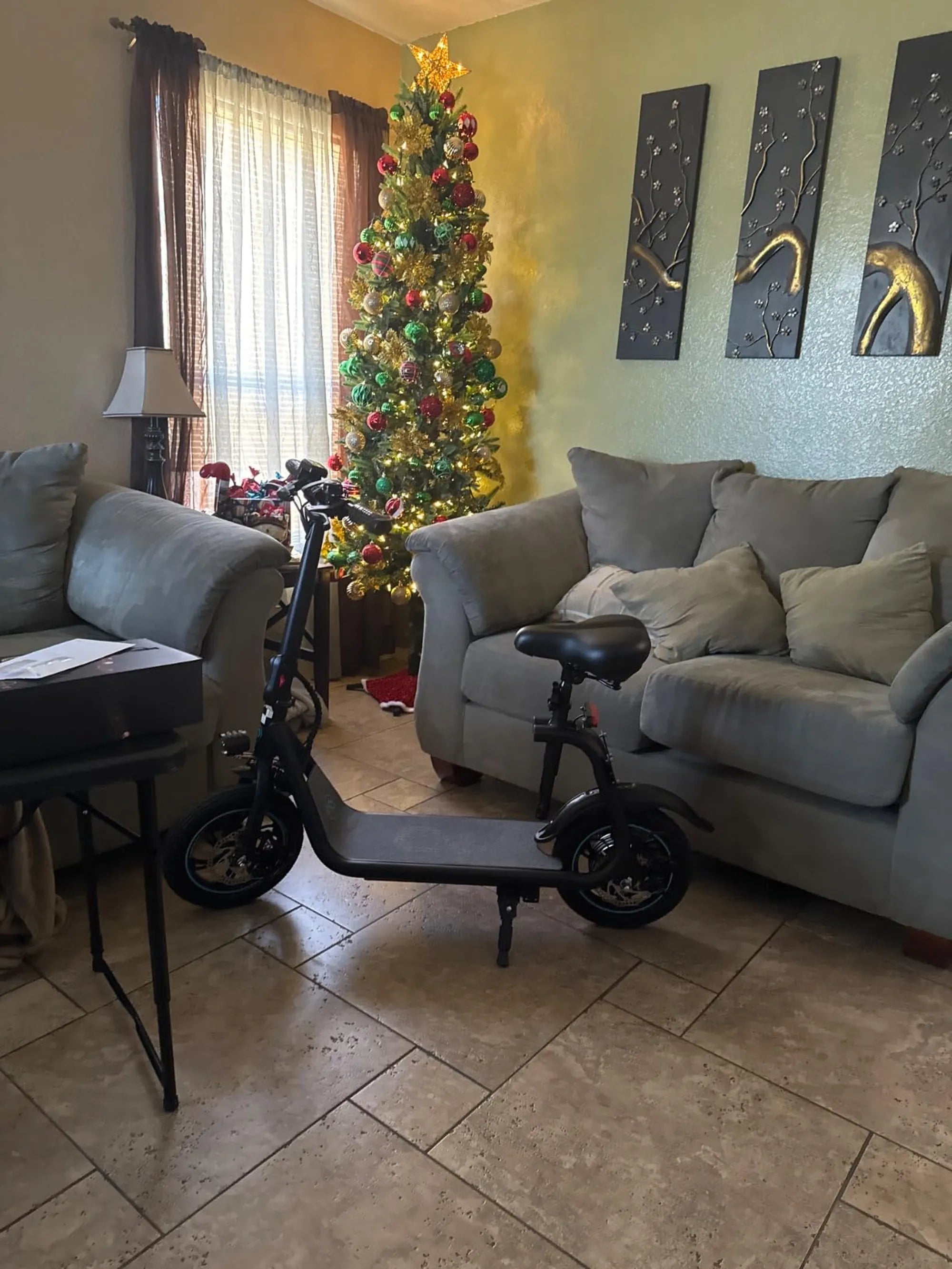
Ever wondered what makes an electric scooter stand out from its traditional counterpart? These modern marvels of urban transportation blend sleek aesthetics with cutting-edge technology, creating a ride that's as stylish as it is functional. Whether you're a commuter looking for your next ride or simply curious about these futuristic vehicles, understanding their distinctive appearance will help you spot one in a crowd.
The Basic Structure of an Electric Scooter
At first glance, an electric scooter shares some similarities with traditional kick scooters, but a closer look reveals several key differences. The most noticeable feature is the deck - the standing platform where riders place their feet. Unlike manual scooters, electric versions typically have a wider deck to accommodate batteries and provide better stability.
Above the deck rises the stem or steering column, which connects to the handlebars. This component often houses wiring for the electronic controls and may feature a folding mechanism for easy storage. The handlebars themselves are equipped with various controls, including throttle, brakes, and sometimes a display panel.
Wheels and Suspension Systems
Electric scooters usually feature pneumatic (air-filled) or solid rubber tires, with sizes ranging from 8 to 12 inches in diameter. High-end models may include suspension systems with springs or hydraulic components to absorb shocks from uneven terrain. The wheels are powered by an electric motor, which can be located either in the hub of one or both wheels or mounted near the rear wheel.
Power Components and Electronics
The most distinctive feature of an electric scooter is its power system. A rechargeable battery pack is typically mounted beneath the deck or integrated into the stem. This powers the electric motor and all electronic components. Many models feature a digital display on the handlebars showing speed, battery level, and other metrics.
Other electronic elements include:
- LED headlights and taillights for visibility
- Turn signals on some advanced models
- Regenerative braking systems
- Bluetooth connectivity for smartphone integration
Materials and Build Quality
Modern electric scooters utilize lightweight yet durable materials like aluminum alloy for the frame and stem. The deck often features a textured, non-slip surface for safety, while high-quality models may use carbon fiber or reinforced plastics for additional strength without adding weight.
Folding Mechanisms and Portability
Many electric scooters designed for urban commuting feature folding mechanisms that allow them to collapse for easy storage and transport. These typically involve a latch or lever near the base of the stem that enables the handlebars to fold down toward the deck. Some models even fold so compactly they can fit under a desk or in a car trunk.
Safety Features and Accessories
Beyond the basic structure, electric scooters often incorporate various safety elements:
- Reflective stickers or panels for nighttime visibility
- Electronic or mechanical braking systems
- Kickstands for parking stability
- Some models include built-in locks or alarm systems
From their streamlined frames to their glowing digital displays, electric scooters represent the perfect marriage of form and function in personal transportation. Whether you're spotting one zipping down city streets or considering your first purchase, recognizing these distinctive features will help you appreciate the engineering behind these increasingly popular vehicles. The next time you see a sleek, silent scooter gliding past, you'll know exactly what makes it tick - and why so many urban commuters are making the switch to electric.
Should I Buy an Electric Scooter? A Complete Guide to Making the Right Choice
How to Ship an Electric Scooter: A Complete Guide for Safe and Hassle-Free Delivery