


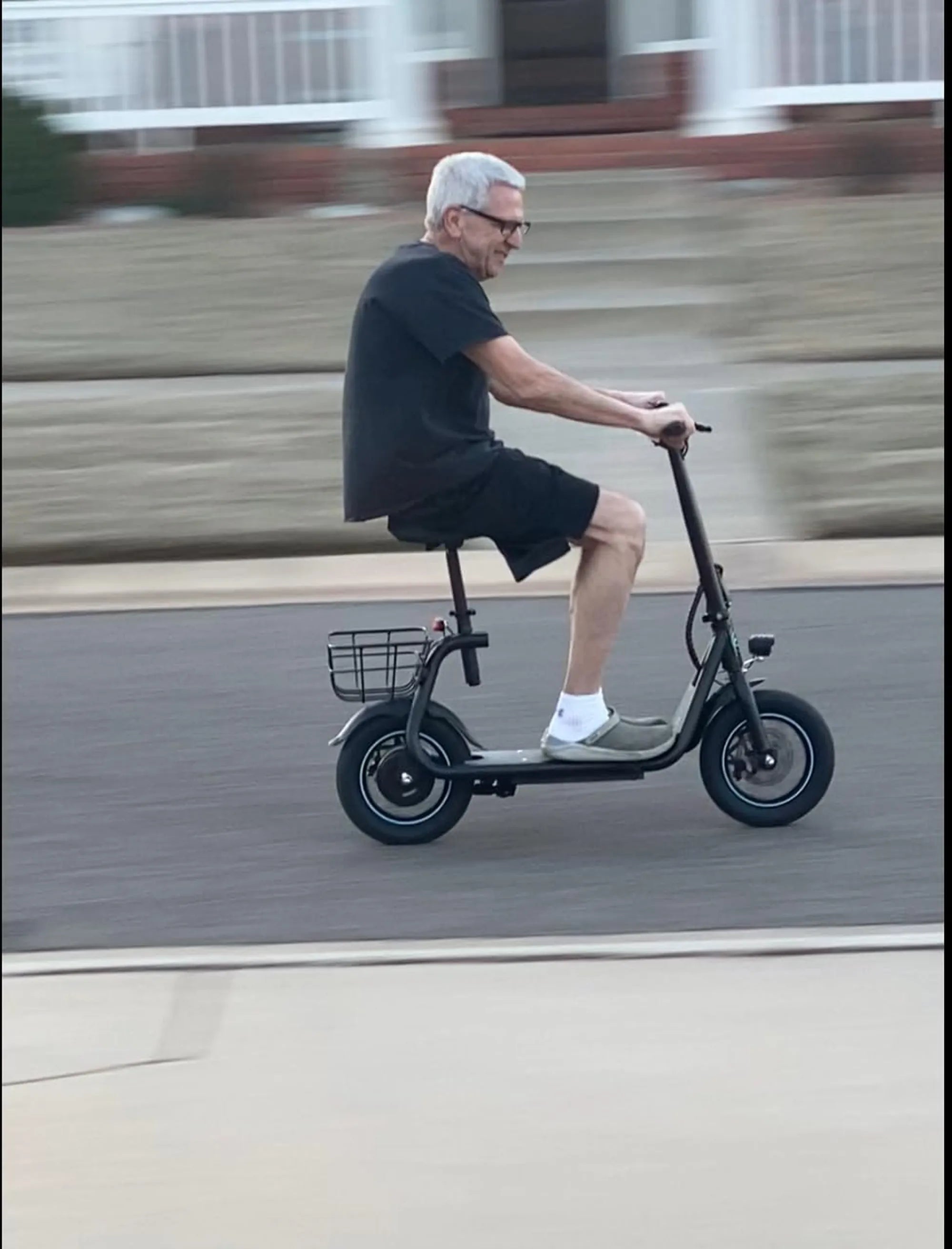
Imagine gliding effortlessly through city streets, weaving through traffic with ease, all while standing on a sleek, futuristic device. This is the promise of a self-balancing scooter—a cutting-edge personal transporter that has taken the world by storm. But what does self-balancing scooter mean, and how does it work? Let’s dive into the fascinating world of these innovative machines and explore why they’re becoming a must-have for urban commuters.
The Definition of a Self-Balancing Scooter
A self-balancing scooter, often referred to as a hoverboard (though it doesn’t actually hover), is a two-wheeled, battery-powered personal transporter. It uses gyroscopic sensors and microprocessors to automatically maintain balance, allowing riders to control movement by shifting their weight. Unlike traditional scooters or skateboards, these devices require no manual pushing or kicking—just lean forward to go, lean back to stop, and tilt sideways to turn.
How Does a Self-Balancing Scooter Work?
The magic behind a self-balancing scooter lies in its advanced technology. Here’s a breakdown of the key components:
- Gyroscopic Sensors: These detect the rider’s body movements and adjust the scooter’s balance accordingly.
- Microprocessors: They process data from the sensors and send commands to the motors to keep the scooter upright.
- Electric Motors: Located in each wheel, these motors provide the necessary torque to move the scooter forward, backward, or sideways.
- Battery: Typically lithium-ion, it powers the motors and electronics, offering several miles of travel on a single charge.
The result is a seamless, intuitive riding experience that feels almost like an extension of your body.
The Benefits of Using a Self-Balancing Scooter
Self-balancing scooters offer numerous advantages, making them a popular choice for commuters, students, and tech enthusiasts alike:
- Eco-Friendly: With zero emissions, they’re a green alternative to cars and motorcycles.
- Portable: Lightweight and compact, they’re easy to carry and store.
- Cost-Effective: No fuel or parking fees—just charge and go.
- Fun and Stylish: Riding one is not just practical but also a statement of modern lifestyle.
The Evolution of Self-Balancing Scooters
Self-balancing scooters have come a long way since their inception. Early models were clunky and prone to malfunctions, but today’s versions are sleek, reliable, and packed with features like Bluetooth connectivity, LED lights, and smartphone apps for customization. As technology advances, we can expect even more innovations, such as longer battery life, faster speeds, and enhanced safety features.
Safety Tips for Riding a Self-Balancing Scooter
While self-balancing scooters are fun and convenient, safety should always come first. Follow these tips to ensure a smooth and secure ride:
- Wear protective gear, including a helmet, knee pads, and elbow pads.
- Start slow and practice in a safe, open area before hitting busy streets.
- Avoid wet or uneven surfaces to prevent accidents.
- Regularly check the battery and tires for optimal performance.
The Future of Self-Balancing Scooters
As cities become more congested and environmentally conscious, self-balancing scooters are poised to play a significant role in the future of urban mobility. With advancements in AI and battery technology, these devices could soon integrate with smart city infrastructures, offering features like autonomous navigation and real-time traffic updates. The possibilities are endless, and the ride is just beginning.
Ready to join the revolution? A self-balancing scooter isn’t just a gadget—it’s a gateway to a smarter, greener, and more exciting way to get around. Whether you’re a daily commuter or a tech enthusiast, there’s never been a better time to hop on and experience the future of transportation firsthand.
Buy 1000W Electric Scooter: The Ultimate Guide to Power and Performance
Electric Scooter 2600W: The Ultimate Guide to Power and Performance