

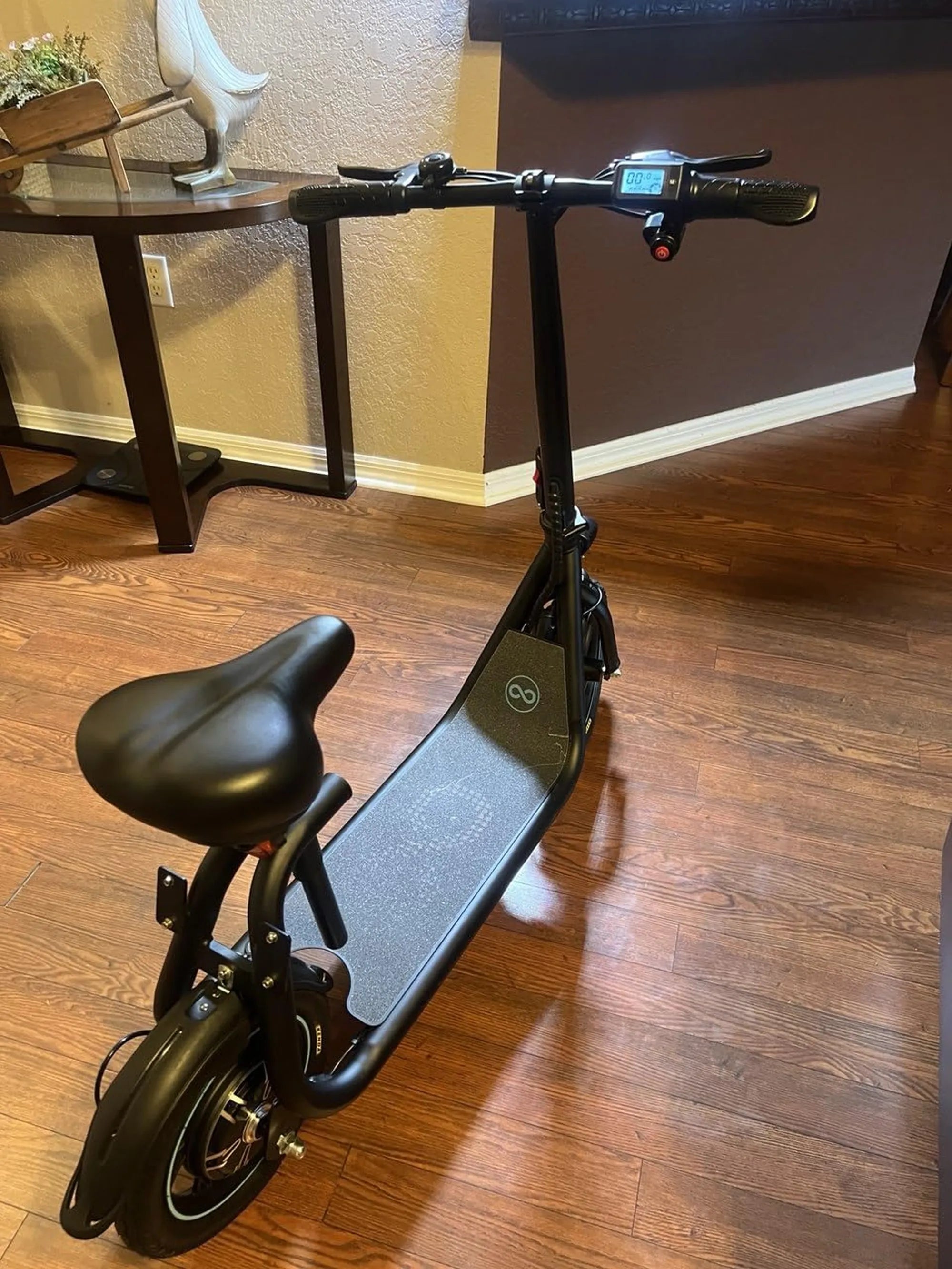
Electric bikes, or ebikes, have revolutionized the way we commute, explore, and stay active. But with so many options on the market, what is a good ebike? Whether you're a daily commuter, a weekend adventurer, or someone looking for an eco-friendly alternative to driving, understanding the essential features of a quality ebike will help you make the right choice.
Motor Power and Performance
A good ebike starts with a reliable motor. The motor is the heart of an electric bike, determining how much assistance you get while pedaling. Most ebikes come with either a hub motor or a mid-drive motor. Hub motors are typically found in the front or rear wheel and are known for their simplicity and affordability. Mid-drive motors, on the other hand, are positioned near the bike's cranks and offer better weight distribution and efficiency, especially on hilly terrain.
The power of an ebike motor is measured in watts (W). A good ebike usually has a motor ranging from 250W to 750W. Lower-wattage motors are ideal for flat terrains and casual riding, while higher-wattage motors provide more torque for climbing hills and carrying heavier loads. Consider your riding environment when choosing motor power.
Battery Life and Range
Another critical factor in determining what is a good ebike is the battery. The battery dictates how far you can travel on a single charge. Most ebikes use lithium-ion batteries due to their lightweight and long lifespan. A good ebike battery should offer a range of at least 40 to 80 miles per charge, depending on factors like terrain, rider weight, and assist level.
Look for a battery with a capacity of 400Wh or higher for extended rides. Charging time is also important—most high-quality batteries take 4 to 6 hours to fully charge. Some ebikes feature removable batteries, making it convenient to charge at home or work.
Frame and Build Quality
The frame of an ebike plays a significant role in its durability and comfort. A good ebike should have a sturdy frame made from materials like aluminum, steel, or carbon fiber. Aluminum frames are lightweight and corrosion-resistant, making them a popular choice. Steel frames are heavier but offer excellent durability, while carbon fiber frames are lightweight and absorb vibrations well but come at a higher price.
Pay attention to the bike's weight, especially if you plan to carry it upstairs or load it onto a rack. A well-built ebike should balance weight and strength without compromising on ride quality.
Braking System
Safety is paramount when riding an ebike, and a reliable braking system is a must. A good ebike will feature hydraulic or mechanical disc brakes, which provide consistent stopping power in all weather conditions. Hydraulic disc brakes offer superior performance with less effort, while mechanical disc brakes are easier to maintain.
Avoid ebikes with rim brakes, as they tend to wear out quickly and perform poorly in wet conditions. Test the brakes before purchasing to ensure they respond smoothly and effectively.
Comfort and Ergonomics
Comfort is key to enjoying your ebike rides. A good ebike should have an ergonomic design, including an adjustable saddle, handlebars, and suspension. If you plan to ride on rough terrain, look for a model with front or full suspension to absorb shocks. For city commuting, a rigid frame with wider tires may suffice.
Consider the riding position as well. Upright positions are comfortable for casual riders, while forward-leaning positions are better for speed and efficiency. Test ride different models to find the one that suits your body type and riding style.
Additional Features
Modern ebikes come with a variety of features that enhance the riding experience. A good ebike may include:
- An intuitive display showing speed, battery level, and assist mode.
- Multiple assist levels (e.g., eco, standard, turbo) for customizable riding.
- Integrated lights for visibility and safety.
- Fenders and racks for practicality.
- Smart connectivity, such as Bluetooth or GPS tracking.
These extras can make a significant difference in convenience and enjoyment, so prioritize the features that matter most to you.
Price and Warranty
While price shouldn't be the sole deciding factor, a good ebike should offer value for money. Entry-level models start around $1,000, while high-performance ebikes can cost $3,000 or more. Invest in a reputable brand with positive reviews and a solid warranty. A good warranty typically covers the frame for at least 5 years and the motor and battery for 2 years.
Remember, a higher upfront cost often translates to better components, longer lifespan, and lower maintenance expenses over time.
Test Ride Before Buying
Finally, the best way to determine what is a good ebike for you is to test ride several models. Pay attention to how the bike handles, the responsiveness of the motor, and overall comfort. A test ride will reveal nuances that specs alone can't convey.
Whether you're commuting, exploring trails, or simply enjoying the outdoors, the right ebike can transform your riding experience. By focusing on motor power, battery life, build quality, and comfort, you'll find an electric bike that meets your needs and exceeds your expectations.
Ready to take the plunge? The perfect ebike is out there—equip yourself with knowledge, test ride with confidence, and enjoy the ride of a lifetime.
Best Off Road Scooter 2025: The Ultimate Guide to Rugged Performance
Best 3 Wheel Scooter for 12 Year Old: Top Picks and Buying Guide