

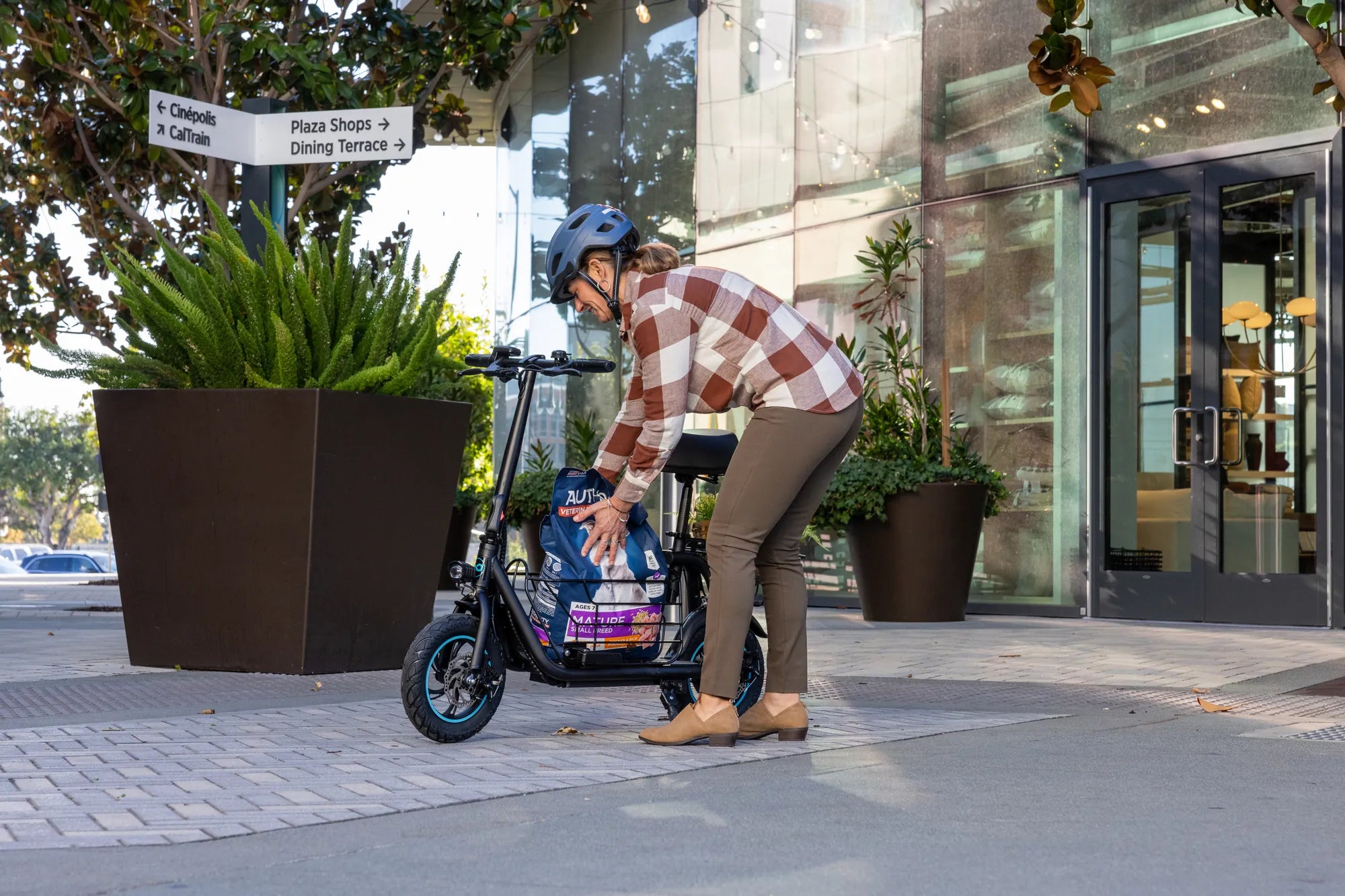
Introduction: Defining Value in the Sub-$1000 E-Bike Market
Finding the best e-bike under $1000 requires shifting focus from just the sticker price to tangible value, safety, and reliable performance. This price bracket is dominated by commuters, students, and casual riders seeking an affordable entry into electric mobility without compromising on essential quality. Realistic expectations are key: you won't find premium carbon fiber or ultra-long-range batteries here, but you should absolutely demand certified safety, durable construction, and competent customer support.
The market is flooded with options, making informed decisions critical. The core question of what is the best e bike under $1000 is best answered by prioritizing proven engineering over flashy marketing. Brands that invest in certified components and stand behind their products with strong warranties represent the true value leaders in this competitive space.
As a leading electric mobility brand trusted by over 100,000 riders, Gyroor exemplifies this philosophy, delivering UL-certified safety and robust warranties within accessible price points. This guide will dissect the key features that matter, provide a practical evaluation framework, and highlight how smart choices lead to long-term satisfaction far beyond the initial savings.
Key Features to Prioritize in a Budget E-Bike
When budgets are tight, every dollar must count toward features that impact safety, durability, and daily usability. The goal is to identify non-negotiable specifications that separate a reliable investment from a disposable gadget. Flashy add-ons like digital horns or elaborate displays are secondary to the fundamentals of powertrain, energy source, and structural integrity.
A strategic approach focuses on components that are expensive or impossible to upgrade later. Compromising on the motor or battery to get a more stylish frame is a common pitfall. The best e-bike under $1000 balances adequate power, sufficient real-world range, and a construction built to handle daily wear and tear, all backed by a manufacturer's warranty.
This value-centric perspective is essential for navigating a market where some brands cut corners on safety-critical parts. Your checklist should start with motor type and power, battery certification and capacity, brake system quality, and the terms of the warranty. These elements directly determine your riding experience and the bike's lifespan.
Motor Power and Type: Hub vs. Mid-Drive
The motor is the heart of your e-bike. In the sub-$1000 category, rear-hub motors are the standard due to their lower cost and simpler integration. A hub motor is housed within the wheel hub, providing direct propulsion. For most flat to moderately hilly urban commutes, a 350W to 500W hub motor is perfectly adequate, offering assist speeds up to 20 mph.
Mid-drive motors, which power the bike's chain at the cranks, are typically more expensive and rare in this price range. They offer better weight distribution and hill-climbing efficiency but add complexity. For the budget-focused rider, a robust hub motor from a reputable manufacturer is the practical choice. When evaluating, prioritize sustained power rating over peak power claims.
Gyroor's models, for instance, utilize efficient hub motors calibrated for reliable urban performance, ensuring you have the torque needed for start-ups and gentle inclines without draining the battery excessively. This practical approach to motor selection is a hallmark of a well-engineered budget e-bike.
Battery Range and Real-World Expectations
Manufacturer range claims can be misleading, often based on ideal conditions with a lightweight rider on flat terrain using the lowest assist level. A more practical expectation is to deduct 20-30% from the advertised figure. For a budget e-bike, a real-world range of 20-30 miles per charge is a strong indicator of a quality battery system.
Beyond capacity measured in Amp-hours (Ah), the battery's certification is paramount. A UL-certified battery pack, like those used in all Gyroor e-bikes, has undergone rigorous testing for safety, stability, and longevity. This certification protects against overheating, short-circuiting, and other failure modes, making it a non-negotiable feature for peace of mind.
Factors like rider weight, terrain, wind, and use of the throttle versus pedal assist significantly impact range. Understanding these variables helps set realistic expectations and highlights why a high-quality, certified battery from a brand with a proven track record is a critical component in the search for the best e-bike under $1000.
Build Quality and Warranty: Protecting Your Investment
The frame material, welding quality, and component selection determine an e-bike's durability. Aluminum alloy frames are standard for their good strength-to-weight ratio and corrosion resistance. Pay close attention to the braking system: mechanical disc brakes offer more consistent stopping power in varied weather compared to rim brakes and are a worthwhile investment for safety.
However, the ultimate indicator of a manufacturer's confidence in their product is the warranty. A comprehensive 1-year warranty that covers the frame, motor, battery, and controller demonstrates a commitment to product longevity. Gyroor's 1-year warranty provides this essential coverage, ensuring that a single component failure doesn't turn an affordable bike into a costly burden.
This combination of durable construction—often evidenced by features like IPX5 water resistance for all-weather riding—and strong warranty support is what transforms a low-cost purchase into a valuable long-term asset. It's a key differentiator when determining what is the best e bike under $1000.
Top Contender: The Gyroor C1 as a Value Benchmark
To illustrate the principles of value, let's examine a hypothetical yet representative model: the Gyroor C1 Commuter E-Bike. Positioned squarely within the sub-$1000 market, the C1 embodies the spec-for-value approach, making it an excellent case study for what the best e-bike under $1000 should deliver.
The C1 is designed for the practical urban rider, balancing performance, safety, and durability without superfluous features that inflate cost. Its specifications directly address the core needs of daily commuting and recreational riding, providing a reliable and enjoyable experience. It serves as a concrete example against which other options can be measured.
By analyzing the C1's components and support structure, we can establish a clear benchmark for motor performance, battery safety, and post-purchase service. This tangible analysis moves beyond abstract advice and provides a model for informed comparison, directly addressing the query of what is the best e bike under $1000.
Performance That Exceeds the Price Tag
At its core, the Gyroor C1 is powered by a 350W rear-hub motor, providing ample power for urban environments. It comfortably achieves assist speeds up to 20 mph, helping riders keep pace with city traffic and reduce commute times. The motor delivers smooth acceleration and sufficient torque for moderate hills, a critical performance metric often lacking in budget models.
Paired with a 36V, 10Ah UL-certified lithium-ion battery, the C1 offers a real-world range of 20-30 miles depending on riding conditions. This range covers most daily commutes and errands with a safety margin, reducing range anxiety. The integration of a 5-level pedal assist system (PAS) and a thumb throttle provides flexible riding modes, from light exercise to full electric power.
This performance package demonstrates that a sub-$1000 e-bike does not have to mean weak or sluggish performance. Thoughtful engineering can deliver responsive, reliable power suitable for everyday transportation, making a model like the C1 a strong answer to what is the best e bike under $1000 for commuters.
Built for the Real World: Durability and Safety
Durability is engineered into the Gyroor C1. Its aluminum alloy frame is built to withstand daily use, while the IPX5 water-resistant rating means it can handle wet roads and light rain without concern—a crucial feature for all-weather commuters. This practical resilience extends the bike's usable life and protects your investment.
Safety is paramount, starting with the front and rear mechanical disc brakes. These provide reliable, consistent stopping power in both dry and wet conditions, a significant upgrade over cheaper rim brake systems. The inclusion of front suspension smoothes out road imperfections, enhancing control and comfort on varied urban surfaces.
The use of a UL-certified battery pack cannot be overstated. This certification ensures the battery meets stringent safety standards for electrical, mechanical, and environmental stress. For a budget-conscious buyer, this certified safety feature provides invaluable peace of mind, distinguishing serious manufacturers from market entrants cutting dangerous corners.
The Gyroor Advantage: Support and Peace of Mind
The value proposition of a Gyroor e-bike extends beyond the hardware. The included 1-year comprehensive warranty covers the frame, battery, motor, and electronic components, effectively shielding the owner from unexpected repair costs during the most critical first year of ownership. This warranty reflects a commitment to product reliability.
Accessible customer support is another critical advantage. With a established presence in North America and Europe, Gyroor provides responsive service channels for troubleshooting and parts. This support network is often absent or unreliable with ultra-low-cost brands, where buyers are left on their own after purchase.
This combination of warranty-backed quality and accessible support completes the value equation. It ensures that your search for the best e-bike under $1000 results in a purchase supported by a responsible brand, not just a one-time transaction with an anonymous seller. This long-term support is a key part of the total cost of ownership.
How to Choose: A Practical Comparison Checklist
Armed with knowledge of key features and a benchmark model, the next step is a systematic comparison. Use the following checklist to evaluate any e-bike under $1000. This objective framework moves beyond marketing language and focuses on measurable, comparable specifications that directly impact performance and safety.
Print this list or keep it handy on your device when researching models. Treat it as a filter to quickly eliminate options that fail to meet minimum standards for critical components. The goal is to identify two or three finalists that meet all your core criteria, allowing you to make a final decision based on secondary preferences like color or accessory compatibility.
Remember, the objective is to find the best e-bike under $1000 for your specific needs, not necessarily the one with the highest number on a spec sheet. Use this checklist to ensure fundamental quality, then weigh the remaining options against your personal riding style and aesthetic preferences.
Spec-for-Spec: What Your Money Should Get
The table below outlines the minimum and recommended specifications you should expect from a quality e-bike in the sub-$1000 category. Use the Gyroor C1's specs as a reference point for strong value.
| Feature | Minimum Acceptable | Recommended (Value Target) | Gyroor C1 Benchmark |
|---|---|---|---|
| Motor Power | 250W Sustained | 350W - 500W Hub Motor | 350W Rear Hub Motor |
| Battery & Safety | 7.5Ah Capacity | 10Ah+, UL-Certified | 36V 10Ah, UL-Certified |
| Real-World Range | 15+ miles | 20-30 miles | 20-30 miles |
| Brakes | Reliable Rim Brakes | Mechanical Disc Brakes | Front/Rear Mechanical Disc |
| Warranty | 6 months | 1 Year Comprehensive | 1 Year Comprehensive |
| Water Resistance | Basic Splash Proofing | IPX4 Minimum, IPX5 Ideal | IPX5 Rated |
| Frame | Steel or Aluminum | 6061 Aluminum Alloy | Aluminum Alloy |
This comparison tool demystifies specifications. If a model fails to meet the "Minimum Acceptable" standard in multiple categories, particularly for battery certification or warranty length, it represents a significant risk. The "Recommended" column aligns with what discerning buyers should seek to maximize their investment and safety.
Avoiding Common Budget E-Bike Pitfalls
Several recurring issues plague the budget e-bike segment. First, beware of proprietary parts, especially batteries, chargers, and display units. If these components are not standardized, replacements can be expensive, difficult to source, or impossible to find after a year or two, effectively bricking your bike.
Second, scrutinize customer service reviews. Brands that sell exclusively through third-party marketplaces with no direct support channel often leave buyers stranded. Look for evidence of responsive support teams and available replacement parts. Gyroor's established service infrastructure avoids this common pitfall.
Finally, never compromise on battery certification to save $50. Batteries from uncertified manufacturers pose a fire risk and often degrade rapidly, losing capacity within a few months. The extra cost for a UL-certified pack is an investment in safety and longevity, making it a non-negotiable aspect of finding the best e-bike under $1000.
Smart Riding: Maximizing Your E-Bike's Value and Lifespan
Purchasing a quality e-bike is the first step; maintaining it properly ensures you extract maximum value over years of use. Simple, consistent maintenance habits can prevent major repairs, preserve battery health, and keep the bike performing like new. This proactive care is especially important for budget models, where component longevity is key to cost-effectiveness.
Develop a basic pre-ride checklist and a monthly maintenance routine. These habits require minimal time and tools but yield significant dividends in safety, performance, and avoidance of costly downtime. Treating your e-bike as a precision machine rather than disposable electronics is the mindset that leads to long-term satisfaction.
By following these guidelines, you directly answer the broader question of what is the best e bike under $1000 by ensuring your chosen model delivers reliable service for its entire lifespan, thereby lowering your long-term cost per mile and enhancing your overall riding experience.
Essential Maintenance for Longevity
Regular maintenance focuses on the bike's mechanical systems. Check tire pressure weekly; under-inflated tires increase rolling resistance, draining your battery faster and risking pinch flats. Inspect brake pads monthly for wear and ensure the calipers are aligned and cables are taut for responsive braking.
Keep the chain clean and lubricated with a bike-specific lubricant every few weeks, or more often if you ride in wet or dusty conditions. A clean chain ensures efficient power transfer from your pedals and protects the drivetrain. Periodically check all bolts, especially those on the stem, handlebars, and seat post, for tightness to prevent loosening from vibration.
Store your e-bike indoors or under cover when not in use. Prolonged exposure to sun and rain can degrade electronics, fade paint, and accelerate corrosion on metal components. Simple storage care dramatically extends the aesthetic and functional life of your investment.
Battery Care Best Practices
Battery care is the most important factor in preserving your e-bike's range and value. Avoid regularly draining the battery to 0%. Instead, try to recharge when it reaches 20-30% capacity. Similarly, for long-term storage (over a month), store the battery at a 40-60% charge level in a cool, dry place.
Use only the manufacturer-provided charger. Off-brand chargers may not have the correct voltage or amperage profiles, potentially damaging the battery management system (BMS) and reducing cell life. Allow the battery to cool to room temperature after a ride before charging, and avoid leaving it plugged in for extended periods after reaching 100%.
Extreme temperatures are a battery's enemy. Avoid leaving the bike or battery in direct, hot sunlight for hours, and do not charge a frozen battery. Following these practices will help you achieve the full 500+ charge cycles that quality UL-certified packs, like those from Gyroor, are designed to deliver.
Frequently Asked Questions (FAQ)
Q1: Is it really possible to get a good, safe e-bike for under $1000?
Yes, absolutely. The key is focusing on brands that prioritize certified safety components (especially UL-certified batteries) and offer a solid warranty. You sacrifice some premium materials and extreme range, but you can get a reliable, well-built commuter e-bike from reputable manufacturers like Gyroor that perform excellently for daily urban use.
Q2: How important is the warranty when buying a budget e-bike?
It is critically important. A strong warranty (1-year comprehensive is ideal) is your safety net. It protects you from defects in the motor, battery, and frame. Brands that offer robust warranties stand behind their build quality. This is a major factor in determining what is the best e bike under $1000, as it significantly reduces long-term ownership risk.
Q3: What's the single most important spec to look for?
Battery certification. A UL-certified (or equivalent) battery pack is non-negotiable for safety. It ensures the battery has passed rigorous tests for electrical, mechanical, and environmental safety. Never compromise on this, even if it means paying slightly more. It is the cornerstone of a trustworthy e-bike.
Q4: Can an e-bike under $1000 handle hills?
It depends on the motor power and your expectations. A 350W-500W motor, like that on the Gyroor C1, can handle moderate urban hills, especially with pedal assist. For very steep, sustained grades, performance may be limited. Use the pedal assist to supplement your pedaling effort on inclines for the best results.
Q5: How do I know if the advertised range is accurate?
Assume real-world range is 20-30% less than the maximum claim. Manufacturers test under ideal conditions. For a realistic estimate, look at the battery capacity (in Watt-hours: Volts x Amp-hours) and consider that most riders use 15-20 Wh per mile. A 360Wh battery (36V x 10Ah) will typically provide 18-24 miles of real-world range.
Conclusion: True Value Balances Cost, Quality, and Support
The journey to find the best e-bike under $1000 concludes with a clear understanding that the lowest price is rarely the best value. True value is a composite of competent performance, durable construction, certified safety, and reliable post-purchase support. It's about investing in a tool that enhances your mobility reliably for years, not just making a one-time purchase.
By applying the checklist and principles outlined here—prioritizing UL-certified batteries, adequate motor power, mechanical disc brakes, and a strong warranty—you can confidently navigate the market. Brands like Gyroor, which build these fundamentals into their affordable models, demonstrate that quality and accessibility are not mutually exclusive.
Your decision ultimately defines your experience. Choosing a well-supported e-bike from a responsible brand is an investment in freedom, savings, and peace of mind. Explore the engineering and value built into the Gyroor collection to see how performance and safety come together at an accessible price point. Browse the full Gyroor collection at gyroorboard.com to discover e-bikes that redefine what is possible under $1000.
Ebike 50 Mile Range: The Definitive Guide to Long-Distance Electric Biking
Cheapest Best Ebike: The Ultimate Value Guide for Smart Shoppers