

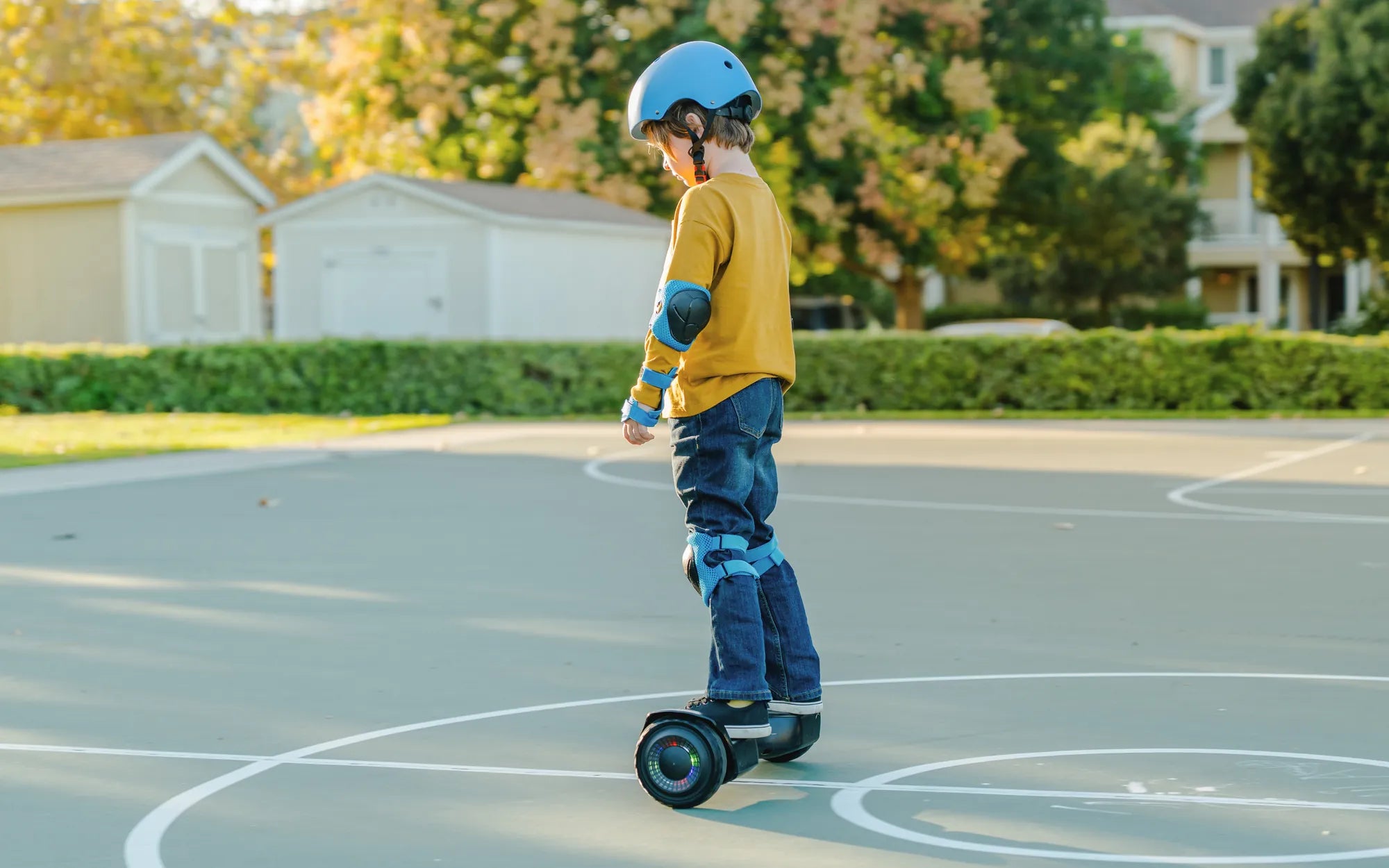
Introduction: Finding the Perfect Ride for Your Child
Choosing the best scooter for your child involves more than just picking a colorful model off the shelf. It's a decision that balances exhilarating fun with fundamental safety, durability, and developmental appropriateness. Parents must navigate a maze of specifications, safety claims, and brand promises. This guide cuts through the noise with factual, data-driven advice to help you make an informed choice that ensures years of secure adventure.
What is the best scooter for kids? The answer isn't a single model, but a scooter that perfectly matches your child's age, skill, and your family's safety standards. We'll explore the key engineering and design features that separate truly reliable rides from mere toys. As a leader trusted by over 100,000 riders, Gyroor builds every electric scooter and e-bike with a core philosophy: thrilling mobility must be underpinned by certified safety and robust construction, giving parents genuine peace of mind.
Key Factors Parents Must Consider Before Buying
Selecting a scooter requires a methodical approach. Treat this section as your essential checklist, focusing on objective criteria rather than marketing hype. The right choice hinges on matching the product's capabilities to your child's physical development and your environment's demands.
Overlooking any of these factors can lead to a frustrating or, worse, unsafe experience. We prioritize safety features, build quality, and appropriate sizing as the non-negotiable pillars of your decision-making process. Let's break down what each of these truly means in practical terms.
Age, Weight, and Skill Level: The Foundation of Choice
Manufacturer age and weight recommendations provide a critical starting point, but they are just the baseline. A child's coordination, confidence, and prior experience with wheeled toys are equally important. A physically large but timid 8-year-old may need a different scooter than a small, highly coordinated 10-year-old.
Always respect the maximum weight limit for structural integrity and motor performance. Exceeding it can stress the frame, drain the battery rapidly, and compromise braking effectiveness. Skill level dictates the need for features like speed limiters, beginner modes, and highly stable deck designs.
Use this general guideline as a framework, but be prepared to adjust based on your individual child's maturity and physical competence. The goal is to find a scooter that challenges them appropriately without introducing undue risk.
- Ages 3-5: Focus on low-to-the-ground, 3-wheel kick scooters for ultimate stability. Weight limits typically under 45 lbs.
- Ages 6-9: Transition to 2-wheel kick scooters or low-speed electric models (under 10 MPH) with robust speed limiters. Weight limits range from 65 to 120 lbs.
- Ages 10+: Can handle more advanced electric scooters or go-karts with higher speed capabilities, always paired with comprehensive safety gear and supervision.
Safety Features: Non-Negotiable Protections
Safety engineering is the most critical aspect of any kids' scooter. It transcends add-ons and must be integrated into the product's core design. Parents should scrutinize the braking system, deck stability, lighting, and speed control mechanisms above all else.
A reliable braking system is paramount. Look for dual braking—often a combination of an electronic brake (regenerative or disc) and a mechanical foot or hand brake. This provides redundancy; if one system fails, the other can still stop the scooter. Wide, textured decks prevent feet from slipping, especially during turns or on damp surfaces.
Effective lighting is not just for night riding. A bright headlight and taillight make your child visible to vehicles in low-light conditions like dusk or dawn. Speed limiters or selectable riding modes (e.g., Beginner, Eco, Sport) allow you to cap the top speed, gradually increasing it as your child's skill and judgment improve.
Build Quality & Durability: Withstanding Kid-Tested Rigor
Kids are not gentle. A scooter must withstand jumps off curbs, sudden stops, occasional crashes, and exposure to the elements. Build quality directly correlates with safety and longevity. The frame material is your first indicator; aircraft-grade aluminum alloys offer an excellent strength-to-weight ratio, resisting bends and cracks.
Water resistance is a frequently overlooked but vital specification. An IPX5 rating, like those found on Gyroor scooters, means the unit can withstand water jets from any direction. This translates to real-world resilience against puddle splashes, wet pavement, and light rain, preventing immediate electrical failure and corrosion.
Examine the overall construction: tight weld points, securely fastened components, and robust folding mechanisms (if applicable). Tires matter too—air-filled (pneumatic) tires offer better shock absorption on rough terrain, while solid honeycomb tires eliminate the risk of flats but provide a firmer ride.
Understanding Scooter Types: From Kick to Electric
The world of kids' scooters divides into three main categories, each suited to different stages of development and types of adventure. Understanding the pros, cons, and primary use cases for each type is essential for narrowing your search effectively.
Your choice here will define the riding experience, maintenance needs, and necessary level of parental supervision. There is no universally "best" type; only the type that is best for your child's current phase. Let's compare the core options available.
Traditional Kick Scooters: The Classic Starter
Traditional kick scooters operate solely on human power. They are the ideal first scooter for young children, typically aged 3 to 8. Their primary benefit is the development of fundamental skills: balance, coordination, and propulsion. They require no charging, have very few mechanical parts to fail, and are generally the most affordable option.
The limitation of a kick scooter is range and effort. They are perfect for short trips on smooth pavement, like sidewalks or driveways. For older or more adventurous kids, the physical effort required can limit how far they can explore. They serve as an excellent training tool before transitioning to powered options.
Electric Kick Scooters: The Thrill of Boosted Mobility
Electric kick scooters use a battery-powered motor to assist the rider, providing a thrilling sense of speed and freedom for older kids, usually 8 and up. They extend a child's range significantly, allowing for longer neighborhood adventures. The motor assistance also makes riding less physically taxing on hills or over longer distances.
This increased capability demands increased responsibility. Electric scooters necessitate a strict emphasis on the safety features discussed earlier—especially reliable brakes and speed limiters. Helmet use is absolutely mandatory, and initial rides should be closely supervised in car-free areas. They represent a significant step up in both fun and required safety vigilance.
Electric Go-Karts & Dirt Bikes: For the Aspiring Off-Roader
For the confident, older child (10+) seeking more adventure, electric go-karts and mini dirt bikes represent the next tier. These vehicles feature more powerful motors, suspension systems, knobby tires for traction, and often a seated riding position. They are designed for controlled off-road environments like backyards, dirt paths, or empty lots.
These are not for public sidewalks or parks. Their use requires even more stringent safety protocols: full protective gear (helmet, gloves, knee/elbow pads) is non-negotiable, and riding should be confined to private property or designated areas under direct adult supervision. They offer an unparalleled sense of adventure but come with a proportional need for caution and control.
The Gyroor Advantage: Engineered for Peace of Mind
While the previous sections outlined what to look for, this section explains how a brand like Gyroor integrates these principles into its engineering DNA. For parents, the brand behind the scooter is as important as the specs sheet. Gyroor's approach focuses on certified safety, real-world durability, and reliable support.
With a product range of over 20 models and a customer base of 100,000+ riders, Gyroor's design philosophy prioritizes the concerns of parents. This translates into specific, measurable features that directly address the key factors of safety, build quality, and longevity. Let's examine the core advantages that define this standard.
UL-Certified Battery Safety: Our #1 Priority
The battery is the heart of any electric vehicle and its greatest potential point of failure. UL (Underwriters Laboratories) certification is the gold standard for battery safety. It is not a casual claim; it means the battery pack has undergone rigorous, independent testing for electrical safety, fire risk, and long-term stability under stress.
Gyroor uses UL-certified battery packs tested for 500+ charge cycles, ensuring not only safety but also long-term performance and range consistency. This certification is a critical differentiator from uncertified alternatives, which may use lower-quality cells prone to overheating, swelling, or failure. For a child's product, this certified safety is the most important feature a parent can choose.
IPX5 Water Resistance: Ready for Real-World Play
An IPX5 water resistance rating is a specification with immediate practical benefit. It certifies that the scooter's electrical components can withstand water jets from a nozzle (6.3mm) from any direction without harmful ingress. In everyday terms, this means the scooter is protected against splashes from puddles, wet roads, and light rain.
This engineering choice acknowledges that kids play in real-world conditions. It prevents a single puddle or unexpected drizzle from ending the fun or causing a costly repair. This durability feature, consistent across Gyroor's lineup, significantly extends the scooter's usable life and reliability, ensuring it remains a dependable toy through various seasons and weather surprises.
Warranty & Support: Backed by a Trusted Brand
A comprehensive warranty and accessible support are the final pillars of a trustworthy kids' product. Gyroor backs its scooters with a 1-year warranty on the vehicle, providing coverage for manufacturing defects in materials and workmanship. This demonstrates confidence in the product's build quality.
For parents, this translates to long-term value and hassle-free assistance. Should an issue arise, having a clear path to support from a reputable brand is invaluable. It turns a significant purchase into a secure investment, knowing the company stands behind its products and is committed to ensuring customer satisfaction throughout the scooter's lifespan.
Practical Comparison: Gyroor Models for Different Ages
To translate theory into practice, here is a comparative look at how specific Gyroor models cater to different age groups and riding preferences. This table provides an at-a-glance reference, linking the key factors we've discussed to actual products. Remember, these are guidelines; always consider your individual child's size and maturity level.
Model Comparison Table
| Model Name | Recommended Age | Max Speed | Key Features | Best For |
|---|---|---|---|---|
| Gyroor F1 Pro | 10+ | 15.5 MPH | UL-certified battery, 10" pneumatic tires, dual braking (disc + e-brake), 3 speed modes, IPX5 water resistance. | Older kids and teens ready for neighborhood commuting; excellent shock absorption. |
| Gyroor S1 | 8+ | 12.4 MPH | UL-certified battery, 8.5" solid tires, dual braking, LED display, beginner speed mode, IPX5 rating. | First electric scooter; manageable speed with a safety-focused beginner mode. |
| Gyroor H30 Electric Dirt Bike | 10+ (Off-road use) | 18.6 MPH | UL-certified battery, full suspension, knobby tires, dual disc brakes, variable speed trigger. | Aspiring off-roaders with access to safe, private trails or land. |
| Gyroor K1 Electric Go-Kart | 8+ | 9.3 MPH | UL-certified battery, adjustable seat, rear differential, pedal acceleration/braking, drift function. | Seated, stable fun in driveways or on smooth surfaces; develops coordination. |
Parent's FAQ: Your Top Questions Answered
Q: What is the right age for a first electric scooter?
A: Most children are ready for a basic, speed-limited electric scooter around age 8, provided they have good balance, coordination, and can follow safety rules. Critical factors are maturity and the ability to understand and react to potential hazards, not just chronological age.
Q: How do I teach my child scooter safety?
A> Start in a completely car-free zone like an empty parking lot or smooth driveway. Mandate a helmet every single time. Teach them to scan for obstacles, use brakes gently before needing them, and to always keep both hands on the handlebars. Practice emergency stops. Set and enforce clear boundaries on where they can and cannot ride.
Q: How long does the battery last, and how is charging handled?
A> Battery life (range) varies by model and rider weight, typically from 6 to 15 miles per charge. Charging is simple: plug the included charger into a standard wall outlet and the scooter's charge port. Always supervise charging, use only the provided charger, and avoid leaving the scooter plugged in overnight or for extended periods after a full charge.
Q: What maintenance is required?
A> Regular maintenance is minimal but crucial. Check tire pressure (for pneumatic tires) weekly. Inspect brakes for wear and ensure they engage properly. Tighten any bolts that may have loosened from vibration. Wipe down the scooter with a damp cloth to remove dirt and debris, especially after riding on wet surfaces. Store in a dry place.
Q: Are spare parts like tires or brakes readily available?
A> Reputable brands like Gyroor make common wear-and-tear parts readily available for purchase through their official websites or authorized dealers. This includes inner tubes, tires, brake pads, and chargers. Before purchasing any scooter, verify that the brand has a clear channel for obtaining spare parts to ensure long-term usability.
Conclusion: Investing in Safe, Lasting Fun
The journey to find the best scooter for your child culminates in a simple but powerful principle: the most rewarding ride is one that delivers excitement without compromising on security. By prioritizing verified safety certifications like UL-listed batteries, robust construction with features like IPX5 water resistance, and a brand that offers reliable support, you invest in more than a toy—you invest in years of confident, joyful exploration.
This comprehensive guide has armed you with the criteria to evaluate any option critically. Remember, the best scooter for kids is the one that fits them perfectly today and is built to grow with them tomorrow. It balances capability with control, empowering their adventure while safeguarding their well-being. For a range of scooters, e-bikes, and go-karts engineered from the ground up with these parental priorities in mind, browse the full Gyroor collection at gyroorboard.com.
Kids Mini Economical E-Scooter: The Perfect Ride for Young Adventurers
Kids Mini Economical E-Scooter: The Perfect Ride for Young Adventurers