

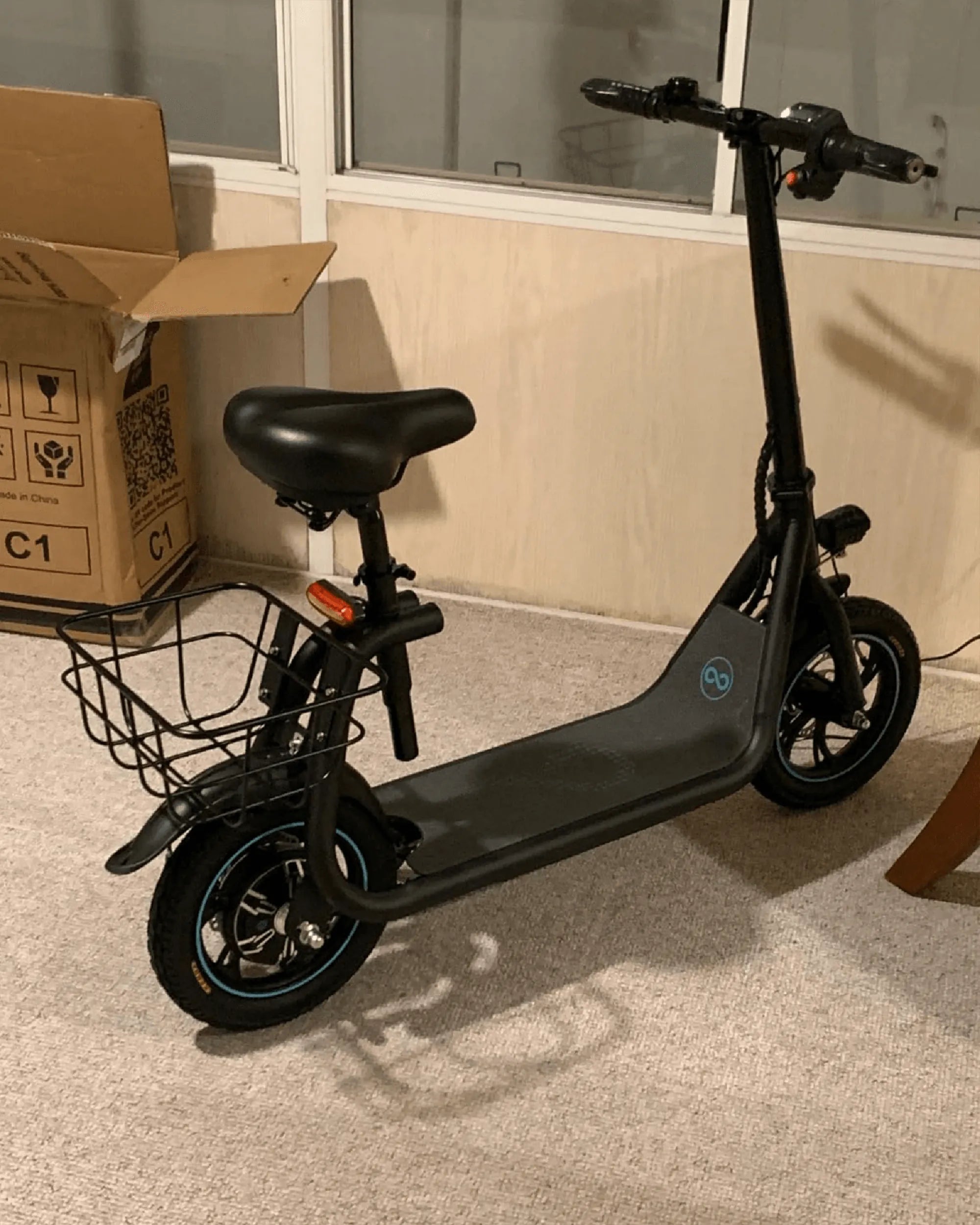
Electric bikes have surged in popularity as a sustainable and efficient mode of transportation. But one question lingers in the minds of potential buyers: what is the cost of an electric bike? The answer isn’t straightforward, as prices vary widely based on features, quality, and intended use. Whether you’re a commuter, an adventure seeker, or just looking for a greener way to get around, understanding the pricing landscape can help you make an informed decision.
Factors That Influence the Cost of an Electric Bike
The price of an electric bike depends on several key components. Here’s a breakdown of the most significant factors:
- Battery Quality and Capacity: Higher-capacity batteries with longer lifespans increase the cost.
- Motor Power: More powerful motors, especially mid-drive systems, come at a premium.
- Frame Material: Lightweight materials like carbon fiber are more expensive than aluminum or steel.
- Brand and Warranty: Reputable brands with extended warranties often charge more.
- Additional Features: Extras like suspension, smart displays, and integrated lighting add to the price.
Electric Bike Price Ranges
Electric bikes can be categorized into three general price tiers:
Budget-Friendly Options ($500 - $1,500)
These models are ideal for casual riders or those on a tight budget. They typically feature basic motors, smaller batteries, and simpler designs. While they may lack advanced features, they still provide a reliable electric biking experience.
Mid-Range Models ($1,500 - $3,500)
This tier offers a balance between performance and affordability. Expect better battery life, more powerful motors, and improved build quality. These bikes are suitable for daily commuting and moderate off-road use.
Premium Electric Bikes ($3,500 and Up)
High-end electric bikes boast top-tier components, cutting-edge technology, and superior durability. They’re designed for serious cyclists, long-distance riders, and those who demand the best performance.
Hidden Costs to Consider
Beyond the initial purchase, owning an electric bike involves additional expenses:
- Maintenance: Regular servicing, tire replacements, and brake adjustments add up over time.
- Accessories: Helmets, locks, racks, and panniers enhance safety and convenience but come at an extra cost.
- Insurance: Some riders opt for theft or damage coverage, especially for high-value models.
- Battery Replacement: Batteries degrade over time and may need replacement after a few years.
How to Get the Best Value for Your Money
To maximize your investment, consider these tips:
- Test Ride Before Buying: Ensure the bike fits your riding style and comfort needs.
- Compare Warranties: Longer warranties often indicate better build quality.
- Look for Sales and Discounts: Seasonal promotions can significantly reduce costs.
- Prioritize Essential Features: Avoid paying for unnecessary extras if they don’t align with your needs.
Electric bikes offer an eco-friendly, cost-effective alternative to traditional transportation. While the upfront cost may seem steep, the long-term savings on fuel, parking, and public transit can make them a smart financial choice. Whether you’re looking for a budget-friendly commuter or a high-performance ride, there’s an electric bike out there to match your needs and budget.
Electric Scooter Age Limit Korea: What You Need to Know Before Riding
3000W Electric Scooter Top Speed: How Fast Can It Really Go?