


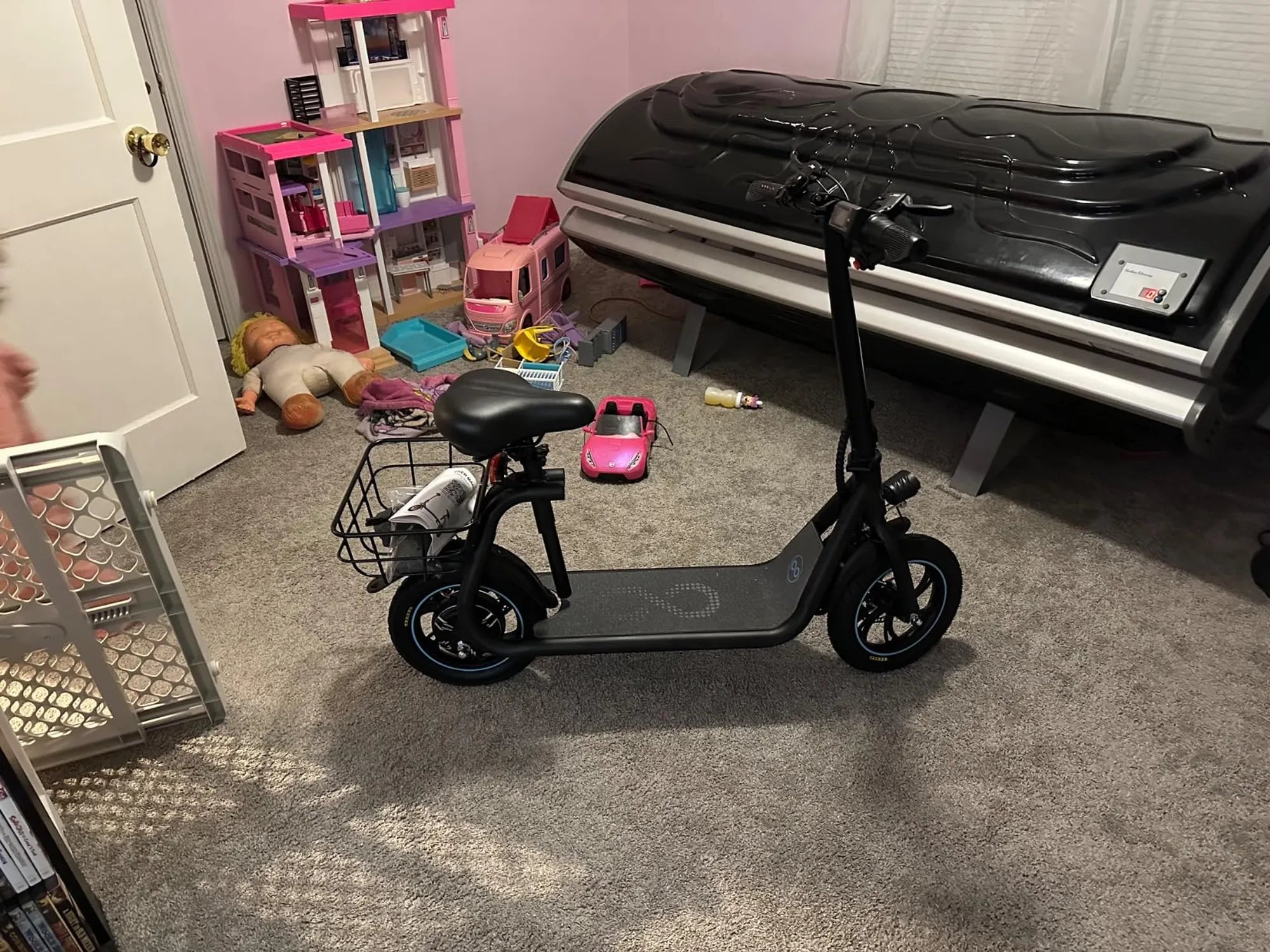
Electric scooters have surged in popularity as a convenient, eco-friendly mode of urban transportation. But how long can you expect your ride to last? The lifespan of an electric scooter depends on several critical factors, from battery health to maintenance habits. Let’s dive into what determines how many miles—or years—you’ll get out of your scooter.
Average Lifespan of an Electric Scooter
Most electric scooters last between 3 to 5 years with regular use, though high-end models can exceed this range. The total mileage typically falls between 5,000 to 10,000 miles, depending on usage patterns and care. However, this is just a general estimate—real-world longevity varies widely.
Key Factors Affecting Electric Scooter Lifespan
1. Battery Life and Degradation
The battery is the heart of an electric scooter, and its lifespan directly impacts the scooter’s overall longevity. Most lithium-ion batteries, the standard for modern scooters, last 300 to 500 charge cycles before significant degradation occurs. Proper charging habits, such as avoiding full discharges and extreme temperatures, can extend battery life.
2. Build Quality and Materials
Cheaper models often use lower-grade materials that wear out faster. High-quality scooters with reinforced frames, durable tires, and water-resistant components tend to last longer. Investing in a well-built scooter upfront can save money in the long run.
3. Riding Conditions
Rough terrain, frequent hill climbs, and exposure to harsh weather accelerate wear and tear. Smooth, flat surfaces and moderate climates are ideal for maximizing scooter lifespan.
4. Maintenance and Care
Regular maintenance—like checking tire pressure, cleaning the scooter, and tightening loose bolts—can prevent premature failures. Neglecting small issues often leads to costly repairs or early replacement.
How to Extend Your Electric Scooter’s Lifespan
1. Follow Proper Charging Practices
Avoid overcharging or letting the battery drain completely. Store the scooter at 40-80% charge if unused for extended periods.
2. Store It Correctly
Keep your scooter in a dry, temperature-controlled environment to protect the battery and electronics from moisture and extreme heat or cold.
3. Perform Routine Checks
Inspect brakes, tires, and lights regularly. Address unusual noises or performance drops immediately to prevent further damage.
4. Ride Responsibly
Avoid overloading the scooter or riding aggressively. Smooth acceleration and braking reduce stress on the motor and battery.
When Should You Replace Your Electric Scooter?
Signs it’s time for an upgrade include severely reduced battery range, frequent mechanical failures, or outdated safety features. If repair costs exceed the scooter’s value, replacement is often the smarter choice.
Your electric scooter’s lifespan isn’t set in stone—it’s shaped by how you use and care for it. With the right habits, you can squeeze every last mile out of your ride while staying safe and efficient. Ready to make your scooter last? Start today!
2000W 60V Electric Scooter for Sale: The Ultimate Urban Commuter
Can You Ride an Electric Scooter on the Sidewalk? The Ultimate Guide