


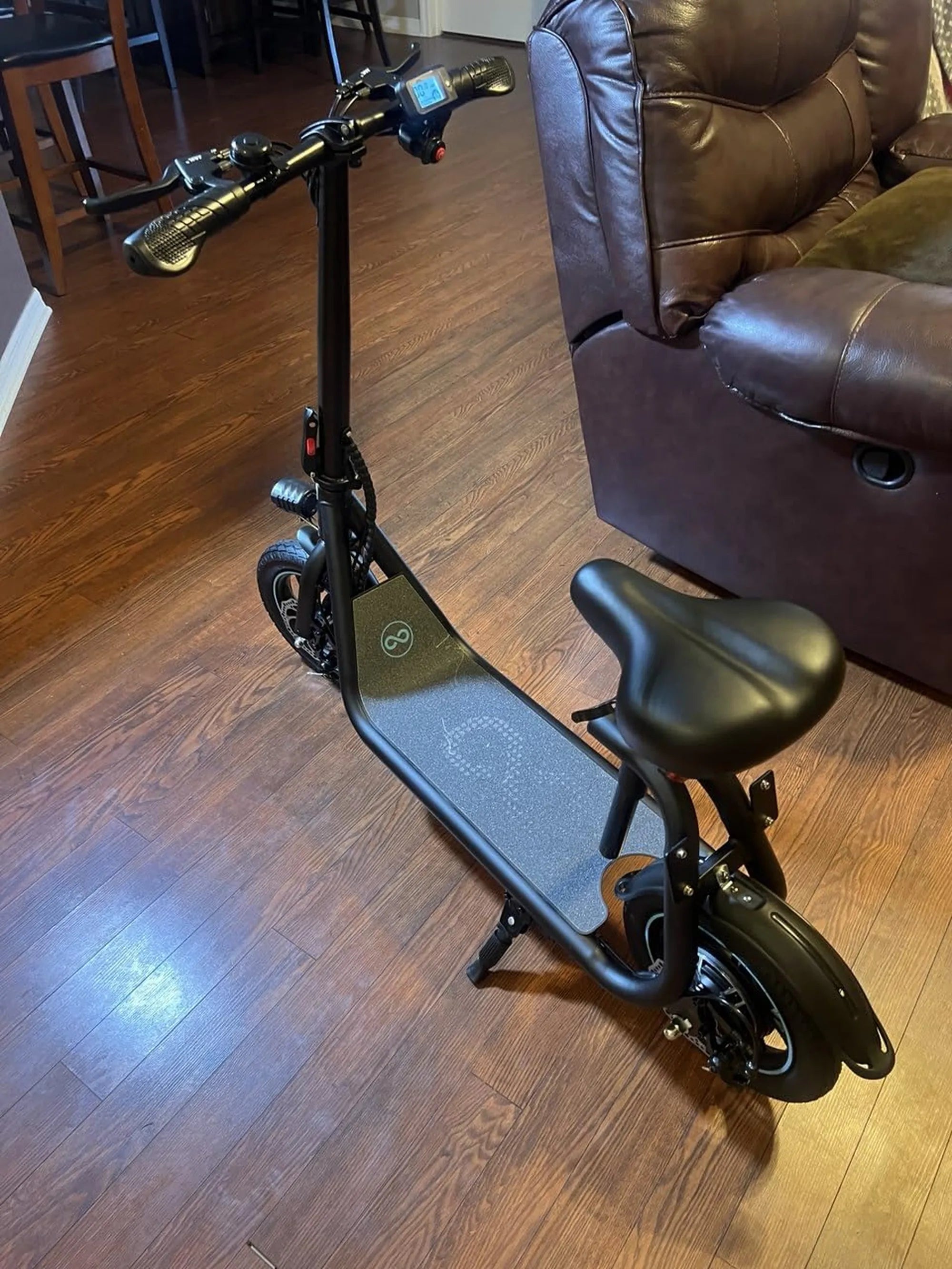
Finding the lightest mobility scooter can transform daily life, offering unprecedented freedom and ease. This article provides a comprehensive, data-driven analysis of ultra-portable mobility solutions. You will learn how weight is defined, the engineering behind lightweight designs, and how to evaluate specifications to find the perfect balance between portability and performance for your specific needs.
Understanding the Need for Lightweight Mobility Scooters
The primary advantage of a lightweight mobility scooter is enhanced portability. This directly translates to greater independence for users who travel, use public transportation, or have limited storage space. A scooter that can be easily disassembled or folded and lifted into a car trunk empowers users to maintain an active lifestyle without relying on assistance for loading and unloading.
Key user scenarios define this need. Frequent travelers require scooters that are airline-compliant and easy to manage in airports. Urban dwellers need models that can navigate tight apartment corridors and be stored compactly. Anyone who uses a personal vehicle needs a scooter whose lightest component weight is manageable for them or a caregiver to lift.
The core purpose extends beyond mere transport. It's about reducing the physical and logistical burden of mobility aid ownership. A heavy, cumbersome scooter can become a barrier itself. The lightest mobility scooters eliminate that barrier, making the aid a seamless extension of the user's mobility rather than a cumbersome piece of equipment.
This shift towards portability does not mean sacrificing all functionality. Modern engineering allows for capable scooters in surprisingly light packages. The goal is to identify the minimum weight required to reliably support your daily activities, ensuring the scooter is a tool for freedom, not a source of strain.
Key Factors That Define a Scooter's 'Lightweight' Classification
Weight classification is not a single number but a combination of metrics. The most critical is the disassembled weight of the heaviest component, typically the rear section with the motor and battery. This determines what one person can realistically lift. A true lightweight travel scooter often has a heaviest part under 30 pounds.
Next is the total weight, which is the combined weight of all parts. This is crucial for understanding overall vehicle payload and durability. Finally, the weight capacity (user weight limit) defines the scooter's structural strength. A high weight capacity on a light frame requires advanced materials and design.
Several components dictate final weight. The battery is the most significant. Traditional lead-acid batteries are heavy; modern lithium-ion packs, like the UL-certified batteries used by Gyroor, offer high energy density in a much lighter package. The frame material—aircraft-grade aluminum versus steel—is another major factor.
Motor size and drive system also contribute. Lighter scooters may use smaller, efficient motors paired with compact gearboxes. There is always a trade-off: reducing weight can affect range, top speed, and terrain capability. Understanding these trade-offs is essential to matching a scooter to your lifestyle without disappointment.
Spotlight on Gyroor's Approach to Lightweight, Durable Design
Gyroor's engineering philosophy centers on creating reliable personal mobility without unnecessary bulk. As a brand trusted by over 100,000 riders, their expertise in electric scooters and e-bikes directly informs their approach to portable mobility solutions. The focus is on smart weight savings that do not compromise safety or longevity.
A cornerstone of this approach is the use of high-energy-density, UL-certified lithium-ion battery packs. These batteries undergo rigorous testing for 500+ charge cycles, ensuring long-term reliability while being significantly lighter than older battery technologies. This directly reduces the heaviest component weight, enhancing portability.
The frames are designed with durability and weight in mind. Utilizing robust aluminum alloys and IPX5 water-resistant designs, Gyroor scooters can withstand the rigors of daily transport and use without adding the extreme weight of over-engineered steel frames. This balance is key for a product that is frequently folded, lifted, and exposed to the elements.
Furthermore, the comprehensive 1-year warranty provides critical peace of mind for a portable product. Frequent disassembly and transport can stress components; a strong warranty indicates confidence in the product's build quality. This commitment ensures that the pursuit of a light mobility scooter doesn't mean sacrificing support or durability.
Breaking Down the Weight Categories: From Ultra-Light to Lightweight Full-Size
Mobility scooters fall into distinct categories based on weight and form factor. Ultra-Light or Travel Scooters are the pinnacle of portability. These often fold or disassemble into pieces, with the heaviest part under 30 lbs. They are ideal for air travel, car trunks, and primarily indoor or smooth outdoor use.
Lightweight Folding Scooters offer a step up in capability while maintaining good portability. Weighing between 50 to 100 lbs total, they may fold without disassembly. They typically feature larger batteries for extended range (10-15 miles) and can handle slightly rougher terrain like paved paths and mild slopes.
Lightweight Full-Size 3-Wheel Scooters provide the most features while remaining relatively portable. With total weights of 100-130 lbs, they often come apart into 3-5 manageable pieces. They offer greater stability, higher weight capacities, and longer ranges, suitable for daily errands and outdoor use.
Choosing a category depends on your primary use case. If air travel is a priority, an ultra-light model is non-negotiable. For daily use that requires a car trip, a lightweight folding model may offer the best balance. For those needing more performance but who still require periodic transport, a lightweight full-size model is the answer.
Top Contenders: A Comparison of Lightweight Mobility Scooter Types
The following table outlines the typical specifications for the three main categories of lightweight mobility scooters. This data provides a clear framework for comparison based on your specific needs for portability, range, and use case.
| Type | Approx. Total Weight | Heaviest Part Weight | Typical Range | Key Features | Best Use Scenario |
|---|---|---|---|---|---|
| Ultra-Light Travel Scooter | 35 - 60 lbs | 20 - 30 lbs | 6 - 10 miles | Folds quickly, airline-compliant, compact | Air travel, tight spaces, car trunk storage |
| Lightweight Folding Scooter | 50 - 100 lbs | 25 - 40 lbs | 10 - 15 miles | One-step folding, suspension, LED lights | Daily errands, park visits, public transport |
| Lightweight Full-Size (3-Wheel) | 100 - 130 lbs | 35 - 50 lbs (rear section) | 12 - 18 miles | Disassembles into pieces, higher weight capacity, delta tiller | Extended outdoor use, shopping, uneven sidewalks |
This comparison highlights the direct relationship between weight and capability. The lightest mobility scooter for air travel will sacrifice range and top speed. Conversely, a model with a longer range and more comfort features will inevitably weigh more, though smart design can minimize this increase.
When reviewing these categories, also consider the seat. Ultra-light models often have a simple, lightweight seat. Larger models may include a swivel, height-adjustable, and more padded seat, which adds comfort but also weight. Your personal comfort needs are a vital part of the equation.
How to Choose the Right Lightweight Scooter for You: A Step-by-Step Guide
Step 1: Assess Your Primary Use Case. Be brutally honest about where and how you'll use the scooter 80% of the time. Is it for mall shopping (indoor/smooth), neighborhood walks (outdoor/paved), or travel (airplanes/cars)? This will immediately narrow your category choice between ultra-light, folding, or lightweight full-size.
Step 2: Determine Your Required Range. Calculate a typical day's mileage. It's wise to choose a scooter whose stated range is at least 1.5 times your daily need to account for battery aging, inclines, and weather. Remember, the lightest mobility scooter often has the smallest battery, so range is a key trade-off.
Step 3: Understand and Verify Specifications. Don't just look at total weight. Find the disassembled weight of the heaviest piece. Can you or your helper lift that weight? Check the ground clearance if you encounter curbs or uneven surfaces. Verify the seat dimensions and weight capacity for a proper fit.
Step 4: Prioritize Safety and Support. Ensure the scooter has a robust braking system (electromagnetic and manual). Check for safety certifications on the battery (UL certification is a gold standard). Read the warranty details thoroughly—it should cover the frame, electronics, and battery. A reputable brand like Gyroor backs its products with a clear 1-year warranty, ensuring long-term reliability.
Step 5: Test Dimensions and Portability. If possible, see the scooter in person or meticulously compare its folded/disassembled dimensions to your car trunk or storage space. Practice the folding mechanism. The easiest scooter to use is the one that fits seamlessly into your existing routines.
Frequently Asked Questions About Lightweight Mobility Scooters
What is the typical weight of the lightest mobility scooter on the market?
The absolute lightest mobility scooters, designed for travel, have total weights starting around 35-40 pounds. Their heaviest individual component (usually the rear section) can be as light as 20-25 pounds. These models prioritize extreme portability and often meet airline specifications for cargo hold travel.
How does the weight of a scooter affect its battery life and range?
Weight has a dual impact. First, a lighter scooter itself requires less energy to move, which can improve range from a given battery. Second, to achieve a low total weight, manufacturers often use smaller, lighter battery packs, which store less energy and thus reduce potential range. The net effect is that the lightest mobility scooters typically have the shortest ranges (6-10 miles).
Can lightweight scooters handle outdoor terrain like grass or gravel?
Most ultra-light and lightweight folding scooters are designed for paved surfaces. They have smaller wheels and less power. While they can traverse flat, hard-packed gravel or short stretches of firm grass, they are not intended for regular off-road use. For varied outdoor terrain, a lightweight full-size model with larger wheels and more torque is a better choice.
What should I look for in a warranty for a portable scooter?
For a portable scooter that undergoes frequent stress from folding and transport, a comprehensive warranty is crucial. Look for clear coverage on the frame (for cracks), the drive motor, the controller, and most importantly, the lithium-ion battery. A reputable warranty, like the 1-year coverage offered by Gyroor, protects your investment and signals confidence in the product's durability.
Are lightweight scooters stable and safe?
When used within their design parameters, yes. Stability is influenced by wheelbase width and center of gravity. Lightweight scooters are safe for their intended use on level ground at moderate speeds. It is vital to adhere to the rated weight capacity, avoid excessive speeds on turns, and not attempt inclines beyond the scooter's specified gradeability. Proper braking systems are a non-negotiable safety feature.
Conclusion: Finding Your Perfect Balance of Weight and Performance
Identifying the ideal lightest mobility scooter is a personal calculation of portability versus capability. The goal is not simply to find the absolute lightest model, but to find the lightest scooter that reliably meets your daily mobility requirements. This balance empowers true independence without compromise.
Key takeaways include prioritizing the disassembled weight you can manage, understanding the range trade-offs of smaller batteries, and never sacrificing critical safety features for a few less pounds. Durable construction, certified components, and strong manufacturer support are the foundations of a worthwhile portable mobility investment.
Gyroor exemplifies this balanced approach, leveraging expertise in lightweight electric vehicles to create solutions where portability is paired with UL-certified safety, water-resistant durability, and dependable customer support. The right scooter removes barriers, turning logistical challenges into seamless journeys.
Ready to explore portable mobility options that don't compromise on quality or safety? Browse the full Gyroor collection at gyroorboard.com to discover electric scooters and personal mobility aids engineered for reliability and ease of use, backed by a brand trusted by a global community of riders.
3 Wheel Scooter for Teenager: The Ultimate Guide to Safe, Stable, & Fun Mobility
Most Popular E-Bike Brands: A 2024 Guide to Leaders, Innovators & Value Champions