


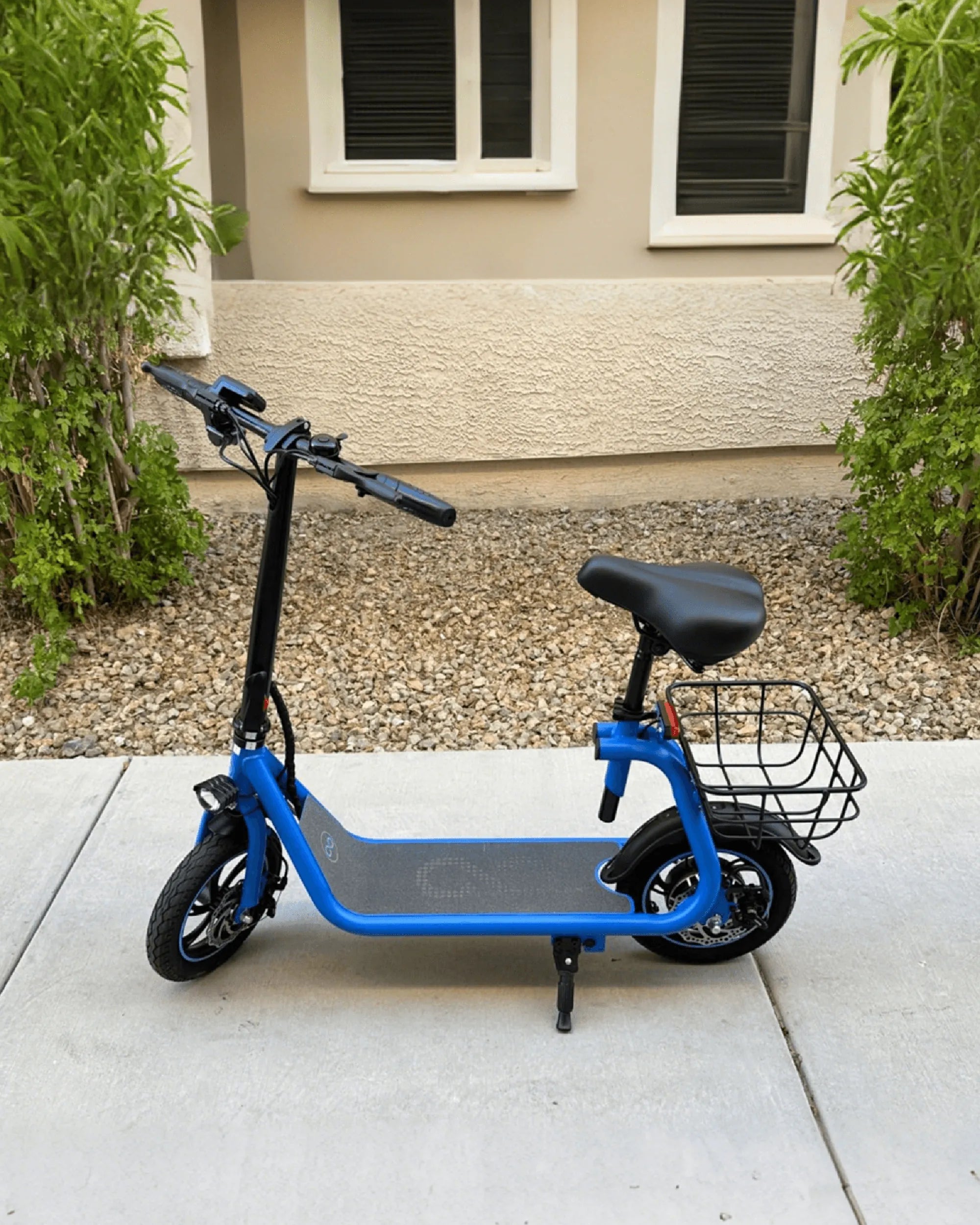
Electric bikes have revolutionized personal transportation, offering an eco-friendly and efficient way to commute, exercise, or simply enjoy the ride. One of the most common questions among enthusiasts and potential buyers is: what is the maximum speed of an electric bike? The answer isn’t as straightforward as you might think, as it depends on a variety of factors, including legal regulations, motor power, battery capacity, and terrain. Let’s dive into the details to uncover the truth behind e-bike speed limits.
Legal Speed Limits for Electric Bikes
Before exploring the technical aspects, it’s crucial to understand the legal framework governing electric bikes. In many countries, e-bikes are classified based on their maximum assisted speed:
- Class 1: Pedal-assist only, with a top speed of 20 mph (32 km/h).
- Class 2: Throttle-assisted, also capped at 20 mph (32 km/h).
- Class 3: Pedal-assist with a higher limit of 28 mph (45 km/h).
These classifications ensure safety and consistency, but some riders modify their e-bikes to exceed these limits, which may void warranties or violate local laws.
Factors Influencing Electric Bike Speed
The maximum speed of an electric bike isn’t just about legal restrictions—it’s also shaped by engineering and environmental factors:
Motor Power and Efficiency
The wattage of an e-bike’s motor plays a significant role in determining its top speed. Most consumer e-bikes range from 250W to 750W, with higher wattage generally enabling faster acceleration and higher speeds. However, efficiency matters just as much as raw power. A well-designed motor can deliver better performance even at lower wattages.
Battery Capacity and Voltage
A high-capacity battery ensures sustained power delivery, while voltage affects the motor’s responsiveness. For example, a 48V system will typically outperform a 36V one, assuming similar motor specifications. Battery health also impacts speed—older or poorly maintained batteries may struggle to maintain peak performance.
Weight and Aerodynamics
Rider weight, cargo, and bike design all influence speed. Heavier loads require more energy to move, while aerodynamic frames and riding positions can reduce drag, allowing for higher speeds with less effort.
Terrain and Riding Conditions
Flat, smooth surfaces are ideal for achieving maximum speed, while hills, rough terrain, or headwinds can significantly reduce it. Tire type and pressure also play a role, with slick, well-inflated tires offering less rolling resistance.
Pushing the Limits: High-Speed Electric Bikes
For those seeking thrill beyond standard limits, some e-bikes are designed for extreme speeds. These models often feature:
- Powerful motors (1,000W or more).
- High-voltage battery systems (52V or higher).
- Reinforced frames and advanced suspension.
However, such bikes may not be street-legal in many areas and could require special licensing or insurance.
Safety Considerations at High Speeds
Riding at higher speeds increases the risk of accidents, making safety gear and proper handling essential. Always wear a helmet, use reflective clothing, and ensure your bike’s brakes and tires are in top condition. Familiarize yourself with local laws to avoid fines or legal issues.
Whether you’re a daily commuter or a speed enthusiast, understanding the maximum speed of an electric bike helps you make informed choices. From legal limits to performance tweaks, every factor shapes your ride—so choose wisely and ride safely!
Can You Leave an Electric Bike in the Rain? Essential Tips for Weather Protection
Electric Bike With Removable Battery for Charging: The Future of Urban Commuting