


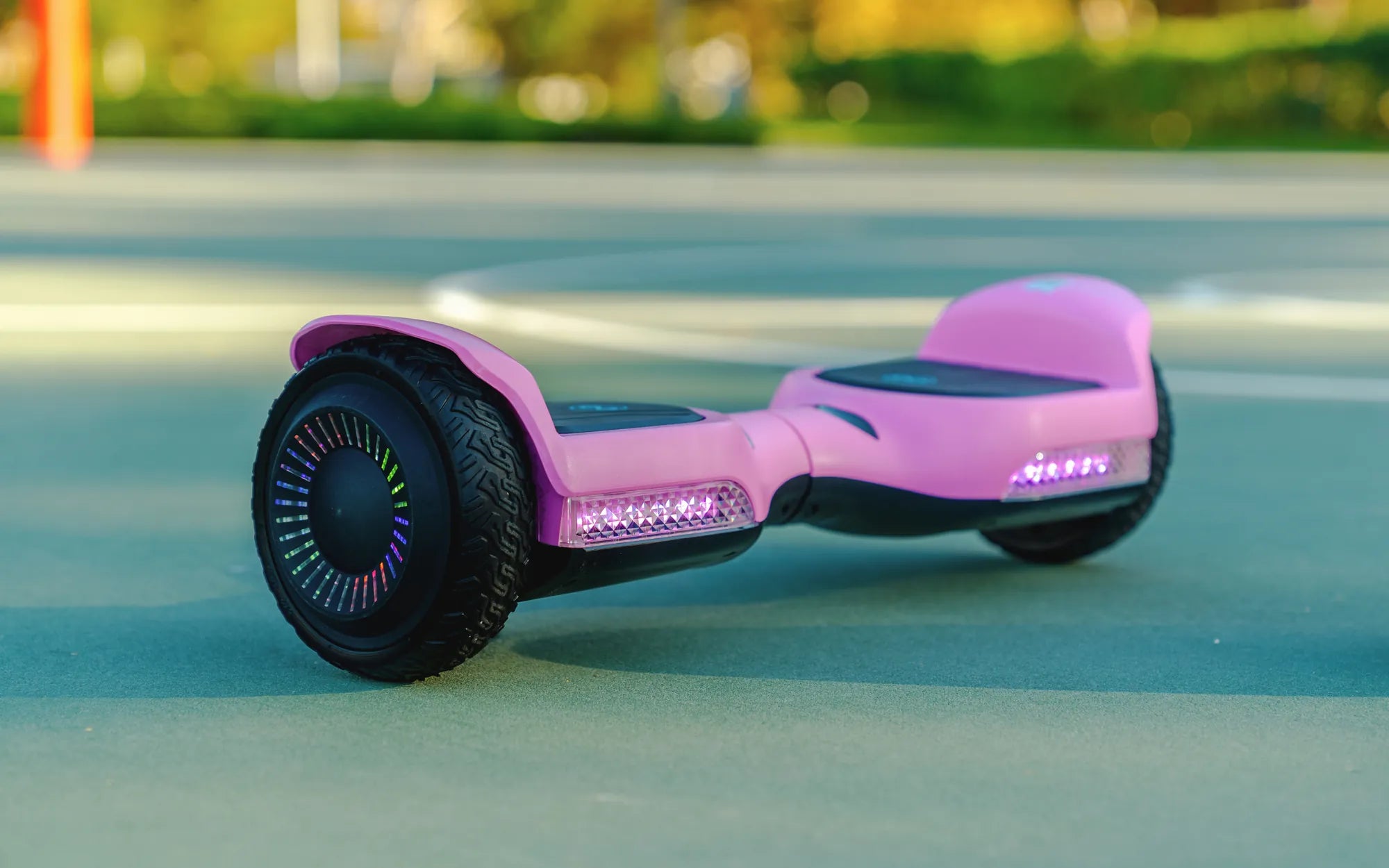
Hoverboards are a fun and convenient way to get around, but what happens when you lose or damage your original charger? Finding a compatible replacement is crucial to avoid damaging your device or compromising safety. In this guide, we’ll explore what other chargers you can use for a hoverboard and how to choose the right one.
Understanding Hoverboard Charger Specifications
Before using an alternative charger, it’s essential to understand the specifications of your hoverboard’s original charger. Most hoverboards require a charger with the following:
- Voltage: Typically 42V (for standard models) or 36V (for smaller or older models).
- Amperage: Usually between 1.5A and 2A.
- Connector Type: A barrel plug (common sizes include 5.5mm x 2.1mm or 5.5mm x 2.5mm).
Using a charger with mismatched voltage or amperage can lead to overheating, battery damage, or even fire hazards. Always check the label on your original charger or the hoverboard’s manual for exact specifications.
Compatible Charger Alternatives
If you need a replacement charger, here are some safe alternatives:
1. Universal Laptop Chargers with Adjustable Voltage
Some universal laptop chargers come with adjustable voltage settings and interchangeable tips. If you find one that matches your hoverboard’s voltage and connector size, it could work as a temporary solution. However, ensure the amperage is within the recommended range.
2. Power Adapters for Other Devices
Certain power adapters for electronics like printers or monitors may have compatible voltage and connector sizes. Always double-check the output specifications before use.
3. Third-Party Hoverboard Chargers
Many manufacturers produce chargers specifically designed for hoverboards. Look for ones that list compatibility with your model and meet the required voltage and amperage.
What to Avoid When Choosing a Replacement Charger
Not all chargers are safe for hoverboards. Avoid the following:
- Chargers with Higher Voltage: Excess voltage can overheat the battery and cause permanent damage.
- Chargers with Lower Amperage: While it may charge the hoverboard, it will take much longer and may not fully charge the battery.
- Cheap, Unbranded Chargers: Poor-quality chargers may lack safety features like overcharge protection.
How to Safely Use an Alternative Charger
If you’ve found a compatible charger, follow these steps to ensure safe charging:
- Verify the voltage and amperage match the original charger.
- Check the connector size and ensure it fits snugly.
- Monitor the hoverboard while charging for any signs of overheating.
- Unplug the charger once the hoverboard is fully charged to prevent overcharging.
Final Thoughts on Hoverboard Charger Alternatives
While it’s possible to use other chargers for your hoverboard, safety should always come first. Always prioritize chargers with the correct specifications and avoid risky substitutes. With the right charger, you can keep your hoverboard running smoothly and safely for years to come.
72V Battery for Electric Scooter: The Ultimate Guide to Power and Performance
Hoverboard Won't Turn On Without Charger: Causes and Solutions