



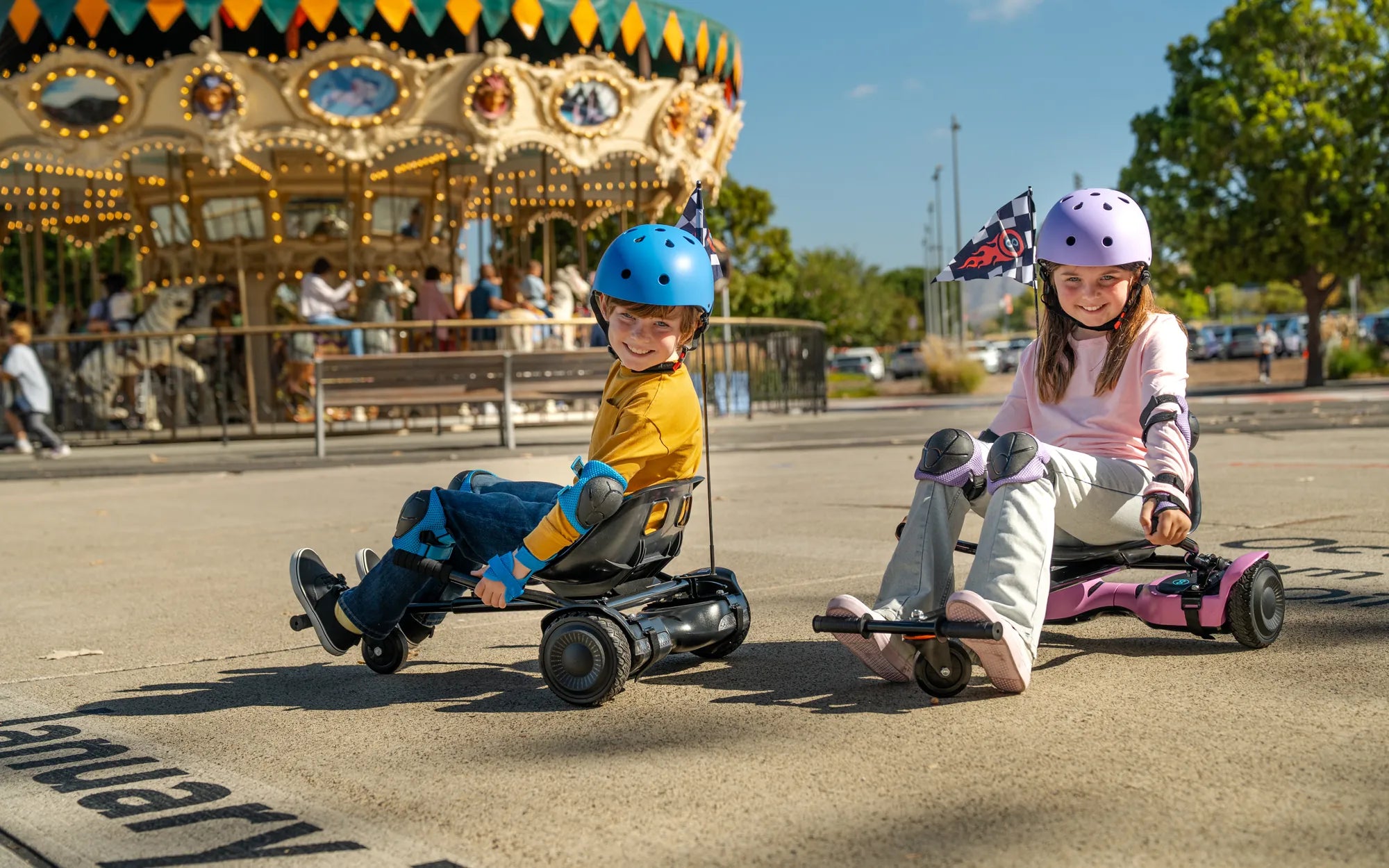
Imagine gliding effortlessly above the ground, defying gravity like a character straight out of a sci-fi movie. That's the promise hoverboards have held since they first captured our collective imagination. But when did this futuristic vision become reality? Let's dive into the fascinating history behind one of the most iconic personal transportation devices of the 21st century.
The Concept That Predated the Technology
Long before functional hoverboards existed, the concept had already taken root in popular culture. The idea of a levitating board first appeared in science fiction, most notably in the 1989 film Back to the Future Part II, where Marty McFly famously rode a hoverboard to escape bullies in the fictional year 2015. This cinematic moment created such a powerful cultural imprint that many people mistakenly believe hoverboards were invented that year.
Early Attempts at Levitation Technology
The journey toward real hoverboards began with various experiments in magnetic levitation and air cushion technology. Throughout the 1990s and early 2000s, researchers and hobbyists attempted to create small-scale prototypes using powerful magnets and compressed air. These early versions were typically large, impractical, and required specialized surfaces to function.
The Breakthrough Year: 2015
Ironically, the year predicted by Back to the Future did indeed mark significant progress in hoverboard technology. In 2015, several companies introduced the first commercially available self-balancing scooters that the public began calling "hoverboards," despite their lack of actual hovering capability. These devices used gyroscopic sensors and electric motors to create a hands-free riding experience that captured the spirit of the fictional hoverboard.
True Hovering Technology Emerges
The first genuine hoverboards capable of actual levitation began appearing in prototype form around 2014-2015. These advanced devices used powerful electromagnets or air propulsion to achieve limited hovering above specially prepared surfaces. By 2018, more sophisticated models could hover several inches off the ground for extended periods, though they remained expensive and impractical for everyday use.
Technological Challenges and Future Possibilities
Creating a practical hoverboard faces significant physics challenges. The energy requirements for sustained magnetic levitation are substantial, and creating a device that works on ordinary surfaces remains difficult. Current research focuses on superconducting materials and improved propulsion systems that might one day make truly versatile hoverboards a reality.
Cultural Impact and Legacy
From viral videos to safety concerns, hoverboards have made a lasting mark on popular culture. They've inspired new forms of personal transportation and sparked debates about urban mobility. While the technology continues to evolve, the hoverboard's journey from science fiction to reality demonstrates how cultural imagination can drive technological innovation.
The dream of effortless levitation isn't going anywhere. As technology advances, we're getting closer to the hoverboards of our childhood fantasies. Who knows? The next decade might finally bring us the floating skateboards we've been promised since the 1980s - and they'll probably be even cooler than we imagined.
Are Hoverboards Safe Now? A Comprehensive Look at Modern Safety Standards
Best Hoverboards for Sale: Top Picks and Buying Guide