

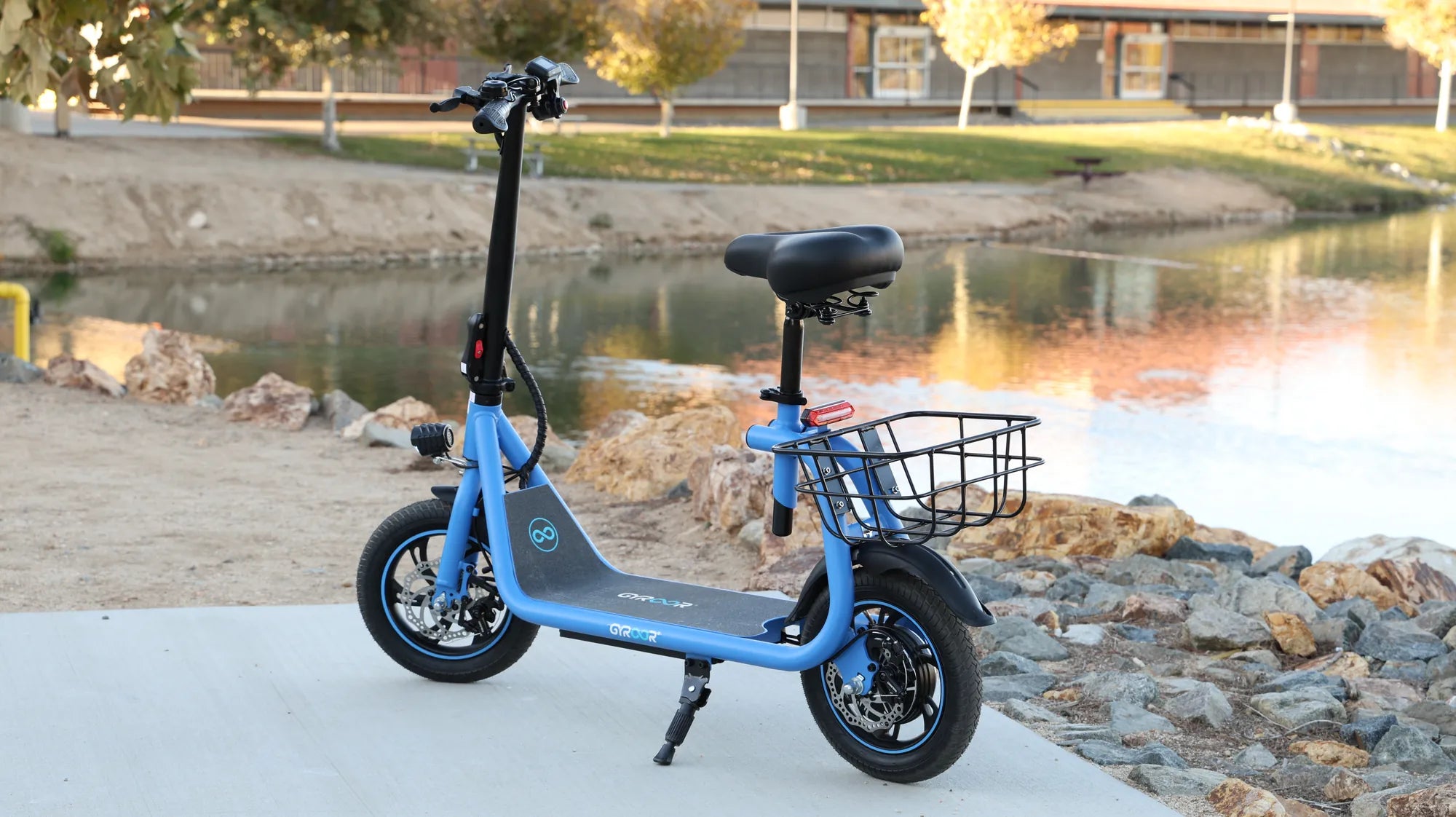
When it comes to eco-friendly personal transportation, the debate between ebikes and escooters is hotter than ever. Both offer convenience, efficiency, and a greener alternative to traditional vehicles, but which one is right for you? Let’s dive into the details to help you make an informed decision.
Speed and Performance
Ebikes generally offer higher top speeds compared to escooters, especially when pedaling is combined with electric assistance. Most ebikes can reach speeds of 20-28 mph, while escooters typically max out at 15-20 mph. If you’re looking for a faster commute, an ebike might be the better choice.
Range and Battery Life
Ebikes often have a longer range due to their larger battery capacity. On a single charge, an ebike can travel 30-60 miles, whereas escooters usually cover 15-30 miles. However, escooters are lighter and more portable, making them easier to charge on the go.
Portability and Storage
Escooters shine when it comes to portability. They are lightweight, foldable, and easy to carry on public transport or store in small spaces. Ebikes, on the other hand, are bulkier and require more storage space, which can be a drawback for urban dwellers with limited room.
Comfort and Riding Experience
Ebikes provide a more comfortable ride, especially for longer distances. With their ergonomic design and padded seats, they’re ideal for commuting or leisurely rides. Escooters, while fun and nimble, can be less comfortable over rough terrain or extended periods.
Cost and Maintenance
Ebikes tend to be more expensive upfront, but they often require less maintenance than escooters. Escooters, while cheaper initially, may need frequent repairs due to their smaller wheels and exposed components. Consider your budget and long-term costs before making a decision.
Safety Considerations
Both ebikes and escooters come with safety risks, but ebikes are generally more stable due to their larger wheels and lower center of gravity. Escooters, with their smaller wheels, are more prone to accidents on uneven surfaces. Always wear a helmet and follow local traffic laws regardless of your choice.
Environmental Impact
Both options are eco-friendly, but ebikes have a slight edge. Their larger batteries and longer lifespan mean fewer replacements and less waste over time. Escooters, while still green, often have shorter lifespans and higher turnover rates.
Legal Regulations
Laws vary by location, but ebikes are often subject to fewer restrictions than escooters. Some cities ban escooters from sidewalks or require special permits, while ebikes are typically treated like traditional bicycles. Check your local regulations before purchasing either.
Versatility and Terrain
Ebikes are more versatile, handling a variety of terrains from city streets to off-road trails. Escooters are best suited for smooth, paved surfaces and may struggle with bumps or hills. Think about where you’ll be riding most often.
Final Thoughts
Whether you choose an ebike or an escooter depends on your specific needs and lifestyle. If you prioritize speed, comfort, and versatility, an ebike is likely the better option. But if portability and convenience are your top concerns, an escooter might be the way to go. Whichever you choose, you’ll be making a smart, sustainable choice for your daily commute.
Escooter in Paris: The Ultimate Guide to Navigating the City of Lights
E7 Escooter: The Ultimate Guide to Choosing the Perfect Electric Scooter