


Choosing the best hoverboard requires moving beyond flashy ads and understanding the core specifications that define safety, performance, and durability. This guide provides a data-driven framework to help you navigate the market, prioritize essential features, and select a model that perfectly matches your riding goals. You will learn to decode safety certifications, evaluate true performance metrics, and identify the brands that back their products with reliable engineering and support.
Navigating the Modern Hoverboard Market
The hoverboard has evolved from a novelty gadget into a legitimate category of personal electric transportation. Today's models are engineered for daily commutes, off-road adventures, and family fun. The market, however, remains fragmented with significant quality disparities.
Identifying the best hoverboard means focusing on verified safety standards and proven performance data. It is no longer just about who has the flashiest lights. Riders must consider motor power, battery chemistry, and build quality as foundational elements.
This shift demands a more informed purchasing approach. Understanding specifications like watt-hours (Wh) for range and IP ratings for water resistance is now crucial. The goal is to find a reliable machine that delivers consistent performance over hundreds of charge cycles.
Our comprehensive analysis will dissect every critical factor. We will translate technical jargon into practical buying advice. This ensures you invest in a hoverboard that is safe, durable, and perfectly suited to your lifestyle.
Key Factors to Consider Before Buying a Hoverboard
Your purchasing decision should be anchored in a few non-negotiable criteria. These factors directly impact safety, usability, and long-term satisfaction. Ignoring them can lead to premature failure or, worse, safety hazards.
Performance specs must align with your intended use. A model perfect for smooth pavements may struggle on grassy park paths. Similarly, a board with a 150 lb weight limit is unsuitable for a 180 lb rider.
Build quality determines how well the hoverboard withstands daily wear and tear. Components like wheel bearings, frame material, and electronic enclosures define its lifespan. A robust build protects your investment.
We will break down each factor with clear benchmarks. This creates a checklist you can use to compare any model on the market. Let's start with the most critical element: safety certification.
Safety First: UL 2272 Certification and Battery Quality
The UL 2272 certification is the absolute baseline for hoverboard safety. Developed by Underwriters Laboratories, this standard rigorously tests the entire electrical system for fire and electrical shock hazards. A hoverboard without this certification poses a significant risk and should be avoided entirely.
This certification specifically evaluates the battery management system (BMS), wiring, and charger compatibility. It ensures the lithium-ion battery cells are balanced and protected from overcharging, short-circuiting, and overheating. The infamous incidents of several years ago were directly linked to uncertified, poorly manufactured batteries.
Beyond the certification, battery quality matters. Reputable brands use name-brand, UL-certified battery cells from manufacturers like LG or Samsung. These cells undergo stringent quality control and are assembled into packs with robust BMS technology. For instance, Gyroor utilizes UL-certified battery packs tested for over 500 charge cycles, ensuring long-term reliability and peace of mind.
Always verify the UL 2272 mark on the product itself and its packaging. Do not rely solely on seller claims. This single factor is the most important answer to the question, "Whats the best hoverboard?" – it is, first and foremost, a safe one.
Performance Specs: Speed, Range, and Terrain Capability
Performance is defined by a triad of metrics: speed, range, and climbing ability. These are dictated by the motor's dual-wattage rating and the battery's capacity measured in watt-hours (Wh).
Typical commuter hoverboards offer speeds between 7 and 10 mph. Off-road models may reach 12 mph. Range varies widely from 6 to 15 miles per charge, heavily dependent on rider weight, terrain, and speed. A larger Wh rating generally indicates a longer potential range.
Motor power, expressed as dual motors (e.g., 350W x 2), determines torque. For flat, urban sidewalks, 250W x 2 motors are sufficient. For hills, grass, or uneven terrain, 350W x 2 or higher is recommended. The motor's wattage directly influences the board's ability to climb gradients, typically up to a 15-30 degree incline for powerful models.
Terrain capability is also a function of wheel size and material. Larger, air-filled tires (8.5" or 10") provide better shock absorption and traction on rough surfaces. Solid rubber tires (6.5" or 8") are low-maintenance and ideal for smooth pavement.
Build Quality and Design: IP Ratings, Weight Capacity, and Wheels
Durability is engineered into the product through its IP (Ingress Protection) rating, frame construction, and component selection. An IP rating indicates resistance to dust and water. For hoverboards, an IPX4 rating protects against splashes from any direction, while an IPX5 rating can withstand low-pressure water jets, making it safe to ride through puddles.
Weight capacity is not a suggestion but a structural limit. Exceeding it stresses the frame, motors, and battery, leading to accelerated wear and potential failure. Most adult models support 220-265 lbs. Always choose a board with a capacity at least 20-30 lbs above your weight.
Wheel design impacts ride comfort and stability. Larger wheels (8.5"+) roll over cracks and small obstacles more easily. All-terrain models feature knobby, air-filled tires for maximum grip. The wheel hub material, typically aluminum alloy, should feel solid and well-finished to ensure smooth bearing operation.
Hoverboard Types and Their Ideal Riders
The market segments into distinct categories based on primary use case. Matching the hoverboard type to your riding environment is key to satisfaction. A commuter board will frustrate an off-road enthusiast, and vice-versa.
Understanding these categories helps narrow your search dramatically. Each type optimizes different features, from tire tread to motor torque. Your lifestyle and typical routes should guide this choice.
We will define three primary categories: urban commuter, all-terrain, and beginner-focused models. Each serves a specific purpose and rider profile. This segmentation is central to determining whats the best hoverboard for your individual needs.
Commuter & Urban Models: Efficiency for City Streets
Designed for pavement, these models prioritize portability, sleek design, and a smooth, quiet ride. They typically feature solid rubber tires (6.5" to 8") for low rolling resistance and minimal maintenance. Their focus is on efficiency for short-to-medium distance travel.
Key features often include integrated carry handles, brighter LED headlights and taillights for urban visibility, and sometimes built-in Bluetooth speakers. Range is critical; look for models boasting 10+ miles to accommodate round-trip commutes without range anxiety.
They are usually lighter than all-terrain models, making them easier to carry up stairs or onto public transit. Motor power is sufficient for city hills but not intended for rugged landscapes. For the urban dweller needing last-mile transportation, this is often the optimal category.
Off-Road & All-Terrain Hoverboards: Adventure Ready
These are the SUVs of the hoverboard world. Built with larger, knobby air-filled tires (usually 10"), they provide superior traction and shock absorption on grass, dirt, gravel, and uneven paths. They are essential for riders who want to explore beyond the sidewalk.
They are equipped with high-torque dual motors, often 350W x 2 or higher, to power through rough terrain and steeper inclines. The frame is more robust, and the ride height is increased to clear obstacles. This makes them heavier and less portable than urban models.
Many feature enhanced suspension systems within the wheels or frame to dampen vibrations. Water resistance is also more critical; an IPX5 rating is highly recommended for all-terrain use where puddles and wet grass are common. Brands like Gyroor engineer their off-road models with these exact durability requirements in mind.
Beginner and Youth Models: Safety and Stability Focus
Designed for new riders and younger users, these models emphasize control and safety. They often include a beginner or training mode that limits speed to 4-6 mph, allowing the rider to build confidence gradually. Robust rubber bumpers surround the shell to protect against learning-curve bumps and scrapes.
They tend to have a slightly wider deck for better foot placement and stability. While they may have fun LED lights and speakers, the core engineering is about delivering a predictable, forgiving ride. Parental controls via a companion app are a valuable feature in this category.
Weight limits are appropriately lower, and the overall size may be more compact. The key is finding a model that doesn't sacrifice essential safety (UL 2272 certification is non-negotiable here too) for kid-friendly colors or themes.
Advanced Features and Connectivity
Once core safety and performance are assured, advanced features enhance convenience, customization, and enjoyment. These are not mere gimmicks when implemented well; they integrate the hoverboard into your digital lifestyle.
App connectivity has become a standard premium feature. A well-designed companion app transforms your smartphone into a dashboard and control center. It allows for real-time monitoring and adjustment of the ride experience.
Lighting and audio systems also contribute to both safety and personalization. Functional lighting makes you visible to others, while ambient lights add style. Understanding the utility of these features helps you decide which are worth the investment for your use case.
App Connectivity and Smart Features
A dedicated smartphone app typically connects via Bluetooth. Core functions include battery level monitoring with voltage readouts, speedometer and odometer tracking, and adjustable speed modes (e.g., beginner, intermediate, advanced). Some apps allow for customizing the sensitivity of the gyroscopic sensors for a more responsive or relaxed ride feel.
Advanced smart features may include an anti-theft alarm that triggers if the board is moved while locked via the app. Some models offer firmware updates through the app, improving performance or adding features over time. This extends the product's lifespan and functionality.
When evaluating this feature, check app store reviews for stability and functionality. A buggy app can render these smart features useless. A reliable app, however, adds significant value and control.
LED Lighting and Audio Systems
LED lighting serves dual purposes. Bright, forward-facing headlights and rear brake lights are critical safety features for low-light riding. Simultaneously, customizable ambient LED strips along the wheel rims or deck provide visibility from the side and allow for personal expression.
Built-in Bluetooth speakers let you play music from your phone directly through the hoverboard. While audio quality is not typically hi-fi, it adds a fun element to recreational rides. Consider whether this is a priority, as it can impact battery life slightly.
Look for models where the primary headlight is adequately bright (measured in lumens if possible) and well-positioned. Safety lighting should never be an afterthought. For brands focused on a complete package, like Gyroor, integrated, high-visibility lighting is a standard part of the design philosophy.
Brand Trust, Warranty, and Post-Purchase Support
The manufacturer's reputation is a proxy for product quality and customer service. A reputable brand stands behind its engineering with clear warranties and accessible support. This is a critical differentiator in a market with many fly-by-night sellers.
A strong warranty is a sign of confidence. It indicates the company expects its product to perform reliably for a specified period. The terms and duration of the warranty reveal much about what the company values.
Post-purchase support includes access to replacement parts, repair services, and knowledgeable customer service. The availability of official parts is crucial for long-term maintenance. This section will underscore why these factors are integral to answering whats the best hoverboard – it's one from a company that supports you after the sale.
The Importance of a Comprehensive Warranty
A robust warranty typically covers defects in materials and workmanship for a specific period, often 6 months to 1 year for the main unit, with a separate warranty for the battery (e.g., 6 months). The best warranties are straightforward and honor claims without excessive hassle.
Read the warranty terms carefully. Understand what is excluded (e.g., water damage not covered by the IP rating, wear-and-tear items like tires). A company offering a 1-year comprehensive warranty, like Gyroor, demonstrates a commitment to product durability and customer satisfaction.
The warranty also informs you about the company's longevity. A company planning to be in business for years will invest in warranty service. This protection is part of the product's total value and should factor into your buying decision.
Why Gyroor Stands Out in a Crowded Market
Gyroor has established itself as a leader in personal electric transport by adhering to the high standards discussed in this guide. With a trusted customer base of over 100,000 riders in North America and Europe, their focus is on certified safety and reliable performance.
Every Gyroor hoverboard is built around a UL 2272 certified system, utilizing UL-certified battery packs for proven safety. Their models feature IPX5 water-resistant designs, making them suitable for real-world conditions. This combination directly addresses the primary safety and durability concerns of modern riders.
Backed by a reliable 1-year warranty and strong customer support, Gyroor products are engineered for long-term use. Whether for urban commuting on their sleek models or off-road exploration on their all-terrain variants, the brand aligns its specifications with specific rider needs, delivering a trustworthy answer for consumers wondering whats the best hoverboard for their money.
Hoverboard Comparison: Key Models and Specs
The following table provides a snapshot comparison of hypothetical hoverboard types based on common specifications. Use it as a reference framework when evaluating specific models from any brand.
| Model Type | Ideal For | Typical Motor | Wheel Type | Key Features | IP Rating |
|---|---|---|---|---|---|
| Urban Commuter | Pavement, short trips | 250W x 2 | 6.5"-8" Solid Rubber | Sleek, lightweight, LED lights | IPX4 |
| All-Terrain | Grass, dirt, trails | 350W x 2+ | 10" Air-Filled Knobby | High torque, suspension, robust frame | IPX5 |
| Beginner/Youth | Learning, smooth surfaces | 200W x 2 | 6.5" Solid Rubber | Training mode, protective bumpers, speed limit | IPX4 |
Maintenance and Safety Tips for Longevity
Proper care extends your hoverboard's life and ensures safe operation. Regular maintenance is simple but essential. It protects your investment and maximizes performance over hundreds of rides.
Always store your hoverboard in a cool, dry place, away from direct sunlight or extreme temperatures. Avoid leaving it at full or zero charge for extended periods; a 40-80% charge is ideal for storage. Use only the manufacturer-provided charger to prevent battery damage.
Keep the wheels and shell clean. Wipe down the board with a damp cloth after riding on wet or dirty surfaces. Regularly check tire pressure on air-filled models and inspect for cuts or wear. Ensure all screws on the frame are tight.
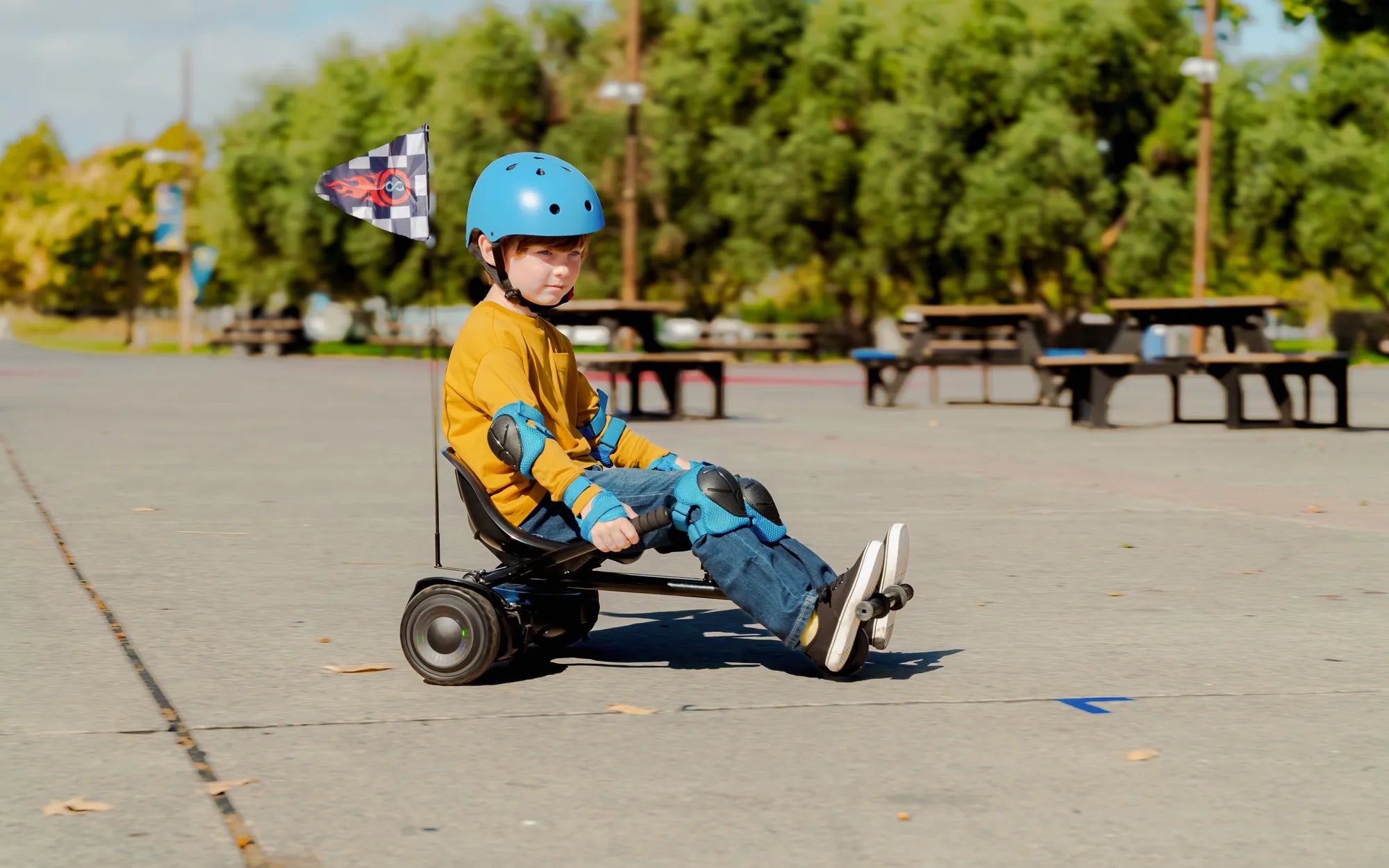
For safety, always wear a helmet, knee pads, and elbow pads, especially when learning or riding in traffic. Start in open, flat areas. Never ride on public roads. Be mindful of pedestrians and local regulations. Regularly check that the self-balancing function engages correctly when powered on.
Frequently Asked Questions (FAQ)
Are hoverboards still legal to ride?
Legality is primarily determined by local city or municipal ordinances, not federal law. In most urban areas in the US and Europe, UL2272-certified hoverboards are permitted on sidewalks, bike paths, and parks. They are almost universally prohibited on public roads. Always check your local regulations before riding.
What is the average lifespan of a quality hoverboard?
With proper care and maintenance, a hoverboard from a reputable brand with a quality UL-certified battery can last 2 to 4 years. The battery is the primary consumable; its capacity will gradually diminish after 300-500 full charge cycles. The motors and electronics in a well-built board are designed for long-term durability.
Can adults ride hoverboards designed for kids?
It is not recommended. Hoverboards designed for kids have lower weight capacities, less powerful motors, and smaller frames. An adult exceeding the weight limit risks structural damage, motor burnout, and unpredictable handling, which is a significant safety hazard. Always choose a model rated for your weight.
How long does it take to fully charge a hoverboard?
Charge time depends on battery capacity. Most standard models (with ~ 4.0Ah batteries) take 2 to 4 hours for a full charge from empty. Larger batteries in premium or off-road models may take 4-6 hours. Using the correct charger is vital; a faster charger not provided by the manufacturer can damage the battery.
Can I ride a hoverboard in the rain or through puddles?
This depends entirely on the IP rating. A board with an IPX4 rating can handle light splashes. A board with an IPX5 rating, like many Gyroor models, is certified to withstand low-pressure water jets from any direction, making it safe for riding through puddles and in light rain. Never submerge any hoverboard in water.
Your Path to the Perfect Ride
The journey to find the best hoverboard is a process of prioritizing safety, aligning performance with purpose, and trusting in proven engineering. Start by insisting on UL 2272 certification—this is non-negotiable. Then, match the hoverboard's type and specs to your primary riding environment, whether that's city streets or park trails.
Remember that advanced features are enhancements, not substitutes, for core quality. A comprehensive warranty and a brand with a track record of support are your assurances for the long term. By applying this data-driven framework, you move beyond marketing claims to make an informed, confident choice.
For those seeking a ride that embodies these principles—certified safety, durable IPX5 construction, and reliable performance—exploring a trusted brand is the logical next step. Discover models engineered for real-world use and backed by strong customer commitment.
Browse the full Gyroor collection, featuring UL-certified, IPX5 water-resistant hoverboards for every rider, at gyroorboard.com.
Christmas Gift Ideas for Kids 8-10: Fun, Educational, and Memorable Presents
Electric Scooter for Kids 10 Years Old: The Ultimate Parent's Guide