

Introduction: Navigating the Modern Hoverboard Market
The question "What's the best hoverboard?" no longer has a single, simple answer. The personal electric transporter market has matured dramatically since its early days, evolving from a novelty into a legitimate category of micro-mobility. Today's models are defined by rigorous safety standards, advanced battery technology, and specialized designs for everything from city commuting to off-road trails.
This guide moves beyond superficial rankings to provide a comprehensive framework for evaluation. We will dissect the core specifications that dictate performance, safety, and value. Our goal is to equip you with the knowledge to identify the hoverboard that perfectly aligns with your weight, terrain, riding style, and budget. The best hoverboard is not a universal product; it's the one that safely and reliably meets your specific requirements.
Understanding this landscape is crucial. Key improvements include the widespread adoption of the UL 2272 safety certification, which addresses fire hazards, and the development of more powerful motors and robust batteries. Brands that prioritize these engineering fundamentals deliver products you can trust for daily use.
Understanding the Core: Key Hoverboard Specifications Explained
Choosing the best hoverboard begins with understanding its technical DNA. Specifications like motor power and battery capacity are not just numbers; they directly translate to your riding experience, safety, and satisfaction. Ignoring these details can lead to poor performance, premature failure, or safety compromises.
We will break down each critical component. This knowledge allows you to compare models objectively, seeing past marketing claims to the engineering reality beneath. Let's start with the duo that defines how the board moves and feels: the motor and wheels.
Motor Power & Wheel Size: The Duo Dictating Ride Quality
Motor power, measured in watts (W), is the engine of your hoverboard. It determines acceleration, hill-climbing ability, and maximum rider weight capacity. A standard dual-motor setup powers each wheel independently.
A model with 300W motors per wheel (600W total) is suitable for lighter riders on flat, smooth surfaces. For most teens and adults, or for tackling gentle inclines, 350W per motor (700W total) is a more capable starting point. For true off-road performance or heavier riders, look for 400W+ per motor (800W+ total). Higher wattage provides the torque needed for grass, dirt, and steeper hills.
Wheel size is equally critical for stability and terrain handling. Smaller wheels (6.5" to 8.5") offer a more compact, portable design but transmit more vibration from cracks and bumps. Larger wheels (8.5" to 10.5") provide greater stability, roll over obstacles more easily, and offer a significantly smoother ride on uneven pavement.
All-terrain models feature 10" or larger wheels with deep, knobby treads similar to mountain bike tires. These are essential for maintaining traction on loose surfaces like gravel, dirt, and wet grass. The combination of high-torque motors and large, grippy tires defines a true off-road hoverboard.
Battery & Range: How Far Can You Really Go?
The battery is the heart of your hoverboard's endurance. Its quality and capacity determine how far you can travel on a single charge. The most important factor is the use of a UL-certified lithium-ion battery pack, a non-negotiable for safety.
Battery capacity is measured in watt-hours (Wh), which is a function of voltage (V) and amp-hours (Ah). Common configurations are 36V/4.4Ah (~158Wh) and 36V/6.5Ah (~234Wh). A higher Wh rating generally indicates a longer potential range. However, manufacturer range claims (often 10-15 miles) are ideal-world estimates.
Real-world range is heavily influenced by variables. Rider weight, terrain (hills vs. flat), riding speed, and ambient temperature can reduce the advertised range by 30-50%. A realistic expectation for a standard model is 8-12 miles for a 165 lb rider on flat pavement. For longer commutes or adventures, prioritize models with higher-capacity batteries, often found in premium or off-road designs.
Build Quality & Safety Certifications: Non-Negotiables for Peace of Mind
This category separates trustworthy products from potential hazards. The single most important certification is UL 2272. This comprehensive standard tests the entire electrical system—battery, charger, and circuitry—for fire and electrical safety. Never purchase a hoverboard without this certification.
Ingress Protection (IP) ratings indicate resistance to dust and water. An IPX4 rating means it can withstand water splashes from any direction. For riders who encounter puddles or light rain, an IPX5 rating (protected against water jets) is a significant durability upgrade. This is a standard feature in quality brands like Gyroor, ensuring the internal components are protected.
Build materials matter for longevity. A frame constructed from reinforced or aircraft-grade aluminum is more durable and lightweight than cheaper, brittle plastics. Check the quality of the foot pads, the rigidity of the body, and the feel of the charging port. These are tangible indicators of a product built to last.
Matching the Hoverboard to the Rider: A Use-Case Guide
With the specs explained, we can now match technology to intention. The best hoverboard for a college student navigating campus is different from the best choice for a teenager riding park trails. This segmentation ensures your investment delivers maximum utility and enjoyment.
Consider your primary use case, typical riding distance, and the surfaces you'll encounter most. The following profiles will help you narrow your focus to the features that matter most for your lifestyle.
The Urban Commuter & Casual Rider: Prioritizing Portability and Smoothness
For city dwellers or those using a hoverboard for short trips and leisure, key priorities are a smooth ride, manageable weight, and reliable performance. You need a board that handles sidewalk cracks, slight inclines, and occasional curb drops with ease.
Ideal specs include 8.5" to 10" air-filled or rubber tires for comfort, and dual motors of at least 700W total for adequate acceleration. A battery offering 10-12 miles of real-world range covers most daily needs. Portability is enhanced by a lightweight design and often a built-in carry handle.
Safety features like reliable gyroscopic self-balancing, bright LED headlights/taillights for visibility, and responsive braking are essential. A sleek, modern design with optional LED wheel lights adds to the urban aesthetic. The focus is on a reliable, everyday workhorse.
The Off-Road & Adventure Enthusiast: Conquering Rough Terrain
If your riding takes you off the pavement, standard hoverboards will quickly fail. Off-road models are engineered as distinct products with heavy-duty components. They are the answer to "What's the best hoverboard?" for trails, fields, and uneven ground.
These models demand high-torque dual motors, typically 800W to 1000W total, to power through grass, dirt, and up moderate hills. The wheels are the most obvious differentiator: 10" or larger with deep, knobby all-terrain treads. Many feature a full suspension system to absorb impacts from roots and rocks.
Build quality is paramount. Expect reinforced frames, higher ground clearance, and superior IP water resistance (IPX5 or higher). The battery capacity is also larger to compensate for the increased power demand of rough terrain, supporting longer adventure rides.
Young Riders & Beginners: Safety and Stability First
For younger riders or first-time users, the primary goals are safety, ease of learning, and durability. The best hoverboard here emphasizes control and forgiveness over top speed or extreme performance.
Look for models with a dedicated beginner or training mode, which limits the maximum speed (often to 4-5 mph) while the rider gains confidence. A lower deck height can improve stability. While UL 2272 certification is mandatory, additional parental controls via a companion app can be a helpful feature.
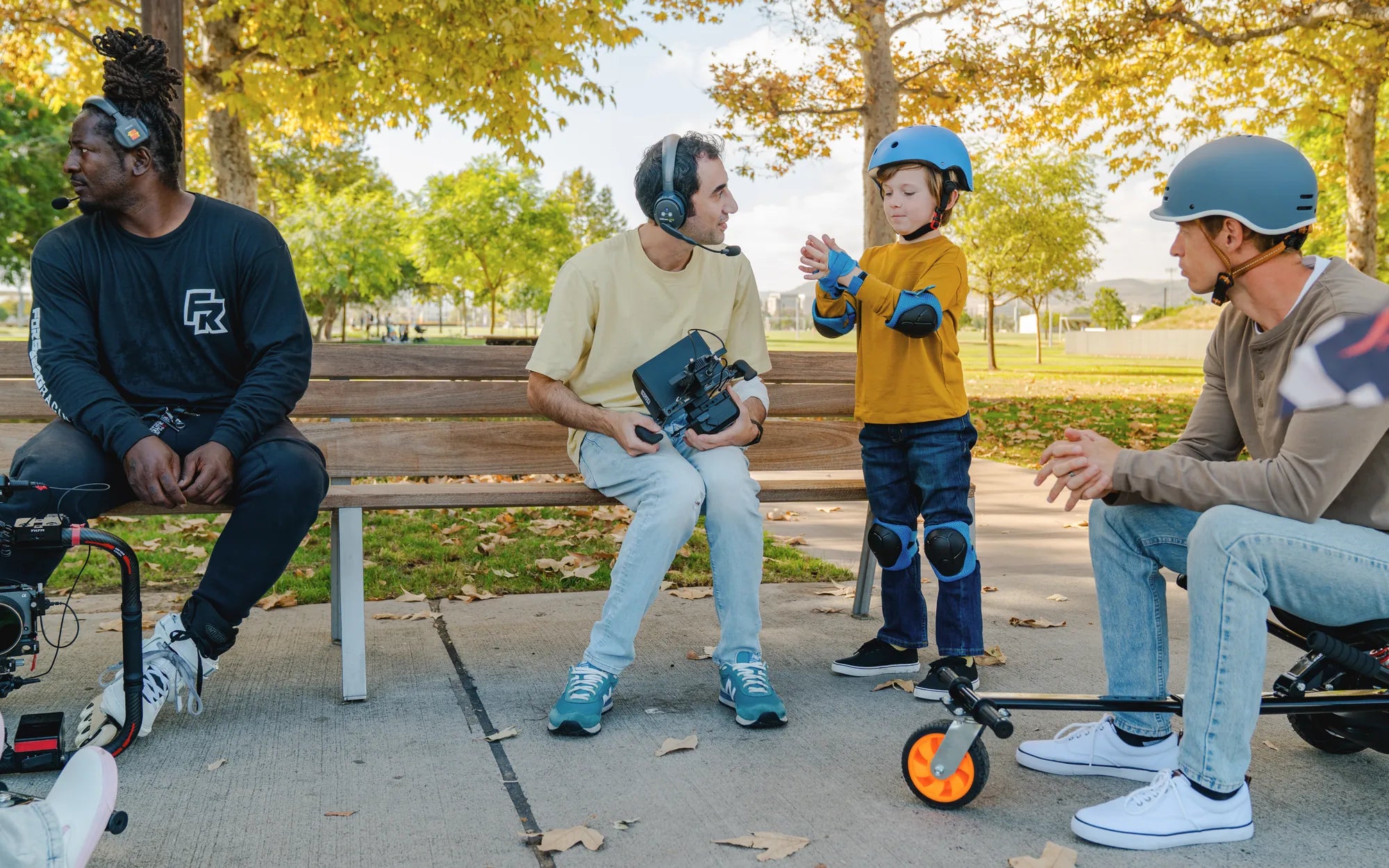
Robust construction is key, as learning involves occasional bumps and falls. Paired with a full set of protective gear—helmet, knee pads, elbow pads, and wrist guards—this approach ensures a safe and positive introduction to riding.
Beyond the Basics: Features That Enhance the Experience
Once core performance and safety are assured, additional features can elevate convenience, comfort, and fun. These are the differentiating factors that make a good hoverboard great for your specific preferences.
While not essential for basic operation, smart features and thoughtful design extras contribute significantly to long-term satisfaction. They represent the refinement in the current market.
Connectivity & Smart Features: App Integration and LED Lighting
Bluetooth connectivity via a dedicated smartphone app transforms the hoverboard from a simple transporter into a connected device. Common app functions include tracking speed and distance traveled, monitoring real-time battery level, adjusting riding sensitivity, and toggling between speed modes.
Some apps offer anti-theft features that lock the wheels if the board moves without the paired phone nearby. Customizable LED lighting, both for functional headlights/taillights and decorative wheel halos, is a popular feature. It increases visibility for night riding and allows for personal expression.
Ride Feel & Extras: Suspension, Speakers, and Carry Handles
A suspension system, even a simple spring-based one, can dramatically improve comfort on uneven surfaces by absorbing shocks from cracks and bumps. This is a premium feature often found in off-road and high-end urban models.
Built-in Bluetooth speakers allow you to play music from your phone as you ride, adding an entertainment element. More practical is a well-designed, integrated carry handle. A handle that makes the board easy to lift and carry for short distances (e.g., up stairs, onto public transit) is a major daily convenience often overlooked in specifications.
The Hoverboard Comparison Table: Key Models at a Glance
This table compares hypothetical models aligned with the primary use cases discussed. It illustrates how specifications cluster to serve different rider needs. Use it as a framework to compare real models you encounter.
| Feature / Use Case | Urban Commuter | Off-Road Adventurer | Young Rider / Beginner |
|---|---|---|---|
| Typical Motor Power | 700W Total | 1000W+ Total | 500W - 700W Total |
| Wheel Type & Size | 8.5" - 10" Solid Rubber/Air-Filled | 10"+ All-Terrain Knobby Tires | 6.5" - 8.5" Solid Rubber |
| Key Feature Focus | Smooth Ride, Portability, Lights | Torque, Suspension, Water Resistance | Speed Limiter, Training Mode, Durability |
| Ideal Terrain | Pavement, Sidewalks, Smooth Paths | Grass, Dirt Trails, Gravel, Hills | Driveways, Smooth Pavement, Indoors |
| Safety Priority | UL 2272, Reliable Braking, Lights | UL 2272, IPX5+, Robust Frame | UL 2272, Beginner Mode, Full Protective Gear |
Making the Smart Choice: A Comparative Checklist & Trusted Brands
Armed with knowledge, your final step is a systematic evaluation. Use this actionable checklist to vet any model you consider. It distills the guide's insights into a quick verification process.
Following this list helps you avoid common pitfalls and ensures you invest in a product that is safe, performant, and supported.
Your Hoverboard Buying Checklist: 7 Must-Verify Points
Before purchasing, confirm these seven points. If a seller cannot provide clear information on any of them, consider it a major red flag.
- 1. UL 2272 Certification: Verify the specific model number is listed on the UL website or that the product bears the official mark. This is non-negotiable for safety.
- 2. IP Water Resistance Rating: Look for at least IPX4 for splash resistance. IPX5 or higher is preferable for all-weather durability and is a hallmark of better-built boards.
- 3. Appropriate Motor Power: Match the motor wattage to your weight and intended terrain. Heavier riders or off-road use require 800W total or more.
- 4. Realistic Range Expectations: Calculate about 60-70% of the advertised range for real-world use. Factor in your weight and local geography (hills).
- 5. Warranty & Support: A comprehensive warranty of at least 1 year on the board and 6 months on the battery indicates manufacturer confidence. Research the brand's customer service reputation.
- 6. Verified Customer Reviews: Read reviews on independent retail sites focusing on long-term durability, battery life, and customer service experiences, not just unboxing impressions.
- 7. Total Cost of Ownership: Consider the price of potential replacement parts (tires, batteries) and whether they are readily available from the manufacturer.
Why Trust Matters: The Gyroor Standard in E-Rideables
In a market with varying quality, trust is built on transparent standards and proven performance. Gyroor has established itself as a leader in personal electric transport by adhering to core engineering principles that directly address rider concerns.
Every Gyroor hoverboard is powered by a UL-certified battery pack, undergoes rigorous testing, and features IPX5 water-resistant construction for resilience. This commitment to safety and durability is backed by a reliable 1-year warranty and supported by a customer base of over 100,000 riders across North America and Europe.
This track record provides the peace of mind that comes from choosing a brand that prioritizes certified safety, robust design, and accessible support. It's a benchmark that helps answer the question, "What's the best hoverboard?" with a name you can trust for responsible innovation.
Frequently Asked Questions (FAQs)
Q: What is the most important safety feature to look for?
A>Without question, the UL 2272 certification. It is an independent verification that the electrical system, including the battery, charger, and circuitry, meets rigorous fire and electrical safety standards. Never purchase a hoverboard without it.
Q: Can adults ride hoverboards, or are they just for kids?
A>Absolutely. Modern hoverboards are engineered for a wide range of riders. Many models support rider weights up to 220-265 pounds. Adults should focus on models with larger wheels (10" for smoother ride), higher motor power (700W+ total), and a robust frame for stability and performance.
Q: How does a hoverboard with larger wheels (10") perform compared to a standard one?
A>Larger wheels provide a substantially smoother and more stable ride. They roll over sidewalk cracks, small rocks, and imperfections with ease, reducing vibration felt by the rider. They also generally offer better traction and are a requirement for any kind of off-road or all-terrain use.
Q: Is the "hoverboard" with a seat (a self-balancing scooter) a better choice?
A>It's a different choice, suited for different needs. A seated self-balancing scooter offers greater stability and is less physically demanding for longer rides, as you are not standing. However, it is less portable, often heavier, and typically more expensive. Choose based on your primary use case: seated for longer commutes, standing for shorter trips and more maneuverability.
Q: What maintenance does a hoverboard require?
A>Regular maintenance is minimal but crucial. Keep the tire pressure correct if using air-filled tires. Wipe down the board with a damp cloth to remove dirt and debris, avoiding direct water jets. Store it in a cool, dry place and avoid leaving it fully discharged for extended periods. Regularly check for loose screws or parts and ensure the charging port is clean and dry before plugging in.
Conclusion: Your Perfect Ride Awaits
The journey to find the best hoverboard culminates in a simple truth: the perfect ride is the one engineered for you. It safely supports your weight, confidently handles your regular terrain, and delivers the range you need, all while being backed by trustworthy certifications and support. By prioritizing UL 2272 safety, matching specifications to your use case, and verifying quality through our checklist, you move from guesswork to informed confidence.
Your investment in a well-chosen hoverboard opens up new avenues for fun, efficient short-distance travel, and outdoor adventure. Remember that the leading brands in this space earn their reputation through unwavering commitment to these fundamentals. Discover a range of models built to this exacting standard, where safety and performance are engineered together.
Ready to find the hoverboard that matches your lifestyle? Browse the full Gyroor collection at gyroorboard.com and explore models designed with certified safety, durable IPX5 construction, and reliable performance for every type of rider.
Good Christmas Gift Ideas for Boys: Fun and Thoughtful Presents
Best Christmas Gift for 11 Year Old Boys: Top Picks to Delight and Inspire