



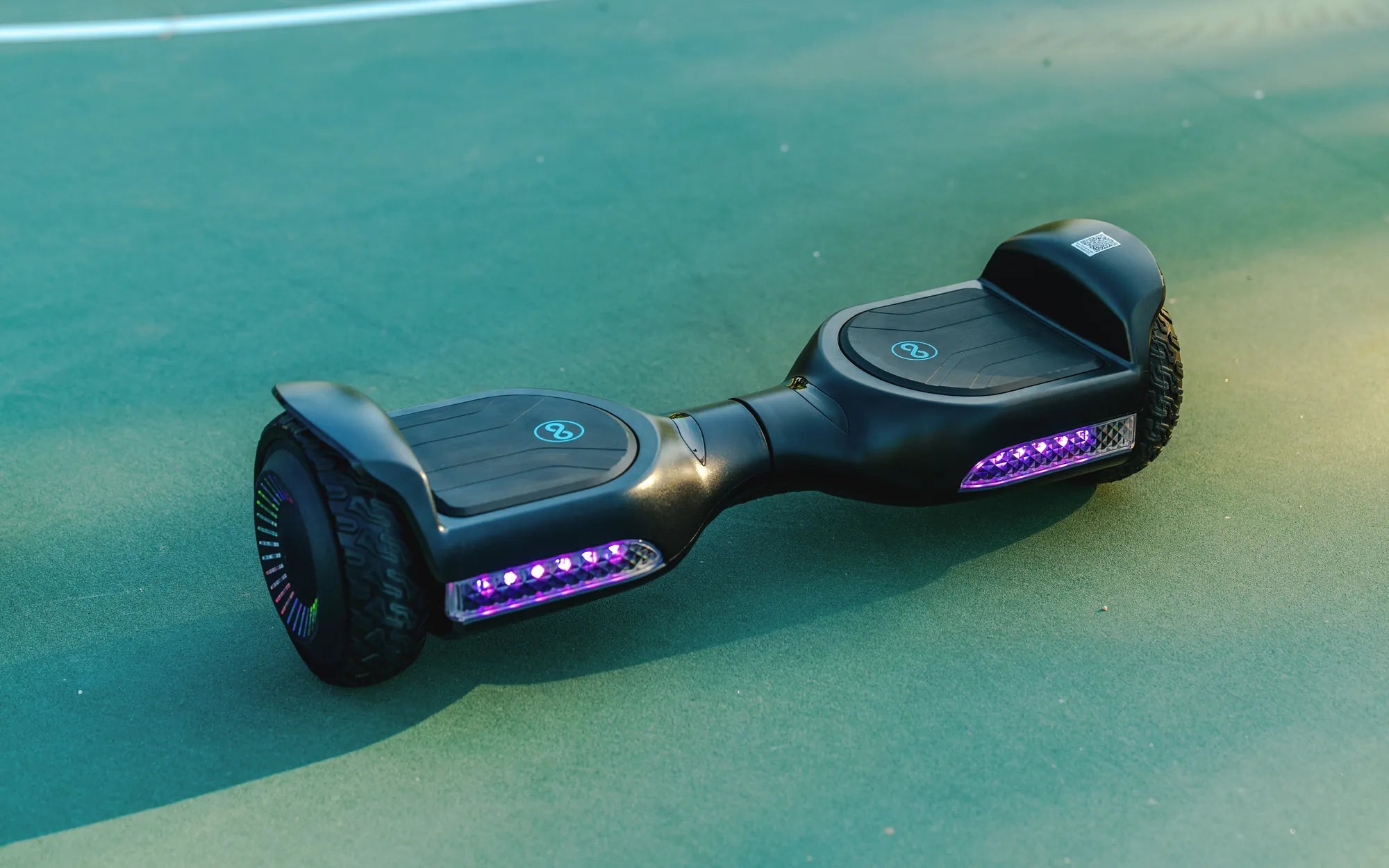
Ever wondered what sets one self-balancing hoverboard apart from another? These futuristic personal transporters have taken the world by storm, but not all hoverboards are created equal. From their balancing technology to speed capabilities and safety features, understanding the differences can help you make an informed choice. Let’s dive into the fascinating world of self-balancing hoverboards and uncover what makes each one unique.
How Self-Balancing Hoverboards Work
At their core, self-balancing hoverboards rely on gyroscopic sensors and microprocessors to maintain stability. When a rider leans forward or backward, the sensors detect the shift in weight and adjust the wheels accordingly. However, the quality of these components can vary significantly between models. Higher-end hoverboards often feature advanced sensors for smoother responsiveness, while budget options may struggle with abrupt movements.
Key Differences in Balancing Technology
Not all self-balancing mechanisms are the same. Some hoverboards use dual-axis gyroscopes for precise control, while others rely on simpler single-axis systems. The difference becomes apparent when navigating uneven terrain or making sharp turns. Premium models often incorporate additional stabilization algorithms to prevent wobbling at higher speeds, giving riders a more confident experience.
Motor Power and Performance Variations
The motors in self-balancing hoverboards typically range from 250W to 800W per wheel. More powerful motors provide better torque for climbing inclines and carrying heavier riders. Dual-motor systems generally outperform single-motor configurations, especially when tackling hills or rough surfaces. Pay attention to the wattage rating if you plan to ride on anything other than perfectly flat pavement.
Battery Life and Charging Differences
Battery capacity directly impacts how far you can travel on a single charge. Standard hoverboard batteries offer 10-15 miles of range, while extended-range models can go 20 miles or more. Lithium-ion batteries dominate the market, but their quality varies. Some hoverboards feature smart battery management systems that prevent overcharging and extend overall battery lifespan.
Wheel Size and Terrain Compatibility
Hoverboard wheels typically measure between 6.5 inches and 10 inches in diameter. Smaller wheels work well on smooth surfaces but struggle with bumps and cracks. Larger wheels with treaded tires handle off-road conditions better. Some models even feature all-terrain tires for grass, dirt, and gravel surfaces. Consider where you'll ride most often when choosing wheel size.
Safety Features That Set Models Apart
Safety should be a top priority when comparing hoverboards. Look for models with UL2272 certification, which ensures electrical and fire safety standards are met. Additional safety features may include:
- Non-slip foot pads
- LED lights for visibility
- Speed limiters for beginners
- Overheat protection
- Low-battery warnings
Weight Capacity and Build Quality
Standard hoverboards support riders up to 220 pounds, while heavy-duty models can handle 300 pounds or more. The frame material also varies, with some using lightweight aluminum alloys and others opting for reinforced plastics. Higher weight capacities typically indicate more durable construction and more powerful motors.
Smart Features and Connectivity Options
Modern hoverboards often include Bluetooth speakers, mobile apps, and LED lighting systems. While these don't affect performance, they enhance the riding experience. Some advanced models offer customizable riding modes, allowing you to adjust speed limits and responsiveness to match your skill level.
Price Differences and What They Mean
Hoverboard prices range from under $200 to over $1,000. The cheapest options often cut corners on components and safety features. Mid-range models ($300-$600) typically offer the best balance of quality and value. Premium hoverboards justify their higher prices with superior materials, advanced technology, and better warranties.
Choosing the Right Hoverboard for Your Needs
Consider your primary use case when selecting a hoverboard. Commuters might prioritize range and portability, while thrill-seekers may want maximum speed and off-road capability. Beginners should look for stable, slower models with good safety features, while experienced riders can handle more responsive, faster boards.
Now that you understand the key differences between self-balancing hoverboards, you're ready to make an informed purchase. Whether you're cruising city streets or tackling rugged trails, there's a perfect hoverboard waiting to elevate your transportation game. The right choice will provide years of smooth, safe riding enjoyment - so choose wisely and get ready to turn heads wherever you go!
What Is the Price of a Hoverboard? A Complete Buyer's Guide
Hoverboard Blinking Yellow Light: Causes, Fixes, and Safety Tips