


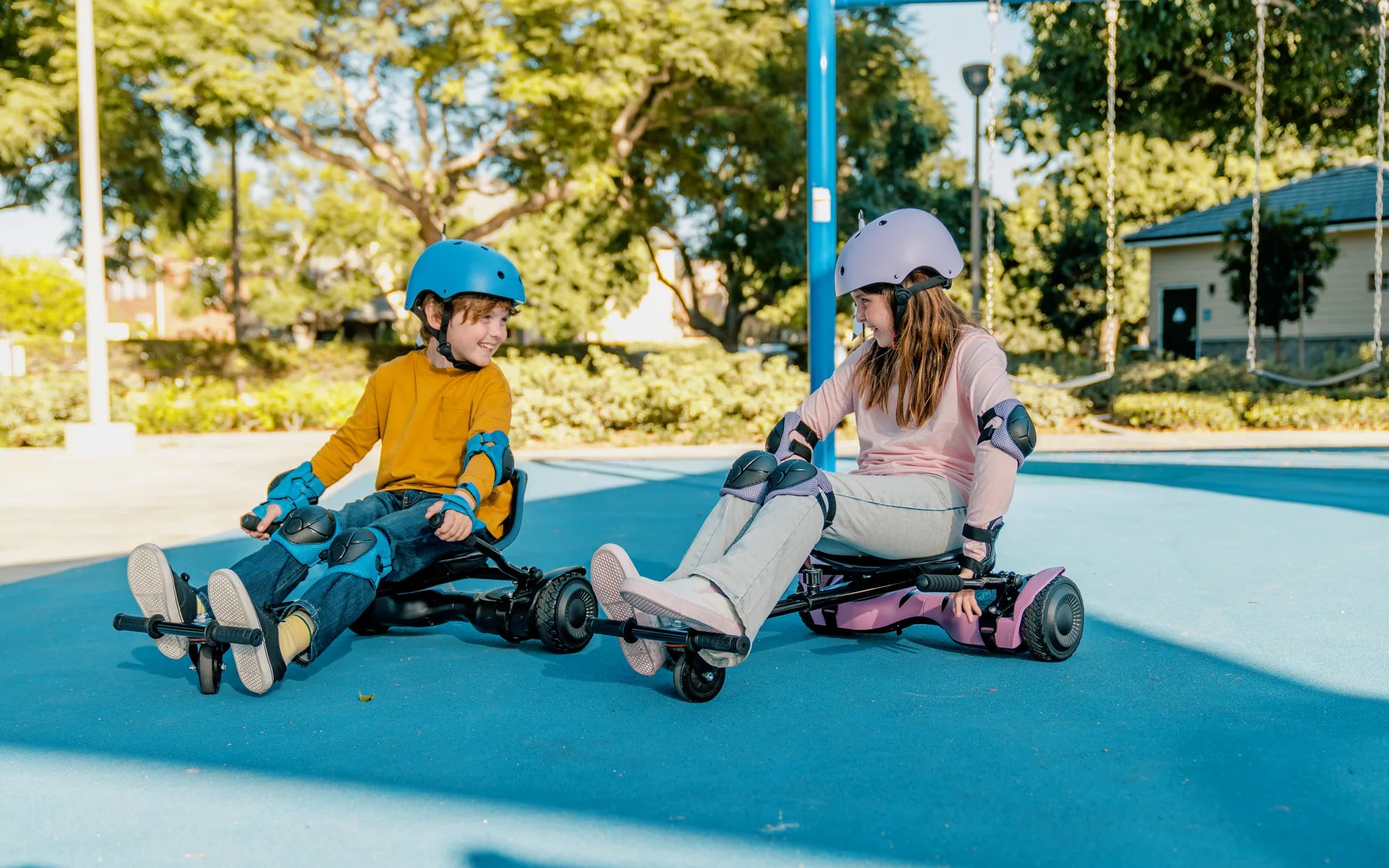
Hoverboards have become a popular mode of personal transportation, but one question often arises: what's the weight limit for hoverboards? Whether you're a beginner or an experienced rider, understanding weight restrictions is crucial for safety and performance. In this comprehensive guide, we'll break down everything you need to know about hoverboard weight limits, why they matter, and how to find the perfect fit for your needs.
Why Do Hoverboards Have Weight Limits?
Hoverboards are designed with specific weight capacities to ensure optimal performance and safety. Exceeding the recommended weight limit can strain the motors, reduce battery life, and even lead to accidents. Manufacturers set these limits based on factors like motor power, battery capacity, and structural integrity. Ignoring these guidelines could void warranties or cause permanent damage to the device.
Typical Weight Limits for Hoverboards
Most hoverboards support riders weighing between 44 lbs (20 kg) and 220 lbs (100 kg). However, premium models may accommodate up to 265 lbs (120 kg). Here's a general breakdown:
- Kids' hoverboards: 44–132 lbs (20–60 kg)
- Standard hoverboards: 176–220 lbs (80–100 kg)
- Heavy-duty hoverboards: 220–265 lbs (100–120 kg)
Factors Affecting Hoverboard Weight Limits
Several key components determine how much weight a hoverboard can handle:
- Motor Power: Higher wattage motors (e.g., 500W–800W) support heavier riders.
- Battery Capacity: Larger batteries provide better stability and longer ride times.
- Wheel Size: Bigger wheels (8.5–10 inches) offer better weight distribution.
- Build Material: Reinforced frames and high-quality plastics enhance durability.
How to Check a Hoverboard's Weight Limit
Always refer to the manufacturer's specifications before purchasing. Look for:
- Product manuals or packaging labels
- Online product descriptions
- Customer support inquiries
What Happens If You Exceed the Weight Limit?
Riding a hoverboard beyond its capacity can lead to:
- Reduced speed and battery life
- Overheating motors
- Increased risk of falls or board malfunctions
Tips for Heavier Riders
If you're close to or above standard weight limits, consider these tips:
- Opt for heavy-duty models with higher weight capacities.
- Avoid rough terrains to minimize strain on the hoverboard.
- Charge the battery fully before each ride to maintain performance.
Safety Precautions for All Riders
Regardless of weight, follow these safety measures:
- Wear protective gear (helmet, knee pads, wrist guards).
- Start on flat, smooth surfaces to get comfortable.
- Avoid steep inclines or uneven terrain.
Now that you know what's the weight limit for hoverboards, you can make an informed decision and enjoy a safe, smooth ride. Whether you're shopping for a child or an adult, choosing the right model ensures longevity and peak performance. Ready to glide effortlessly? Keep these guidelines in mind, and you'll find the perfect hoverboard for your needs!
Where Can You Buy Hoverboards at the Best Prices and Quality?
Companies That Make Hoverboards: The Future of Personal Transportation