



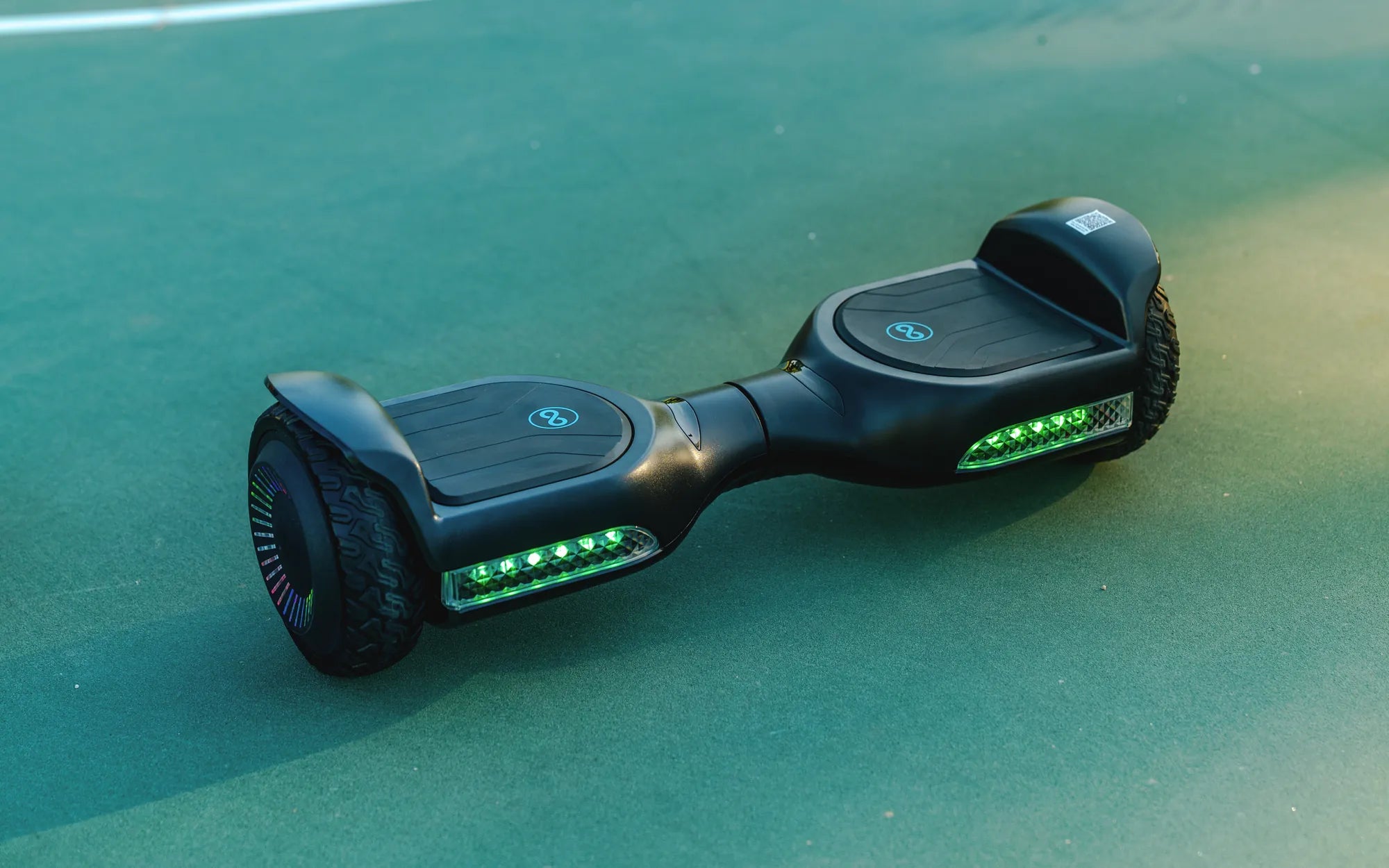
Imagine gliding effortlessly above the ground, just like in your favorite sci-fi movies. The idea of hoverboards has fascinated generations, but when will they actually exist? The answer lies at the intersection of cutting-edge technology, physics, and innovation. Let’s dive into the exciting world of hoverboards and explore when we might finally see them become a reality.
The Science Behind Hoverboards
Hoverboards, as envisioned in popular culture, rely on magnetic levitation or anti-gravity technology. While magnetic levitation (maglev) is already used in trains, scaling it down for personal use presents significant challenges. Anti-gravity, on the other hand, remains purely theoretical. Current hoverboard prototypes often use fans or electromagnets, but these are far from the frictionless, silent devices seen in movies.
Current Technological Limitations
Several hurdles stand in the way of true hoverboards. Energy efficiency is a major concern—powering a device that levitates requires immense energy, and current battery technology falls short. Additionally, stability and control are critical; without a physical connection to the ground, maintaining balance becomes exponentially harder. Researchers are exploring solutions like superconducting materials and advanced gyroscopes, but these are still in early stages.
Breakthroughs on the Horizon
Recent advancements in quantum levitation and room-temperature superconductors offer hope. Quantum locking, a phenomenon where superconductors lock in place over magnetic fields, could revolutionize hoverboard design. Meanwhile, companies and universities are experimenting with new materials that could make lightweight, energy-efficient hoverboards possible within the next decade.
The Role of Public Demand and Investment
Consumer interest and funding play a huge role in accelerating hoverboard development. Crowdfunding campaigns and tech competitions have spurred innovation, but widespread adoption will require significant investment in infrastructure, such as magnetic roads or charging stations. The more demand grows, the faster breakthroughs will emerge.
Predictions and Expert Opinions
Experts are divided on when hoverboards will become mainstream. Some believe we’ll see functional prototypes within 5-10 years, while others argue it could take decades. The key factor will be whether a single breakthrough can overcome the energy and stability challenges. Until then, hoverboards remain a thrilling possibility just out of reach.
The dream of hoverboards isn’t dead—it’s just waiting for the right moment. As technology races forward, the line between science fiction and reality blurs. One thing’s for sure: when hoverboards finally arrive, they’ll change the way we move forever. Are you ready to take flight?
Are There Any Real Hoverboards? The Truth Behind the Futuristic Ride
Top Five Hoverboard Brands: The Best Picks for Ultimate Fun and Safety