



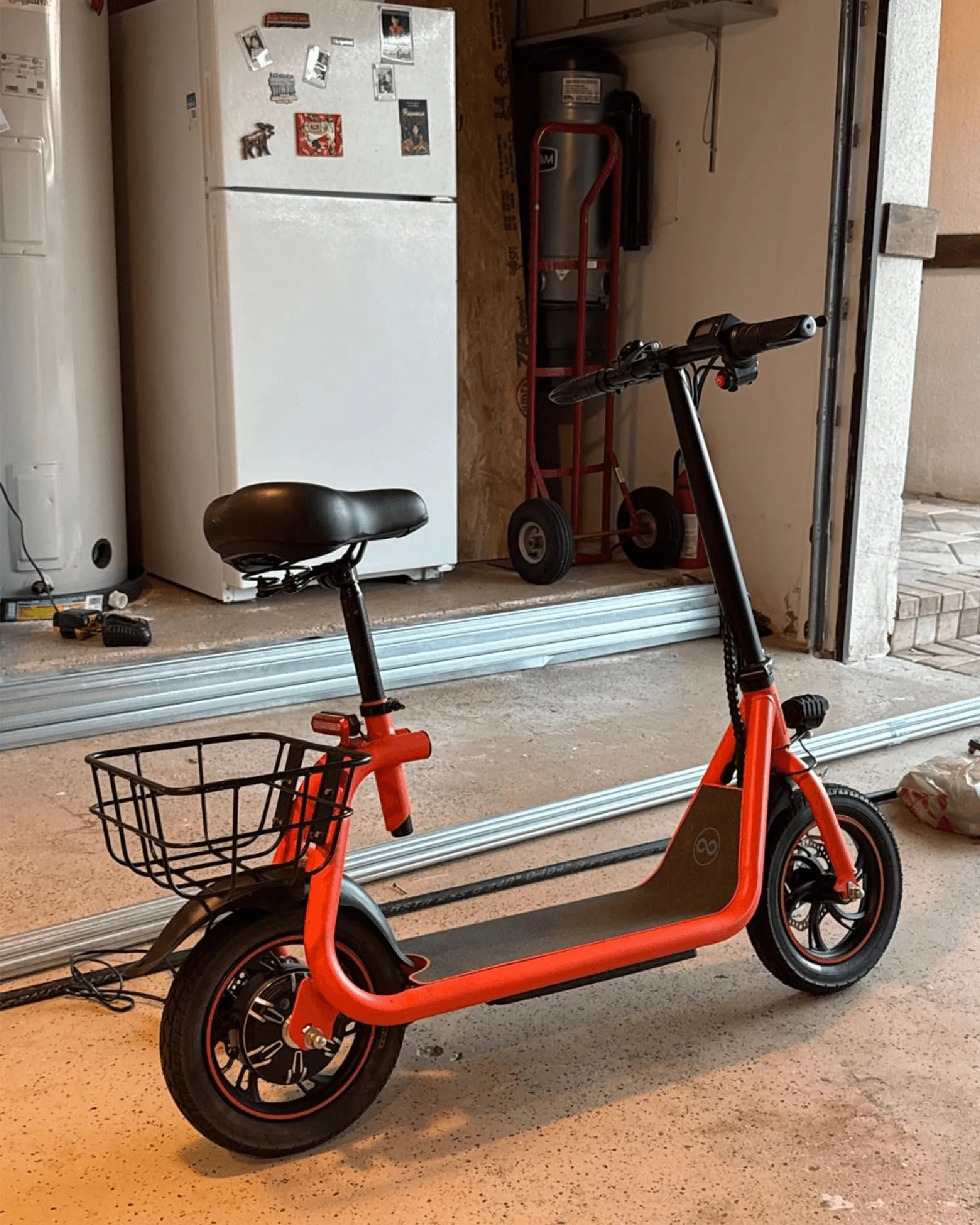
Navigating the World of Electric Scooter Riding
Electric scooters offer unparalleled freedom for urban commuting and recreation. This freedom, however, is immediately constrained by a complex and often confusing patchwork of local laws. The core question for every rider is: where can electric scooters be ridden legally and safely?
This complete guide demystifies the rules and provides actionable safety advice. We will clarify the typical permitted zones, universal prohibitions, and the critical importance of checking your local ordinances. Understanding where you can ride your Gyroor scooter is the first step toward confident, compliant, and enjoyable personal electric mobility.
Understanding the Legal Landscape: It’s All About Local Jurisdiction
There is no single, universal law governing electric scooters in the United States, Canada, or the European Union. Federal bodies may set broad product safety standards, but operational rules are determined at the state, provincial, and, most critically, the municipal level. A scooter legal on city streets in Austin, Texas, might be prohibited on sidewalks in San Francisco, California.
This jurisdictional patchwork means due diligence is non-negotiable. Riders must research the specific laws for their city or town before their first ride. Ignorance of local law is rarely a valid defense and can result in fines, scooter impoundment, or worse. The rules defining where electric scooters can be ridden are hyper-local.
Common Regulatory Classifications for E-Scooters
Localities typically classify e-scooters under existing legal frameworks, which directly dictates where they are permitted. Common classifications include "Motorized Foot Scooter," "Personal Mobility Device (PMD)," "Electric Low-Speed Scooter," or "Micro-mobility Vehicle." These definitions carry weight.
For instance, if classified similarly to bicycles, e-scooters are generally granted access to bike lanes and roadways. If classified as a motor vehicle, stricter rules like licensing may apply. Understanding your local classification is the key to decoding the associated rules for where you can and cannot operate your device.
Key Rules That Vary by Location
Beyond the broad question of where can electric scooters be ridden, several specific rules fluctuate wildly. Helmet laws are a primary example: some cities mandate them for all riders, others only for minors, and some have no requirement at all. Minimum age limits commonly range from 16 to 18 years.
Speed limits are equally variable, especially differentiating between sidewalk use (often 6-10 mph) and road/bike lane use (15-20 mph). DUI laws universally apply, treating e-scooter operation the same as driving a car. Rarely, some jurisdictions may require registration, insurance, or a driver's license. Each of these factors must be verified locally.
Where You Can Typically Ride: From Bike Lanes to Roadways
While local law is supreme, a general hierarchy of permitted zones has emerged across many jurisdictions. This framework provides a strong starting point for understanding where electric scooters can be ridden, but always check for local modifications. The safest, most legally sound option is usually the most dedicated infrastructure.
The typical order of preference is: 1) Protected Bike Lanes, 2) Standard Bike Lanes, 3) Low-traffic Residential Streets, and 4) Multi-Use Paths. Sidewalks occupy a contentious, often restricted space in this hierarchy. This structure prioritizes rider safety while minimizing conflict with faster vehicles and vulnerable pedestrians.
The Gold Standard: Protected Bike Lanes & Multi-Use Paths
Protected bike lanes, separated from vehicle traffic by physical barriers, represent the ideal environment for e-scooter riders. They offer a dedicated space free from cars, aligning perfectly with the speed and profile of personal electric mobility devices. When riding here, you must follow bicycle rules: ride in the direction of traffic, signal turns, and maintain a predictable line.
Multi-use paths (shared with pedestrians, cyclists, and skaters) are also common permitted zones. On these paths, e-scooters are typically welcome but must operate at controlled speeds. The etiquette is paramount: yield to pedestrians, announce your presence politely when passing (using a bell or voice), and reduce speed in crowded areas. This is where knowing where can electric scooters be ridden blends seamlessly with how to ride them respectfully.
Sharing the Road: Riding on Streets
When bike infrastructure is absent, riding on the road is frequently the legally mandated option. In this scenario, you are expected to operate like a bicycle. This means riding in the same direction as traffic, as far to the right as is practicable and safe, while obeying all traffic signals, signs, and lane markings.
Use hand signals for turns and stops to communicate your intentions to drivers. Avoid roads with speed limits significantly higher than your scooter's maximum speed, as creating a major speed differential is dangerous. Highways, freeways, and other limited-access roads are almost universally prohibited for e-scooter use, regardless of local nuances.
Sidewalks: Often Restricted, Always Use Extreme Caution
Sidewalk riding is one of the most controversial and regulated aspects of e-scooter use. Many major cities explicitly ban it to protect pedestrian safety, especially in dense downtown cores. In areas where it is permitted, extreme caution is the rule.
If legal, you must yield the right-of-way to all pedestrians, travel at walking speed (often under 6 mph), and be hyper-aware of driveways, intersections, and blind corners. Dismount and walk your scooter in heavily congested areas. The guiding principle is that pedestrians always have priority; the sidewalk is their domain, and scooter riders are guests.
Where Electric Scooters Are Usually Prohibited
Certain locations are almost universally off-limits for electric scooter riding, transcending local legal variations. These prohibitions exist for compelling safety, environmental, and legal liability reasons. Knowing these universal no-go zones is as important as knowing the permitted ones.
Riding in these areas not only poses extreme personal risk but also contributes to negative public perception and can lead to stricter regulations for all riders. Responsible riding means respecting these boundaries absolutely, ensuring the long-term viability of e-scooter access in shared public spaces.
Highways, Freeways, and High-Speed Roads
Operating an e-scooter on highways, interstates, freeways, or any road with a posted speed limit above 25-35 mph (varies by state) is almost always illegal and exceptionally dangerous. The speed differential between a scooter (max 15-25 mph) and motor vehicles traveling 55+ mph creates a high-risk environment for catastrophic collisions.
These roads are designed for high-speed automotive traffic and lack the necessary infrastructure for micromobility. Entrance ramps and high-speed lanes are not environments where electric scooters can be ridden safely under any circumstances.
Pedestrian-Only Zones and Indoor Spaces
Pedestrian malls, crowded public squares, indoor shopping centers, airports (beyond designated areas), and public building interiors are strictly off-limits. These spaces are designated for foot traffic only, and introducing a wheeled vehicle, even at low speed, creates tripping hazards and accessibility issues.
Many city parks also prohibit motorized vehicles on their pathways unless explicitly signed otherwise. Always look for posted signage at park entrances. When in doubt, dismount and walk. This respect for pedestrian-only spaces is a cornerstone of responsible ridership.
Natural and Protected Landscapes
Hiking trails, mountain bike trails (unless specifically designated as motorized), beaches, and protected natural areas are prohibited for e-scooter use. The reasons are twofold: environmental protection and user safety. Scooter tires can damage delicate ecosystems, erode trails, and disturb wildlife.
Furthermore, these terrains are often unsuitable for the design of urban-focused e-scooters, leading to loss of control and accidents. Preserving these spaces means keeping motorized vehicles out, a rule that applies uniformly to all responsible riders.
Safety and Etiquette: The Unwritten Rules of Responsible Riding
Knowing where can electric scooters be ridden is only half the battle. The other half is mastering *how* to ride in those places safely and courteously. Good safety practices protect you, while good etiquette protects the reputation of the entire e-scooter community and ensures continued access to public spaces.
Adhering to these protocols transforms you from just a rider into a responsible ambassador for personal electric mobility. This proactive approach minimizes accidents, reduces conflicts with other road and path users, and makes every journey more predictable and enjoyable.
Pre-Ride Preparation: Safety Starts Before You Kick Off
Every safe ride begins with preparation. First, perform a quick but thorough scooter check: verify tire pressure, test brake function (both electronic and mechanical, if equipped), and ensure all lights (headlight, brake light, side reflectors) are operational. For a Gyroor scooter, confirm your UL-certified battery has sufficient charge for the planned trip.
Next, gear up. Always wear a properly fitted helmet, regardless of local law. Consider additional protective gear like knee and elbow pads, especially for new riders or high-traffic areas. High-visibility clothing or reflective elements are advisable for night riding. Finally, have your local rules mentally reviewed—know your route's permitted zones.
Riding Etiquette for Shared Spaces
When sharing infrastructure, clear communication and respect are vital. Use a bell or a polite verbal cue ("On your left!") well before passing cyclists or pedestrians. Give ample space when passing—at least three feet is a good rule. In crowded areas on multi-use paths, dismount and walk.
Never block sidewalks, building entrances, wheelchair ramps, or crosswalks when parking. Use designated bicycle parking areas when available. Keep noise to a minimum in residential areas, especially at night. By following this etiquette, you directly influence how communities perceive e-scooters and their riders.
Gyroor’s Commitment to Safe and Compliant Riding
Choosing a reputable brand like Gyroor is a foundational safety and compliance decision. Our engineering philosophy prioritizes features that not only enhance the riding experience but also directly support legal and secure operation in the real world. Where electric scooters can be ridden often depends on their built-in safety credentials.
With over 100,000 riders across North America and Europe trusting our products, Gyroor designs for the actual conditions and regulations riders face. From battery safety certifications to weather-resistant construction, our scooters are built to help you ride confidently within the bounds of the law.
Built for Real-World Conditions: UL-Certification and IPX5
Battery safety is a top concern for regulators, property managers, and riders. Every Gyroor scooter uses UL-certified lithium-ion battery packs, tested for 500+ charge cycles under rigorous standards. This certification is a critical mark of safety, reducing fire risk and providing peace of mind—a key factor for compliance in cities with strict scooter storage rules in apartments and offices.
Furthermore, the IPX5 water-resistant rating across our lineup means your scooter is protected against water jets from any direction. This allows for safe riding in damp conditions or on wet pavement without risk of electrical damage, supporting reliable use in various environments where electric scooters can be ridden, from morning commutes to evening errands.
Confidence Through Support: The 1-Year Comprehensive Warranty
Safe riding requires a scooter in proper working order. Gyroor’s reliable 1-year warranty, backed by responsive, US-based customer support, ensures your investment is protected. This warranty covers defects in materials and workmanship, empowering you to maintain your scooter in legally compliant condition.
Whether it’s a brake adjustment, light replacement, or battery performance check, having dependable support encourages proactive maintenance. This responsible ownership cycle is essential for long-term safety and aligns with the ethos of knowing not just where to ride, but ensuring your vehicle is always ride-ready.
Choosing the Right Scooter for Your Legal Riding Environment
Your local laws and typical riding terrain should inform your scooter choice. A model suited for smooth bike lanes may not be ideal for cities where road riding is necessary. Selecting the right tool for your legal environment enhances both safety and compliance.
The table below compares Gyroor scooter types against common use-case scenarios defined by where they are legally permitted to operate. This data-driven approach helps match scooter capabilities with your specific riding needs and local regulations.
| Riding Environment / Legal Zone | Recommended Gyroor Scooter Type | Key Feature Rationale |
|---|---|---|
| Protected Bike Lanes & Multi-Use Paths (Smooth Pavement) | Commuter & Lightweight Models (e.g., F1 Pro) | Efficient motors, longer battery life for extended path riding, compact folding for multi-modal transit. |
| Urban Streets & Standard Bike Lanes (Mixed Terrain) | All-Terrain & Robust Commuter Models (e.g., GT Series) | Larger, air-filled tires for pothole absorption, superior suspension, brighter lights for road visibility. |
| Cities with Hill-Climbing Requirements | High-Torque & Dual Motor Models | Increased wattage and dual motors maintain legal speed limits on inclines, enhancing safety by keeping pace with traffic flow. |
| Areas with Frequent Wet Conditions | Any IPX5-Rated Gyroor Model | IPX5 water resistance ensures safe operation in rain, protecting core electronics and battery, a must for reliable commuting. |
Frequently Asked Questions (FAQ)
Q: Can I ride my electric scooter in the rain?
A: Technically, Gyroor scooters with an IPX5 rating are built to withstand water jets and wet conditions. However, local laws may prohibit riding in inclement weather for safety reasons. Always check local ordinances. Even if legal, reduce speed, avoid painted road markings and metal surfaces, and use extra caution with braking.
Q: Do I need a license or insurance to ride?
A: For private, lower-speed e-scooters (under 20 mph), a driver's license is rarely required in most jurisdictions, though age restrictions apply. Insurance is typically not mandated for privately-owned scooters, unlike rental fleets. This is a rapidly evolving area, so verifying with your local Department of Motor Vehicles (DMV) or transportation authority is essential.
Q: What’s the difference between private and rental scooter laws?
A: The traffic laws (where you can ride, helmet use, DUI) generally apply equally to private and rental scooters. The key difference is enforcement: rental companies use geofencing (GPS-based virtual boundaries) to automatically slow or disable scooters in prohibited zones like sidewalks or parks. Private scooter riders must self-enforce based on their knowledge of local law.
Q: Where should I park my e-scooter?
A: Always park responsibly. Use bicycle racks or designated micro-mobility parking areas whenever possible. Never block sidewalks, especially for people with disabilities, wheelchair ramps, building entrances, fire hydrants, or bus stops. When no rack is available, park parallel to the wall or curb in the "furniture zone" of the sidewalk, leaving a clear, continuous path for pedestrians.
Q: How do I find the specific laws for my city?
A> Start with your city or town's official website, searching for "electric scooter ordinance," "micromobility laws," or "traffic code." Check the police department or transportation authority pages. You can also contact your local city clerk's office. For state-level rules, review your state's vehicle code, often available online through the legislative website.
Ride Informed, Ride Safe, Ride Gyroor
The freedom of electric scooter riding is unlocked through knowledge and responsibility. Understanding the complex answer to where can electric scooters be ridden in your specific locale is the non-negotiable first step. This guide provides the framework, but the final check must always be with your city's current laws.
Combine this legal awareness with consistent safety practices—proper gear, pre-ride checks, and respectful etiquette. Pair it with a reliable, well-engineered scooter from a brand like Gyroor, designed with UL-certified safety and real-world durability in mind. This holistic approach transforms potential confusion into confident, compliant, and truly enjoyable mobility.
Be an ambassador for safe riding. Your actions on the road and path shape public perception and influence future regulations. The journey toward seamless urban mobility starts with each informed rider. Explore how the right equipment supports that journey.
Ready to ride with confidence? Browse the full collection of UL-certified, IPX5 water-resistant electric scooters and e-bikes designed for real-world compliance at gyroorboard.com.
Is It Illegal to Ride Electric Scooters on Public Roads? The Complete Guide
Electric Scooters Downtown San Diego: The Ultimate Urban Commute Solution