



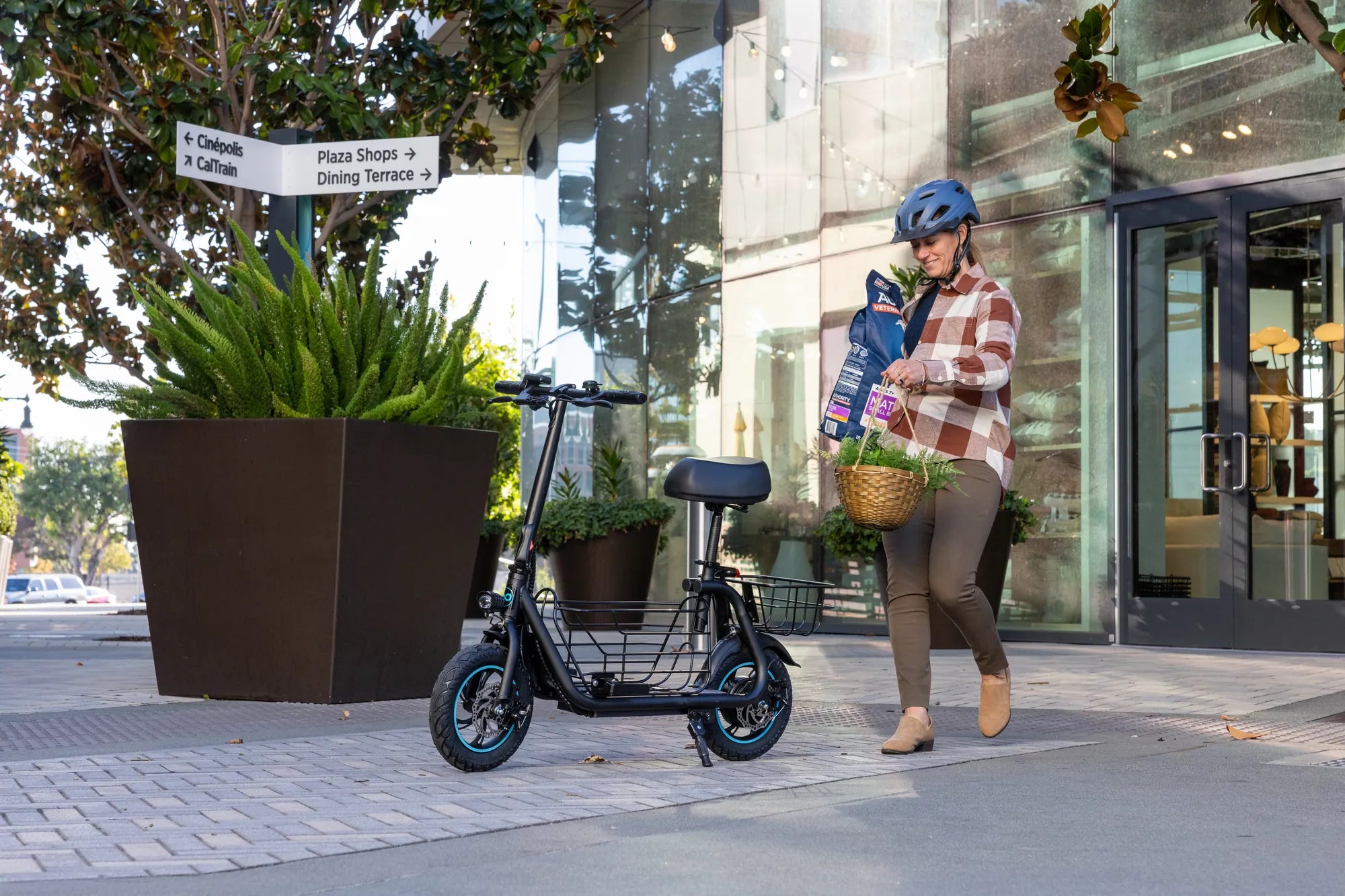
Navigating where you can legally ride electric scooters is the single most important factor for a safe, fine-free riding experience. Laws vary dramatically from one city block to the next, creating a complex patchwork of regulations. This guide provides a clear, actionable framework for understanding federal guidelines, state classifications, and the local ordinances that ultimately dictate your ride. We'll map out typical legal zones, from bike lanes to sidewalks, and explain the key equipment and operational rules you must follow.
Introduction to E-Scooter Legality
The question of where you can legally ride electric scooters is not just about avoiding tickets—it's fundamental to personal and public safety. Riding in the wrong place can lead to collisions, pedestrian injuries, and the implementation of stricter bans. The legal landscape is fragmented, with rules differing at the city, county, and state levels.
This variability stems from how quickly micro-mobility has evolved. Local governments have scrambled to adapt existing traffic codes, leading to a period of regulatory experimentation. For riders, this means diligence is required; the rules in your hometown may be completely different from those in a neighboring city.
Understanding and adhering to these laws is a core part of responsible ridership. It protects you, others, and the long-term viability of e-scooters as a transportation option. Brands like Gyroor, trusted by over 100,000 riders, emphasize that safety and legality begin with an informed rider paired with a properly engineered vehicle.
Federal, State, and Local: Understanding the Layers of Law
E-scooter legality operates on three distinct governmental tiers. Ignoring any layer can result in your scooter being impounded or you facing significant fines. The hierarchy moves from broad safety standards to highly specific operational rules.
At the federal level in the U.S., the Consumer Product Safety Commission (CPSC) sets mandatory safety standards for the manufacture of e-scooters. These rules focus on hazards like fire risks from batteries and mechanical integrity. A scooter with a UL-certified battery, like all Gyroor models, meets this crucial federal safety benchmark.
State laws provide the foundational legal classification. Most states have passed legislation defining e-scooters as "Electric Low-Speed Scooters," "Personal Mobility Devices," or "Motorized Foot Scooters." This classification is critical—it determines if a scooter is considered a vehicle, where it can be used (road vs. sidewalk), and basic rules like minimum age and helmet requirements. State law often sets a maximum speed limit (e.g., 20 mph) for legal operation on streets.
Local ordinances are the final and most important authority for riders. Cities and counties enact specific rules that override or add to state law. These local laws dictate the precise zones where riding is permitted, set local speed limits, mandate equipment like bells, and establish fine structures. Always check your local city transportation department's website for the definitive rules.
How E-Scooters are Classified (The Key to the Rules)
The legal classification of your e-scooter unlocks the rulebook. Most jurisdictions classify them based on maximum speed, motor power, and sometimes weight. A common classification is the "Low-Speed Electric Bicycle" or similar model, which typically includes scooters with a top motor-powered speed under 20 mph.
This classification usually grants the scooter the right to operate on streets and in bicycle lanes, treating it similarly to a bicycle. It explicitly excludes them from being registered as motor vehicles, meaning no license plate or vehicle registration is required. However, it also often subjects them to the same traffic laws as bicycles, including stopping at red lights and signaling turns.
Some areas use the term "Personal Mobility Device" (PMD), which may have different stipulations, sometimes allowing sidewalk use at very low speeds. Understanding your local classification is the first step in answering where you can legally ride electric scooters. Choosing a scooter with selectable speed modes, like many Gyroor models, allows you to cap your speed to comply with these local classifications easily.
Where You Can Ride: Breaking Down the Zones
Knowing the general legal status of different riding environments helps you make safe, legal decisions even before you look up your specific city code. These are the typical rules, but local exceptions are common.
Public Roads and Streets
In most cities that permit e-scooters, riding on public streets with speed limits of 25-35 mph is legal. Riders are almost always required to travel in the same direction as traffic, not against it. You should ride as far to the right as is practicable and safe, similar to a cyclist.
It is generally illegal to ride on highways, freeways, or any road with a posted minimum speed limit that exceeds your scooter's capability. Interacting with cars requires defensive riding: use hand signals for turns, make yourself visible, and never assume a driver sees you. Riding on residential streets is usually permissible, but always yield to pedestrians.
Designated Bike Lanes and Paths
Designated bicycle lanes and protected bike paths are the preferred and often legally mandated location for e-scooter travel. These lanes provide a dedicated space separated from faster vehicle traffic, significantly enhancing safety.
When in a bike lane, you must still obey all traffic signals and signs that apply to the roadway. Yield to bicycles, as they may be traveling faster, and always pass on the left with audible warning (using a bell). On multi-use paths explicitly marked for bicycles and scooters, reduce speed when pedestrians are present, as they have the right-of-way.
Sidewalks: A Common Legal Hazard
Sidewalk riding is one of the most contentious and commonly prohibited acts. In dense urban areas and central business districts, sidewalk riding is frequently banned outright to protect pedestrian safety.
Even in areas where it is technically legal, local laws often impose a very low speed limit (e.g., walking speed, under 6 mph) and require the rider to yield to all pedestrians. The risk of a collision with a person stepping out of a doorway or a child running is high. Fines for illegal sidewalk riding can be substantial, often over $100 for a first offense.
Multi-Use Trails and Parks
The rules for multi-use recreational trails and public parks are a true patchwork. Many scenic trails and park paths explicitly prohibit all motorized vehicles, which includes e-scooters, to preserve a quiet, non-motorized environment.
Some park districts have begun to create specific rules, allowing e-scooters on certain paved trails but not on natural surface or hiking trails. The only way to know is to check the signage at trailheads and the official website of the park or recreation district. Assuming they are allowed can lead to fines and conflict with other trail users.
Key Legal Requirements You Must Know
Beyond location, specific operational and equipment mandates are nearly universal. Failing to meet these requirements can make your ride illegal, regardless of where you are.
Age Restrictions and Helmet Laws
Minimum age requirements are standard. Most jurisdictions require riders to be at least 16 years old, though some set the limit at 18. A valid driver's license is sometimes, but not always, required, especially for riders under 18.
Helmet laws vary significantly. They are almost universally required for riders under 18. For adults, many major cities mandate helmets for all e-scooter riders, while others strongly recommend them. From a safety perspective, wearing a helmet rated for cycling or skateboarding is non-negotiable, regardless of the law.
Speed Limits and Power Regulations
Local speed limits are enforced. A common rule is a 15 mph limit in bike lanes and on multi-use paths, even if your scooter can go faster. Some cities impose a 20 mph limit on streets. Scooters with programmable speed modes are invaluable for compliance.
A few jurisdictions regulate motor wattage, though this is less common. Most consumer scooters, including Gyroor's commuter models, fall well within typical power limits (250W-500W). The key is the governed top speed, not the motor's potential power.
Equipment Rules: Lights, Bell, and Reflectors
Equipment mandates are about visibility and communication. For night riding, a front white light visible from 500 feet and a rear red reflector or light are almost always required. Some laws specify that the rear light must be solid, not flashing, during night operation.
An audible warning device, like a bell or horn, is a common requirement for use on bike paths and roads. It must be capable of being heard from a minimum distance (e.g., 100 feet). Reflectors on the sides and/or wheels are also frequently mandated to increase side visibility at night.
Gyroor's Built-In Features for Legal Compliance & Safety
Choosing a scooter designed with legal and safety standards in mind removes guesswork and builds a foundation for responsible riding. Gyroor engineers its products to help riders meet common regulatory hurdles.
The foundation is battery safety. Every Gyroor scooter uses a UL-certified battery pack, tested for 500+ charge cycles. This meets the critical federal CPSC safety standard and mitigates the fire risk that has led to some local bans on certain micro-mobility devices. It's a baseline requirement for a reliable, road-legal vehicle.
For all-weather reliability and legality, an IPX5 water-resistant rating is key. Riding in damp conditions or after a light rain is often unavoidable. A scooter that can handle this without failure ensures you aren't stranded and that its electrical systems remain safe and operational, maintaining its compliant status.
Practical compliance features are integrated directly into the design. This includes bright, integrated front and rear lighting systems for night riding, a loud electronic bell for audible warnings, and multiple speed modes (Eco, Normal, Sport) that allow riders to easily cap their speed to match local bike path or zone limits. The reliable 1-year warranty ensures the scooter remains in safe, working condition to meet these standards over time.
Proactive Steps: How to Find Your Local E-Scooter Laws
You must research the rules for your specific location before your first ride. Follow this step-by-step process to get accurate, enforceable information.
First, search for "[Your City Name] electric scooter ordinance" or "[Your City Name] transportation department micromobility." The official city or county website is the primary source. Look for municipal code chapters titled "Vehicles for Hire," "Traffic," or "Personal Mobility Devices."
Second, check the local police department's website. They often have an FAQ page summarizing common traffic laws, including those for e-scooters and bicycles. This can provide a quick, plain-language overview.
Third, consult reputable aggregator sites and databases that track micro-mobility laws, though always verify with the primary city source. As a final check, look for posted signage in areas where you plan to ride, especially in downtown cores, parks, and on popular trails.
E-Scooter Legality Comparison: Common Riding Environments
The table below summarizes the general legal status of e-scooters in common environments. Always verify with your local ordinances.
| Riding Environment | General Legal Status | Common Stipulations & Notes |
|---|---|---|
| Public Streets (≤ 35 mph) | Typically Legal | Ride with traffic, far right. Obey all traffic signals. Often prohibited on high-speed roads. |
| Designated Bike Lanes | Almost Always Legal | Preferred zone. Yield to bicycles. Pass with care using a bell. |
| Urban Sidewalks | Frequently Illegal | Often banned in business districts. If allowed, speed must be at walking pace (~6 mph). |
| Multi-Use Recreational Trails | Highly Variable | Often prohibited. Check park district rules. Allowed only on specifically designated paved paths. |
| Public Parks (General) | Often Restricted | Frequently limited to perimeter roads/paths. Rarely allowed on interior walkways or grass. |
| College Campuses | Private Property Rules Apply | Governed by campus policy, not city law. Often permitted on roads/paths but banned indoors. |
Frequently Asked Questions (FAQ)
Q: Do I need a driver's license or registration to ride an e-scooter?
A: Registration and license plates are almost never required for e-scooters classified as low-speed devices. Driver's license requirements vary; many states do not require one, but some cities mandate a license for riders of rental scooters. Always check your local law, as rules for privately owned versus shared scooters can differ.
Q: Can I ride my e-scooter after drinking alcohol?
A: No. DUI (Driving Under the Influence) and DWI (Driving While Intoxicated) laws apply to operators of e-scooters in virtually all jurisdictions. You can be arrested, fined, and potentially lose your driver's license. The legal blood alcohol limit is the same as for driving a car.
Q: Am I covered by insurance if I cause an accident?
A: There is no standard e-scooter insurance. Your personal auto insurance may provide some liability coverage, but this is not guaranteed. Your homeowner's or renter's insurance policy might offer personal liability coverage that extends to this activity. You must contact your insurance provider to clarify your coverage. It is a significant gap in many riders' protection.
Q: Where is it absolutely illegal to ride?
A: Certain places are almost universally prohibited: limited-access highways/freeways, sidewalks in dense urban business districts, inside public buildings (malls, train stations), and on natural surface hiking trails. These bans are based on extreme safety risks or clear property use rules.
Q: Can I carry a passenger on my e-scooter?
A: Almost always illegal. E-scooters are federally manufactured and certified as single-rider vehicles. Carrying a passenger makes the scooter unstable, voids the warranty, and is a direct violation of traffic codes in every major city, resulting in fines.
Conclusion: Ride Smart, Ride Legal, Ride Gyroor
The freedom of electric scootering is directly tied to responsible riding within the legal framework. Knowing where you can legally ride electric scooters in your specific city is a non-negotiable first step that ensures your safety, protects pedestrians, and preserves access for all riders. This responsibility, combined with a reliable scooter engineered for compliance—featuring UL-certified batteries, integrated safety equipment, and durable construction—creates the foundation for a seamless and enjoyable commute or recreational ride. Before you hit the road, take five minutes to verify your local ordinances. Then, explore a scooter built to support your journey. Browse the full collection of compliant and reliable electric scooters and e-bikes at gyroorboard.com.
Electric Scooters Downtown Fort Worth: The Ultimate Urban Commute
Are Electric Scooters Street Legal in Wisconsin? What You Need to Know