



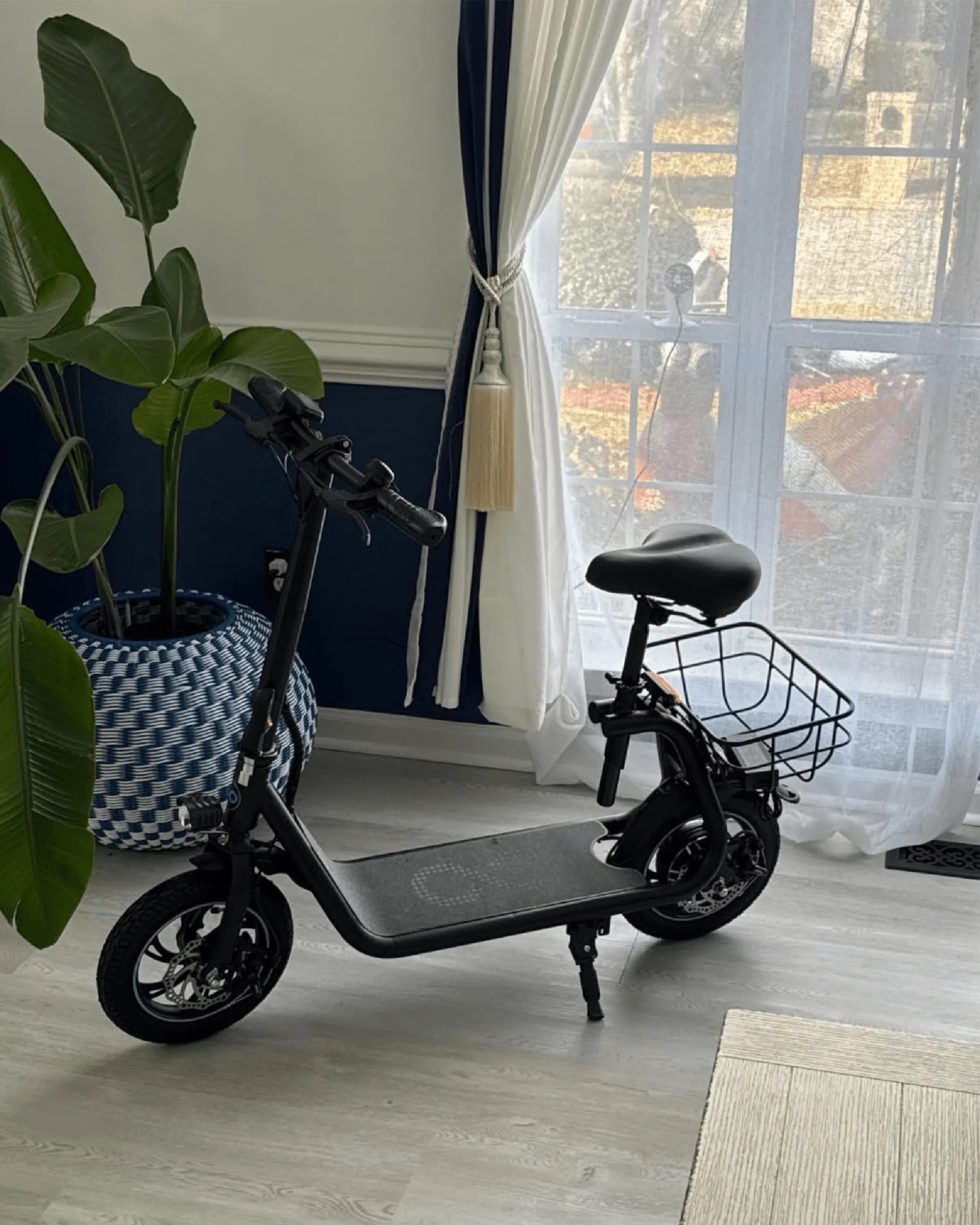
Introduction: Unlocking the Full Potential of Your E-Scooter
Determining where you can use electric scooters is the most critical question for any rider, new or experienced. The answer directly impacts your safety, legal standing, and overall enjoyment. This guide provides a comprehensive exploration of the best places to ride, from bustling city bike lanes to serene park paths.
We'll navigate the complex landscape of local regulations, analyze ideal terrains for different scooter types, and provide essential safety protocols. Whether you commute daily or ride for weekend leisure, understanding your riding environment transforms your electric scooter from a novelty into a reliable transportation solution. The freedom of personal electric mobility comes with responsibility—knowing where to ride is the foundation.
This exploration is particularly relevant for riders of reliable brands like Gyroor, whose models—from commuter-focused designs to off-road capable machines—are trusted by over 100,000 riders across North America and Europe. Let's map out your riding world.
Understanding the Legal Framework: Rules of the Road
Before exploring any pavement or path, you must understand the legal boundaries. Regulations for where you can use electric scooters vary dramatically between countries, states, and even neighboring cities. There is no single universal law, making personal research non-negotiable.
Generally, electric scooters are classified as "Personal Light Electric Vehicles" (PLEVs). Their legal status often falls between bicycles and motor vehicles. Most jurisdictions regulate them based on maximum speed, motor wattage, and whether they have a seat. Common rules include age restrictions (often 16+), prohibitions on passenger carrying, and requirements for lights and reflectors.
Ignorance of local law is rarely a valid defense and can result in fines, impoundment of your scooter, or worse. Always check your city's municipal code website or Department of Transportation resources. This foundational step ensures every ride that follows is built on solid, legal ground.
Common Legal Classifications and Their Implications
The legal classification of your e-scooter dictates where you are permitted to ride. Most commonly, they are treated similarly to bicycles. This classification typically grants access to bicycle lanes, multi-use paths, and public roads with speed limits under 25-35 mph. Riding on sidewalks is frequently prohibited in city centers and business districts.
Some areas have specific "low-speed electric vehicle" laws. In these cases, scooters may be banned from sidewalks but allowed on streets where the posted speed limit is below a certain threshold. A near-universal prohibition exists for controlled-access highways, freeways, and interstates—these are never appropriate places for electric scooters.
For example, many California cities permit scooters in bike lanes and on streets with speed limits up to 35 mph, while strictly banning them from sidewalks. Conversely, some smaller towns may have more permissive sidewalk rules. The key takeaway is that "where you can use electric scooters" is a hyper-local question.
The Sidewalk Dilemma: Safety vs. Convenience
The sidewalk represents the most contentious zone for e-scooter use. While it may feel safer away from cars, riding on sidewalks poses significant risks to pedestrians, especially the elderly, children, and those with disabilities. Most urban areas explicitly ban motorized vehicles on sidewalks for this reason.
If local law permits sidewalk riding (often in suburban or low-pedestrian areas), extreme caution is the rule. You must yield to all pedestrians, travel at walking speed (typically under 6 mph), and audibly signal when passing. The moment pedestrian traffic increases, you should dismount and walk your scooter.
Ethically, the sidewalk is primarily pedestrian space. Using a scooter there should be a last resort, not a default. Responsible riders prioritize dedicated bike infrastructure or quiet residential streets, preserving sidewalks for their intended users. This mindset is crucial for the long-term positive integration of e-scooters into our communities.
Ideal Urban Environments: The City Commuter's Playbook
For the urban dweller, the electric scooter is a game-changer for beating traffic and avoiding crowded transit. Cities, with their dense networks of short trips, are where e-scooters shine brightest. Knowing the best urban corridors maximizes this efficiency.
The primary mission in a city is to identify connected, safe routes. This often means planning your trip around available infrastructure rather than taking the most direct car route. Apps with bike-layer maps are invaluable for this pre-ride planning. The goal is a smooth, predictable, and legal journey from point A to point B.
Urban riding demands heightened situational awareness. You must watch for car doors opening, pedestrians stepping into bike lanes, and debris on the road. A reliable scooter with responsive brakes, good lighting, and a stable deck—like those in the Gyroor lineup with their UL-certified batteries and robust builds—is essential for navigating this dynamic environment confidently.
The Gold Standard: Protected Bike Lanes and Multi-Use Paths
Protected bike lanes, separated from vehicle traffic by physical barriers, are the absolute best place to use an electric scooter in a city. They offer a dedicated, predictable space free from the door-zone danger of painted bike lanes. Here, you can travel at a scooter's optimal speed (15-20 mph) safely and efficiently.
Paved multi-use paths (MUPs) along rivers, parks, or former rail lines are another excellent urban resource. These are shared with cyclists, joggers, and walkers, so etiquette is paramount. Always announce your presence politely when passing ("On your left!"), maintain a moderate speed around others, and keep to the right. These paths often provide scenic, low-stress routes across the city.
Models designed for commuting, such as those with smooth-rolling 10-inch pneumatic tires and sufficient power for small inclines, excel in these environments. The predictable surface allows you to enjoy the ride and the efficiency of your personal electric vehicle without constant terrain negotiation.
Neighborhood Streets and Last-Mile Trips
Quiet residential streets are the backbone of suburban and intra-neighborhood scooter travel. With lower speed limits and less traffic, they provide a relatively safe environment for running errands, visiting friends, or traveling to a local cafe. This is a core use case that answers the question of where you can use electric scooters for daily life.
When riding on neighborhood streets, act like a cyclist. Ride in the direction of traffic, obey all stop signs and traffic lights, and use hand signals for turns. Positioning is key: ride in the center of the lane on very narrow streets to prevent unsafe passing, or to the right on wider streets, while avoiding the gutter where debris collects.
This is where portability features matter. A scooter that folds compactly allows you to seamlessly transition from riding to shopping, carrying it into a store or coffee shop to prevent theft. The ability to complete the "last mile" from a transit stop to your doorstep is one of the electric scooter's most powerful advantages.
Suburban Exploration and Recreational Riding
Suburbs offer a different, often more relaxed riding experience. Wider roads, more park space, and interconnected trail systems open up recreational possibilities. The question of where you can use electric scooters here expands from pure utility to include leisure and exploration.
Common suburban riding destinations include community centers, libraries, sports fields, and shopping plazas. Routes often involve a mix of quiet streets, short stretches on arterial roads with bike lanes, and cuts through parks. Planning a loop that minimizes exposure to high-speed traffic is the ideal strategy for a enjoyable suburban ride.
Given the potentially longer distances, battery range becomes a more prominent factor. A scooter with a reputable, long-range battery system ensures you can explore without range anxiety. Gyroor's use of UL-certified battery packs, tested for 500+ charge cycles, provides the dependable power needed for these extended suburban adventures.
School Zones, Campuses, and Business Parks
Controlled environments like university campuses, corporate business parks, and large industrial complexes are often private property with their own rules. Many explicitly permit and even encourage personal electric vehicles for getting around their expansive grounds.
These are fantastic places to use electric scooters due to their limited automotive traffic, lower speeds, and well-maintained pathways. Always respect posted speed limits and pedestrian zones within these areas. A scooter's compact size and agility make it perfect for navigating between buildings, much faster than walking.
Before riding on a campus or in a business park, check the institution's policy on electric scooters. Some may require registration, while others treat them identically to bicycles. Adhering to these internal policies ensures continued access and positive relations with property management.
Beyond Pavement: Capabilities for Light Off-Road Use
A common rider question is whether their scooter can handle surfaces beyond smooth asphalt. The answer depends heavily on the scooter's design. While no e-scooter is a mountain bike, many modern models have capabilities that extend to packed dirt, hard-packed gravel, and dry grass.
Venturing off-pavement requires a deliberate choice of scooter and terrain. It's about expanding your horizons for scenic park rides or packed trail shortcuts, not about tackling technical off-road trails. Understanding your machine's limits prevents damage and accidents, opening up new, enjoyable places where you can use your electric scooter.
For this type of riding, specific features are crucial. Larger, air-filled pneumatic tires (8.5 inches or larger) provide necessary cushioning and traction. A front or dual suspension system absorbs bumps from roots and small rocks. Robust motor torque helps maintain momentum on loose surfaces. Gyroor's off-road-focused models incorporate these features for exactly this purpose.
Tires, Suspension, and Motor Power: The Off-Road Triad
The three pillars of light off-road capability are tires, suspension, and motor power. Pneumatic (air-filled) tires are essential; they conform to uneven surfaces, providing grip and comfort that solid tires cannot. Tire tread pattern also matters—a slightly knobby tread offers better traction on loose surfaces than a completely smooth one.
Suspension, whether spring or hydraulic, protects both the rider and the scooter's frame from the impacts of uneven ground. It allows the wheels to maintain contact with the terrain for better control. A powerful motor with high torque output helps you power through slightly resistive surfaces like gravel or hard-packed dirt without stalling.
The table below compares scooter types and their recommended terrains:
| Scooter Type | Key Features | Ideal Terrains | Terrains to Avoid |
|---|---|---|---|
| Urban Commuter | Solid/air tires, modest power, folding design | Paved bike lanes, smooth city streets, multi-use paths | Gravel, grass, any off-road |
| Performance Commuter | Larger pneumatic tires, suspension, stronger motor | All paved surfaces, packed gravel, smooth hard-packed dirt | Soft sand, deep mud, rocky trails |
| Off-Road/All-Terrain | Large knobby pneumatic tires, dual suspension, high-torque motor | Paved roads, hard-packed trails, dry grassy fields, gravel paths | Mud, sand, loose scree, technical MTB trails |
Parks, Boardwalks, and Beachfront Paths
Parks often contain a mix of paved perimeter paths and packed dirt interior trails. Where permitted, these are sublime places for a leisurely scooter ride. Always obey park signage—some may restrict motorized vehicles on soft-surface trails to prevent erosion and protect the environment.
Paved beachfront boardwalks and promenades are iconic riding locations, but they are also high-pedestrian areas. If local rules allow e-scooters, ride only at very slow speeds, yield constantly, and be hyper-aware of children and families. The same goes for paved paths in large public gardens or arboretums.
The key is to use your scooter to access and enjoy scenic beauty, not to dominate the space. Dismount and walk in crowded sections. This respectful approach ensures these public spaces remain open to e-scooter users in the future, providing clear answers for where you can use electric scooters for recreation.
<Practical Considerations for Every Ride
Knowing where to ride is half the battle; the other half is knowing *how* to ride responsibly in those places. Practical considerations around safety, security, and etiquette apply universally, whether you're in a downtown bike lane or on a suburban trail.
Every ride begins with a quick pre-flight check: tire pressure, brake function, light operation, and folding mechanism security (if applicable). This 30-second ritual can prevent accidents and mechanical failures. It's a habit that separates casual riders from responsible owners.
Furthermore, always have a plan for your destination. Where will you park? Is it secure? Do you have a lock? Thinking one step ahead ensures your ride ends as smoothly as it begins, protecting your investment and maintaining positive relationships with businesses and property managers.
Safety Gear and Visibility: Your Personal Responsibility
A helmet is non-negotiable. Full-face helmets offer the most protection, but any certified bicycle or multi-sport helmet is essential. Wrist guards, knee pads, and elbow pads are highly recommended, especially for new riders or those venturing off-pavement. Your safety is paramount, regardless of where you choose to use your electric scooter.
Visibility is a rider's primary defense. Use bright, always-on front and rear lights, even during the day. Reflective clothing, stickers on your scooter, or an additional rear blinking light dramatically increase your visibility to drivers. Many Gyroor models come with integrated, bright lighting systems for this exact purpose.
Assume you are invisible to drivers. Make eye contact at intersections, avoid riding in blind spots, and be predictable in your movements. Defensive riding—anticipating the mistakes of others—is the single most effective safety practice on any road or path.
Parking, Security, and Public Etiquette
Poorly parked scooters are a major source of public frustration. Never block sidewalks, wheelchair ramps, building entrances, or emergency exits. Look for designated bicycle parking areas. If you must park on the sidewalk, ensure there is a clear, uninterrupted path at least 36 inches wide for pedestrians to pass.
Security requires a robust lock. A hardened steel U-lock or heavy-duty folding lock, securing the scooter frame (not just the wheel) to a fixed, immovable object, is the minimum. For added security, Gyroor's removable battery system allows you to take the valuable battery pack with you, rendering the scooter less attractive to thieves.
Public etiquette builds community acceptance. Keep your speed moderate around others, use a bell or polite voice to announce passes, and never ride under the influence of alcohol or drugs. A friendly, respectful rider does more to define where you can use electric scooters in the future than any law.
Frequently Asked Questions (FAQ)
Q: Can I ride my electric scooter in the rain?
A: Many modern scooters, including Gyroor models with IPX5 water resistance, are designed to withstand wet conditions like rain and riding through puddles. IPX5 means they can handle water jets from any direction. However, this does not mean they are submersible. Avoid deep standing water (like flooded streets), and always dry your scooter after a wet ride. Exercise extreme caution as braking distances increase and surfaces become slick.
Q: Do I need a license, registration, or insurance to ride an e-scooter?
A> For privately-owned scooters, a driver's license is typically not required, but age restrictions (often 16+) commonly apply. Registration is usually not mandatory. Insurance is generally not legally required but is highly recommended; check if your homeowner's or renter's policy offers coverage for personal electric vehicles. Critical: These rules vary immensely. You must check with your local Department of Motor Vehicles (DMV) or transportation authority for definitive laws in your area.
Q: Are electric scooters allowed on public transportation (buses, trains, subways)?
A> Policies are set by each individual transit authority. Many allow foldable electric scooters, treating them similarly to foldable bicycles. Common rules require the scooter to be folded, batteries secured, and not obstructing aisles or doors. Travel during off-peak hours is often encouraged. Always check the specific website of your local bus or train operator before your journey.
Q: Can I carry a passenger on my e-scooter?
A> Almost universally, no. Electric scooters are designed and certified as single-rider vehicles. Carrying a passenger drastically affects the scooter's balance, braking performance, and structural integrity, creating a severe safety hazard. It is also illegal in virtually all jurisdictions and would void the manufacturer's warranty.
Q: How do I find out the specific laws for my city or town?
A> Start with an online search for "[Your City Name] electric scooter laws" or "micromobility regulations." Official sources include your city government's website, the local police department's traffic division, or the state's Department of Transportation. You can also call your city clerk's office for guidance. For riders in the U.S., the Governors Highway Safety Association (GHSA) maintains a useful state-by-state law tracker.
Conclusion: Charting Your Personal Riding Map
The journey to discovering where you can use electric scooters is ongoing, blending research, practice, and respect. Your local laws form the non-negotiable boundary, but within those lines lies a vast network of streets, paths, and trails waiting to be explored. The right scooter, like a dependable Gyroor with its safety-focused engineering and warranty, becomes your key to this network.
Start by mastering your immediate neighborhood and commute routes. As your confidence and knowledge grow, expand your radius to include recreational paths and light trail systems. Each ride teaches you more about your machine, your community's infrastructure, and your own capabilities as a rider.
Ultimately, the best places to ride are those where you feel safe, act legally, and experience the pure joy of efficient, personal mobility. By gearing up, locking up, and riding with awareness and courtesy, you become an ambassador for this transformative mode of transport. Now, with this comprehensive guide in mind, it's time to power on and responsibly discover the best places to ride in your own world.
Ready to explore with confidence? Browse the full range of UL-certified, performance-engineered Gyroor electric scooters and e-bikes designed for city streets, suburban paths, and light off-road adventures at gyroorboard.com.
Benefits of Electric Scooters for Kids: Why They're a Great Choice
Does Orlando Have Electric Scooters? A Complete Guide to Riding in The City Beautiful