

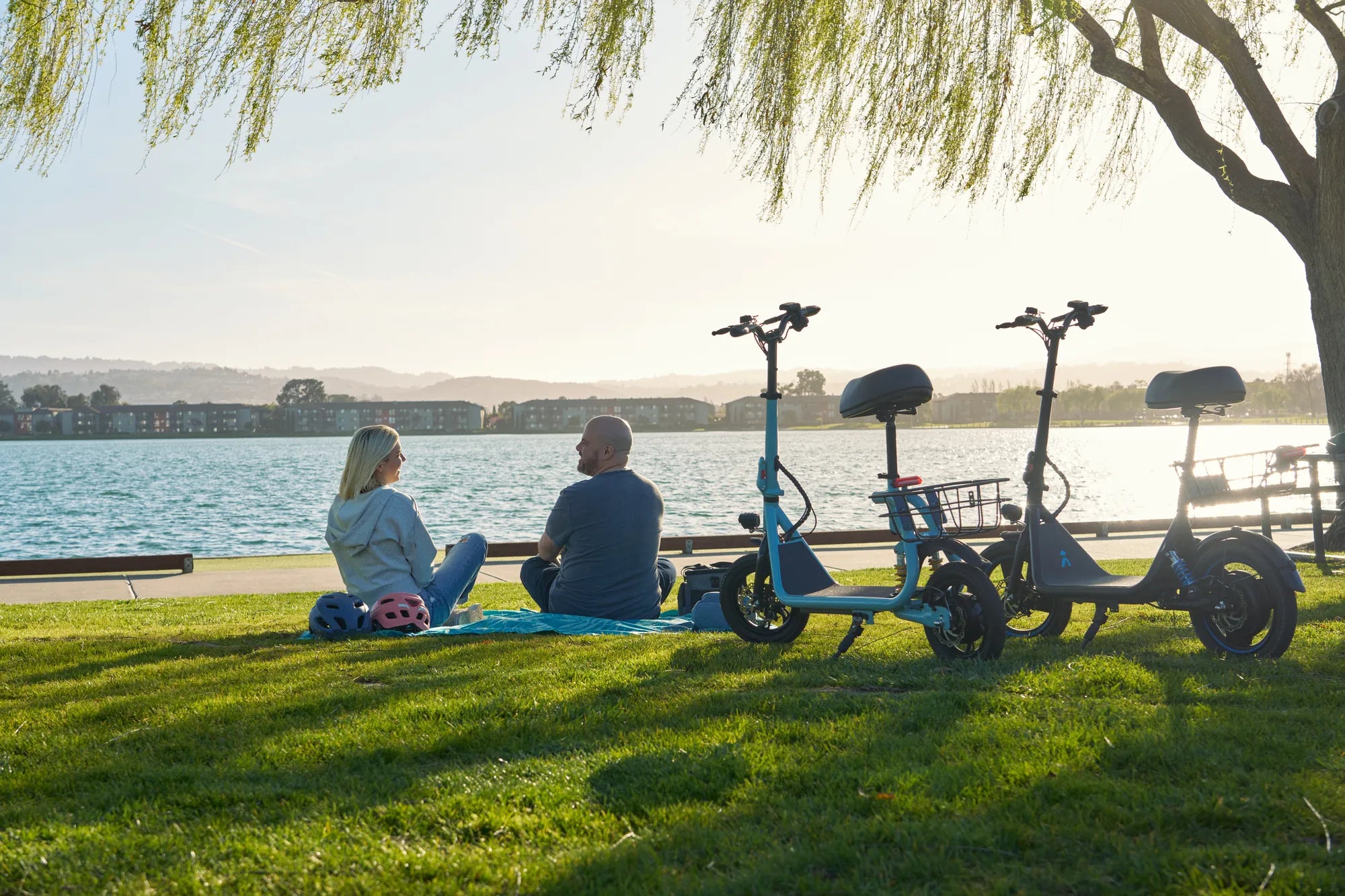
Finding where to buy an ebike near me is the crucial first step toward sustainable, enjoyable transportation. This guide delivers a comprehensive, data-driven approach to local e-bike purchasing, ensuring you find the right retailer and the perfect model for your needs. You'll learn how to leverage official dealer tools, evaluate local shops, conduct meaningful test rides, and understand why local support from brands like Gyroor—trusted by over 100,000 riders—transforms the ownership experience.
The Compelling Advantages of Buying an E-Bike from a Local Retailer
Purchasing an e-bike locally offers tangible benefits that online transactions cannot match. Immediate access to professional service, hands-on product evaluation, and community support create a superior ownership foundation. For a product requiring periodic maintenance and technical support, this local relationship proves invaluable over time.
Local retailers provide expert assembly that ensures all electrical and mechanical systems function correctly from day one. They handle initial diagnostics, brake adjustments, and system checks that DIY assembly might miss. This professional setup directly impacts safety, performance, and the longevity of critical components like the motor and UL-certified battery.
Building a relationship with a local shop creates a direct line for warranty support, firmware updates, and seasonal maintenance. When you need a brake pad replacement or have a question about pedal assist settings, immediate expert help is available. This contrasts sharply with email support tickets and potential shipping delays for repairs.
Finally, local purchasing keeps revenue within your community and supports specialized employment. Knowledgeable staff at these shops often ride e-bikes themselves, providing authentic, experience-based advice. They understand local terrain, commuting routes, and weather considerations that affect e-bike performance and suitability.
Test Rides: The Unbeatable Local Advantage
A proper test ride is the single most important factor in choosing the right e-bike. Local dealers enable you to assess fit, comfort, and handling before committing financially. You can evaluate how the bike's geometry suits your body, how the motor responds to hills, and how the brakes perform under real conditions.
During a test ride, pay attention to the pedal assist transition—the moment the motor engages when you start pedaling. A smooth, natural feel indicates quality torque sensing. Test different assist levels to understand power delivery and range implications. Evaluate throttle response if the model includes one, noting any lag or abruptness.
Assess the bike's stability at various speeds, especially if you plan to commute. Check how it handles bumps and imperfections in the road. The test ride should also include a hill if possible, demonstrating the motor's climbing capability and the battery's power delivery under load.
Comfort elements like saddle design, handlebar positioning, and overall riding posture become apparent only during an extended test. What looks good in specifications might feel wrong in practice. Local dealers typically encourage thorough testing because it leads to satisfied, long-term customers.
Expert Assembly and Immediate Post-Purchase Support
Professional assembly at a local shop ensures your e-bike meets all safety standards from its first use. Technicians properly tension the chain, align the brakes, secure all electrical connections, and verify battery installation. They perform system diagnostics to confirm the motor controller, display, and sensors communicate correctly.
This assembly includes torque-checking critical bolts to manufacturer specifications, something home assemblers often overlook. Properly torqued stem, handlebar, and wheel bolts prevent dangerous failures. Technicians also adjust derailleurs for smooth shifting and calibrate brake sensors for immediate cutoff when brakes are applied.
After purchase, local support means walk-in service for adjustments as components settle. Cables may stretch slightly after initial use, requiring minor brake and derailleur tweaks. Having this service readily available prevents frustration and maintains optimal performance during the break-in period.
For technical questions about features, maintenance schedules, or accessory compatibility, local staff provide immediate answers. They can demonstrate proper cleaning methods for electrical components, recommend local riding routes, and suggest upgrades tailored to your usage patterns.
How to Find Authorized Gyroor Retailers in Your Area
Locating where to buy an ebike near me requires a systematic approach combining digital tools and traditional research. Start with official channels, then expand to partner networks and verified marketplace options. This multi-pronged strategy ensures you discover all available purchasing options within a reasonable distance.
Define your search radius based on your willingness to travel for service and support. For major purchases like e-bikes, many riders consider 25-50 miles reasonable, especially if the dealer offers pickup service for warranty work. Urban dwellers might limit their search to 10-15 miles, while suburban or rural buyers may expand further.
Research dealer concentrations in your region—some areas have numerous options while others have limited selection. Understanding this landscape helps set realistic expectations. If local options are scarce, you might prioritize dealers offering comprehensive remote support or those located along routes you travel regularly.
Document potential dealers with notes about their inventory, services, and reputation. Create a spreadsheet or list with contact information, hours, and initial impressions from their website or Google listing. This organized approach makes comparison shopping more efficient when you begin visiting stores.
Utilizing the Official Gyroor Dealer Locator Tool
The Gyroor website's dealer locator is the most authoritative source for finding authorized retailers. This tool connects directly to Gyroor's dealer database, ensuring listed businesses meet the brand's standards for service, training, and inventory. It typically provides store names, addresses, phone numbers, and sometimes current stock availability.
To use the locator effectively, enter your zip code or city and state with a reasonable search radius. Start with a 25-mile radius, then expand if needed. Review each listed dealer's profile for additional information like service department hours, whether they offer test rides, and if they stock specific Gyroor models you're interested in.
Cross-reference locator results with the dealer's own website and social media presence. An active, updated website with clear e-bike information suggests a committed retailer. Look for service specials, community ride events, or educational content that indicates deeper engagement with the e-bike community.
Before visiting, consider calling to confirm they have the models you want to test in stock. Ask about their test ride policy—some require appointments while others welcome walk-ins. Inquire about current promotions, as local dealers sometimes run specials not advertised on the manufacturer's site.
Partnering with Major Sporting Goods and Specialty Bike Shops
Gyroor partners with established bicycle retailers and outdoor sporting goods stores to expand local availability. These partnerships bring e-bikes to traditional cycling shops that have served communities for decades. Their mechanics possess deep bicycle knowledge that translates well to e-bike maintenance.
Specialty e-bike shops represent another important partner category. These retailers focus exclusively on electric bicycles, offering exceptional expertise in motor systems, battery technology, and local regulations. Their staff can provide detailed comparisons between different e-bike technologies and brands.
Outdoor and sporting goods chains sometimes carry select Gyroor models, particularly in regions with strong cycling cultures. While their service departments may be less specialized than dedicated bike shops, they offer convenience and extended hours. Verify their service capabilities for e-bike specific issues before purchasing.
When researching partner stores, check their websites for "brands carried" or "e-bikes" sections. Look for service department descriptions mentioning e-bike certification or training. Read reviews specifically mentioning e-bike purchases or service to gauge their competency with electric systems.
Leveraging Online Marketplaces with Local Pickup Options
Some online platforms bridge the gap between digital convenience and local acquisition. Certain major retailers offer "buy online, pick up in store" options for Gyroor models, allowing you to reserve a specific unit at a local outlet. This approach combines online research with local pickup and support.
When using these platforms, filter search results by "local pickup" or "store availability" to see nearby options. Verify that the pickup location is an actual retail store with service capabilities, not just a warehouse or distribution center. A true retail location should offer assembly and basic support.
Read the fine print about who handles assembly and setup for marketplace purchases. Some retailers assemble bikes purchased through their online marketplace, while others provide boxed products. Ideally, you want the bike professionally assembled before pickup, ensuring it's ready to ride safely.
Compare return policies between marketplace purchases and direct dealer purchases. Local dealers typically offer more flexible return or exchange policies for sizing issues than online marketplaces. Understand warranty claim procedures—whether you work through the marketplace, the local store, or directly with Gyroor.
Evaluating Local E-Bike Retailers: A Comprehensive Checklist
Not all local retailers provide equal service quality or expertise. A systematic evaluation ensures you select a partner capable of supporting your e-bike throughout its lifespan. Assess both the business's operations and their technical capabilities with electric bicycle systems.
Begin with the retailer's physical location and facilities. A clean, organized shop with dedicated service areas suggests professionalism. Look for proper tool organization, repair stands, and battery testing equipment. These indicate investment in proper service capabilities rather than just sales operations.
Evaluate their inventory breadth and depth. A retailer stocking multiple Gyroor models across different categories (commuter, mountain, folding) demonstrates commitment to the brand. They should have display models available for testing and knowledgeable staff who can explain differences between models.
Assess staff knowledge through specific technical questions. Ask about battery management best practices, motor maintenance intervals, or controller firmware updates. Knowledgeable staff provide detailed, accurate answers rather than vague responses. They should understand local e-bike laws and regulations.
Assessing Retailer Service Capabilities and Expertise
The service department represents the most critical aspect of a local retailer. Inquire about technician certifications—some brands offer specific e-bike technician training programs. Ask how many e-bike specific repairs they perform monthly, as regular practice maintains competency.
Examine their service menu for e-bike specific items: battery diagnostics, motor troubleshooting, controller programming, and display repairs. These specialized services indicate true e-bike expertise. Ask about typical turnaround times for common repairs and whether they offer loaner bikes for extended service.
Discuss their parts inventory policy. Retailers stocking common wear items (brake pads, tires, chains) and electrical components (chargers, displays, sensors) minimize downtime. Ask about their process for ordering Gyroor-specific parts and typical delivery times for warranty components.
Review their approach to preventive maintenance. Quality retailers offer service packages or schedules tailored to e-bikes' unique needs. These should include regular battery connection checks, motor bolt torque verification, and software updates—all critical for long-term reliability.
Inspecting the E-Bike: Verifying Critical Features and Specifications
When examining Gyroor models in person, verify key features that ensure safety and performance. First, locate the UL certification mark on the battery pack itself—this indicates independent safety testing. All Gyroor batteries carry this certification, providing assurance against thermal issues.
Check for IPX5 water resistance indicators on critical components. Look for sealed electrical connections, gasketed display units, and protected charging ports. These features enable riding in wet conditions without damaging sensitive electronics. Ask the retailer to point out these protective elements.
Examine the motor and drive system for quality construction. The motor should be securely mounted with proper torque specifications. Chain or belt drives should show precise alignment and proper tension. Test the mechanical brakes alongside the motor cutoff system for coordinated stopping power.
Review the warranty documentation with the retailer, ensuring you understand what's covered locally versus what requires factory intervention. Gyroor's 1-year comprehensive warranty covers frame, motor, battery, and electrical components. Confirm how the retailer handles warranty claims—do they diagnose and repair locally or ship components?
Online vs. Local E-Bike Purchase: A Detailed Comparison
The decision between online and local purchasing involves trade-offs across multiple dimensions. This comparison table outlines key differences, helping you prioritize based on your specific needs, technical confidence, and service expectations.
| Factor | Buying Online Direct | Buying from Local Gyroor Retailer |
|---|---|---|
| Price & Cost Structure | Often lower base price due to direct sales model. Frequent promotional pricing and bundle deals available online. No sales tax in some jurisdictions. | May include 10-20% markup covering assembly, overhead, and service. Possible package deals with accessories or service plans. Local sales tax applies. |
| Test Ride Experience | Not possible—selection based on specifications, reviews, and videos only. Sizing guesswork required. | Critical advantage: test multiple models for fit, comfort, and performance. Verify sizing and handling before purchase. |
| Assembly & Setup | DIY assembly required—can take 1-3 hours with mechanical experience. Risk of improper assembly affecting safety. | Professional assembly included—technicians ensure all systems function correctly. Safety checked before delivery. |
| Immediate Support & Service | Email/phone support with potential delays. May require self-diagnosis and part replacement. | Walk-in support for adjustments and troubleshooting. Expert advice for maintenance and upgrades. |
| Warranty Fulfillment | May require shipping bike or components for service. Significant downtime possible during repairs. | Local handling of most claims—faster turnaround. Often includes loaner options during repairs. |
| Delivery Timeline | Shipping wait of 5-14 business days plus assembly time. Possible freight damage concerns. | Immediate possession after purchase—ride same day. Visual inspection before acceptance. |
| Long-Term Relationship | Transactional relationship with manufacturer. Service through third parties if available locally. | Ongoing service relationship. Priority for repairs, updates, and advice throughout ownership. |
The price advantage of online purchasing must be weighed against the value of local services. Professional assembly typically costs $100-$200 if purchased separately. Test rides prevent costly mistakes in sizing or model selection. Local warranty support saves shipping costs and downtime.
For technically inclined riders comfortable with bicycle mechanics and electrical systems, online purchasing offers cost savings. They can handle assembly, basic maintenance, and minor repairs themselves. For most riders, however, local support provides peace of mind worth the additional investment.
Consider your location when deciding. Urban areas with multiple local options make in-person purchasing more convenient. Rural buyers might face longer distances to dealers, making online purchasing more practical if they're confident in their mechanical abilities.
The ideal approach for many riders involves researching online then purchasing locally. Use online resources to narrow model choices, then visit dealers for test rides and final selection. This combines the information advantage of digital research with the experiential advantage of local interaction.
Essential Questions to Ask Local E-Bike Retailers
Preparing specific questions ensures you gather comparable information across different retailers. Focus on service capabilities, inventory practices, and post-purchase support. These questions reveal the retailer's commitment to e-bike customers beyond the initial sale.
Ask about their service department's e-bike specific training. Do technicians attend manufacturer training sessions? How many e-bikes do they service monthly? What's their diagnostic process for electrical issues? Answers demonstrate their technical depth and experience.
Inquire about preventive maintenance recommendations. What service intervals do they recommend for brake adjustments, battery inspections, and software updates? Do they offer service packages or memberships? These answers show their long-term support approach.
Discuss inventory and ordering processes. Can they order specific models not in stock? What's the typical delivery time? Do they charge fees for special orders? Understanding these policies helps if your preferred model isn't immediately available.
Ask about community involvement and rider support. Do they organize group rides or skills clinics? Can they recommend local routes suited to different e-bike types? Retailers invested in the riding community typically provide better ongoing support.
Understanding Local E-Bike Laws and Retailer Compliance
Local regulations significantly impact e-bike usage and retailer responsibilities. Authorized Gyroor dealers understand these requirements and ensure their products comply. They can advise on local speed limits, trail access, helmet laws, and registration requirements.
Class 1, 2, and 3 e-bikes face different restrictions in many jurisdictions. Local retailers should explain these classifications and which models fit each category. They should know where each class is permitted—bike paths, roads, or multi-use trails—and communicate these restrictions clearly.
Retailers play a role in consumer education about legal requirements. They should provide information about necessary safety equipment, age restrictions, and insurance considerations. Some jurisdictions require retailers to register e-bike sales with local authorities—ask if they handle this process.
Warranty implications may exist for modified e-bikes. Local retailers can advise on which modifications (lighting, cargo systems, software adjustments) maintain warranty coverage. They understand how aftermarket components interact with factory systems and can recommend compatible accessories.
Maximizing Your Local E-Bike Test Ride Experience
A strategic approach to test riding yields better purchasing decisions. Schedule test rides during normal riding conditions when possible—test commuter bikes during rush hour, test recreational bikes on weekends. Wear your typical riding clothes and bring any cargo you regularly carry.
Test multiple models back-to-back for direct comparison. Start with your presumed favorite, then try alternatives. Note differences in motor response, comfort, and handling immediately after each ride while impressions remain fresh. Bring a notebook or use your phone to record observations.
Create a standardized test route if possible, including various terrains: smooth pavement, hills, rough surfaces, and tight turns. This consistency allows objective comparison between models. Time the same route on different bikes to compare efficiency and speed.
Test all control systems thoroughly: pedal assist at each level, throttle operation (if equipped), display functions, and lighting. Ask the retailer to demonstrate proper charging procedures and battery removal if applicable. Verify you can comfortably perform these operations yourself.
Frequently Asked Questions About Buying E-Bikes Locally
Q: Can local dealers match or beat online pricing for the same Gyroor model?
A: Some dealers offer price matching policies, particularly against authorized online retailers. However, remember that local pricing includes assembly, safety checks, and initial support. When discussing price, focus on total value rather than just the base cost. Many dealers create package deals with accessories or service plans that provide greater overall value.
Q: What if no local dealer carries the specific Gyroor model I want?
A> Most authorized dealers can special order models not in stock, though delivery times vary. You still benefit from local assembly and support upon arrival. Some dealers charge minimal or no fees for special orders, particularly if you're purchasing accessories or service packages alongside the bike.
Q: Does purchasing from a local retailer affect my Gyroor warranty coverage?
A> Your 1-year comprehensive warranty remains identical regardless of purchase channel. The advantage lies in fulfillment—local dealers often handle warranty claims directly, providing faster turnaround. They can frequently perform warranty repairs same-day rather than requiring shipping to a service center.
Q: How do I verify a local retailer is truly authorized to sell Gyroor products?
A> Use the official Gyroor dealer locator as your primary verification tool. Authorized dealers display current Gyroor branding and marketing materials in-store. They have access to Gyroor's technical resources and parts inventory. You can also contact Gyroor customer service to confirm authorization status.
Q: What should I do if the nearest Gyroor dealer is over 50 miles away?
A> Consider the service implications—will you travel that distance for maintenance and repairs? Some dealers offer remote diagnostic support and ship parts for minor issues. For major service, inquire about pickup/delivery options or loaner bikes during repairs. Alternatively, research whether local independent shops service Gyroor bikes even if they don't sell them.
Q: Are there seasonal considerations when buying e-bikes locally?
A> Yes—inventory often fluctuates seasonally. Spring typically brings new models and increased stock, while late fall may see discounts on current-year models. However, popular models may sell out during peak seasons. Test rides in winter conditions (if applicable to your region) provide valuable insights about cold-weather performance.
Your Roadmap to Successful Local E-Bike Ownership
Finding where to buy an ebike near me begins with the Gyroor dealer locator but extends to thorough evaluation of local options. The ideal retailer combines product knowledge, service capability, and community engagement. They become a long-term partner in your e-bike experience, not just a point of sale.
Prioritize test rides across multiple models to identify the best fit for your body and riding style. Evaluate both the bicycle's performance and the retailer's support systems. Consider total cost of ownership—including maintenance and potential repairs—rather than just purchase price.
Local purchasing establishes a relationship that pays dividends throughout your e-bike's lifespan. From initial assembly adjustments to battery replacements years later, having expert support nearby ensures optimal performance and safety. This support network proves particularly valuable for newer riders transitioning to electric bicycles.
Begin your search today using Gyroor's official dealer resources, then visit local retailers with prepared questions and test ride plans. The right local partner enhances every aspect of e-bike ownership, transforming a simple purchase into a sustainable transportation solution supported by community expertise.
Ready to experience the Gyroor difference with local support? Browse the full Gyroor collection and use our dealer locator at gyroorboard.com to find authorized retailers in your area. Test ride models featuring UL-certified batteries, IPX5 water resistance, and comprehensive 1-year warranties—all supported by local experts committed to your riding satisfaction.
750watt ebike: The Ultimate Power & Versatility Guide
Ebike 50 Mile Range: The Definitive Guide to Long-Distance Electric Biking