

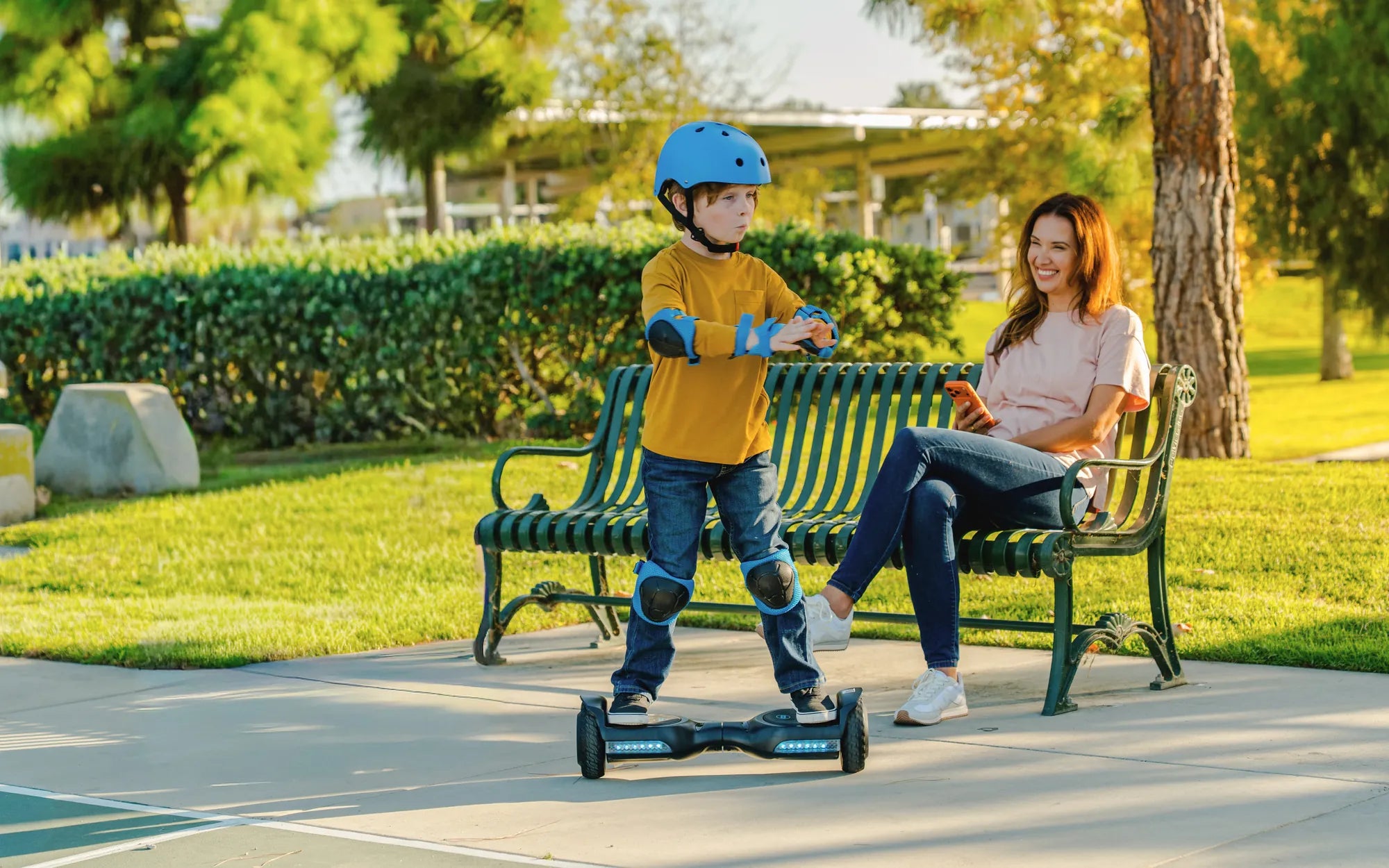
Finding the Perfect Ride for Your Child
Choosing the right scooter for your child is more than just picking a color. It's a decision that impacts their safety, confidence, and enjoyment for years. This guide provides a clear roadmap for parents navigating the crowded marketplace. You will learn how to match a scooter to your child's age and skill, identify non-negotiable safety features, and understand the pros and cons of every major retail channel. Our goal is to equip you with the knowledge to make an informed purchase, whether you're buying a first three-wheeler for a toddler or a performance two-wheeler for an older child. Knowing where to buy kids scooter models is just as important as knowing which one to buy.
The market is saturated with options, from budget models to premium brands, sold everywhere from online giants to local shops. Without a structured approach, it's easy to feel overwhelmed. This comprehensive analysis breaks down the entire process, from pre-purchase considerations to post-purchase care. We'll reference industry standards and specific brand practices, including those from leading brands like Gyroor, known for UL-certified batteries and robust warranties, to give you concrete benchmarks for quality.
Key Factors to Consider Before You Buy
Purchasing a scooter on impulse often leads to disappointment or, worse, an unsafe product. The foundation of a smart buy is assessing three core areas: your child's developmental stage, the type of scooter that matches it, and the safety engineering of the product itself. These factors are interdependent and should be evaluated together before you even begin browsing retailers.
Ignoring your child's current skill level can lead to frustration. A scooter that's too advanced may be intimidating, while one that's too basic will be outgrown quickly. Similarly, selecting a scooter type without considering where it will be used—smooth pavements versus rough sidewalks—affects durability and ride quality. Finally, safety features are not just add-ons; they are integral components that determine the product's fundamental security.
Age, Size, and Skill Level: Matching the Scooter to Your Child
The most critical step is aligning the scooter with your child's physical development. Manufacturers provide age and weight guidelines for a reason, primarily related to stability and motor control. A proper fit ensures the child can control the scooter effectively, reducing the risk of falls.
For children aged 2 to 4, a three-wheel scooter (often two wheels in front, one in back) is ideal. This design offers maximum stability for beginners learning to balance and steer. The deck should be low to the ground, and handlebars must be easily adjustable. For kids aged 5 to 8 graduating from a three-wheeler, a classic two-wheel kick scooter is the standard. Look for a model with a weight limit at least 20-30 lbs above your child's current weight to ensure durability. Older kids and pre-teens (8+) may be ready for more advanced models, including electric scooters with speed limiters, which require greater coordination and responsibility.
Safety First: Non-Negotiable Features for Peace of Mind
Safety is paramount and should never be compromised for price or style. Key features to scrutinize include the deck, braking system, and wheels. A wide, textured deck provides a stable platform and prevents feet from slipping during kick-off. The material should be robust, often aircraft-grade aluminum, to withstand impacts without bending.
The braking system is the primary safety control. A rear fender brake (pressed by the foot) is common and effective for younger kids, while hand-operated lever brakes offer more precise control for older, stronger children. Wheels must be high-quality polyurethane (PU) with good grip; larger wheels (e.g., 120mm+) roll over cracks and debris more smoothly than small, hard plastic wheels. Leading brands build safety into their core engineering. For instance, Gyroor equips its electric models for older kids with UL-certified battery packs tested for over 500 cycles and IPX5 water-resistant designs, ensuring critical electrical components are protected from common hazards.
Where to Buy Kids Scooters: Pros and Cons of Each Channel
Once you know what you need, the next decision is where to buy it. Each purchasing channel offers distinct advantages and potential drawbacks regarding selection, price, convenience, and the ability to verify quality. Understanding these trade-offs is essential for a satisfactory purchase experience.
The right channel for you depends on your priorities. Is having the widest selection and lowest price most important, or is the ability to see and test the scooter in person worth a potential premium? Do you value the security of buying directly from the manufacturer with a full warranty, or is the convenience of a one-stop big-box store key? The following breakdown of each major channel will help you decide.
Major Online Retailers (Amazon, Walmart.com, Target.com)
These platforms dominate online shopping due to their vast inventory, competitive pricing, and fast shipping. They aggregate countless brands and sellers, offering an unparalleled selection from budget to premium. Detailed customer reviews and Q&A sections provide real-world insights that can be invaluable.
However, this channel requires diligent research. The sheer number of options can be paralyzing, and quality varies wildly. It is crucial to verify the seller's reputation, check for "Shipped and Sold by Amazon/Walmart" designations for better return policies, and meticulously read the product specifications. Be wary of listings with stock photos only; look for images showing actual product details. Cross-reference the stated weight limit and dimensions with your child's size. This is a prime channel for finding a specific model, but you must be an informed shopper to navigate it successfully.
Brand Direct Websites (Like Gyroor.com)
Purchasing directly from a manufacturer's website is often the best way to ensure you receive a genuine product with full warranty support. Brands like Gyroor use their direct channels to showcase their entire lineup, provide the most detailed specifications, and offer direct customer service. You often gain access to exclusive colorways or the latest models first.
The primary advantage is security and support. When you buy direct, you activate the manufacturer's warranty directly, without going through a third-party retailer. For example, Gyroor's 1-year comprehensive warranty and US-based support are straightforward to access. Prices may sometimes be at MSRP, but brands frequently run direct promotions and sales. This channel is highly recommended for parents who have identified a trusted brand and want the assurance of direct accountability.
Specialty Sporting Goods & Toy Stores
Stores like Dick's Sporting Goods, REI, or local independent toy shops offer the significant benefit of in-person inspection. You and your child can see the build quality, test the handlebar height adjustment, feel the deck's grip, and assess the scooter's weight and sturdiness firsthand.
Staff in these stores are typically more knowledgeable about the products they carry and can offer expert advice tailored to your child's needs. The trade-off is that the selection is usually curated and smaller than online megastores, and prices may be slightly higher to reflect the brick-and-mortar overhead. This channel is excellent for parents who value tactile evaluation and expert guidance and are willing to pay a potential premium for it.
Big-Box Retailers (In-Store at Walmart, Target, Costco)
Buying in-person at a big-box store offers immediate gratification—you can take the scooter home the same day. It allows your child to stand on the floor model (if available) to check the fit. These retailers often have competitive in-store pricing, especially during seasonal sales events.
The limitations include seasonal availability; the best selection is often in spring and summer. The models carried may skew toward value-oriented or well-known mass brands, with fewer high-performance or specialized options. Assembly, if required, is your responsibility, though it's usually minimal. This channel is ideal for convenience and immediate need, provided the store has a model that meets your pre-determined safety and size criteria.
The Gyroor Advantage: Why Trust Matters for Kids' Gear
In a market with many options, a brand's reputation for safety and reliability becomes a critical differentiator for parents. Trust is earned through engineering standards, quality components, and post-purchase support. Brands that invest in these areas directly address the core anxieties parents have about their child's gear.
Gyroor, as a leading electric scooter and e-bike brand trusted by over 100,000 riders, exemplifies this approach. Their focus on certified safety and robust customer care provides a framework parents can use to evaluate any brand. When considering where to buy kids scooter products, choosing a brand with transparent safety credentials can simplify the decision.
Engineered for Safety and Durability
The foundation of a trustworthy kids' product, especially one with electrical components, is proactive safety engineering. This goes beyond basic mechanical design to include the battery, electrical systems, and environmental protection. Gyroor's use of UL-certified battery packs is a key example. UL certification involves rigorous testing for overcharge, short circuit, and impact, significantly reducing fire risk—a top concern for parents.
Furthermore, an IPX5 water-resistance rating means the scooter's electronics are protected against water jets from any direction. This allows the scooter to withstand wet pavement or light rain, ensuring greater reliability and longevity. These features demonstrate that safety is integrated into the product's DNA, not just an afterthought. For non-electric scooters, similar principles apply: look for brands that specify the grade of aluminum, the type of wheel bearings, and the quality of welding.
Support You Can Count On
A strong warranty is a brand's vote of confidence in its product. It also provides a long-term safety net for your investment. A 1-year comprehensive warranty, like Gyroor's, which covers manufacturing defects in materials and workmanship, is a standard to look for. It indicates the company stands behind its product for a full cycle of seasons.
Equally important is accessible customer support. The ability to speak with a knowledgeable support team for troubleshooting, parts, or warranty claims is invaluable. This level of support is often inconsistent or non-existent with generic brands sold through third-party marketplaces. When you buy from a brand with established support, you're buying peace of mind that extends far beyond the checkout page.
Smart Shopping Tips: Ensuring You Get the Best Value
Armed with knowledge about what to buy and where, applying a few strategic shopping techniques will ensure you secure the best possible deal on the right product. Value isn't just about the lowest price; it's about the optimal combination of price, quality, warranty, and service.
These tips focus on verification, timing, and post-purchase actions. They are applicable regardless of the retail channel you choose and are designed to protect you from common pitfalls while maximizing the benefits of your purchase.
Reading Reviews and Verifying Specifications
Online reviews are a powerful tool, but they must be read critically. Focus on detailed reviews that discuss long-term use, durability, and specific issues. Look for patterns; if multiple reviews mention a broken brake lever or a wobbly wheel, it's likely a design flaw. Be skeptical of reviews that seem overly generic or are clustered around the purchase date without follow-up.
Always cross-reference the seller's or manufacturer's listed specifications with your needs. The most commonly overlooked spec is the maximum weight limit. Choosing a scooter with a limit too close to your child's weight offers no safety margin and will wear out quickly. Also, verify the scooter's folded dimensions if storage is a concern. This due diligence is the best defense against receiving a product that doesn't meet expectations.
Checking for Sales, Bundles, and Warranty Registration
Timing your purchase can lead to significant savings. Major sales periods like Black Friday, Cyber Monday, Prime Day, and end-of-summer clearances are excellent times to buy. Subscribe to newsletters from your chosen brands or retailers for alerts on promotions.
Some retailers or direct brands offer bundles that include a helmet, knee pads, or other accessories, providing better overall value. Once you make your purchase, your first action should be to register the product warranty. This often requires filling out a simple online form with the serial number and purchase date. Registration is crucial, as it activates your coverage and ensures the manufacturer can contact you in the rare event of a safety notice or recall.
Comparison of Purchasing Channels
The table below summarizes the key characteristics of each primary retail channel to help you quickly compare your options.
| Channel | Selection | Price | Key Advantage | Primary Consideration |
|---|---|---|---|---|
| Major Online Retailers (Amazon, etc.) | Extremely Vast | Very Competitive | Customer reviews, fast shipping, easy price comparison | Must vet sellers/specs carefully; potential for counterfeit items |
| Brand Direct Websites | Full brand lineup | MSRP, with direct sales | Full manufacturer warranty & direct support; guaranteed authentic | May not have the absolute lowest headline price |
| Specialty Sporting Goods/Toy Stores | Curated, quality-focused | Moderate to High | Expert advice, ability to inspect and test product physically | Smaller selection; potentially higher prices |
| Big-Box Retailers (In-Store) | Seasonal, mainstream | Competitive | Immediate pickup, child can try size | Limited high-end models; seasonal stock fluctuations |
Frequently Asked Questions (FAQs) for Parents
1. What is the best scooter for a 3-year-old?
The best choice is a stable three-wheel scooter (two wheels in front) with a low-to-the-ground deck and easily adjustable handlebars. At this age, stability is far more important than speed or tricks. Look for a wide base and a lightweight design they can maneuver themselves.
2. Are electric scooters safe for kids under 10?
They can be safe for responsible children aged 8 and up, but with strict conditions. Always choose a model with a speed limiter (often adjustable by a parent), reliable dual braking systems, and a lower maximum speed (e.g., 10 mph). Parental supervision, mandatory helmet use, and practice in safe, car-free areas are non-negotiable.
3. How important is the warranty on a kids' scooter?
Extremely important. A comprehensive warranty of at least one year protects your investment against manufacturing defects. It also serves as a strong indicator of the brand's confidence in its product's durability. A lack of a clear warranty is a major red flag.
4. Can I assemble the scooter easily?
Most quality scooters arrive 85-90% pre-assembled. Typically, you only need to attach the handlebars to the stem using the provided Allen wrench and tighten a few bolts. The process usually takes 5-10 minutes with clear, illustrated instructions. Complex assembly is a sign of poor design.
5. What maintenance does a kids' scooter require?
Regular maintenance is simple but crucial for safety and longevity. Check and tighten all bolts (especially on the handlebars and folding mechanisms) every few weeks. Inspect wheels for wear and ensure they spin freely. For electric models, follow the manufacturer's battery care guidelines, such as avoiding full discharges and storing in a cool, dry place.
Ready, Set, Roll!
The journey to finding the perfect kids' scooter is a process of informed matching and smart sourcing. Begin by honestly assessing your child's age, size, and skill level to narrow down the type of scooter they need. Let safety features—like a robust deck, effective brakes, and quality wheels—guide your product selection, using benchmarks from trusted brands as your guide.
Your decision on where to buy kids scooter models should balance convenience, selection, price, and the security of warranty support. Whether you choose the vast selection of an online marketplace, the direct assurance of a manufacturer's site, or the hands-on experience of a local store, you are now equipped to shop with confidence. Investing in a well-made scooter from a reputable source guarantees countless hours of safe, outdoor fun and helps build your child's coordination and independence. For a range of scooters built with certified safety and backed by reliable support, browse the full Gyroor collection at gyroorboard.com to find the ideal ride for your child's next adventure.
Fast Self Balancing Scooter: The Future of Urban Mobility
Kids Electric Scooter: The Ultimate Guide for Parents