



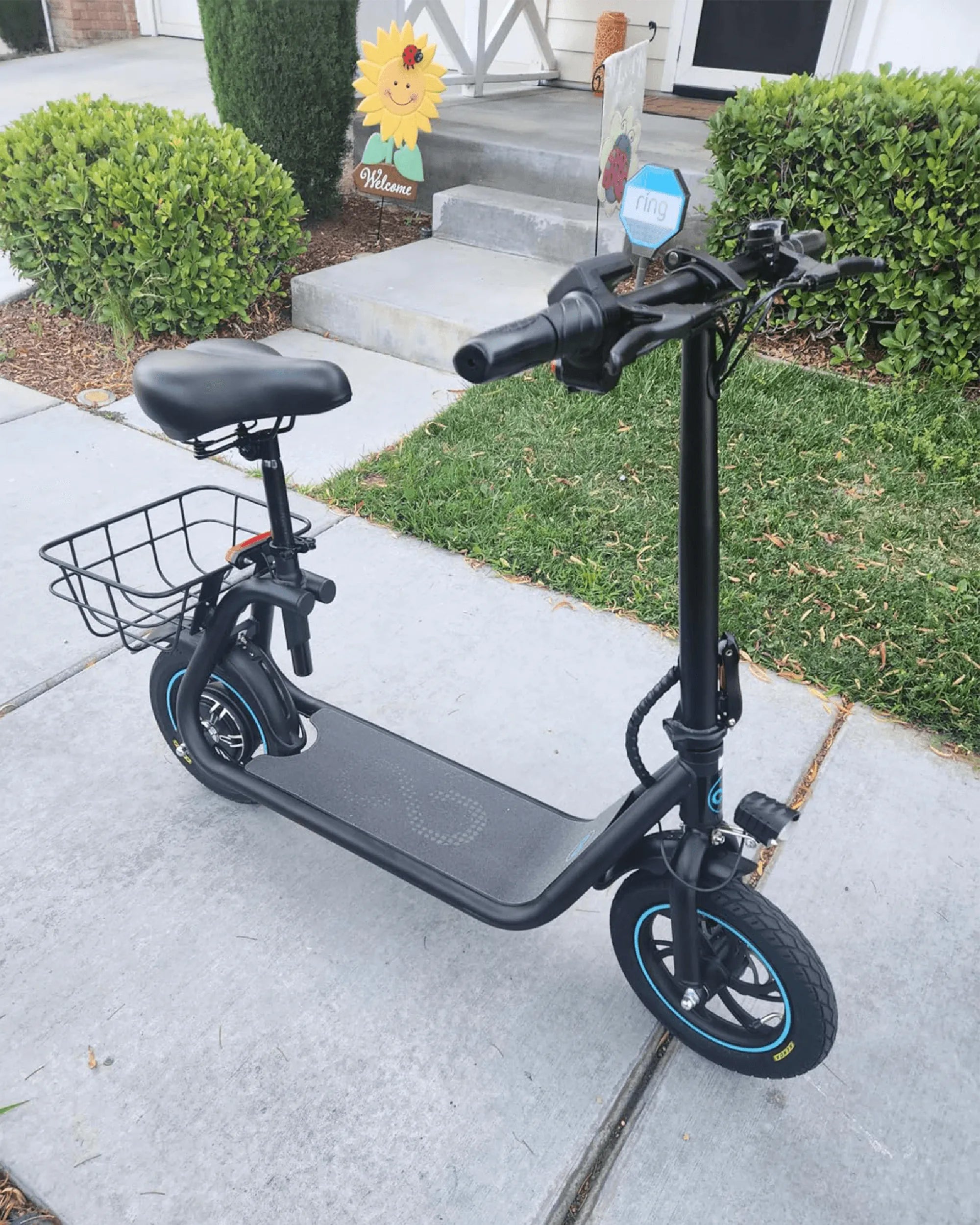
When it comes to powering your bike, the battery you choose can make or break your riding experience. Whether you're a daily commuter or an off-road enthusiast, understanding the differences between dry and liquid batteries is crucial. Let's dive into the details to help you make an informed decision.
Understanding Dry and Liquid Batteries
Dry batteries, also known as maintenance-free or sealed batteries, are designed to operate without the need for regular fluid checks. They are typically filled with a gel or absorbent glass mat (AGM) that immobilizes the electrolyte, making them spill-proof and more durable in rough conditions.
Liquid batteries, on the other hand, are the traditional lead-acid batteries that require periodic maintenance. These batteries use a liquid electrolyte solution that needs to be topped up with distilled water to maintain optimal performance. They are generally more affordable but demand more attention.
Pros and Cons of Dry Batteries
Advantages
- Maintenance-free: No need to check or refill electrolyte levels.
- Spill-proof: Safer for off-road or rough terrain riding.
- Longer lifespan: Typically lasts longer than liquid batteries.
- Better vibration resistance: Ideal for bikes exposed to constant bumps.
Disadvantages
- Higher initial cost: More expensive upfront compared to liquid batteries.
- Limited availability: Not all bike models support dry batteries.
- Slower recharge rate: Takes longer to recharge fully.
Pros and Cons of Liquid Batteries
Advantages
- Cost-effective: Cheaper to purchase initially.
- Wider compatibility: Fits most bike models without modifications.
- Faster recharge: Quicker to recharge compared to dry batteries.
Disadvantages
- High maintenance: Requires regular electrolyte checks and top-ups.
- Prone to spills: Not ideal for rough or uneven terrain.
- Shorter lifespan: Needs replacement more frequently.
Key Factors to Consider
Choosing between dry and liquid batteries depends on several factors:
Riding Conditions
If you frequently ride on rough or uneven terrain, a dry battery is the better choice due to its spill-proof design and vibration resistance. For smooth city commuting, a liquid battery might suffice.
Maintenance Preferences
If you prefer a hassle-free option, go for a dry battery. But if you don't mind periodic maintenance, a liquid battery could save you money upfront.
Budget
Dry batteries cost more initially but last longer, while liquid batteries are cheaper but may require more frequent replacements.
Bike Compatibility
Check your bike's specifications to ensure compatibility with your chosen battery type. Some bikes are designed to work optimally with one type over the other.
Which Battery Is Best for Your Bike?
There's no one-size-fits-all answer. Dry batteries excel in durability and convenience, making them ideal for adventurous riders. Liquid batteries, while more affordable, demand regular upkeep and are better suited for budget-conscious riders with stable riding conditions.
Ultimately, the best battery for your bike depends on your riding style, maintenance willingness, and budget. Weigh the pros and cons carefully to make the right choice for your needs.
Ready to upgrade your bike's power source? Whether you choose dry or liquid, picking the right battery will ensure a smoother, more reliable ride every time.
Step Through Electric Mountain Bike UK: The Ultimate Off-Road Adventure Companion
New Electric Bike 2025: The Future of Sustainable Transportation