

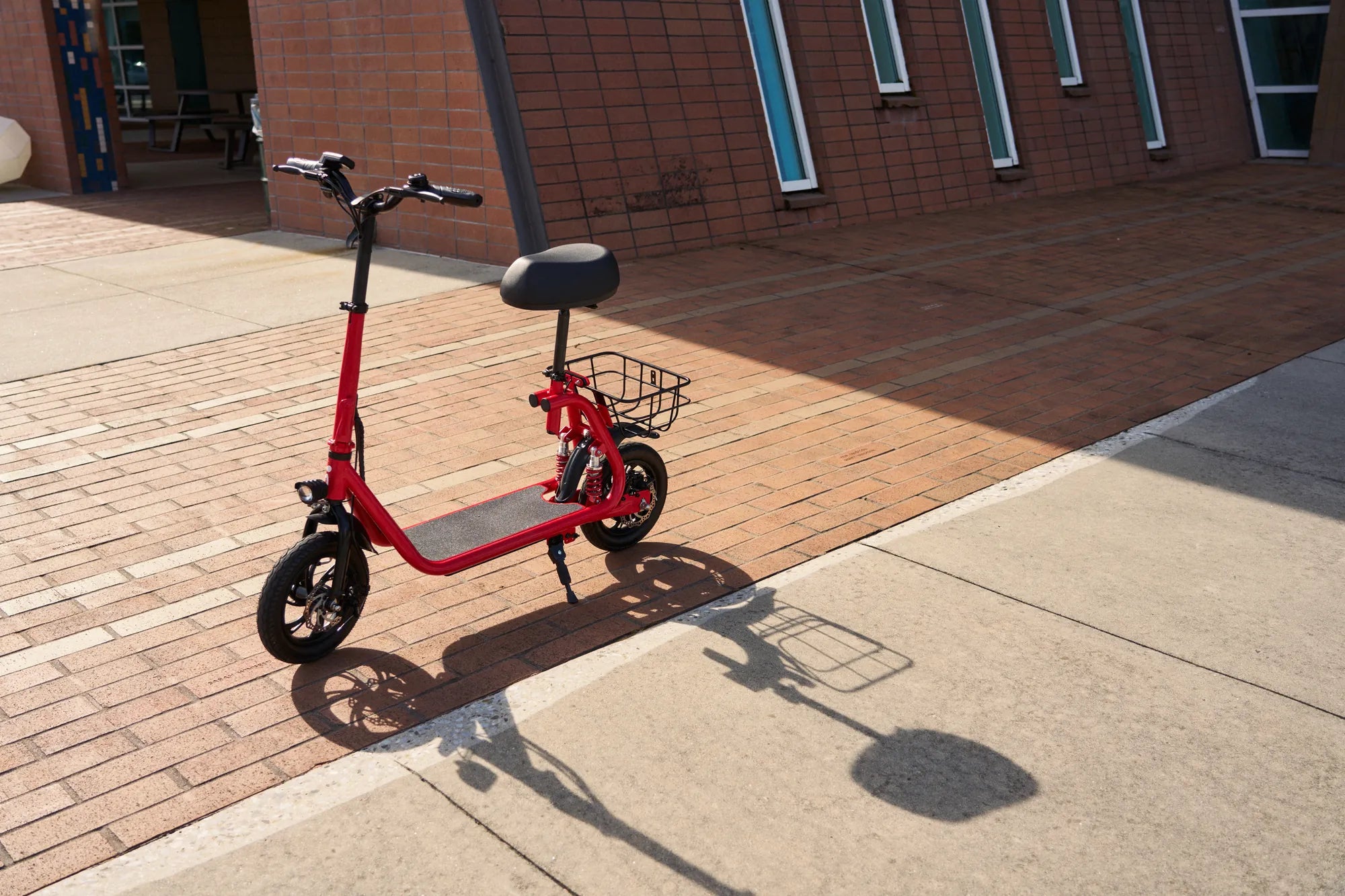
Electric bikes have revolutionized urban commuting and outdoor adventures, but the heart of any e-bike lies in its battery. With so many options available, how do you determine which company battery is best for your electric bike? Whether you're a daily commuter or a weekend trail rider, the right battery can make all the difference in performance, range, and longevity. Let's dive into the essentials to help you find the perfect match.
Key Factors to Consider When Choosing an E-Bike Battery
Before settling on a battery, it's crucial to understand the factors that influence its performance and suitability for your needs. Here are the most important considerations:
- Battery Chemistry: The most common types are lithium-ion (Li-ion), lithium iron phosphate (LiFePO4), and nickel-metal hydride (NiMH). Li-ion batteries are lightweight and offer high energy density, while LiFePO4 batteries are known for their safety and long lifespan.
- Capacity (Ah or Wh): Measured in ampere-hours (Ah) or watt-hours (Wh), capacity determines how far your e-bike can travel on a single charge. Higher capacity means longer range but also adds weight.
- Voltage: Most e-bikes use 36V, 48V, or 52V batteries. Higher voltage generally provides better performance and efficiency.
- Weight and Size: A lighter battery improves handling, but larger capacities often mean more weight. Balance is key.
- Charging Time: Faster charging is convenient, but it may reduce battery lifespan if not managed properly.
- Cycle Life: This indicates how many charge-discharge cycles a battery can handle before its capacity degrades significantly.
- Price: Higher-quality batteries often come at a premium, but they can save money in the long run due to better durability.
Top Battery Types for Electric Bikes
Not all batteries are created equal. Here’s a breakdown of the most popular types used in e-bikes today:
Lithium-Ion (Li-ion) Batteries
Li-ion batteries dominate the e-bike market due to their high energy density, lightweight design, and relatively long lifespan. They charge quickly and perform well in various temperatures, making them a versatile choice for most riders.
Lithium Iron Phosphate (LiFePO4) Batteries
LiFePO4 batteries are gaining popularity for their exceptional safety and longevity. They are less prone to overheating and can endure more charge cycles than standard Li-ion batteries. However, they are slightly heavier and more expensive.
Nickel-Metal Hydride (NiMH) Batteries
Once common in older e-bikes, NiMH batteries are now less popular due to their lower energy density and heavier weight. They are more affordable but offer shorter lifespans compared to lithium-based options.
How to Identify a High-Quality E-Bike Battery
With so many options on the market, distinguishing a high-quality battery from a subpar one is essential. Look for these indicators:
- Certifications: Reputable batteries carry certifications like UL, CE, or RoHS, ensuring they meet safety and environmental standards.
- Warranty: A longer warranty period (e.g., 2-3 years) often reflects the manufacturer's confidence in their product.
- Customer Reviews: Real-world feedback from other riders can provide valuable insights into performance and reliability.
- Brand Reputation: Established companies with a track record in battery technology are generally more trustworthy.
- Battery Management System (BMS): A good BMS protects the battery from overcharging, overheating, and deep discharge, extending its lifespan.
Tips to Maximize Your E-Bike Battery Life
Even the best battery won’t last forever, but proper care can significantly extend its life. Follow these tips:
- Avoid Full Discharges: Try to recharge your battery before it drops below 20% capacity.
- Store Properly: If not using your e-bike for extended periods, store the battery at around 50% charge in a cool, dry place.
- Use the Right Charger: Always use the charger provided by the manufacturer or one that meets the same specifications.
- Keep It Clean: Regularly inspect and clean the battery terminals to prevent corrosion.
- Avoid Extreme Temperatures: High heat or freezing conditions can damage the battery and reduce its efficiency.
Common Myths About E-Bike Batteries
Misinformation can lead to poor decisions. Let’s debunk some common myths:
- Myth: "You should always fully discharge your battery before recharging." Fact: Modern lithium batteries perform better with partial discharges.
- Myth: "All e-bike batteries are the same." Fact: Quality varies widely based on materials, construction, and technology.
- Myth: "Higher capacity always means better performance." Fact: A battery must match your e-bike’s motor and controller for optimal performance.
Choosing the best battery for your electric bike doesn’t have to be overwhelming. By understanding the key factors, evaluating battery types, and following maintenance tips, you can enjoy a smoother, longer-lasting ride. Whether you prioritize range, weight, or durability, the right battery is out there—ready to power your next adventure.
12v 2.5ah Battery for Bike: The Ultimate Guide to Powering Your Ride
Electric Mini Bike 30 MPH: The Ultimate Urban Commuter for Speed and Convenience