



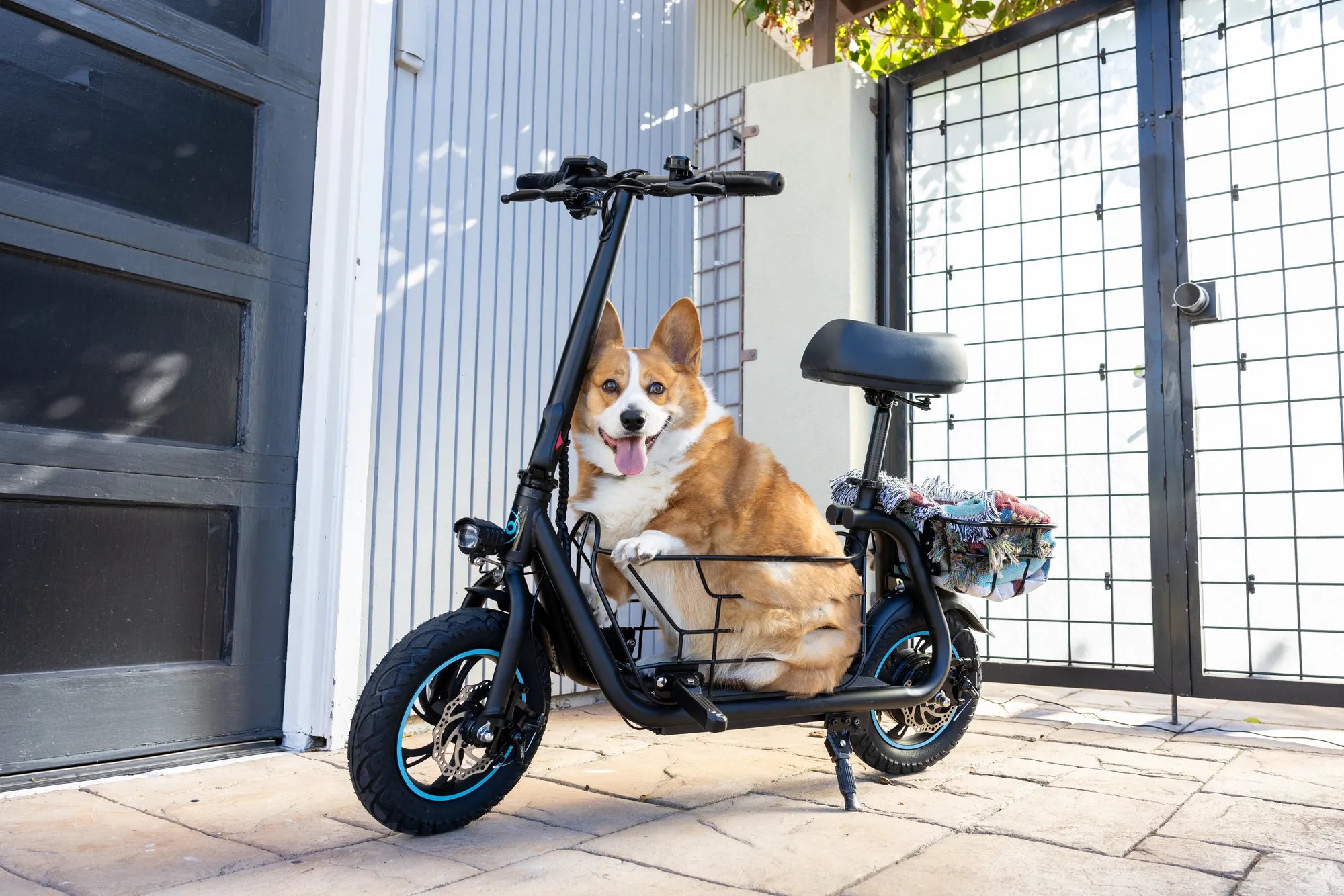
Are you looking for an electric bike that lets you ride freely without the hassle of licensing? The good news is that many electric bikes fall into this category, but understanding the regulations and features is key. In this guide, we'll break down everything you need to know about electric bikes that don't require a license, so you can make an informed decision and enjoy the open road.
Understanding Electric Bike Classes
Electric bikes are typically categorized into three classes based on their speed and power output. Knowing these classifications will help you determine which models don't require a license.
Class 1 Electric Bikes
Class 1 e-bikes are pedal-assist only, meaning the motor only engages when you pedal. They have a maximum assisted speed of 20 mph and do not require a license in most regions. These bikes are ideal for casual riders and commuters who want a little extra help without dealing with legal restrictions.
Class 2 Electric Bikes
Class 2 e-bikes feature a throttle-assisted mode, allowing you to ride without pedaling. Like Class 1, they are limited to 20 mph and generally don't require a license. This makes them a popular choice for those who want flexibility in how they ride.
Class 3 Electric Bikes
Class 3 e-bikes can reach speeds up to 28 mph but are usually pedal-assist only. Licensing requirements vary by location, so it's important to check local laws. In many areas, these bikes do not require a license, but some regions may have additional restrictions.
Key Features of License-Free Electric Bikes
If you're aiming to avoid licensing, focus on e-bikes with the following features:
- Low Power Output: Motors with 750 watts or less are often exempt from licensing.
- Speed Limit: Bikes capped at 20 mph (or 28 mph in some cases) typically don't require a license.
- Pedal-Assist or Throttle: Most license-free e-bikes fall into Class 1 or Class 2.
Legal Considerations by Region
Laws regarding electric bikes vary widely depending on where you live. Here's a quick overview of general regulations:
United States
In the U.S., federal law defines electric bikes with motors under 750 watts and speeds below 20 mph as bicycles, meaning no license is required. However, some states may have additional rules, so always check local regulations.
European Union
The EU classifies e-bikes with motors up to 250 watts and speeds under 15.5 mph as pedal cycles, exempting them from licensing. Faster models may require registration or a license.
Other Regions
Countries like Canada and Australia have their own classifications, but most follow similar principles—lower power and speed limits mean fewer legal hurdles. Always verify local laws before purchasing.
Benefits of Choosing a License-Free Electric Bike
Opting for an e-bike that doesn't require a license comes with several advantages:
- Cost Savings: Avoid registration fees, insurance, and licensing costs.
- Ease of Use: No need to pass tests or meet additional requirements.
- Accessibility: Great for riders of all ages and experience levels.
What to Look for When Buying
If you're in the market for a license-free electric bike, consider these factors:
- Battery Life: Ensure the bike can handle your daily commute or rides.
- Build Quality: Look for durable frames and reliable components.
- Comfort: Test ride to check ergonomics and suspension.
- Price: Balance affordability with the features you need.
Ready to hit the road without the red tape? By choosing the right electric bike, you can enjoy effortless riding while staying within legal limits. Whether you're commuting, exploring, or just cruising, a license-free e-bike offers freedom and convenience like no other.
How Far Will an Electric Bike Go Without Pedaling: The Ultimate Range Guide
Best Electric Bike Under $1500 2025: Top Picks for Budget Riders