



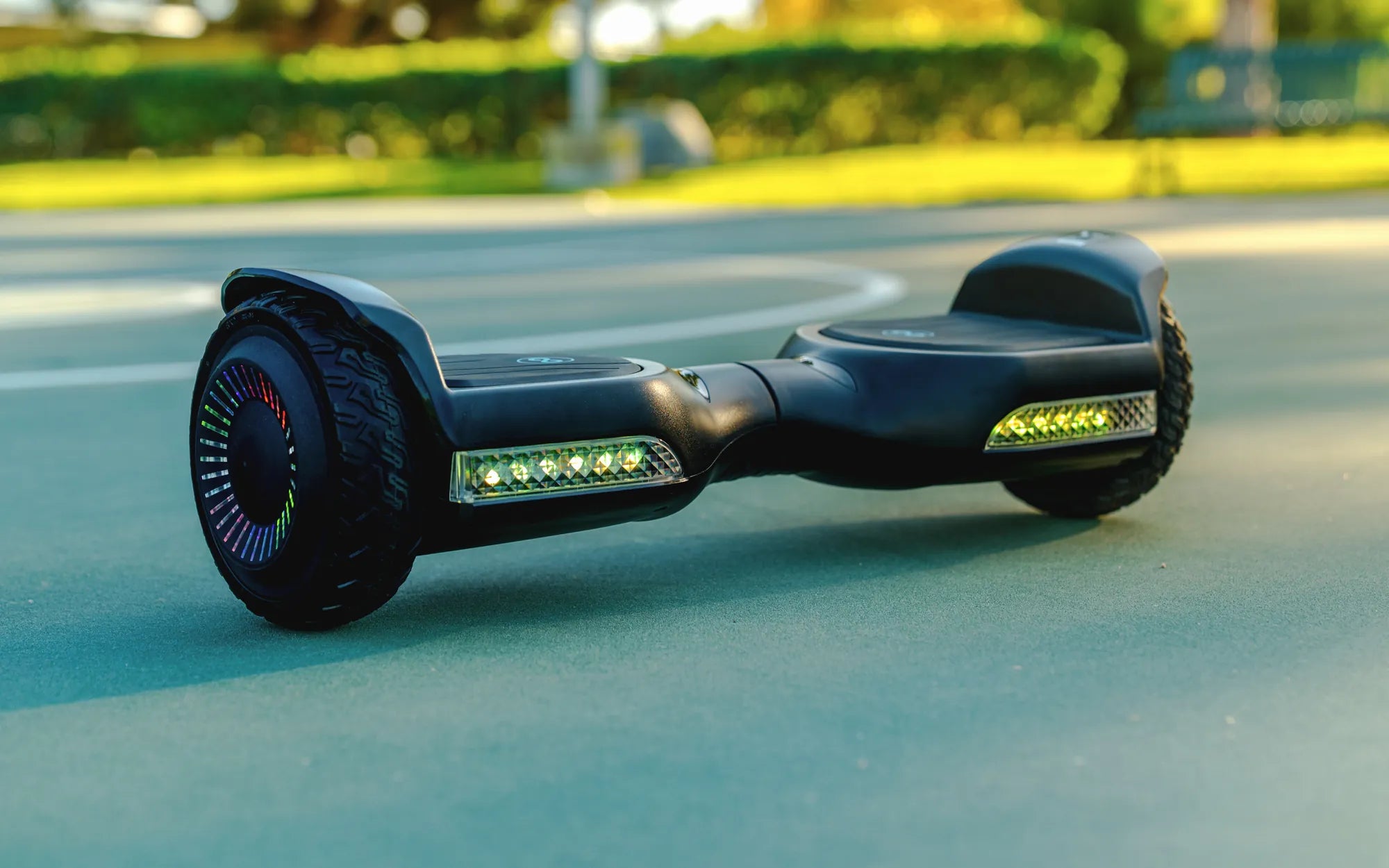
Imagine gliding effortlessly above the ground, defying gravity like a scene straight out of a sci-fi movie. Hoverboards have captured our imaginations for decades, yet they remain conspicuously absent from our daily lives. Why is that? The answer lies in a mix of physics, engineering hurdles, and the gap between fiction and reality.
The Physics of Hovering
Hovering requires overcoming gravity without physical contact with the ground. Current technology relies on magnetic levitation (maglev) or air propulsion, but both face significant limitations. Maglev, for instance, demands conductive surfaces, making it impractical for everyday use. Air propulsion, on the other hand, requires immense energy and generates noise and instability.
Energy and Power Challenges
Even if we could engineer a hoverboard, powering it sustainably is another hurdle. Batteries capable of supplying the necessary energy would be bulky and short-lived. Renewable energy sources like solar panels lack the efficiency to keep a hoverboard airborne for meaningful durations.
Safety and Practicality
Hoverboards would introduce unprecedented safety risks. Without friction, stopping or steering becomes a complex problem. Accidents could lead to severe injuries, and regulatory bodies would likely impose strict limitations on their use.
The Role of Science Fiction
Science fiction often glosses over the technical details, presenting hoverboards as sleek, effortless devices. In reality, the laws of physics don't bend so easily. While researchers continue to explore anti-gravity and advanced propulsion, breakthroughs remain elusive.
Future Possibilities
Advances in superconductors, quantum levitation, or even entirely new physics could one day make hoverboards feasible. Until then, they remain a tantalizing dream—a symbol of what could be, if only science and technology align.
The dream of hoverboards isn't dead—it's just waiting for the right moment in history. Until then, we'll have to settle for wheels and a little imagination. Who knows? The future might just surprise us.
Things to Do with Hoverboards: Fun and Creative Activities for All Ages
Hoverboards Don't Work on Water: The Science Behind the Limitation