


Decoding the Question: Why Did My Young Scooter Run?
The search query "why did young scooter run" presents a fascinating case of digital ambiguity. For some, it points to the Atlanta-based rapper. For a growing community of urban commuters and enthusiasts, it's a literal cry for help: "Why did my new, or 'young,' electric scooter malfunction?" This guide is dedicated to the latter group, transforming confusion into clarity. We'll dissect the technical and environmental reasons a personal transporter might fail, accelerate unexpectedly, or simply stop running, providing you with the knowledge to diagnose, prevent, and solve these issues safely.
Understanding why an electric scooter acts up is not just about convenience; it's a critical component of rider safety and vehicle longevity. A scooter that suddenly loses power in traffic or experiences a throttle fault can be dangerous. By exploring the core systems—power, control, braking, and durability—we empower you to become a more informed and prepared rider. This knowledge is especially vital as the market floods with options of varying quality and safety standards.
So, why did your young scooter run into trouble? The answers typically lie in a few key areas: battery health, electronic controls, mechanical integrity, and exposure to the elements. Each component must work in harmony for a smooth, predictable ride. When one fails, the scooter's behavior can become erratic, leading to the very problems that prompt searches like "why did young scooter run." Let's begin our diagnostic journey with the most common culprit: the power system.
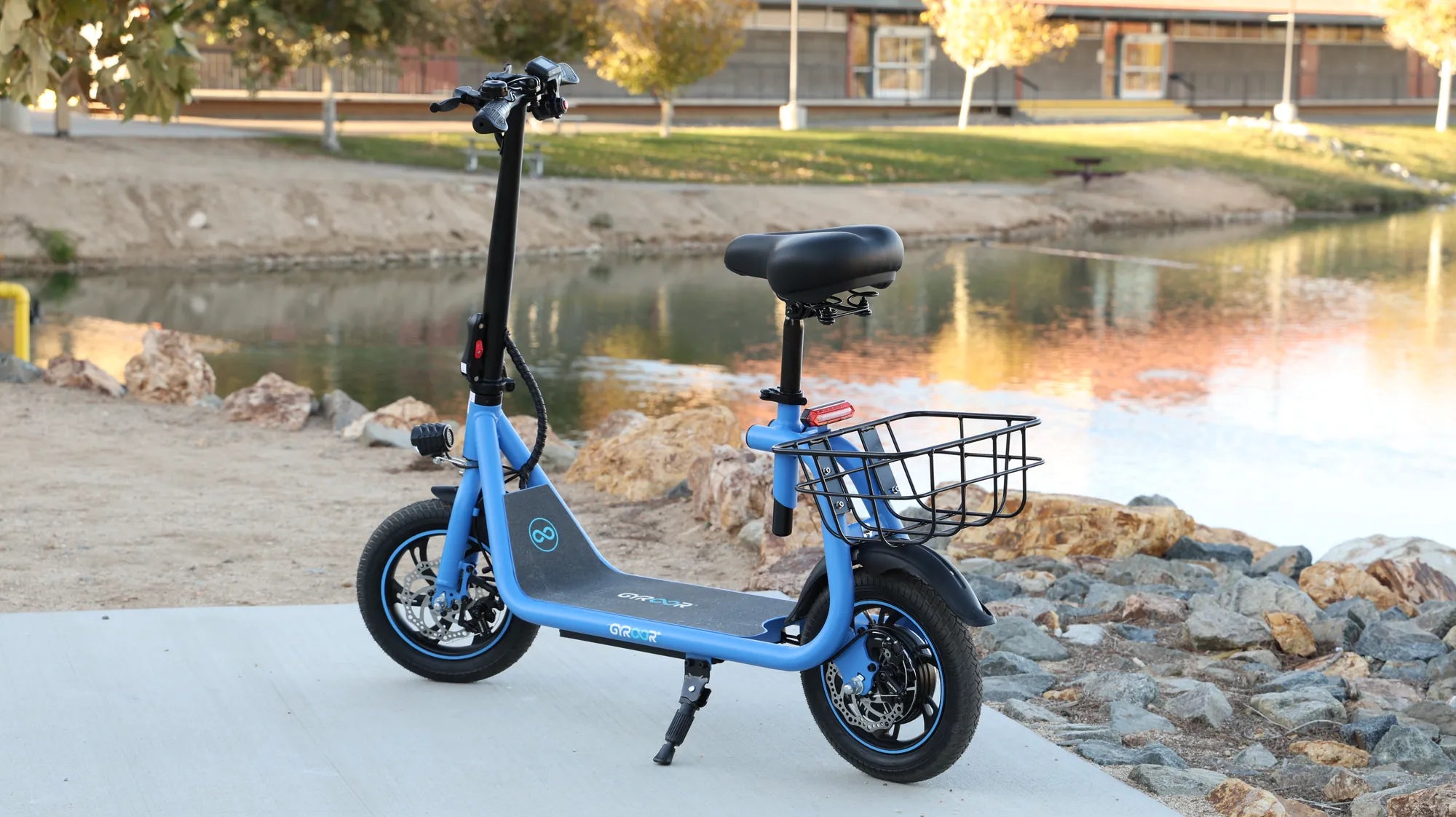
Throughout this investigation, we'll highlight how choosing a scooter built with foresight, like those from Gyroor, mitigates these risks from the start. With over 100,000 riders trusting their commute to the brand's UL-certified batteries and robust designs, the focus shifts from reactive troubleshooting to proactive confidence on the road.
Top Reasons Your Electric Scooter Malfunctions
When an electric scooter "runs" into problems, it's almost always a symptom of a specific subsystem failure. These issues range from sudden, complete shutdowns to subtle performance degradations that worsen over time. Identifying the root cause is the first step toward a reliable solution. The most frequent failures involve the scooter's heart, its nerves, its brakes, and its resilience against the environment.
A systematic approach to these malfunctions not only fixes the immediate issue but also extends the overall life of your vehicle. Riders who understand these common pitfalls can perform better pre-ride checks and make more informed purchasing decisions. Let's break down the primary categories, starting with the component that provides the essential spark: the battery and power delivery system.
Power and Battery Issues: The Heart of the Problem
The battery pack is the single most critical component of an electric scooter. Problems here manifest as a sudden loss of power, significantly reduced range, or a complete failure to start. A scooter with a failing battery might "run" for a few minutes before dying unexpectedly, leaving you stranded. Loose connections between the battery and the controller can also cause intermittent cut-outs, making the scooter feel unreliable.
Beyond simple discharge, battery issues can be safety hazards. Low-quality or damaged lithium-ion cells are prone to overheating, voltage sag, and in extreme cases, thermal runaway. This is why the certification of the battery is non-negotiable. Gyroor equips all its models with UL-certified battery packs, tested for over 500 charge cycles. This certification is a rigorous third-party validation of safety and durability, drastically reducing the risk of fire and ensuring consistent performance that prevents the scooter from failing mid-ride.
Proper charging habits are also crucial. Consistently draining the battery to 0% or leaving it plugged in at 100% for extended periods accelerates capacity loss. Using the manufacturer-provided charger is essential, as off-brand chargers can deliver incorrect voltage, damaging the battery management system (BMS) and leading to premature failure. A healthy battery is the foundation of a scooter that runs correctly, every time.
Throttle and Acceleration Faults: Losing Control
Perhaps the most alarming interpretation of "why did young scooter run" is a literal runaway—unintended acceleration. This is typically caused by a faulty throttle or a malfunctioning electronic speed controller (ESC). Throttles can become physically stuck due to debris or internal wear, sending a continuous "go" signal to the motor. Alternatively, moisture ingress can cause a short circuit in the throttle wiring or the ESC itself, commanding full power without rider input.
Modern scooters often use hall-effect sensor throttles, which can fail electronically. A sudden surge of power or acceleration that doesn't match your throttle input is a major red flag. If this occurs, your immediate action should be to firmly apply the brakes, steer to a safe stop, and power the scooter off completely. Do not attempt to ride a scooter with a suspected throttle fault.
Prevention involves keeping the throttle assembly clean and dry. For commuters, this highlights the importance of a scooter's ingress protection rating. A design that seals electronic components from the elements is key. Regular inspection for smooth throttle return and the absence of sticking points is a simple but vital part of a pre-ride check. When control is compromised, the scooter isn't running for you; it's running away from you.
Braking System Failures: The Inability to Stop
While not a direct cause of a scooter "running," brake failure directly contributes to a loss of control and the sensation of the vehicle operating unsafely. Most electric scooters use a combination of electronic regenerative braking and mechanical disc or drum brakes. If the regen brake disengages or the mechanical brake pads are worn out, your stopping distance increases dramatically.
A more subtle issue involves brake cut-off sensors. These safety features are designed to cut power to the motor the moment you squeeze the brake lever, preventing conflicting throttle and brake inputs. A faulty sensor may not send this signal, allowing the motor to continue applying power even while you're braking, making the scooter feel like it's fighting to run forward. This not only feels dangerous but also puts excessive strain on the brake system.
Regular maintenance is the solution. Check brake pad thickness monthly if you ride daily. Listen for grinding noises and test brake lever tension. Ensure the brake cut-off function is working by gently pulling the lever while lightly applying the throttle (with the scooter lifted off the ground). A reliable braking system is what turns a powerful run into a controlled, safe stop.
Water Damage and Environmental Factors
Water is the arch-nemesis of electronics. Riding through a deep puddle or getting caught in a downpour can lead to immediate or gradual failure. Corrosion on connectors, short circuits in the controller, and waterlogged motor bearings can all cause a scooter to behave erratically, lose power, or shut down permanently. This is a prime reason a young scooter might stop running after its first encounter with wet conditions.
The level of protection is defined by the IP (Ingress Protection) rating. Many budget scooters have minimal or no stated water resistance. Gyroor designs its commuter scooters with an IPX5 rating. This means the scooter's critical components are protected against water jets from any direction, making it resilient against heavy rain and road spray. It’s a fundamental design choice that directly addresses one of the most common real-world failure points.
Beyond water, physical impacts from potholes or curbs can loosen internal wiring, damage the battery casing, or misalign the motor. Dust and debris can jam mechanical parts and clog cooling vents. Choosing a scooter built with a robust frame and proper sealing, and riding with awareness of the terrain, are the best defenses against environmental damage that leads to a breakdown.
Gyroor’s Proactive Design: Engineering Out the Problems
Reactive troubleshooting is useful, but the superior strategy is to own a scooter designed to prevent common failures from occurring. This is where engineering philosophy and component quality separate reliable brands from the rest. Gyroor’s approach focuses on certifying critical safety components, sealing the scooter against the elements, and backing the product with robust support—directly targeting the root causes explored above.
By investing in these foundational aspects, the frequency of asking "why did my young scooter run into trouble" diminishes significantly. The rider's experience shifts from managing problems to enjoying consistent, predictable performance. Let's examine the specific design and policy features that make this possible, providing a clear contrast to generic, uncertified alternatives on the market.
The UL-Certified Battery Advantage
The battery is not a component where compromise is acceptable. UL certification (from Underwriters Laboratories) is the global benchmark for electrical safety. For an e-scooter battery pack to earn this mark, it must pass a battery of extreme tests for overcharge, short circuit, crush, impact, and vibration. It verifies the quality of the cells, the integrity of the battery management system (BMS), and the safety of the enclosure.
This certification directly prevents the scooter from "running" into catastrophic power issues. The BMS in a UL-certified pack, like those in all Gyroor models, prevents over-discharge (which kills cells) and overcharging (a fire risk). It manages cell balancing for maximum lifespan and includes thermal protection. The result is a battery that delivers its advertised range reliably, charges safely, and withstands the rigors of daily commuting without sudden failure. It’s the most important investment in safety a scooter brand can make.
IPX5 Water Resistance: Built for Real Commutes
An IP rating is a promise, not a marketing term. The "IPX5" specification on Gyroor scooters has a precise meaning: protected against low-pressure water jets (6.3mm nozzle) from any direction. In practical terms, this means you can confidently ride in steady, heavy rain and through urban puddles without fear of immediate damage. The controllers, wiring harnesses, and battery compartments are sealed to this standard.
Compare this to scooters with a lower rating like IPX4 (splash-resistant) or no rating at all. An IPX4 scooter might survive a light drizzle, but a storm or a wet road could lead to water ingress and the subsequent malfunctions we've detailed. By engineering to the IPX5 standard, Gyroor acknowledges that commuters face real weather, effectively designing out one of the top causes of electronic failure and ensuring the scooter keeps running when you need it most.
Warranty and Support: The Long-Term Safety Net
Even with superior design and components, the complexity of modern e-scooters means that occasional issues can arise. This is where a strong warranty and accessible customer support become invaluable. Gyroor’s 1-year comprehensive warranty on the scooter, with specific coverage for the core electrical system, acts as a guaranteed safety net for the owner.
This warranty protects against defects in materials and workmanship. If a component fails through no fault of the rider, it will be repaired or replaced. This policy stands in stark contrast to brands that offer 30-day warranties or require you to ship a faulty scooter overseas at prohibitive cost. For the rider, it means peace of mind. The question shifts from "Why did my scooter run into this expensive problem?" to "How quickly can support help me get back on the road?" It’s a fundamental part of the product's value proposition.
Step-by-Step Diagnostic Checklist
When faced with a scooter that won't run properly, a logical, step-by-step approach will help you identify the issue quickly and safely. Use this checklist as a guide, moving from simple solutions to more complex diagnostics. Always prioritize safety: perform checks with the scooter powered off, and if you are unsure, consult a professional or the manufacturer's support team.
The Pre-Ride 60-Second Safety Check
This quick routine can prevent most problems from occurring during your ride. First, visually inspect the scooter for any obvious damage: cracks in the frame, loose bolts, or flat tires. Squeeze the brake levers to ensure they are firm and the brakes engage. Gently test the throttle for smooth operation and a full return. Check that the folding mechanism (if present) is securely locked. Finally, confirm the battery charge level on the display. Integrating this check into your routine is the best habit for avoiding surprises.
Troubleshooting During a Ride: Immediate Actions
If a problem arises while riding, stay calm. For sudden power loss, first check the display for any error codes. Gently try the throttle again. If there is no response, safely coast to a stop using the brakes. For a suspected runaway acceleration, apply the brakes firmly and steadily to overcome the motor power, then power off the scooter as soon as you stop. If you hear unusual grinding or clicking noises, reduce speed and stop to investigate; continuing to ride could cause further damage.
Post-Incident Analysis and Contacting Support
After a malfunction, document what happened. Note the battery level, any error messages, weather conditions, and the scooter's behavior. When you're in a safe place, perform a more thorough inspection based on the symptoms. Check all cable connections (power to controller, motor hall sensor cables). Inspect for visible water ingress or loose parts. If the issue isn't resolved by basic checks like re-seating connectors or fully recharging, it's time to contact support. Provide them with your documented notes and any photos or videos of the issue for the most efficient assistance.
Comparison: Problem-Prone vs. Reliable Scooter Features
Understanding the difference between features that cause problems and those that prevent them is key to making a smart purchase. The table below contrasts common attributes of generic, uncertified scooters with the engineered solutions found in reliable brands like Gyroor.
| Feature / Component | Problem-Prone (Generic) Scooter | Reliable (Gyroor) Scooter | Impact on Rider Experience |
|---|---|---|---|
| Battery Certification | Uncertified, generic cells | UL-Certified battery pack | Safety from fire risk, consistent range, long lifespan (500+ cycles). |
| Water Resistance | IPX4 or unspecified | IPX5 Rated construction | Can ride in rain without fear of short-circuit failure. |
| Warranty Coverage | 30-90 days, limited parts | 1-Year Comprehensive warranty | Peace of mind and protection against manufacturing defects. |
| Throttle/Controller | Basic, unsealed components | Sealed, hall-effect sensor with regen braking integration | Smooth, precise control; reduced risk of runaway acceleration. |
| Frame & Build | Thin-gauge aluminum, weak folding mechanisms | Reinforced aluminum alloy, secure locking latch | Durability against potholes, confidence in structural integrity. |
Frequently Asked Questions (FAQ)
Q1: Why did my electric scooter suddenly stop running?
A: The most common reasons are a depleted battery, a loose power cable connection between the battery and controller, or a tripped safety cut-off due to overheating or a voltage spike. First, check the battery charge indicator. If it's not that, power the scooter off, wait 60 seconds, and check all accessible cable connectors before turning it back on.
Q2: Why did my scooter accelerate on its own (a true "runaway")?
A: This is a serious fault typically caused by a stuck throttle mechanism, water damage in the throttle assembly, or a failed electronic speed controller (ESC). Your immediate priority is safety: use the brakes to overcome the acceleration, come to a controlled stop, and power off the scooter completely. Do not ride it again until a professional has diagnosed and repaired the fault.
Q3: How can I prevent water damage to my scooter?
A: The best prevention is purchasing a scooter with a stated IP rating suitable for your climate. An IPX5 rating, like on Gyroor models, is ideal for all-weather commuting. Avoid submerging any part of the scooter, especially the deck where the battery is housed. After riding in wet conditions, wipe the scooter down and allow it to dry in a ventilated area before charging.
Q4: Is this article about the rapper Young Scooter?
A: This guide is focused exclusively on troubleshooting and understanding electric scooter performance and safety. For information on the artist Young Scooter, we recommend checking official music streaming platforms and social media. As a brand trusted by over 100,000 riders for personal electric transport, Gyroor is dedicated to providing reliable information on e-scooter operation and maintenance.
Q5: What does a 1-year warranty actually cover?
A: A comprehensive 1-year warranty, like Gyroor's, covers defects in materials and workmanship for the entire scooter. This includes the frame, motor, controller, battery, and electronic displays under normal use conditions. It does not cover damage from accidents, misuse, neglect, or unauthorized modifications. It's your guarantee that the scooter was built to last and that the manufacturer stands behind its product.
Ride with Confidence, Not Confusion
The journey to answer "why did young scooter run" reveals a landscape where informed choices lead to reliable performance. By understanding the critical systems—power, control, braking, and durability—you transform from a passive rider into an empowered owner. The data is clear: scooters built with certified components, proper environmental sealing, and strong support networks simply experience fewer failures. They spend less time in a problematic "run" state and more time providing the efficient, enjoyable mobility you purchased them for.
Choosing your next electric scooter is not just about top speed or flashy lights; it's an investment in safety and daily dependability. Prioritize the foundational elements that prevent problems: a UL-certified battery for safe, lasting power, an IPX5-rated build for all-weather resilience, and a warranty that protects your investment. These are the hallmarks of a brand that engineers for the real world, not just the showroom floor.
Don't let the fear of a malfunction dictate your commute. Equip yourself with knowledge and choose a partner built on reliability. Explore the full range of engineered electric scooters and e-bikes designed to keep you moving, safely and consistently. Your solution for a worry-free ride awaits.
Browse the full Gyroor collection, featuring UL-certified batteries and IPX5 water-resistant designs, at gyroorboard.com.
Big Trike Bike: The Ultimate Guide to Stable, Powerful Three-Wheeled Riding
Adult Motor Trike: The Ultimate Guide to Stable, Practical Electric Riding