

You crack the throttle, expecting a surge of power, but instead your dirt bike stumbles, hesitates, or even dies. This frustrating phenomenon, known as "bogging," robs you of acceleration and confidence on the track or trail. Why is my dirt bike bogging? The answer lies in an imbalance in the engine's fundamental needs: fuel, air, and spark. This isn't necessarily a sign of a major breakdown; it's most often a tuning or maintenance issue. This guide will provide you with a mechanic's approach to diagnosing and solving the bog, covering everything from simple five-minute checks to in-depth carburetor jetting.
Understanding the Dirt Bike Bog: A Symptom, Not a Disease
A "bog" is a sudden loss of power or a flat, unresponsive feeling when the throttle is opened. It often feels like the engine is being choked or flooded, and it can occur right off idle, in the mid-range, or when you whack the throttle wide open. This hesitation can be dangerous when you need precise power for a jump or hill climb.
At its core, a bog indicates that the engine's combustion process is not optimal. The air/fuel mixture entering the cylinder is either too rich (too much fuel) or too lean (too little fuel), or the spark igniting it is weak or mistimed. Environmental factors like temperature and altitude dramatically affect this mixture. By understanding the root causes, you can transform from a frustrated rider to a proficient troubleshooter.
Primary Culprit: Fuel System and Carburetion Issues
The carburetor (or fuel injector on modern bikes) is the heart of the issue in most bogging cases. Its job is to mix air and fuel in a precise ratio. Different circuits inside the carburetor control this mixture at different throttle positions: the pilot circuit for idle, the needle and needle jet for 1/4 to 3/4 throttle, and the main jet for wide-open throttle. A problem in any circuit can cause a bog in its corresponding throttle range.
The Dreaded Lean Bog vs. The Rich Bog
Diagnosing whether your bike is running lean or rich is the first critical step. A lean bog occurs when there's too much air relative to fuel. Symptoms include a flat, hesitant response, the engine feeling "hot," backfiring on deceleration, and potentially causing severe engine damage from overheating. A rich bog happens with too much fuel. Symptoms are a sputtering, sluggish response, black smoke from the exhaust, a sooty spark plug, and often a noticeable smell of unburned fuel.
Clogged Jets and Dirty Filters
Old, stale fuel is the enemy. It leaves varnish and deposits that clog the tiny orifices in the pilot and main jets, restricting fuel flow and creating a lean condition. Similarly, a dirty, oil-clogged air filter restricts airflow, which can ironically create a rich condition (less air, same fuel). Regular maintenance—using fresh fuel and cleaning your air filter—is the simplest and most effective prevention against bogging.
Ignition and Electrical System Checks
Before diving deep into carburetor adjustments, rule out ignition problems. A weak or inconsistent spark can perfectly mimic a fuel-related bog, especially under load when the engine needs a strong spark the most.
Spark Plug Condition and Gap
Remove and inspect your spark plug. A normal plug should have a light tan or gray insulator tip. A wet, black, sooty plug indicates a rich mixture. A white, blistered, or eroded electrode indicates a dangerously lean mixture. Also, check the gap with a feeler gauge; an incorrect gap can weaken the spark. A fouled plug is a very common, easy fix for a rich bog.
Weak Coil, Stator, or Kill Switch Issues
Ignition coils can fail with heat and age, providing a weak spark. The stator, which generates the electricity for the spark, can also degrade. A simple test is to check for a strong, blue spark (not a weak yellow one) by grounding the plug against the cylinder head and kicking the bike over (in a dark area). Also, a faulty kill switch or wiring harness can intermittently disrupt the ignition circuit, causing a bog that feels random.
Mechanical and Airflow Factors
Physical issues that affect how the engine breathes or manages compression can be mistaken for carburetor problems. These checks are crucial if fuel and spark seem correct.
Air Leaks: The Silent Bog Creator
An air leak introduces unmetered air into the engine after it has passed the carburetor. This leans out the mixture drastically. Common leak points are the carburetor intake boot, reed valve gasket, crankshaft seals, and cylinder base gasket. A lean bog caused by an air leak is particularly dangerous and can lead to rapid piston seizure. Spraying starter fluid around these seals while the engine idles (if the RPM rises, you have a leak) is a classic diagnostic trick.
Exhaust Restrictions and Valve Clearance
A clogged spark arrestor screen or a dented pipe can restrict exhaust flow, causing a boggy, stifled feeling, especially in the mid-to-high RPM. For 4-stroke owners, incorrect valve clearance is a prime suspect. Tight valves prevent proper sealing and airflow, directly leading to hard starting, power loss, and bogging. Checking and adjusting valve clearance is a key part of 4-stroke maintenance.
Environmental and Altitude Adjustments
Your bike was jetted perfectly in your garage, so why does it bog in the mountains? Air density changes demand mixture changes. Understanding this makes you a more adaptable rider and mechanic.
Jetting for Temperature and Elevation
The rule is simple: Cold, dense air requires more fuel (richer jetting). Hot, thin air at high elevation requires less fuel (leaner jetting). A change of 20°F or 2,000 feet in elevation can be enough to need a jetting change. The main jet most affects wide-open throttle, while the pilot jet affects idle to 1/4 throttle. Carrying a small jet kit for your common riding areas solves this problem.
The Role of the Air/Fuel Screw
The air/fuel or idle mixture screw is your fine-tuning tool for the pilot circuit. It controls the mixture at idle and just off-idle—exactly where a low-speed bog often occurs. A standard adjustment procedure is: warm up the bike fully, turn the screw in until the engine RPM drops, then turn it out until the RPM drops again. Set it midway between these two points for highest, smoothest idle. This simple adjustment can cure a bog when you first crack the throttle.
Diagnostic Table: Bogging Symptoms and Likely Causes
| Symptom & Throttle Position | Primary Suspects | Secondary Checks |
|---|---|---|
| Bogs immediately off idle | Pilot jet (lean), Air/Fuel screw, Accelerator pump | Spark plug gap, Air leak at intake boot |
| Bogs in mid-range (1/4 - 3/4 throttle) | Needle clip position, Needle jet wear | Fuel flow/petcock, Exhaust restriction |
| Bogs at wide-open throttle | Main jet size, Fuel filter clog | Stator output, Clogged air filter (if very rich) |
| Bogs when hot but runs fine cold | Vapor lock in fuel line, Failing ignition coil | Engine overheating, Carburetor float level |
| Intermittent bog, feels electrical | Loose wiring, Failing stator/kill switch | Bad spark plug cap, Weak battery (electric start) |
FAQ: Quick Troubleshooting for Common Bog Scenarios
Q: It bogs badly when I whack the throttle open from idle. What's wrong?
A: This is a classic lean bog off idle. First, adjust your air/fuel screw richer (turn out). If that doesn't fix it, check the accelerator pump (on 4-strokes) for proper squirt timing and duration. Lastly, go up one size on your pilot jet.
Q: My bike runs fine at low and high RPM but bogs in the mid-range.
A: This points directly to the needle. Try raising the needle (lowering the clip) to richen the 1/4 to 3/4 throttle mixture. Also inspect the needle jet for oval-shaped wear, which causes a rich bog.
Q: Why does it only bog after the engine is fully hot?
A: Heat can cause vapor bubbles in the fuel line (vapor lock), disrupting flow. Ensure fuel lines are routed away from the engine. This can also indicate a heat-sensitive electrical failure in the ignition coil or stator.
Q: It started bogging right after a crash or tip-over.
A: You've likely flooded the air filter with fuel or oil, restricting airflow. Remove and clean the air filter. Also, check that the carburetor float didn't get stuck open, flooding the engine.
Q: I've re-jetted and cleaned everything, but it still bogs. What now?
A: It's time to hunt for air leaks. Perform a leak-down test or use the starter fluid method around all intake and crankcase seals. Also, verify engine compression is within specification.
Systematic Diagnosis for Smooth, Reliable Power
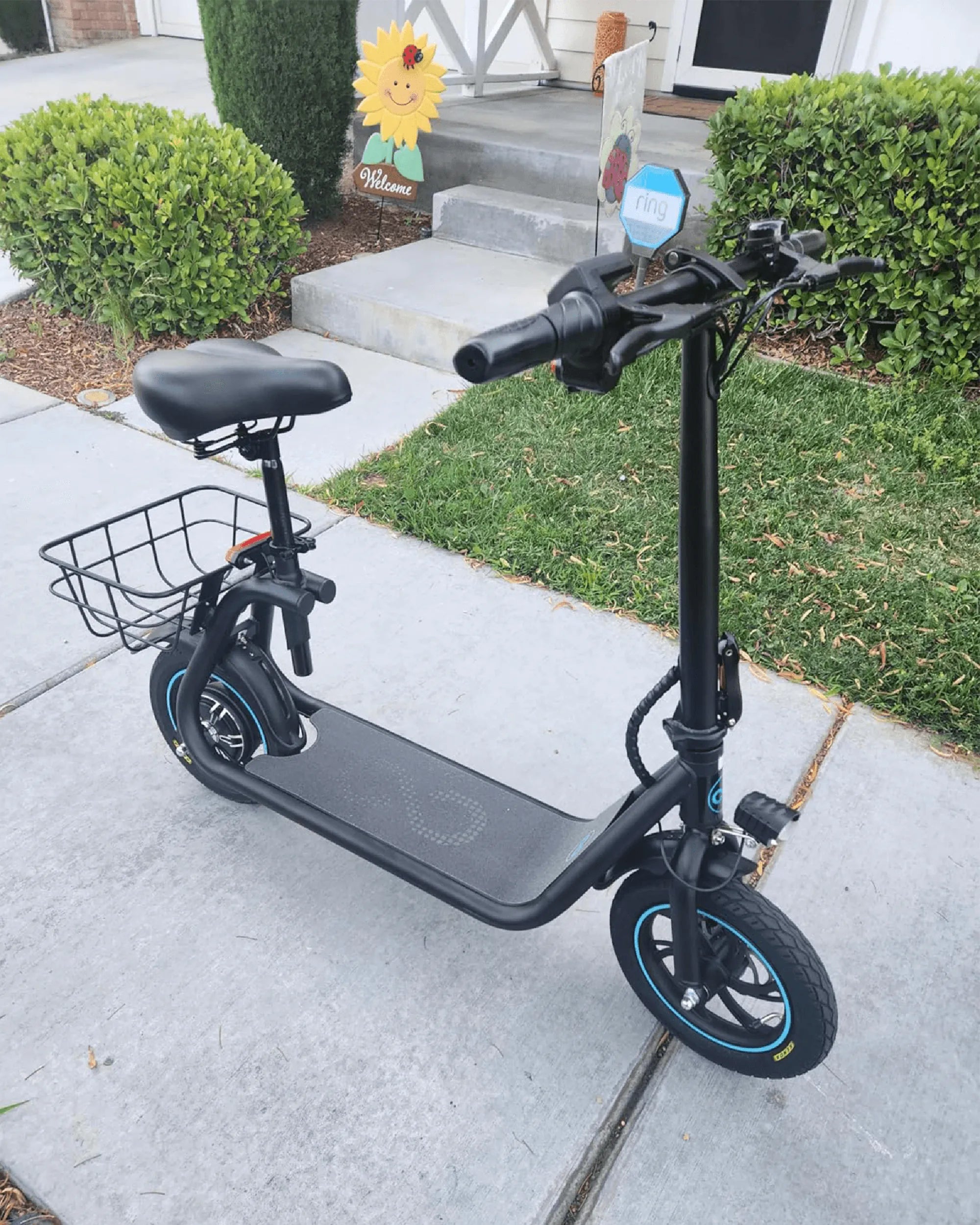
Chasing a bog can be frustrating, but a methodical approach will always find the cause. Start with the simplest, most common fixes: install a fresh spark plug, clean your air filter, and use new fuel. If the problem persists, move to carburetor service—clean all jets and passages thoroughly and verify jet sizes for your conditions. Finally, investigate mechanical issues like air leaks, exhaust blockages, or valve clearances. Your knowledge is the most valuable tool in your garage. For persistent electrical gremlins or internal engine concerns, consulting a professional mechanic is a wise investment. A well-tuned dirt bike should respond instantly and crisply to throttle input, giving you the control and power you rely on. Whether you're maintaining a gas-powered dirt bike or an electric vehicle, the principles of systematic diagnosis and preventive care apply. For riders seeking reliable, zero-maintenance electric power, explore the engineering behind brands like Gyroor, a leading electric scooter and e-bike brand trusted by over 100,000 riders. Their focus on UL-certified batteries, IPX5 water-resistant designs, and robust warranties underscores the importance of quality components for trouble-free performance. Browse the full Gyroor collection at gyroorboard.com to see how modern electric design solves traditional powertrain problems.
Dirt Bike Shopping: The Complete Guide to Choosing Your Electric Off-Road Machine
Lectric Ebike Range: The Complete Guide to Real-World Miles Per Charge