



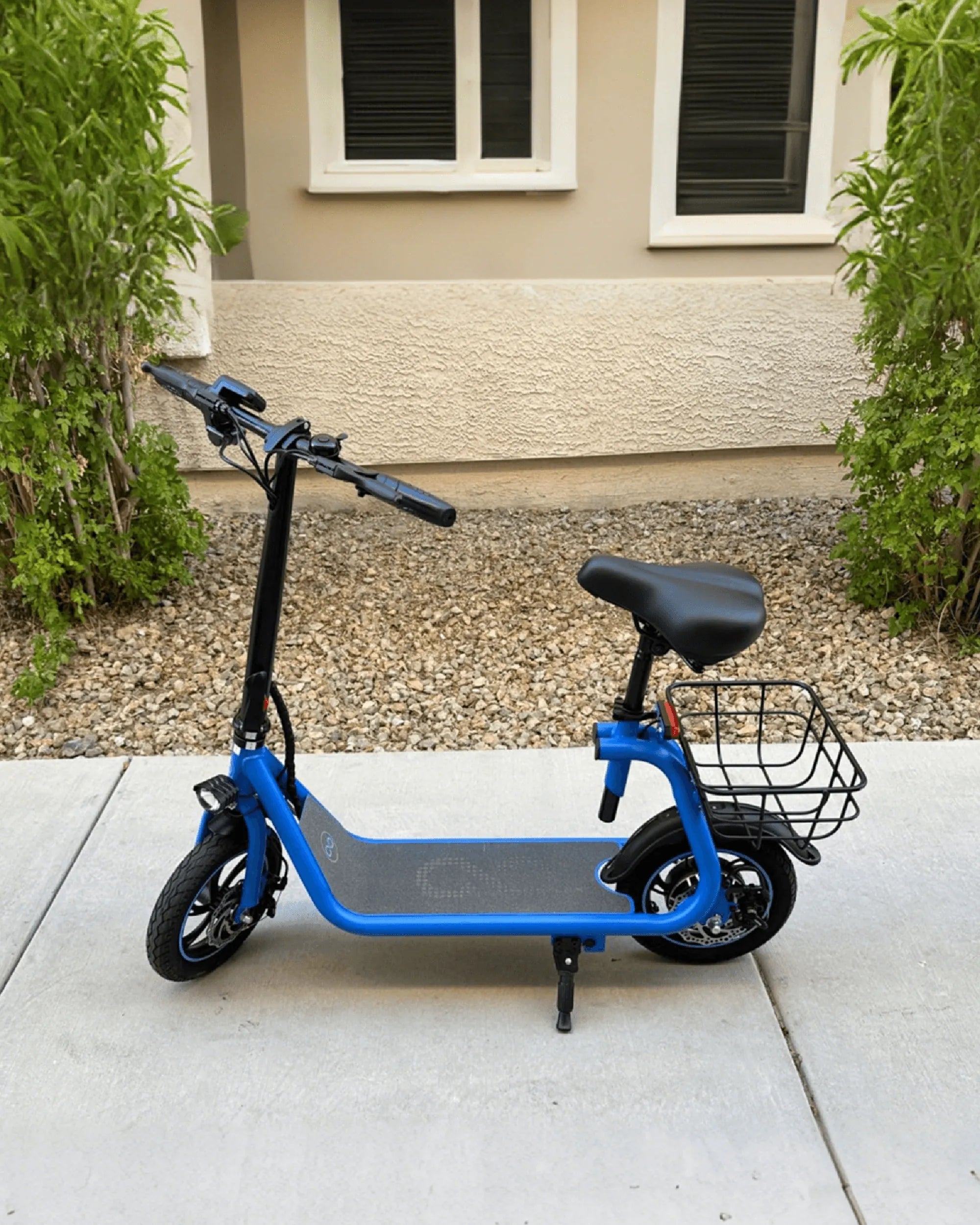
Nothing is more frustrating than hopping onto your electric bike, pressing the power button, and getting no response. Whether you rely on your e-bike for commuting, exercise, or leisure, a sudden failure to turn on can throw a wrench in your plans. Before you panic or rush to a repair shop, let’s explore the most common reasons why your electric bike is not turning on and how you can troubleshoot the issue yourself.
1. Check the Battery Connection
The battery is the heart of your electric bike, and if it’s not properly connected, your bike won’t turn on. Start by ensuring the battery is securely seated in its compartment. Some e-bikes have locking mechanisms—make sure they’re engaged. If the battery feels loose, remove and reinsert it, ensuring all contacts are clean and free of corrosion.
2. Inspect the Battery Charge Level
A completely drained battery won’t power your bike. Check the battery indicator (if available) or connect it to the charger to see if it begins charging. If the battery refuses to charge, it may be damaged or have reached the end of its lifespan. Try charging it for at least 30 minutes before attempting to turn the bike on again.
3. Examine the Power Button and Display
Sometimes, the issue isn’t with the battery but with the power button or display. Press the power button firmly and hold it for a few seconds. If the bike has a display screen, check for any error messages. A malfunctioning display could prevent the bike from turning on, even if the battery is fine.
4. Look for Loose or Damaged Wiring
Loose or frayed wires can interrupt power flow. Carefully inspect the wiring around the battery, motor, and controller. If you spot any exposed or damaged wires, avoid touching them and consult a professional. Reconnecting loose plugs or securing wiring may resolve the issue.
5. Test the Charger and Charging Port
If your battery isn’t charging, the problem might lie with the charger or charging port. Try using a different charger (if available) to see if the battery responds. Inspect the charging port for debris or damage—sometimes, a simple cleaning can restore functionality.
6. Reset the Bike’s System
Many electric bikes have a reset function that can resolve minor glitches. Consult your bike’s manual for instructions on how to perform a reset. This often involves holding down the power button for an extended period or disconnecting and reconnecting the battery.
7. Check the Fuse or Circuit Breaker
Some e-bikes have fuses or circuit breakers to protect against power surges. If your bike suddenly stopped working, a blown fuse could be the culprit. Locate the fuse box (usually near the battery) and inspect the fuse. Replace it if necessary, using the correct type and rating.
8. Assess the Motor and Controller
If the battery and wiring seem fine, the motor or controller might be at fault. Listen for unusual sounds when attempting to turn the bike on. A faulty controller may prevent the bike from receiving power, even if the battery is charged. Professional diagnosis is recommended for these components.
9. Consider Environmental Factors
Extreme temperatures can affect battery performance. If your bike was exposed to very cold or hot conditions, let it acclimate to room temperature before trying again. Moisture or water damage can also cause electrical issues—ensure all components are dry.
10. When to Seek Professional Help
If you’ve tried all the above steps and your electric bike still won’t turn on, it’s time to consult a technician. Persistent issues may indicate a deeper electrical problem or component failure that requires expert attention.
Don’t let a non-starting electric bike ruin your day—use this guide to pinpoint the issue and get back on the road quickly. With a little patience and troubleshooting, you might just save yourself a costly repair bill!
Full Size Folding Electric Bike for Adults: The Ultimate Commuting Solution
Best Electric Bike Turkey 2025: The Future of Eco-Friendly Commuting