

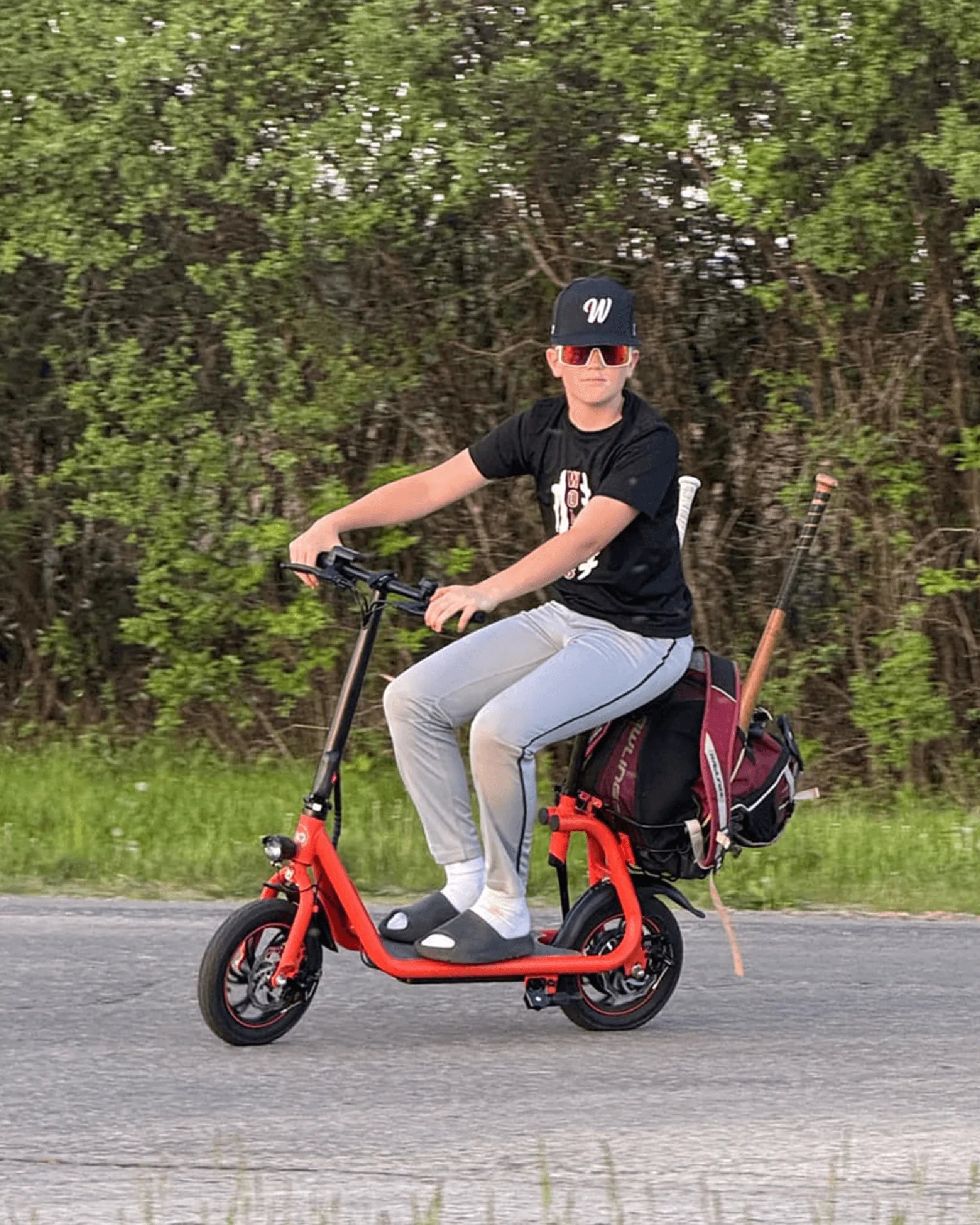
Hearing an unexpected rattle from your electric scooter can be frustrating and concerning. Whether it's a faint vibration or a loud clatter, identifying the source of the noise is crucial to maintaining your scooter's performance and safety. Let's dive into the most common reasons why your electric scooter might be rattling and how to fix them.
Loose Bolts and Screws
One of the most frequent culprits behind a rattling electric scooter is loose bolts and screws. Over time, vibrations from riding can cause fasteners to loosen, leading to annoying noises. Check the following areas:
- Handlebar stem
- Deck panels
- Wheel axles
- Brake calipers
Use the appropriate tools to tighten any loose components, but avoid over-tightening, as this can strip threads or damage parts.
Worn or Damaged Bearings
Bearings play a critical role in ensuring smooth wheel rotation. If they become worn, dirty, or damaged, they can produce grinding or rattling sounds. Signs of bad bearings include:
- Rough wheel movement
- Excessive play in the wheels
- Unusual noises when spinning the wheels manually
Replacing bearings is often necessary if cleaning and lubrication don't resolve the issue.
Loose or Misaligned Fenders
Fenders that aren't securely attached can vibrate and rattle while riding. Inspect the fender mounts and tighten any loose screws. If the fender is bent or misaligned, gently adjust it to prevent contact with the wheel.
Battery or Motor Mount Issues
A loose battery or motor mount can cause significant rattling. Ensure all mounting brackets and screws are secure. If the battery compartment has play, consider adding padding or rubber washers to reduce vibrations.
Suspension Problems
If your scooter has suspension, worn or loose components can lead to rattling. Check the following:
- Suspension springs
- Shock absorbers
- Pivot points
Lubricate moving parts and replace any damaged components to restore smooth operation.
Loose Kickstand
A kickstand that isn't securely fastened can rattle loudly while riding. Tighten the mounting bolt or add a rubber stopper to minimize noise.
Wheel and Tire Issues
Uneven tire wear, low tire pressure, or a damaged rim can also cause rattling. Inspect your tires for:
- Cracks or bulges
- Low air pressure (if applicable)
- Debris stuck in the tread
Ensure wheels are properly aligned and balanced to prevent unnecessary vibrations.
Brake System Rattling
Loose brake pads or misaligned calipers can create rattling noises. Check the brake assembly for:
- Loose bolts
- Worn brake pads
- Misaligned rotors or drums
Adjust or replace components as needed to ensure quiet and effective braking.
Electrical Wiring and Connections
Loose wiring or connectors inside the scooter's body can vibrate and produce rattling sounds. Open the deck (if possible) and secure any loose cables with zip ties or adhesive clips.
Frame Damage or Fatigue
In rare cases, a cracked or fatigued frame can cause rattling. Inspect the scooter's frame for any signs of damage, such as:
- Visible cracks
- Unusual flexing
- Rust or corrosion
If you suspect frame damage, consult a professional for assessment and repairs.
Preventive Maintenance Tips
To minimize rattling and extend your scooter's lifespan, follow these maintenance tips:
- Regularly inspect and tighten fasteners
- Keep bearings clean and lubricated
- Check tire pressure and condition
- Clean and dry your scooter after wet rides
- Store your scooter in a dry, sheltered location
Don't let a rattling electric scooter ruin your ride—addressing the issue early can prevent further damage and ensure a smoother, quieter experience. By identifying and fixing the source of the noise, you'll enjoy safer and more comfortable journeys on your trusty two-wheeled companion.
Electric Bike Rankings: The Ultimate Guide to Choosing the Best E-Bike
Electric Scooter 75 km Range: The Ultimate Guide to Long-Distance Commuting