


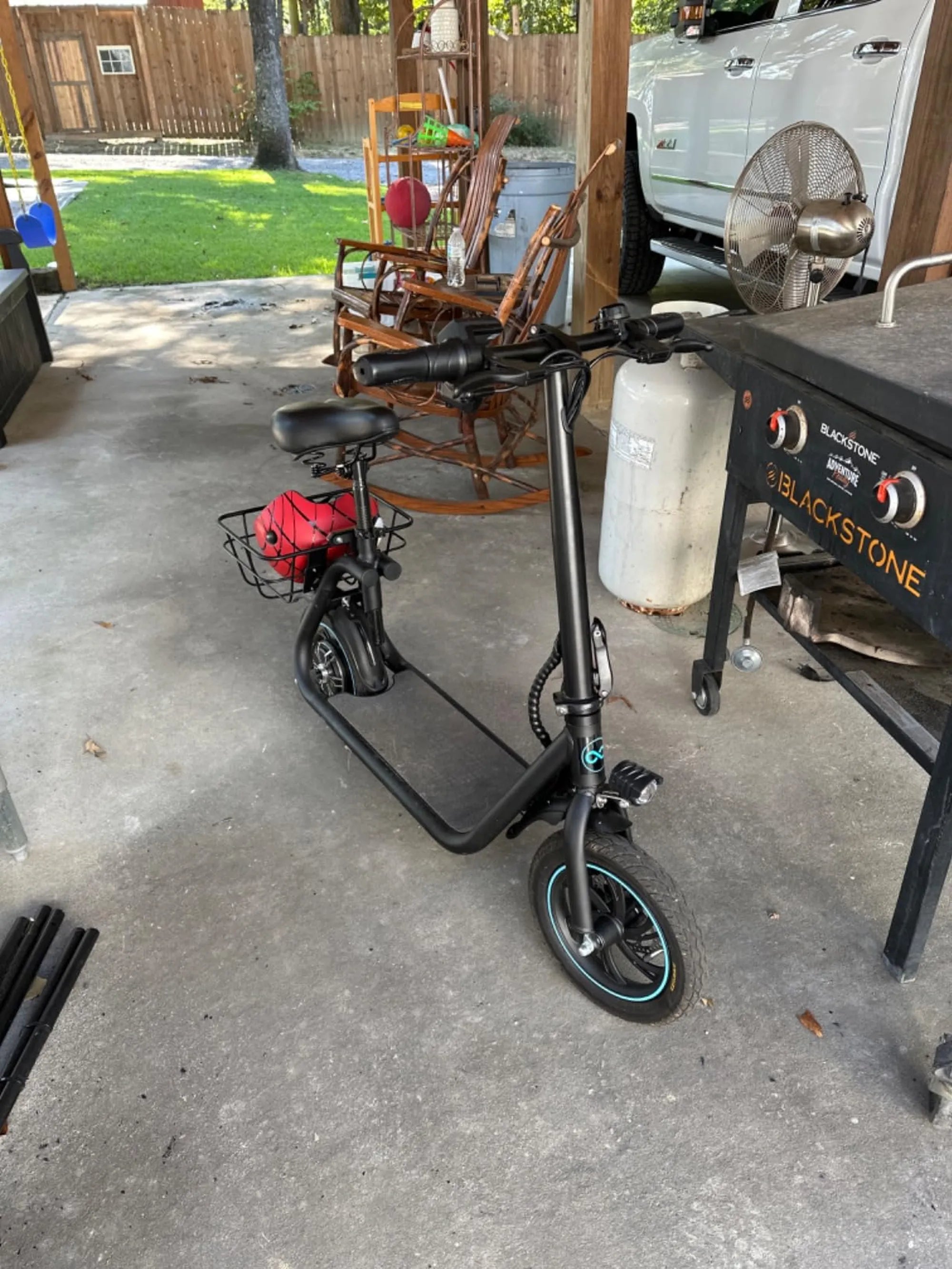
Electric scooters have taken cities by storm, offering a convenient and eco-friendly way to zip around town. Yet, despite their growing presence, not everyone is thrilled about them. From safety hazards to sidewalk chaos, there are plenty of reasons why people don't like electric scooters. Let's dive into the unspoken frustrations behind this modern mobility trend.
Safety Concerns: A Major Turnoff
One of the biggest reasons people dislike electric scooters is safety. Riders often weave through traffic or dart across sidewalks, creating hazards for pedestrians and drivers alike. Many scooters lack proper lighting or reflectors, making them hard to spot at night. Add inexperienced riders into the mix, and accidents become all too common.
Sidewalk Clutter: A Nuisance for Pedestrians
Abandoned scooters littering sidewalks are a common sight in many cities. This clutter not only obstructs pathways but also poses tripping hazards, especially for the elderly or disabled. The lack of designated parking spots exacerbates the problem, leaving pedestrians frustrated.
Noise Pollution: The Unexpected Annoyance
While electric scooters are quieter than gas-powered vehicles, their high-pitched whirring can still be irritating, especially in quiet neighborhoods. The sound of scooters zooming past at all hours can disrupt the peace, adding to the list of grievances.
Legal Gray Areas: Confusion and Frustration
Many cities struggle to regulate electric scooters, leading to inconsistent rules. Some places ban them from sidewalks, while others restrict them to bike lanes. This legal ambiguity leaves riders and pedestrians alike confused and frustrated.
Environmental Impact: Not as Green as Advertised
While marketed as eco-friendly, electric scooters aren't entirely guilt-free. Their short lifespan and the energy required to manufacture and charge them raise questions about their true environmental benefits. For some, this undermines their appeal.
Cost: More Expensive Than It Seems
Renting scooters frequently can add up, making them less economical than public transit or biking. Ownership isn't cheap either, with maintenance and battery replacements eating into savings. For budget-conscious commuters, scooters just don't make financial sense.
Lack of Infrastructure: A Recipe for Disaster
Many cities lack the infrastructure to support scooters safely. Without dedicated lanes or parking, riders and pedestrians are forced to compete for space, leading to conflicts and accidents.
Unpredictable Behavior: A Danger to All
From sudden stops to reckless maneuvers, scooter riders can be unpredictable. This erratic behavior makes them a menace on roads and sidewalks, further fueling public disdain.
Weather Limitations: Not Always Reliable
Rain, snow, or even strong winds can make scooter riding unsafe or impractical. Unlike cars or buses, scooters offer no protection from the elements, limiting their usefulness in bad weather.
Perception Issues: Seen as a Toy, Not Transportation
Many view electric scooters as recreational gadgets rather than serious transportation. This perception undermines their legitimacy and makes them an easy target for criticism.
Electric scooters may be here to stay, but their flaws are hard to ignore. Whether it's safety risks, urban clutter, or sheer annoyance, the reasons people don't like them are as varied as they are valid. Until these issues are addressed, the love-hate relationship with scooters will continue.
High Standard Matte Black E-Scooter: The Ultimate Urban Commuting Companion
Best Electric Scooter in Mainpuri: Top Picks for Eco-Friendly Commuting