

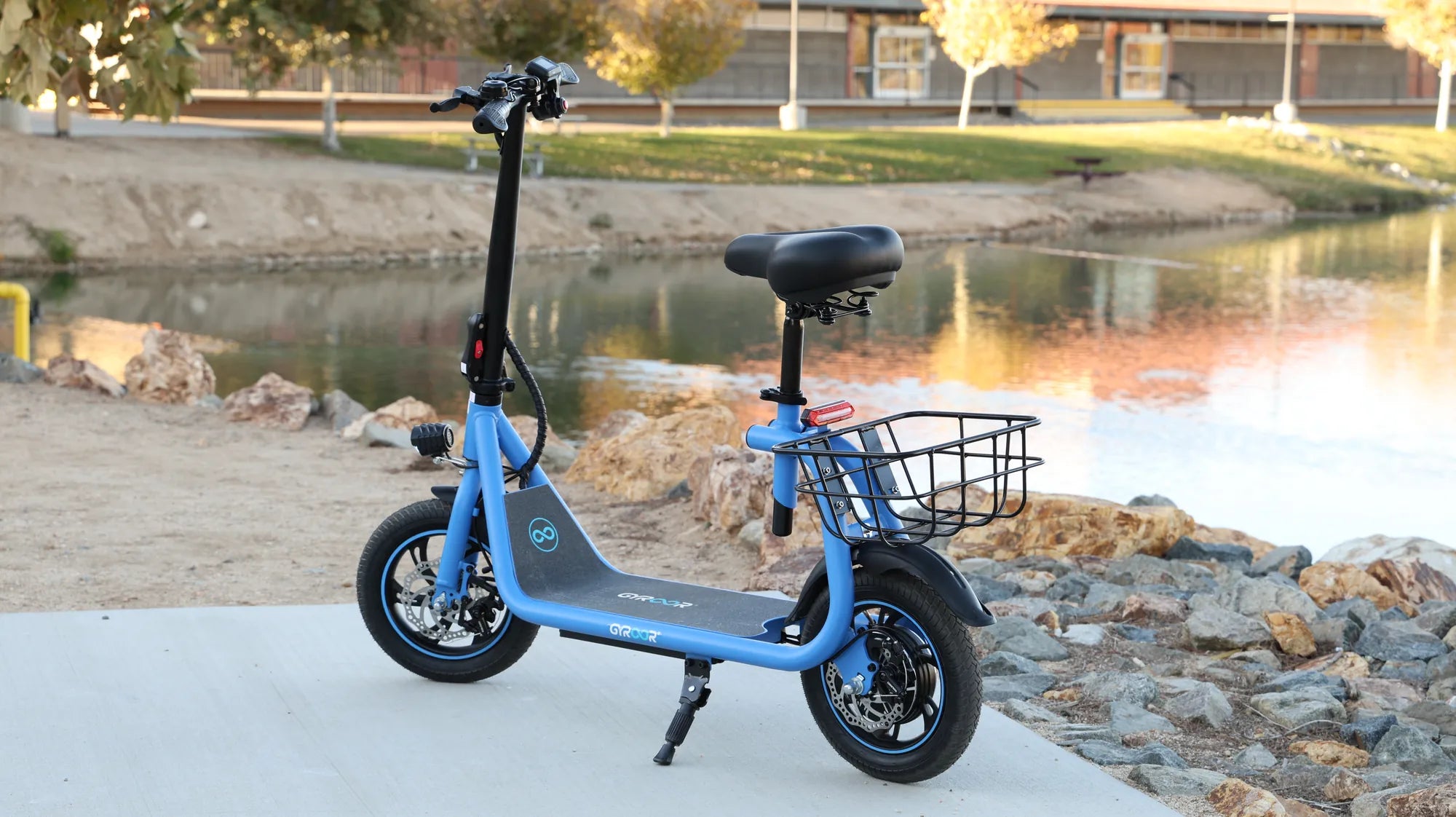
Few things are as frustrating as hopping on your electric scooter only to find it won't accelerate properly. Whether you're commuting to work or just enjoying a ride, a sluggish scooter can ruin your plans. Let's dive into the most common reasons why your electric scooter might be struggling to pick up speed and how to fix them.
Battery Issues
One of the most frequent culprits behind poor acceleration is a weak or faulty battery. If your scooter's battery isn't holding a full charge, it won't deliver the power needed for quick acceleration. Check if the battery is properly connected and fully charged. Over time, batteries degrade, so if yours is several years old, it might be time for a replacement.
Motor Problems
The motor is the heart of your electric scooter's acceleration system. If it's damaged or overheating, your scooter won't perform as expected. Listen for unusual noises coming from the motor area, which could indicate worn-out bearings or internal damage. Regular maintenance can help prevent motor issues before they affect your ride.
Controller Malfunction
The controller acts as the brain of your electric scooter, regulating power flow from the battery to the motor. A faulty controller can significantly impact acceleration. Look for signs like inconsistent power delivery or complete loss of power at certain speeds. Controller issues often require professional diagnosis and repair.
Throttle Problems
If your scooter's throttle isn't functioning correctly, it won't send the proper signals to accelerate. Test the throttle by gently twisting or pressing it while observing the response. A sticky or unresponsive throttle might need cleaning or replacement. Always ensure throttle connections are secure and free from damage.
Brake System Interference
Many electric scooters have safety features that prevent acceleration when the brakes are engaged, even slightly. Check if your brake levers are returning fully to their resting position. Misaligned or worn brake pads can sometimes trigger these safety mechanisms unnecessarily.
Weight and Terrain Factors
Don't overlook simple explanations. If you're carrying heavy loads or riding uphill, your scooter will naturally accelerate more slowly. Most electric scooters have weight limits, and exceeding them can strain the motor and battery, leading to poor performance.
Software and Firmware Glitches
Modern electric scooters often rely on software to manage performance. A glitch or outdated firmware could be limiting your acceleration. Check for available updates through the manufacturer's app or website, and consider resetting your scooter to factory settings if problems persist.
Wiring and Connection Issues
Loose or damaged wiring can interrupt power flow and affect acceleration. Carefully inspect all visible wires and connections for signs of wear, corrosion, or disconnection. Pay special attention to where wires connect to the battery, motor, and controller.
Tire Pressure and Condition
Underinflated tires create more rolling resistance, making acceleration harder. Check your tire pressure regularly and keep it at the recommended level. Also inspect tires for wear or damage that could be affecting performance.
Environmental Factors
Extreme temperatures can impact battery performance and motor efficiency. Cold weather especially can reduce your scooter's acceleration capabilities. Allow your scooter to acclimate to ambient temperature before riding in very hot or cold conditions.
Getting your electric scooter back to full speed might be easier than you think. By methodically checking these common issues, you'll likely identify the problem and be zooming down the street again in no time. Remember that regular maintenance is the best way to prevent acceleration issues before they start.
Fast Electric Bike 60 mph: The Future of High-Speed Commuting
When Was Mountain Biking Invented: The Thrilling History of an Extreme Sport