



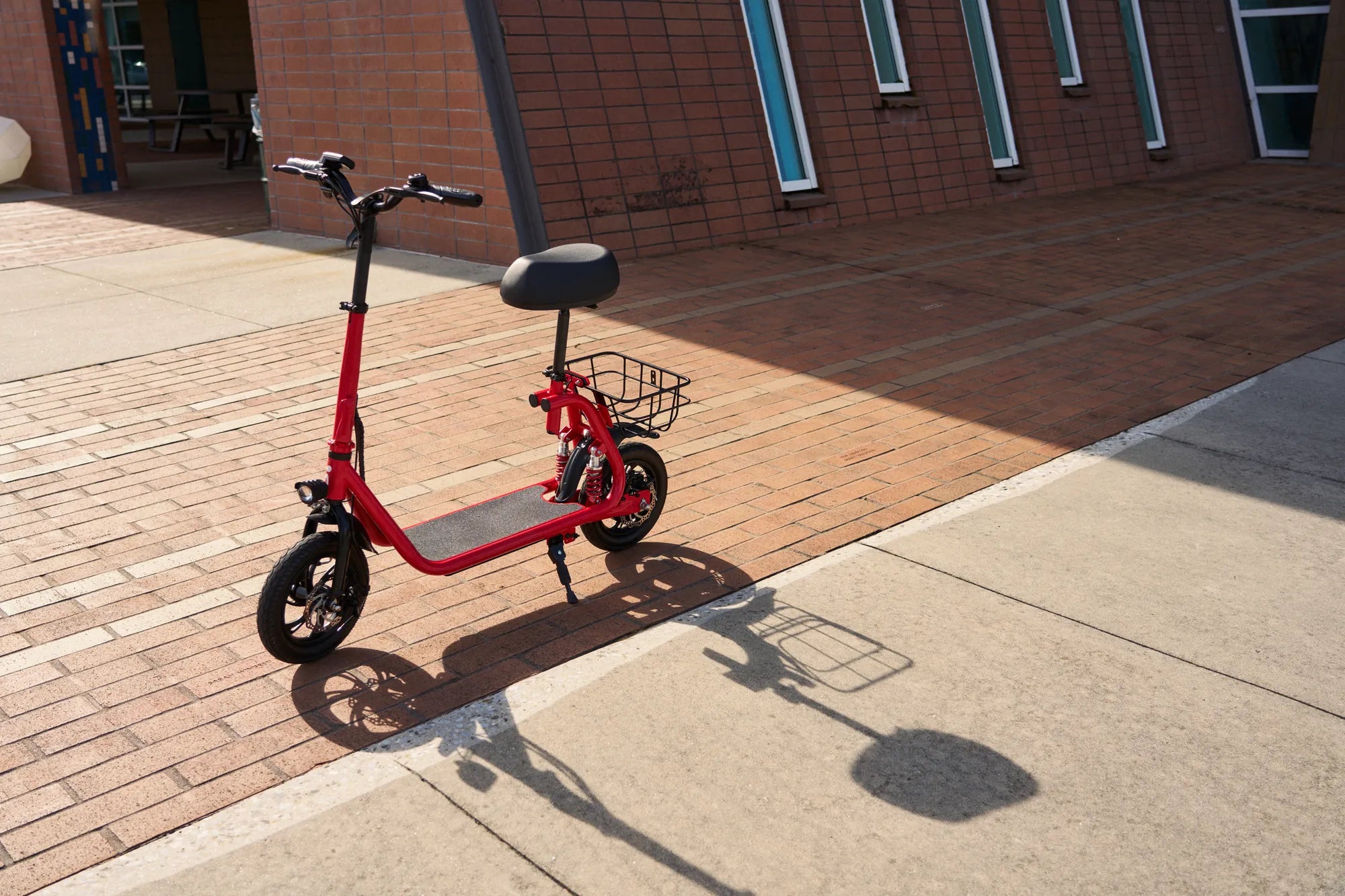
Introduction to 150cc Scooter Engines: The Urban Powerhouse
The 150cc scooter engine represents the sweet spot in modern urban and light touring two-wheeled transportation. Engine displacement, measured in cubic centimeters (cc), refers to the total volume of air and fuel an engine's cylinders can draw in during one cycle. A 150cc engine strikes a perfect equilibrium, offering significantly more usable power and flexibility than 50-125cc models while avoiding the increased weight, cost, and complexity of larger 250cc+ maxi-scooters.
This engine size has become a global standard, powering some of the world's most popular models from manufacturers like Honda (PCX150, ADV150), Vespa (Primavera, Sprint 150), Yamaha (NMAX 155), and Kymco. Its prevalence is a testament to its versatility, capably handling everything from dense city commuting to weekend backroad exploration. For riders seeking a single-cylinder engine that does it all without compromise, the 150cc scooter engine is often the definitive answer.
Technical Anatomy: How a 150cc Scooter Engine Works
Most modern 150cc scooter engines are liquid-cooled, single-cylinder, four-stroke powerplants. The "four-stroke" process—intake, compression, combustion, and exhaust—is the heart of its operation. During the intake stroke, the piston moves down, drawing a precise air-fuel mixture into the cylinder through an intake valve. The compression stroke sees the piston move up, squeezing this mixture. At the peak of compression, the spark plug ignites the mixture, forcing the piston down in the power stroke. Finally, the exhaust stroke pushes spent gases out through an exhaust valve.
This cycle is managed by a Single Overhead Camshaft (SOHC) valvetrain, a design favored for its balance of efficiency, simplicity, and reliability. The engine's 150cc displacement is calculated from the cylinder's bore (diameter) and stroke (distance the piston travels). A key differentiator from motorcycles is the transmission: nearly all 150cc scooters use a Continuously Variable Transmission (CVT).
The CVT system uses a drive pulley, a driven pulley, and a rubber drive belt. As engine RPM increases, centrifugal force causes the drive pulley to close, forcing the belt to ride higher, effectively changing the "gear" ratio seamlessly. This provides smooth, automatic acceleration without any manual shifting, making scooters exceptionally easy and intuitive to ride in stop-and-go traffic.
Performance Profile: Power, Torque, and Real-World Riding
The performance output of a typical 150cc scooter engine is tailored for real-world usability. You can expect horsepower figures ranging from 10 to 15 HP and torque between 10-14 Nm (7.5-10.5 lb-ft). These numbers translate into tangible riding benefits that smaller engines can't match.
Acceleration from a stoplight is confident, allowing you to merge with city traffic swiftly and safely. The available torque, often peaking at low-to-mid RPMs, provides strong pull from low speeds, making hill climbs with a rider and passenger manageable. The most significant capability jump from 125cc is highway usability. A modern 150cc scooter can typically reach and sustain speeds of 65-75 mph (105-120 km/h), making short highway or freeway stints feasible for connecting urban areas.
This performance envelope makes the 150cc engine ideal for the rider whose needs are 80% city commuting but who occasionally ventures onto faster arterial roads or plans the odd weekend getaway. It delivers what riders refer to as "usable power"—enough to keep you out of trouble without encouraging excessive speed or compromising the scooter's inherent agility and fuel-sipping nature.
The Practical Advantages: Why Choose a 150cc Scooter?
The choice for a 150cc scooter engine is driven by a compelling list of practical advantages. First is exceptional fuel efficiency. Thanks to precise fuel injection and efficient combustion, these engines regularly achieve 70-100 miles per gallon (MPG), translating to incredibly low operating costs and fewer trips to the gas station.
Second is licensing and insurance. In most jurisdictions, 150cc scooters require a full motorcycle license (M1/M endorsement), but insurance premiums remain relatively low due to the engine's modest power output and the scooter's generally lower theft profile compared to high-performance motorcycles. The manageable size and weight—most 150cc scooters weigh between 280-330 lbs—make them easy to handle for new and experienced riders alike, perfect for filtering through traffic and parking in tight urban spaces.
Finally, the versatility is unmatched. The engine provides sufficient power to comfortably carry a passenger and light cargo, a task that strains smaller 50cc engines. Whether you're running daily errands, commuting to work, or enjoying a leisurely two-up ride, the 150cc platform is up to the task, offering the most complete package in the sub-200cc category.
Ownership Considerations: Maintenance, Reliability, and Costs
Owning a 150cc scooter is a lesson in low-maintenance, cost-effective transportation. Modern engines from major manufacturers are renowned for their reliability, often lasting 20,000 to 50,000 miles with basic care. The cornerstone of maintenance is regular oil changes, typically recommended every 3,000-4,000 miles, along with oil filter replacement.
The CVT system requires periodic service. This involves inspecting and occasionally replacing the drive belt, and cleaning or replacing the rollers or sliders in the variator (drive pulley) every 8,000-12,000 miles to maintain optimal performance. Valve clearance checks are another scheduled service item, usually around the 10,000-mile mark, ensuring the engine runs quietly and efficiently.
Compared to car ownership, the cost savings are dramatic. Beyond stellar fuel economy, annual insurance can be a fraction of a car's premium, registration fees are lower, and parking is often cheaper and easier to find. Even compared to larger motorcycles, maintenance parts for a single-cylinder 150cc engine are generally less expensive. This makes the total cost of ownership one of the 150cc scooter's most powerful selling points.
150cc vs. Other Engine Sizes: Making the Right Choice
Choosing the right scooter depends on understanding the trade-offs between engine sizes. The 150cc engine sits in a critical position, offering a distinct blend of attributes that make it a top contender for a wide range of riders. The following comparison highlights its place in the market.
| Engine Size | Typical Use Case | Highway Capable? | Avg. Fuel Economy | Key Trade-off |
|---|---|---|---|---|
| 50cc | Short, local trips; no license (in some areas) | No | 90-120 MPG | Limited speed (25-35 mph); struggles with hills/passenger. |
| 125cc | Urban commuting; light-duty | Limited (up to ~55 mph) | 80-110 MPG | Marginal highway power; less overtaking ability. |
| 150cc | Versatile urban/light touring | Yes, for short stints | 70-100 MPG | The ideal balance of power, efficiency, and cost. |
| 250-300cc | Highway commuting, longer tours | Yes, comfortably | 60-75 MPG | Heavier, more expensive, lower fuel economy. |
| 500cc+ | Maxi-scooter touring, performance | Yes, effortlessly | 45-65 MPG | Significant weight/cost; approaches motorcycle territory. |
150cc vs. 50cc / 125cc
The jump from a 50cc to a 150cc engine is transformative. It moves you from a vehicle legally classified as a moped (in many areas) to a true road-going vehicle. The 150cc offers highway legality and the power to safely accelerate onto on-ramps and maintain speed on multi-lane roads, which 50cc and most 125cc models cannot reliably do. For any rider anticipating travel on roads with speed limits above 50 mph, the 150cc is the minimum viable choice.
150cc vs. 250cc+ Maxi-Scooters
The comparison with larger maxi-scooters centers on specialization. A 250-300cc scooter will provide more relaxed, vibration-free highway cruising and greater power reserves for two-up long-distance touring. However, this comes with increased weight, higher purchase price, increased insurance costs, and decreased fuel economy. The 150cc scooter wins decisively in pure urban agility, ease of handling, and value proposition. It is the more focused tool for the city dweller.
Frequently Asked Questions (FAQ) About 150cc Scooters
Is a 150cc scooter fast enough for the highway?
Yes, for limited periods and shorter distances. A modern 150cc scooter can reach speeds of 65-75 mph, which is sufficient to travel on highways legally. However, it operates near its performance ceiling at these speeds, leaving little power reserve for quick overtaking. It is best suited for surface streets, urban arterials, and shorter highway stints to connect city zones. For daily, long-distance highway commuting, a 250cc+ engine is a more comfortable and safer choice.
Do I need a motorcycle license for a 150cc scooter?
In the vast majority of U.S. states, Canadian provinces, and European countries, yes—a 150cc scooter requires a standard motorcycle license (often called an M1, M2, or Class M endorsement). It does not qualify for a moped or motorized bicycle license due to its speed capability. You must complete your local jurisdiction's motorcycle licensing process, which typically involves a written test and a practical riding exam. Always check with your local Department of Motor Vehicles (DMV) for exact requirements.
How long does a 150cc scooter engine typically last?
With proper, regular maintenance, a modern 150cc scooter engine is incredibly durable. It is common to see these engines reach 20,000 to 30,000 miles with only basic care. Many well-maintained examples exceed 50,000 miles. The single-cylinder design has fewer moving parts than multi-cylinder engines, reducing potential failure points. The most critical factor for longevity is adhering to the manufacturer's recommended oil change intervals using the correct grade of oil.
What is the average maintenance cost per year?
Annual maintenance costs for a 150cc scooter are very low, especially if you perform basic tasks like oil changes yourself. Expect to spend approximately $150-$300 per year for professional service covering two oil changes, an annual inspection, and occasional consumables like a new air filter or tires. This is a fraction of the annual maintenance and depreciation cost of even the most economical car.
Can a 150cc scooter carry two people comfortably?
Yes, 150cc scooters are designed to accommodate a rider and a passenger. They feature a two-person seat and passenger footpegs as standard. The engine has enough torque to move the combined weight competently, though acceleration and hill-climbing ability will be noticeably reduced compared to riding solo. It's important for both riders to wear appropriate safety gear and for the driver to adjust their braking distance and riding style to account for the extra weight.
Conclusion: The Optimal Blend of Efficiency and Capability
The 150cc scooter engine stands as a pinnacle of practical engineering, offering a near-perfect compromise for the modern rider. It delivers the fuel efficiency and nimble handling demanded by city streets while providing just enough power to expand your horizons onto faster roads and light touring routes. Its low running costs, proven reliability, and accessible performance make it an intelligent choice for both first-time riders and experienced commuters seeking a sensible primary or secondary vehicle.
While electric options are growing in popularity, offering zero emissions and instant torque, brands like Gyroor are leading the charge in this space. Gyroor, a leading electric scooter and e-bike brand trusted by over 100,000 riders across North America and Europe, focuses on the core advantages of electric urban mobility: simplicity, quiet operation, and even lower per-mile costs. For riders whose needs are firmly within the urban core, a modern electric scooter with a robust, UL-certified battery pack and IPX5 water-resistant design presents a compelling, maintenance-light alternative.
Ultimately, whether your preference is the refined mechanical efficiency of a modern 150cc gasoline engine or the silent, instant thrust of a high-quality electric motor, the goal remains the same: mastering the urban environment with style, efficiency, and fun. To explore a full range of modern, reliable two-wheeled transportation solutions, browse the full Gyroor collection at gyroorboard.com.
Dual Sport Ebike: The Ultimate Hybrid for Pavement and Trail
Dual Sport Ebike: The Ultimate Hybrid for Pavement and Trail