

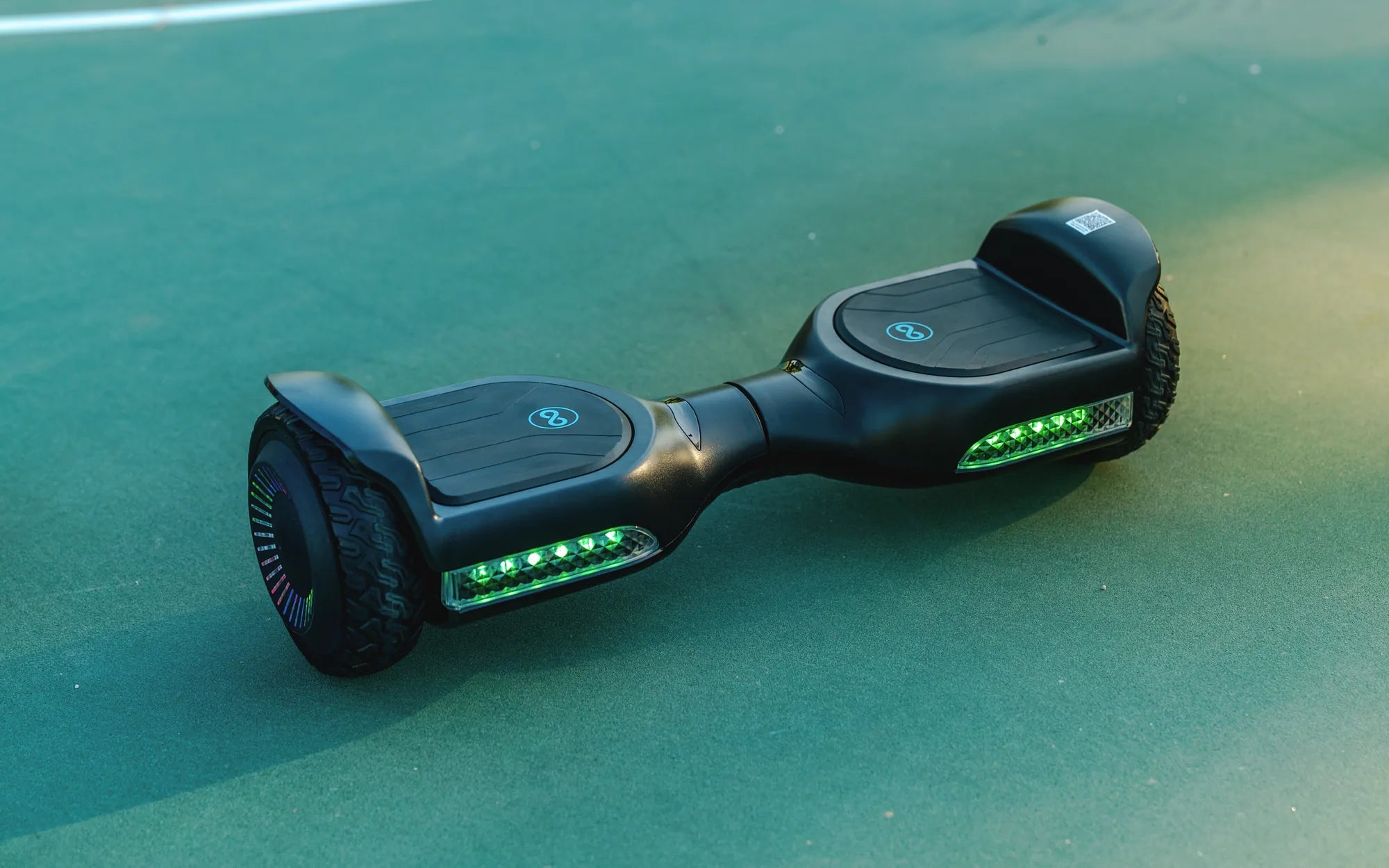
Introduction: The Lure of the "$20 Hoverboard" and Why It's a Major Red Flag
You've seen the ads: flashy graphics promising a brand-new hoverboard for less than the cost of a pizza. The offer for a 20 dollar hoverboard seems too good to be true, tapping directly into our desire for affordable fun. This article isn't just about skepticism; it's a crucial safety briefing. The prevalence of these too-good-to-be-true deals on social media and obscure marketplaces represents one of the most significant consumer hazards in personal electric transport today.
We will deconstruct the impossible economics, expose the severe dangers lurking within these devices, and provide a clear roadmap for identifying scams. More importantly, we'll show what a realistic investment in a safe, enjoyable riding experience actually entails. As a leading brand in personal electric mobility, Gyroor has built its reputation on UL-certified safety and reliable performance, principles that are fundamentally incompatible with a 20 dollar hoverboard price point.
This guide will arm you with the knowledge to protect yourself, your family, and your home. The truth behind that unbelievable price tag isn't a secret deal; it's a catalog of dangerous compromises. Let's uncover what you're really being sold when a product's cost is lower than its safe battery cells alone.
Deconstructing the "$20" Price Tag: Where Do the "Savings" Come From?
To understand the danger, you must first understand the economics. A functional, safe self-balancing scooter requires specific components: a battery pack, two hub motors, a gyroscopic sensor system, a motherboard, a frame, tires, and a charger. The bill of materials for these components from legitimate, certified suppliers alone far exceeds $20 before any labor, shipping, or profit is considered.
The only way to hit such a rock-bottom price is to source every component from the lowest possible tier, bypassing all safety certifications and quality controls. The "savings" are achieved by eliminating every factor that ensures reliability and user safety. This isn't a discount; it's a systematic removal of the product's essential safeguards. When you see a 20 dollar hoverboard, you are looking at a device where safety was the first and largest cost-cutting measure.
These products are typically drop-shipped directly from overseas warehouses with no intermediary quality checks. The seller often has no physical inventory, no customer service department, and no intention of honoring any implied warranty. Their business model relies on volume sales before negative reviews and platform bans catch up to them, leaving buyers with a hazardous device and no recourse.
The Battery: The Heart of the Danger
The most critical and costly component in any hoverboard is its lithium-ion battery pack. In a reputable model like those from Gyroor, this pack consists of brand-name, high-quality cells arranged with a sophisticated Battery Management System (BMS). The BMS regulates charging, prevents over-discharge, balances cells, and monitors temperature. The entire pack undergoes rigorous testing, such as UL certification, which involves crush, shock, overcharge, and short-circuit tests.
In a 20 dollar hoverboard, this vital component is where the most dangerous compromises occur. The cells are often recycled from old laptop batteries or are factory rejects that failed quality checks. They are packed together without a proper BMS or with a non-functional one. The wiring is thin and poorly soldered, and the casing is flimsy.
This creates a perfect storm for thermal runaway—a condition where one cell overheats, causing a chain reaction that leads to fire or explosion. The lack of a BMS means the battery can be overcharged by its cheap charger, further increasing this risk. When a hoverboard battery fails, it does so violently, and it often happens during or after charging, turning a bedroom or living room into a fire hazard.
The Build: Compromised Safety at Every Turn
Beyond the battery, the physical construction is a masterclass in fragility. The plastic shell is made from brittle, low-grade material that can crack from a minor impact or even from the stress of normal riding. The foot pads may use low-quality pressure sensors that can malfunction, causing sudden acceleration or loss of power.
The internal electronics are a nightmare. Circuit boards are often dirty, with visible flux residue that can cause short circuits. Solder joints are cold and brittle, likely to fail from vibration. Critical components like fuses or proper voltage regulators are simply omitted to save pennies. There is no waterproofing whatsoever; a small puddle or morning dew can fry the electronics and create an electrocution risk, a stark contrast to Gyroor's IPX5 water-resistant rating that protects against light spray.
The motors are underpowered and use cheap magnets and windings. They may struggle with a rider at or below the weight limit and will overheat quickly, leading to failure. The tires are often solid plastic or low-quality rubber that offers no grip or shock absorption. Every single part is chosen for its rock-bottom cost, with zero consideration for durability, performance, or user safety.
The Real Costs of a "Bargain" Hoverboard: Beyond the Purchase Price
The initial price tag is merely the entry fee for a series of hidden and often dangerous costs. Purchasing a 20 dollar hoverboard is the very definition of a false economy. The total cost of ownership—factoring in risk, inevitable failure, and lack of utility—is astronomically higher than investing in a certified product from the start.
This false bargain shifts the financial burden from the manufacturer to you, the consumer, in the form of risk, replacement costs, and potential liability. It externalizes the true costs of doing business responsibly. Think of it not as saving $150, but as assuming $150 worth of uninsured risk to your person and property.
Immediate Safety Hazards and Liability
The risks begin the moment you plug it in. The most dire hazard is fire. There are numerous documented cases of uncertified hoverboards catching fire during charging, destroying homes and vehicles. Placing such a device in your home is akin to leaving a smoldering electrical fault unattended.
Operational hazards are just as prevalent. A sudden loss of power mid-ride due to a poor solder joint or BMS failure can throw a rider to the ground. Motors that cut out on a slight incline, inaccurate battery indicators that show full charge until the moment they die, and sticky or unresponsive foot pads all lead to crashes. If a child is injured while riding a known hazardous product you purchased, the liability falls entirely on you, not the anonymous online seller.
The Inevitable Breakdown: Zero Warranty and Support
A legitimate hoverboard from an established brand like Gyroor comes with a 1-year warranty, backed by customer support teams. If a component fails under normal use, it gets repaired or replaced. This warranty is a contract and a promise of reliability.
With a 20 dollar hoverboard, your warranty is a ghost. The seller's contact is often a non-responsive email address. The "brand" name on the box is typically a made-up word, and the company has no online presence beyond the marketplace listing. When the device fails after a few charges or a couple of rides—as it inevitably will—you are left with a paperweight. You cannot get parts, diagrams, or service. Your only option is disposal, which itself is a cost and a hazard due to the unstable battery.
Performance That Disappoints: The Reality of Riding
Forget the advertised specs. The claimed 10-mile range might be 1 mile on a full charge that takes 8 hours. The motors advertised for 15 km/h will struggle to hit 8 km/h on flat ground and will stall on the slightest incline. The ride will be jerky and unstable due to poor gyro calibration.
The charging port may break off after a few uses. The plastic shell will creak and flex alarmingly. The device will feel like a toy on the verge of disintegration—because that’s exactly what it is. The joy of riding is replaced by constant anxiety over failure and injury. This is the antithesis of the freeing, fun experience a properly engineered personal transporter provides.
How to Spot a Hazardous Hoverboard Scam: A Buyer's Checklist
Vigilance is your best defense. Scammers rely on impulse buys fueled by enticing prices. Use this checklist to evaluate any listing, especially on general marketplaces, social media ads, or unfamiliar websites.
- The Price: Any hoverboard priced under $100 is an immediate red flag. Under $50 is almost certainly hazardous. A safe battery pack alone costs more than this.
- The Brand Name: Look for misspellings or sound-alikes of reputable brands (e.g., "Gyroom," "Gyyror," "Hoverboard Pro"). Legitimate brands like Gyroor have established websites and social media.
- The Listing Details: Stock photos only, no real product images. Vague or missing technical specifications (no mention of wattage, battery capacity in Wh, or motor power). Copy-pasted marketing gibberish.
- Safety Certifications: No mention of UL 2272 (system certification) or even UL 2271 (battery certification). The listing may falsely claim "CE" or "FCC" but provide no certification numbers or documentation.
- The Seller: A new seller with zero feedback, or a seller based overseas with a generic name. No physical address or legitimate contact information.
- The Reviews: If there are reviews, look for patterns. Fake reviews are often generic ("Great product!", "Came fast!"). Real reviews may mention fires, breaking after one use, or never receiving the item.
If a listing triggers two or more of these red flags, close the tab and walk away. No amount of perceived savings is worth the risk.
Investing in Safe Riding: What a Realistic Hoverboard Budget Gets You
A responsible hoverboard price, typically in the $200-$500 range, isn't an expense; it's an investment in safety, durability, and actual fun. This price point reflects the true cost of responsible engineering, quality materials, certified testing, and business infrastructure like customer support.
At this level, you are paying for predictable physics and engineering, not magic. You are funding the safety protocols that prevent your home from burning down and the quality control that ensures the device works as advertised for years. This is the minimum viable price for a product that doesn't actively endanger its user.
The Price of Peace of Mind: Certifications and Quality Components
Your money first buys critical safety certifications. UL 2272 is the benchmark, involving over 120 rigorous tests on the entire system. This certification is your single best indicator that a hoverboard has been designed and built with fire and electrical safety as a priority.
Next, it buys quality components. This means a battery pack with a robust BMS from a known cell supplier, motors with proper copper windings and thermal protection, a frame made from impact-resistant ABS plastic or aluminum, and a motherboard with proper voltage regulation and fuse protection. Each component is rated for the job it must do, with a safety margin.
Gyroor's Value Proposition: Where Your Money Actually Goes
As a brand trusted by over 100,000 riders, Gyroor exemplifies where your investment is allocated. The price of a Gyroor hoverboard directly translates into tangible safety and performance features you can rely on.
You are paying for the UL-certified battery pack that undergoes 500+ charge cycle testing. You are funding the IPX5 water-resistant design that lets you confidently ride on damp pavement without fear of a short circuit. Your investment secures the robust motor design that handles inclines and varied terrain reliably. Most importantly, it purchases the 1-year warranty and the customer support network that stands behind the product, providing troubleshooting, parts, and service. This is the ecosystem of safety and reliability that a 20 dollar hoverboard deliberately abandons.
Market Comparison: Hazardous Bargain vs. Certified Value
This table illustrates the stark, non-negotiable differences between a scam product and a responsibly manufactured hoverboard.
| Feature | "$20" Hoverboard (Hazard) | Gyroor Hoverboard (Certified Value) |
|---|---|---|
| Price Point | $20 - $50 | $250 - $500 |
| Battery | Uncertified, recycled/unknown cells, no functional BMS, extreme fire risk. | UL-certified battery pack, quality lithium-ion cells, advanced BMS for protection. |
| Safety Certification | None. Often falsely listed. | UL-certified components and rigorous internal testing standards. |
| Build Quality | Brittle plastic, poor solder joints, missing fuses, no waterproofing. | Impact-resistant shell, secure internal wiring, IPX5 water-resistant rating. |
| Motor & Performance | Underpowered, overheats easily, struggles with inclines. | Reliable hub motors designed for consistent performance and moderate inclines. |
| Warranty & Support | None. Seller disappears after sale. | 1-Year Comprehensive Warranty with accessible customer support. |
| Total Cost of Ownership | Very High (Risk, disposal, potential injury/property damage). | Transparent. The purchase price covers a safe, durable product. |
Conclusion: Your Safety Isn't a Bargaining Chip
The fantasy of a 20 dollar hoverboard is a dangerous trap. The evidence is clear: such a price is only possible by sacrificing every principle of safe electrical and mechanical design. The resulting product is not a toy; it is a household hazard on wheels, posing unacceptable risks of fire, injury, and financial loss.
True value in personal electric transport comes from trust, not from a shocking low price. It comes from the confidence that your device won't fail catastrophically, that the brand stands behind its product, and that your fun isn't shadowed by anxiety. Investing in a certified hoverboard from a reputable brand is an investment in peace of mind and genuine enjoyment.
Don't let an unbelievable price tag make you believe in a product that shouldn't exist. Choose safety, choose quality, and choose a ride you can trust for the long term. The joy of gliding smoothly and securely is an experience worth having—and worth investing in properly.
Ready to experience real, safe riding? Explore the range of certified, reliable hoverboards and electric scooters engineered for performance and peace of mind. Browse the full Gyroor collection at gyroorboard.com.
Frequently Asked Questions (FAQ)
Q: Are there *any* legitimate hoverboards under $100?
A: No. It is physically impossible to source a safe, UL-certified battery pack, quality motors, and a robust frame at that price while engaging in ethical manufacturing. Any hoverboard sold under $100 is cutting critical safety corners. The cheapest legitimate models from reputable brands start in the $200-$250 range during sales.
Q: What is the single most important safety certification to look for?
A: In North America, the UL 2272 certification for the entire self-balancing scooter system is the gold standard. It specifically tests for electrical and fire safety risks. Always verify this certification is listed by the manufacturer. Gyroor uses UL-certified battery packs, a core component of this safety system.
Q: I already bought a super cheap hoverboard. What should I do with it?
A: Stop using it immediately. Do not attempt to charge it, especially indoors or unattended. The safest course of action is to discharge it completely (if possible) and dispose of it at a designated electronics recycling center or hazardous waste facility that accepts lithium-ion batteries. Do not throw it in regular trash.
Q: Why do Gyroor hoverboards cost more than what I see on random websites?
A: The price reflects real, non-negotiable costs: certified high-quality components, rigorous factory testing and quality control, investment in research and design, compliance with safety standards, and the infrastructure for customer support and warranty service. You are paying for engineering integrity and long-term reliability.
Q: Can't I just buy a cheap one and replace the battery with a better one?
A> This is highly discouraged and likely unsafe. The entire electrical system (charger, BMS, motherboard) is designed for the specific, low-quality battery. Upgrading one component doesn't fix the poor solder joints, lack of fuses, or flawed motor controllers. You would be investing more money into a fundamentally flawed and dangerous platform.
Q: How can I be sure I'm buying from the real Gyroor brand?
A> Purchase directly from the official Gyroor website (gyroorboard.com) or from authorized retailers like Amazon (from the "Gyroor" storefront). Check for consistent branding, detailed product specifications, and clear warranty information. Avoid third-party sellers on marketplaces offering "too good to be true" deals on what they claim are Gyroor products.
Kids Hoverboard with Handle: The Ultimate Guide to Safe and Fun Riding
How Long Does a Hoverboard Battery Last Fully Charged: The Ultimate Guide