


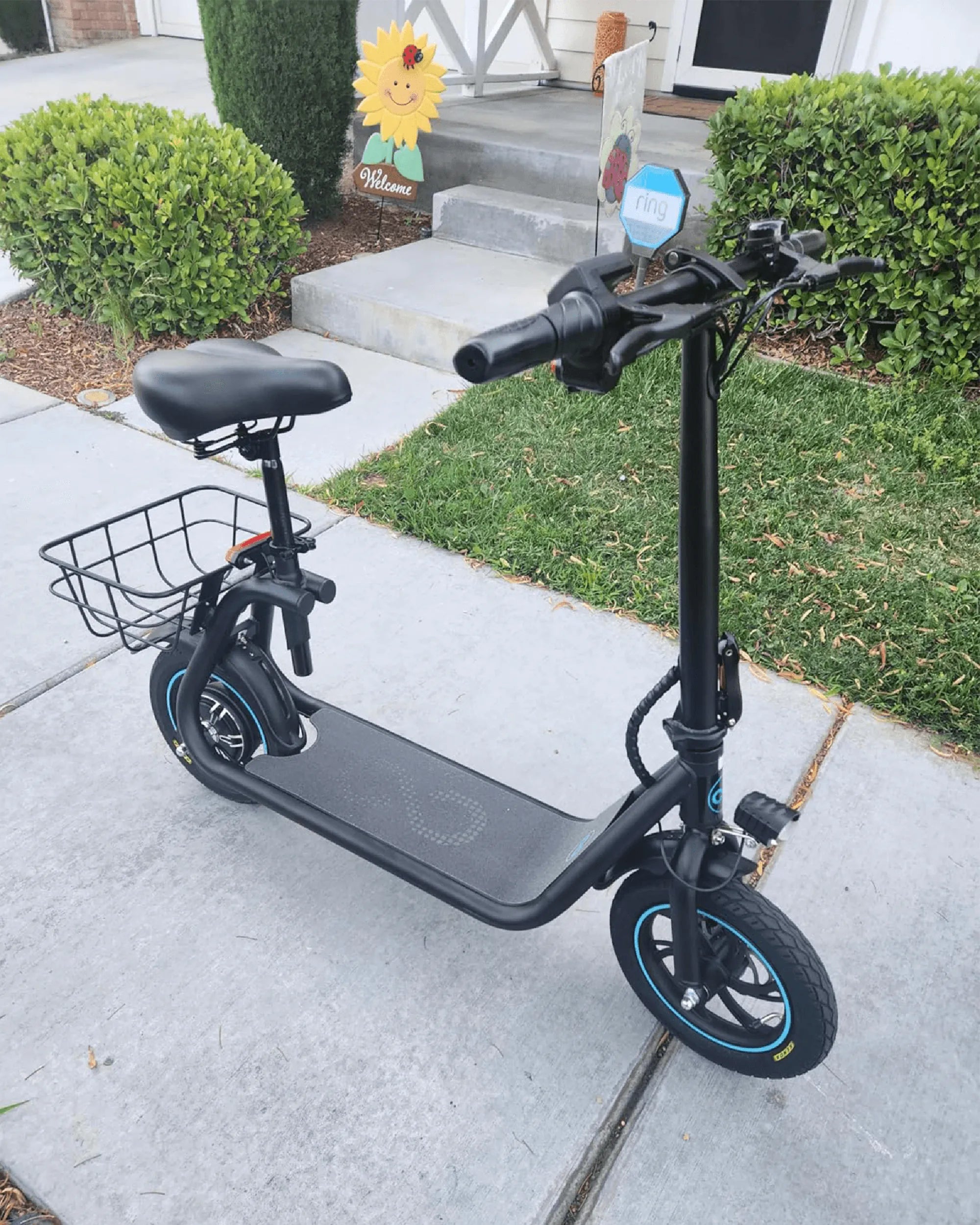
The Rise of the 3-Wheel Trike for Kids: From Toy to Developmental Tool
A 3 wheel trike for kids represents a fundamental milestone in childhood, far transcending its role as a simple toy. It is a child's first serious vehicle, a tool for exploration, and a critical apparatus for physical and cognitive development. The modern trike has evolved from basic metal frames to sophisticated, ergonomically designed ride-ons that prioritize safety, adaptability, and long-term engagement. For parents, selecting the right model is an investment in their child's growth, confidence, and joyful independence.
This guide provides a data-driven, detailed analysis of what makes a quality 3 wheel trike for kids. We will dissect the developmental benefits, outline non-negotiable safety features, and provide a clear framework for matching a trike to your child's specific age and stage. As a leader in youth mobility, Gyroor applies its expertise in UL-certified batteries, IPX5 water-resistant designs, and robust construction from its electric scooter and e-bike line to create durable, safe ride-ons trusted by families.
The Developmental Benefits: Building More Than Just Memories
Investing in a 3 wheel trike for kids yields measurable returns in childhood development. The act of riding engages multiple systems, fostering growth in ways that passive play cannot match. It's a foundational experience that paves the way for more complex physical activities, including bicycle riding.
Gross Motor Skill Development is the most immediate benefit. The coordinated motion of pedaling strengthens leg muscles, improves cardiovascular health, and enhances overall stamina. Steering maneuvers develop arm and core strength, while the constant postural adjustments engage the entire musculoskeletal system.
Balance and Coordination are honed progressively. While a 3 wheel trike for kids offers inherent stability, mastering it requires children to learn weight distribution, coordinated limb movement (pedaling while steering), and spatial judgment. This kinesthetic learning forms a neural blueprint for more advanced balance challenges.
Spatial Awareness and Cognitive Mapping are enhanced as children navigate their environment. They learn to judge distances, avoid obstacles, and understand the consequences of their movements. This fosters problem-solving skills and environmental interaction. Furthermore, achieving mastery over a trike builds immense Independence and Confidence, providing a tangible sense of achievement and autonomy that boosts self-esteem.
Key Features to Look for in a Quality Kids' Trike
Not all trikes are created equal. A high-quality 3 wheel trike for kids is defined by a combination of safety-first engineering, durable materials, and thoughtful design that grows with the child. Parents should evaluate models against a rigorous checklist.
Safety First: Non-Negotiable Design Elements
Safety is the paramount concern. A stable, low-center-of-gravity design is essential to prevent tipping during sharp turns or on uneven surfaces. Effective braking systems, whether pedal-back (coaster) brakes or easy-reach hand brakes for older kids, must be reliable and appropriately sized for small hands. For younger models, a secure, 3- or 5-point safety harness and enclosed footrests are critical for supported rides. Wide, air-filled or puncture-resistant EVA foam wheels provide better traction and a smoother, more stable ride than hard plastic wheels.
Built to Last: Materials and Construction
Durability ensures the trike survives years of active play and possibly multiple children. A frame constructed from reinforced steel or lightweight, rust-resistant aluminum offers the best strength-to-weight ratio. All connection points—especially at the steering column, axle, and seat post—should be reinforced with gussets or robust welding. Components like pedals, handlebar grips, and bearings should withstand impact and weather. Gyroor's design philosophy emphasizes this robust construction, using materials tested for real-world rigor.
Comfort and Adjustability for Growing Riders
A trike that can't adapt becomes obsolete quickly. Look for a model with an easily adjustable seat height and, ideally, an adjustable handlebar height. This allows the trike to fit your child perfectly for several growth years, promoting proper ergonomics and control. The seat should be contoured for comfort, and the handlebars should offer a sure, non-slip grip. Controls must be within easy reach and require minimal force to operate, suiting developing motor skills.
Choosing the Right Trike: A Stage-by-Stage Guide
Matching a 3 wheel trike for kids to your child's developmental stage is crucial for safety and enjoyment. This guide breaks down the primary categories.
For the Youngest Riders (Ages 1.5-3): Push & Parent-Controlled Models
These trikes feature a removable push handle that allows a parent to steer and propel the trike. The child sits securely in a harness with feet on enclosed footrests, experiencing the motion and building comfort. As confidence grows, they can begin to experiment with the fixed pedals and steering. Key features include a sun canopy, storage bucket, and a locking mechanism to disable the steering for full parental control. This stage is about introduction and association of the trike with fun, outdoor movement.
For Budding Independents (Ages 2-4): Classic Pedal & Steer Trikes
This is the classic first 3 wheel trike for kids where the child takes full operational control. The trike should be lightweight for easy pedaling, with a low step-through frame for simple mounting and dismounting. Stability is key, so a wider wheelbase is beneficial. At this stage, simplicity reigns—reliable coaster brakes, a comfortable fixed seat, and durable plastic or foam wheels are standard. The goal is to master the fundamental cause-and-effect of pedaling to move and steering to direct.
For Confident Cruisers (Ages 3-5+): Advanced Features & Storage
For the experienced young rider, trikes can include features that enhance the experience. A hand brake provides more controlled stopping power and prepares them for bicycle braking systems. Larger wheels allow for greater speed and smoother rides over bumps. Practical additions like a rear storage trunk or a pretend sound system add to the imaginative play. The construction should be more heavy-duty to handle more aggressive riding, with all adjustments maximized to accommodate a growing preschooler.
Gyroor's Commitment: Engineering Trust for Young Riders
Gyroor's approach to kids' ride-ons is informed by its core engineering principles developed across its line of UL-certified electric scooters and e-bikes. The brand translates its commitment to safety, durability, and rider trust into products for its youngest users.
The Gold Standard in Battery Safety (for Electric Models)
For any electric 3 wheel trike for kids, battery safety is the highest priority. Gyroor insists on using only UL-certified lithium-ion battery packs. This certification means the battery has undergone rigorous independent testing for overcharge protection, short-circuit prevention, and thermal stability. It is the benchmark for consumer safety, offering parents peace of mind that the power source is as safe as modern technology can make it, a critical consideration often overlooked in children's products.
Built for Real-World Play: Water and Impact Resistance
Childhood play is messy and unpredictable. An IPX5 water-resistant rating, a standard Gyroor strives for, means the trike's electrical components (if present) can withstand low-pressure water jets from any direction. This protects against puddle splashes, garden hose accidents, or sudden rain showers, preventing corrosion and electrical failure. The mechanical construction is also designed to absorb the bumps, jumps, and occasional tips that are part of learning to ride.
Investment Protection: Comprehensive Warranty and Support
A product for children must be backed by unwavering support. Gyroor's standard 1-year comprehensive warranty on its products is a testament to its confidence in their durability and quality. This warranty, supported by accessible customer service, protects your investment and ensures that any manufacturing defects are promptly addressed. It reflects a brand that stands behind its products for the long term.
Comparison Table: Key Trike Types and Features
| Type / Stage | Best Age Range | Key Features | Primary Developmental Focus | Parental Involvement |
|---|---|---|---|---|
| Push & Parent-Controlled | 1.5 - 3 years | Removable push handle, safety harness, enclosed footrests, steering lock, canopy. | Introduction to motion, balance sensation, environmental awareness. | High (Full control and propulsion) |
| Classic Pedal & Steer | 2 - 4 years | Lightweight frame, coaster brake, low step-through, fixed seat, wide wheelbase. | Gross motor skill development, pedal-steer coordination, initial independence. | Medium (Supervision and guidance) |
| Advanced Cruiser | 3 - 5+ years | Adjustable seat/handlebars, hand brake, larger wheels, storage, heavy-duty frame. | Advanced coordination, speed control, imaginative play, extended use. | Low (Distant supervision) |
| Electric-Assist (Premium) | 3 - 6 years* | UL-certified battery, speed limiters (2-5 mph), parental remote control, IPX5 rating. | Throttle control understanding, enhanced range of exploration. | Variable (Remote supervision/control) |
*With strict parental supervision and appropriate safety gear.
FAQ: Your Top Questions About Kids' 3-Wheel Trikes, Answered
Q: What is the best age to start my child on a 3 wheel trike for kids?
A: Most children are ready for a parent-controlled push trike around 18 months, once they can walk steadily and sit upright unsupported. Transition to a classic pedal trike typically occurs between 2 and 2.5 years, depending on individual coordination and interest.
Q: How do I ensure the trike is the right size for my child?
A> The key metric is inseam fit. When your child sits on the seat, their feet should rest flat on the pedals (or footrests) with a slight bend in the knee. They should be able to reach the handlebars comfortably without leaning forward excessively. Always prioritize adjustability to extend the trike's useful life.
Q: Are electric 3-wheel trikes safe for young children?
A> Safety is contingent on design and parental oversight. A safe electric model must have a UL-certified battery, a very low speed limit (under 5 mph), a reliable braking system, and ideally a parental remote for emergency stop/start. It is not a substitute for supervision and should only be used by children who have mastered a non-electric trike first.
Q: What maintenance does a kids' trike require?
A> Regular maintenance includes checking and tightening all bolts (especially on wheels, handlebars, and seats), inspecting tires for wear or proper inflation, ensuring brakes engage smoothly, and cleaning the trike with a damp cloth to prevent dirt buildup in moving parts. Lubricate the chain and wheel bearings periodically if applicable.
Q: Can a trike help my child learn to ride a bicycle later?
A> Absolutely. A 3 wheel trike for kids is the foundational step in the progression to a bicycle. It teaches the core concepts of steering, pedaling, and spatial navigation. The next step is often a balance bike (which removes the pedals to focus purely on balancing), making the transition to a pedal bicycle significantly smoother and often bypassing the need for training wheels.
Paving the Path to Lifelong Confidence and Adventure
Selecting the ideal 3 wheel trike for kids is a decision that echoes through a child's early years. It is the vehicle for first solo adventures down the sidewalk, the tool that strengthens growing bodies, and the confidence-builder that proclaims, "I can do it myself." By prioritizing certified safety features like stable construction and UL-certified components, demanding durable and adjustable materials, and carefully matching the trike to your child's developmental stage, you invest in years of healthy, joyful, and safe outdoor play.
The right trike doesn't just fill a playtime need; it actively contributes to your child's physical and cognitive development, laying the groundwork for an active lifestyle. For parents seeking a blend of innovative design, rigorously tested safety, and robust durability, exploring options from established brands with a proven track record is essential. Discover ride-ons built to the exacting standards that modern families deserve and empower your child's next adventure. Browse the full Gyroor collection at gyroorboard.com to find the perfect companion for your young explorer's journey.
Bike Speed Limit: The Complete Guide to E-Bike Laws & Safety
How to Start a 2 Stroke Dirt Bike: The Complete Master Guide