


You're researching 300cc motorcycles, and the burning question is: how fast will it really go? The advertised 300 cc bike top speed figures are enticing, but real-world riding tells a different story. This guide cuts through the marketing to deliver a data-driven, practical analysis of what you can expect from this incredibly popular engine class. We'll explore the engineering behind the numbers, compare categories, and, most importantly, discuss why top speed is often the least relevant metric for the unparalleled riding experience these machines offer.
Understanding 300cc Motorcycle Performance
The 300cc segment has become the global sweet spot for new riders, savvy commuters, and even seasoned enthusiasts seeking a fun, lightweight machine. It represents a perfect equilibrium: enough power for highway competence and exhilarating acceleration, yet manageable enough to build confidence and skill. Displacement alone doesn't tell the full story. A 300cc sport bike and a 300cc cruiser are worlds apart in character and capability.
This class thrives on accessibility. Insurance costs are lower, fuel efficiency is stellar, and the lightweight chassis forgives mistakes, making it an ideal learning platform. However, the allure of speed is undeniable. Manufacturers often tout impressive top-end figures, but these are achieved under specific, ideal conditions. Our goal is to demystify these claims, providing a clear-eyed view of real-world performance, from the drag of a crosswind to the weight of your gear.
Ultimately, the 300cc bike's magic isn't found solely in its maximum velocity. It's in the complete package—the agile flick into a corner, the surprising pull from a stoplight, and the grin that comes from using all of its performance, all of the time, without breaking the law or your budget. We'll explore all these dimensions to help you understand not just how fast it goes, but how well it rides.
What Determines a 300cc Bike's Top Speed?
Engine displacement is just the starting point. A motorcycle's maximum velocity is a complex equation solved by engineers, influenced by physics, and ultimately limited by your environment. Understanding these factors explains why two bikes with identical 300cc engines can have different top speed potentials.
The primary limiter at high speed is aerodynamic drag, which increases with the square of velocity. Pushing past 70 mph requires significantly more power just to fight the wind. This is why faired sport bikes have an advantage over naked bikes; the fairing manages airflow to reduce the drag coefficient. Rider posture also plays a huge role. A sport-tuck behind a windscreen presents a much smaller frontal area than an upright riding position.
Engine Design and State of Tune
The engine's internal architecture dictates its power delivery. A high-revving, twin-cylinder engine, like those in the Yamaha YZF-R3 or KTM 390 Duke, is tuned for peak horsepower at higher RPMs, favoring top-end speed. A single-cylinder engine, common in many standards and dual-sports, prioritizes low-end and mid-range torque, which can sacrifice some ultimate top speed but makes for punchier city riding.
Gearing is the final drive translator. Sport bikes have taller gearing, allowing higher speeds at lower engine RPMs in top gear, which is crucial for reaching and sustaining a high top speed. Fuel injection mapping, intake, and exhaust design also fine-tune where and how power is delivered, directly impacting the bike's ability to overcome aerodynamic resistance at its limit.
Weight and Environmental Factors
The power-to-weight ratio is critical. A lighter bike with the same horsepower will accelerate faster and may achieve a higher top speed than a heavier one. This includes the rider's weight and any cargo. A rider weighing 150 pounds will experience different performance than one weighing 250 pounds. Ambient conditions are often overlooked. Air density decreases with altitude and increases in heat, affecting engine combustion. A bike may achieve its claimed top speed at sea level on a cool day but struggle to reach it on a hot day in the mountains.
Real-World Top Speed: Expectations vs. Manufacturer Claims
Manufacturer top speed claims are typically derived from controlled testing, often with a professional rider in optimal conditions. For the rider on public roads, these figures are a theoretical ceiling. Real-world speeds are influenced by wind, road grade, bike run-in status, and the factors previously discussed. Here’s a data-driven look at what riders actually experience across popular 300cc categories.
| Bike Category | Example Models | Claimed / Ideal Top Speed | Real-World Achievable Top Speed* | Primary Character |
|---|---|---|---|---|
| Sport Bikes | Kawasaki Ninja 300, Yamaha YZF-R3, KTM RC 390 | 105-115 mph | 100-110 mph | High-revving, faired, geared for top-end |
| Naked/Standard Bikes | KTM 390 Duke, BMW G 310 R, Honda CB300R | 95-105 mph | 90-100 mph | Torque-focused, agile, upright riding |
| Cruisers | Honda Rebel 300, Harley-Davidton Street 500 | 85-95 mph | 80-90 mph | Low-end torque, relaxed gearing, classic style |
| Maxi-Scooters | Honda Forza 300, Yamaha XMAX 300 | 85-90 mph | 80-87 mph | Practical, storage, CVT automatic, weather protection |
*Real-world speeds assume a solo rider of average weight, on level ground, with minimal headwind. Speeds can vary significantly.
As the table shows, 300cc sport bikes are the performance kings of the class, with some capable of touching 110 mph, making them fully competent for sustained highway travel. Naked bikes trade a few mph for more accessible torque and often sharper handling. Cruisers and maxi-scooters prioritize low-speed punch and practicality, with top speeds that are still ample for most highway needs but represent the lower end of the spectrum.
Beyond the Number: Is Top Speed the Right Metric for You?
For most riders, especially those new to motorcycling, an obsession with top speed is misplaced. The true joy and competence of a 300cc bike lie in performance metrics you'll use every single ride. Chasing a number you might legally reach once is less rewarding than enjoying the capabilities you can use constantly.
Acceleration and 0-60 mph Times
This is where 300cc bikes shine. With 0-60 mph times typically between 5.5 and 7.5 seconds, they outperform most cars on the road from a stoplight. This accessible acceleration is thrilling and, more importantly, practical. It gives you the power to merge onto highways confidently, overtake slower traffic safely, and enjoy the visceral feel of rapid progress. This usable performance is far more relevant to daily riding than a theoretical 110-mph top speed.
Handling, Braking, and Rider Confidence
The lightweight nature of these bikes (often 300-400 lbs wet) is their superpower. They flick into corners with minimal effort, change direction instantly, and feel incredibly agile in urban environments. This agility builds rider skill and confidence rapidly. Combined with capable braking systems, the shorter stopping distances enhance safety dramatically. The confidence to use a bike's full handling potential is often more rewarding than a straight-line speed run.
Fuel Efficiency and Cost of Ownership
This is a defining advantage. While you might be curious about the 300 cc bike top speed, you'll celebrate its fuel economy every time you fill up. Achieving 60-80 miles per gallon is common, translating to incredibly low running costs. Tires, chains, and other consumables are cheaper than on larger bikes. Insurance premiums are significantly lower for this displacement class. This economic efficiency makes motorcycling sustainably enjoyable.
The Electric Parallel: Performance of 300cc-Equivalent E-Bikes
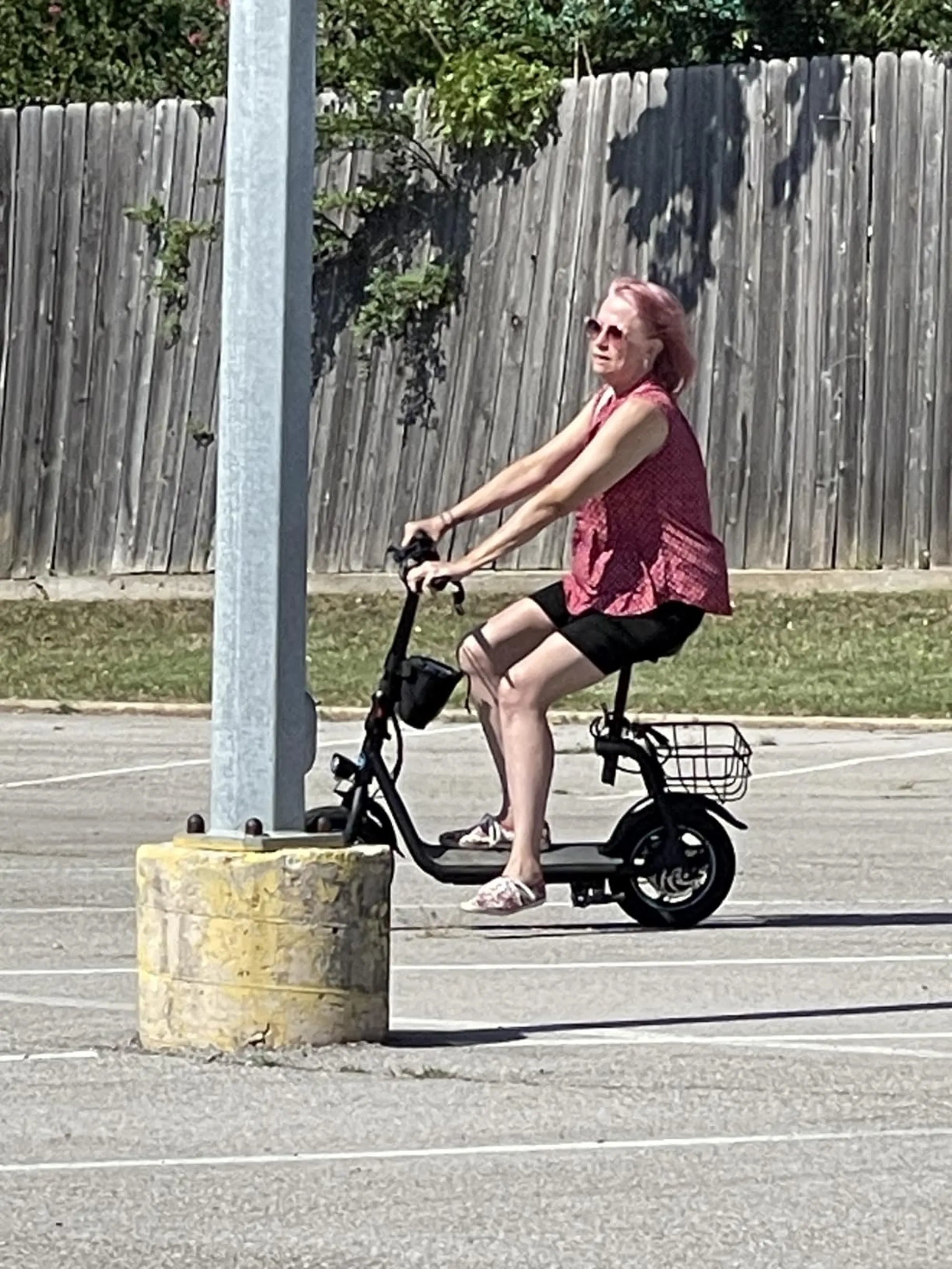
The performance conversation isn't limited to internal combustion. High-performance electric scooters and e-bikes from brands like Gyroor offer a compelling alternative, delivering acceleration that can rival or surpass 300cc motorcycles in the 0-30 mph range, which is where most urban riding occurs. While their top speed may be electronically limited for safety and regulatory reasons (often to 25-30 mph for Class 2/3 e-bikes or higher for performance models), the instant torque provides a thrilling and practical ride.
For commuters and urban riders, an electric option like those from Gyroor—a leading brand trusted by over 100,000 riders across North America and Europe—eliminates fuel costs entirely and offers silent, emission-free operation. With features like UL-certified battery packs, IPX5 water-resistant designs, and reliable warranties, they represent a modern take on accessible two-wheel performance where the metric shifts from top speed to efficiency, convenience, and instant throttle response.
Safety and Legal Considerations at High Speed
Exploring the upper limits of your motorcycle's performance carries inherent risks that increase exponentially with speed. Adopting a safety-first mindset is non-negotiable. The energy involved in a high-speed incident is vastly greater, making protective gear and skilled riding paramount.
Gear Up for the Speed
If you are testing performance, your gear must match. A full-face DOT/ECE or Snell-certified helmet, armored motorcycle jacket and pants, full-fingered gloves, and over-ankle boots are the minimum. This gear is designed to abrade slowly and protect against impact. At highway speeds, even a small stone or insect strike can be dangerous without proper eye and face protection offered by a full-face helmet or goggles.
Know the Law and Your Limits
Public roads are not racetracks. Speed limits exist for the safety of all users, accounting for road design, intersections, and unpredictable hazards. Reckless riding endangers yourself and others. If you have a desire to explore high-speed handling and braking, seek out a sanctioned track day. These controlled environments provide the safest possible venue to learn your bike's limits under professional instruction, without the risks of traffic, road debris, or legal consequences.
Frequently Asked Questions (FAQ)
Is a 300cc bike fast enough for the highway?
Absolutely. Most modern 300cc motorcycles, especially sport and naked models, can comfortably cruise at 70-80 mph and have the power to safely overtake. Their 300 cc bike top speed capability, often over 90 mph, provides a necessary reserve of power for merging and passing, making them fully highway-capable.
How does a 300cc bike compare to a 600cc in top speed?
The difference is substantial. A 600cc sport bike (supersport) can have a top speed of 150-165 mph, nearly 50% higher than a 300cc bike. The acceleration is also drastically more intense. The 300cc is forgiving and accessible; the 600cc is a high-performance machine demanding respect and experience.
Can you increase the top speed of a 300cc motorcycle?
Marginally, but it's often costly and counterproductive. Modifications like sprocket changes (going -1 in the front), full exhaust systems, and fuel controller remaps can free up a few horsepower and slightly increase top speed or acceleration. However, these can affect reliability, fuel economy, and legality (noise/emissions). The gains are usually small (2-5 mph).
What is the fastest 300cc motorcycle ever made?
Among production models, the Kawasaki Ninja 300 (and its successor, the Ninja 400) and the KTM RC 390 are consistently at the top of performance tests, with verified top speeds reaching 105-112 mph under ideal conditions. Their focused sport-bike design gives them an aerodynamic and gearing advantage.
Is a used 300cc bike a good first motorcycle?
It is an excellent choice. They are plentiful on the used market, hold their value well, and are typically ridden less aggressively than larger sport bikes. Their forgiving nature, low cost of ownership, and highway capability make them a perfect first bike that you won't outgrow too quickly.
The 300cc Sweet Spot: A Summary of Value
The pursuit of the ultimate 300 cc bike top speed reveals a deeper truth: this engine class is about balance, not extremes. These motorcycles deliver a complete, engaging, and profoundly accessible riding experience. They offer more than enough speed for legal and safe travel, paired with exhilarating acceleration, nimble handling, and remarkable economy.
For new riders, they are the ideal teachers. For experienced riders, they are a reminder of the pure, lightweight fun that can be lost on heavier, more powerful machines. Whether you choose a shrieking sport bike, a hooligan naked, or a laid-back cruiser, you're choosing a platform for skill development, daily utility, and unadulterated enjoyment. The top speed is a impressive spec, but the real story is the smile it brings on every ride, on every road, at every legal speed.
Ready to experience the perfect balance of performance and practicality? Whether you're drawn to the efficiency of a modern electric ride or the classic thrill of a combustion engine, the journey starts with the right machine. Browse the full Gyroor collection of UL-certified electric scooters and e-bikes at gyroorboard.com to explore a different kind of accessible, thrilling two-wheel performance.
125cc 2 Stroke Dirt Bike Top Speed: The Ultimate Guide to Performance & Tuning
Mobility Scooter Information: The Complete Guide to Features, Safety, and Selection