


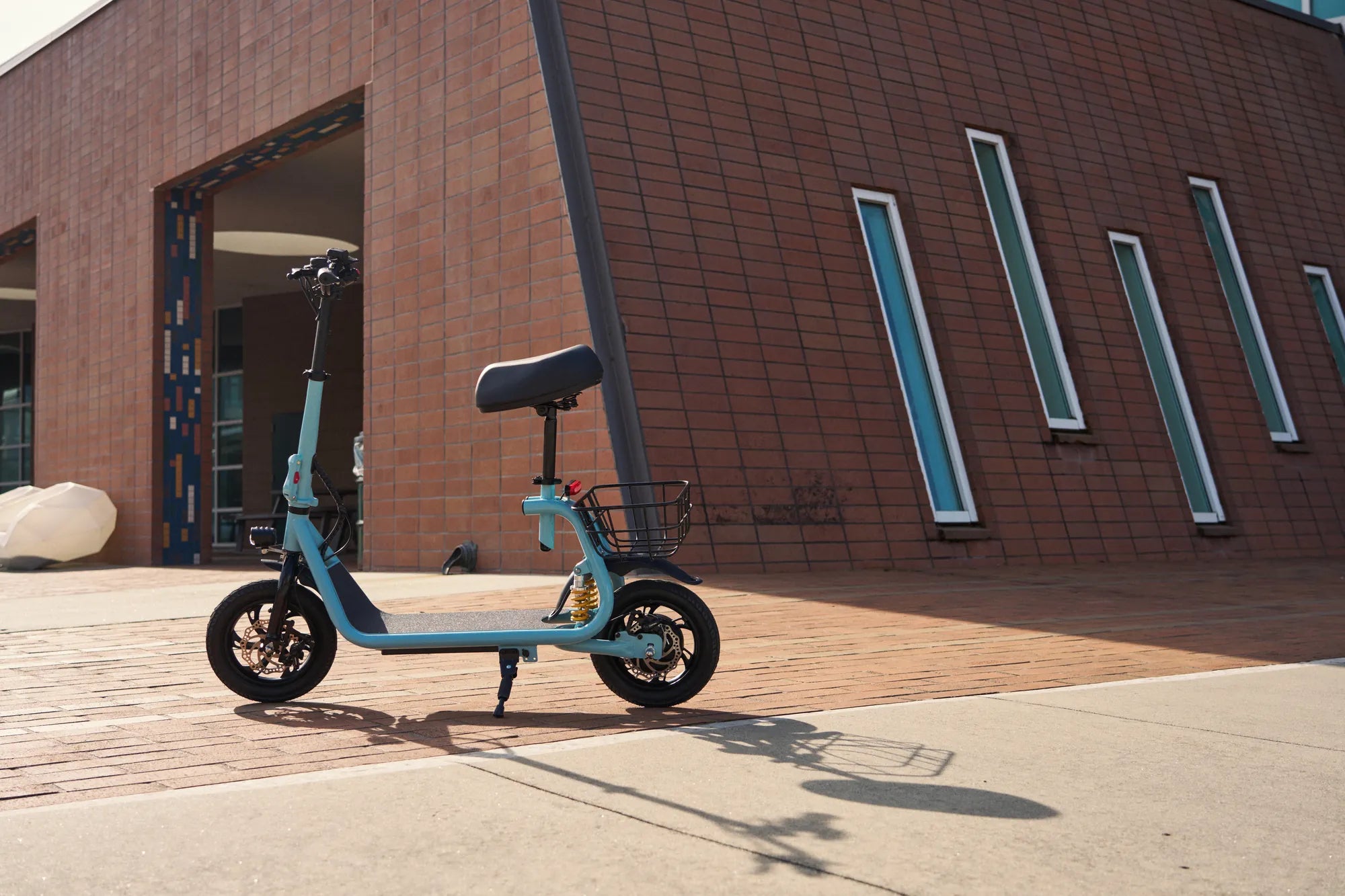
Introduction to 50cc Scooter Performance Parts
Unlocking the full potential of a 50cc scooter is a precise engineering endeavor. For urban commuters and enthusiasts alike, the term 50cc scooter performance parts represents a pathway to enhanced speed, sharper acceleration, and improved riding efficiency, all while navigating strict legal displacement limits. This pursuit isn't about reckless power; it's about optimizing an already efficient platform.
This guide provides a data-driven, systematic approach to scooter tuning. You will learn the foundational principles of internal combustion as applied to small engines, identify the most impactful upgrades, and understand how to implement them while maintaining reliability and safety. Whether your goal is a quicker getaway from traffic lights or a slight bump in cruising speed, informed modification is key.
Understanding Your 50cc Scooter's Stock Limitations
From the factory, most 50cc scooters are intentionally restricted. Manufacturers tune these vehicles to meet stringent emissions and noise regulations across global markets, often at the expense of peak performance. These restrictions are typically engineered into several key systems.
Common limitations include a restricted exhaust baffle that creates excessive backpressure, a variator with a governor or restrictive ramp profile that limits top-end gearing, and a lean carburetor jetting to pass emissions tests. The stock air intake box is also usually designed for noise suppression over optimal airflow. Understanding these factory-set boundaries is the first step in effectively surpassing them.
It's crucial to recognize that these stock configurations also represent a compromise for durability and broad usability. Performance parts shift this balance, prioritizing power output, which requires a corresponding increase in maintenance diligence and mechanical understanding from the rider.
The Core Philosophy: Optimizing Air, Fuel, and Exhaust
At its heart, improving internal combustion engine performance revolves around a simple principle: efficiently moving a precise mixture of air and fuel into the cylinder, burning it completely, and swiftly evacuating the exhaust gases. This is often called the "breathing" capability of an engine.
Every performance modification for a 50cc scooter targets one or more of these three stages. Intake and carburetor upgrades improve the volume and quality of the air-fuel charge. Exhaust enhancements reduce resistance to expelling spent gases. Ignition and transmission tweaks ensure this improved breathing translates effectively into wheel power.
Attempting to modify only one aspect, like installing a free-flowing exhaust without adjusting fuel delivery, often leads to poor performance or engine damage. A holistic, system-based approach is non-negotiable for successful tuning.
Key Performance Upgrades & Their Measurable Impact
Investing in the right 50cc scooter performance parts yields tangible returns. The following upgrades are considered foundational in the tuning hierarchy, each addressing a specific bottleneck in the stock configuration.
Intake and Filter Upgrades
The journey for more power begins with the air intake. Replacing the restrictive stock airbox with a high-flow pod filter or performance airbox kit can significantly increase airflow. This simple mod often results in immediate improvements in throttle response and mid-range power.
However, more air requires more fuel. This necessitates re-jetting the stock carburetor with larger main and pilot jets or installing a complete performance carburetor kit. A properly tuned carburetor ensures the engine runs at an optimal air-fuel ratio, preventing the lean condition that causes overheating and potential seizure.
Exhaust System Enhancements
A performance exhaust is one of the most popular first upgrades. Stock exhausts are heavily muffled and restrict flow to meet noise regulations. An aftermarket expansion chamber or performance street pipe is designed with tuned pipe geometry to use sound waves to help scavenge exhaust gases from the cylinder, pulling in a fresher air-fuel charge.
This reduction in backpressure allows the engine to rev more freely, typically boosting power across the RPM range, with notable gains in top-end speed. Riders must differentiate between street-legal, quieter options and louder racing pipes, considering local noise ordinances.
Drivetrain and CVT Tuning
The Continuously Variable Transmission (CVT) is where engine power meets the road. Upgrading CVT components is arguably the most cost-effective way to transform a scooter's feel. A performance variator with lighter rollers or sliders changes the engagement and shift points, improving acceleration.
Installing a stiffer torque driver or contra spring in the clutch can reduce belt slippage and improve how power is transferred, especially from a standstill. These transmission 50cc scooter performance parts fine-tune the powerband to better suit your riding style, whether for hill climbing or top-speed runs.
Ignition and Fuel Delivery Tweaks
A performance CDI (Capacitor Discharge Ignition) unit can remove a factory RPM limiter, allowing the engine to rev higher. It's critical to verify the legality of derestricting CDIs in your region, as it may affect road legality. Pairing this with a high-performance spark plug can ensure a stronger, more consistent spark for better combustion.
Supporting the fuel system with upgraded fuel lines and a high-flow fuel petcock ensures consistent delivery, especially under the increased demand of a tuned engine. These supporting mods are essential for reliability when making more significant power upgrades.
Data-Driven Comparison: Stock vs. Modified Performance
Theoretical gains are one thing, but realistic data helps set expectations. The table below outlines estimated improvements for a typical 50cc 4-stroke scooter undergoing staged modifications. Real-world results vary based on scooter model, rider weight, and tuning precision.
| Modification Stage | Estimated 0-30 mph Time | Estimated Top Speed | Notes on Fuel Economy |
|---|---|---|---|
| Stock Configuration | 8.5 - 10.5 seconds | 35 - 40 mph | Baseline (70-80 mpg) |
| Stage 1: Exhaust + Jet Kit | 7.5 - 9.0 seconds | 40 - 45 mph | May decrease slightly (65-75 mpg) |
| Stage 2: Stage 1 + Performance Variator/Rollers | 6.5 - 8.0 seconds | 45 - 50 mph | Highly dependent on riding style |
| Stage 3: Full Build (Big Bore Kit, etc.) | Sub 6.0 seconds | 55+ mph | Significant decrease; requires supporting mods |
This progression shows how cumulative upgrades work synergistically. The largest gains often come from the initial bolt-on parts, with diminishing returns and increased complexity as modifications become more extensive.
The Critical Role of Supporting Mods and Reliability
More power creates more strain on every component. Ignoring this reality leads to breakdowns and unsafe riding conditions. Performance brake pads are a mandatory safety upgrade to handle increased speed; stock pads may fade quickly under harder use.
High-quality, grippy tires are essential for putting the new power to the ground safely, especially in wet conditions. Furthermore, a tuned engine requires more frequent maintenance. Oil changes should be performed more often, and valve clearances, spark plugs, and air filters need regular checking and servicing.
This maintenance ethos mirrors the engineering philosophy behind brands like Gyroor, where reliability is built into the core design. Just as Gyroor uses UL-certified batteries and IPX5 water-resistant construction to ensure electric scooter dependability, a modified gas scooter requires the same commitment to quality components and preventative care.
Why Gyroor-Grade Reliability Informs the Modification Mindset
While Gyroor specializes in premium electric scooters and e-bikes, the core principles of performance and reliability are universal. A rider modifying their 50cc scooter seeks a similar outcome to a Gyroor customer: a trustworthy, enhanced riding experience.
Gyroor's commitment to using UL-certified battery packs, tested for over 500 charge cycles, parallels the need for proven, high-quality performance parts from reputable manufacturers—not knockoff components. Their IPX5 water-resistant design philosophy underscores the importance of all-weather reliability, whether your scooter is electric or gas-powered.
This focus on durability and safety is paramount. Trusted by over 100,000 riders, Gyroor's approach reminds us that performance should never compromise the fundamental integrity of the vehicle. When selecting 50cc scooter performance parts, prioritize vendors with strong reputations and verified product testing.
Frequently Asked Questions (FAQ)
Q: What is the most cost-effective first performance mod for a 50cc scooter?
A: For most riders, a combination of a performance exhaust and a corresponding carburetor re-jetting kit offers the best balance of noticeable power gain, relative simplicity, and cost. This addresses both exhaust flow and fuel delivery simultaneously.
Q: Will installing performance parts void my scooter's warranty?
A> In almost all cases, yes. Modifications that alter the engine or drivetrain from its original certified condition typically void the manufacturer's warranty. It is essential to check your warranty terms and consider completing major mods only after the warranty period has expired.
Q: How much top speed can I realistically gain from bolt-on parts?
A> On a 50cc scooter, a well-executed set of bolt-on modifications (exhaust, intake/jetting, CVT tuning) can realistically yield a 10-15 mph increase in top speed, bringing a stock scooter from ~38 mph to approximately 48-53 mph, depending on the model and rider weight.
Q: Are these performance modifications street-legal?
A> Legality varies drastically by country, state, and local jurisdiction. Exhaust noise limits, emission compliance, and removal of RPM limiters (via CDI) are common legal pitfalls. It is the rider's responsibility to research and comply with all local vehicle codes and regulations.
Q: Do I need to upgrade my carburetor if I just change the air filter?
A> Yes, almost certainly. A less restrictive air filter allows more air into the engine. Without adding more fuel via larger jets, the engine will run "lean" (too much air, not enough fuel), which increases combustion temperatures and can cause severe engine damage over time.
Smart Performance for the Informed Rider
Transforming your 50cc scooter with performance parts is a rewarding project that blends mechanical knowledge with practical gains. The key is a systematic, informed approach that respects the interplay between air, fuel, and exhaust systems. Start with foundational bolt-ons, reinforce with supporting safety mods like brakes and tires, and maintain a rigorous service schedule.
Whether you're squeezing every bit of efficiency from a combustion engine or appreciating the instant torque of an electric drive, the pursuit of a better ride is universal. For those exploring electric alternatives that offer impressive performance straight from the box, consider the engineering excellence of trusted brands.
Discover a new standard of reliable, high-performance electric mobility. Browse the full Gyroor collection, featuring UL-certified, IPX5 water-resistant scooters and e-bikes, at gyroorboard.com.
5 Below Scooter: The Ultimate Guide to Budget Electric Scooters Under $500
Electric Scooter: The Ultimate Guide to Choosing, Riding, and Maintaining Your E-Ride