


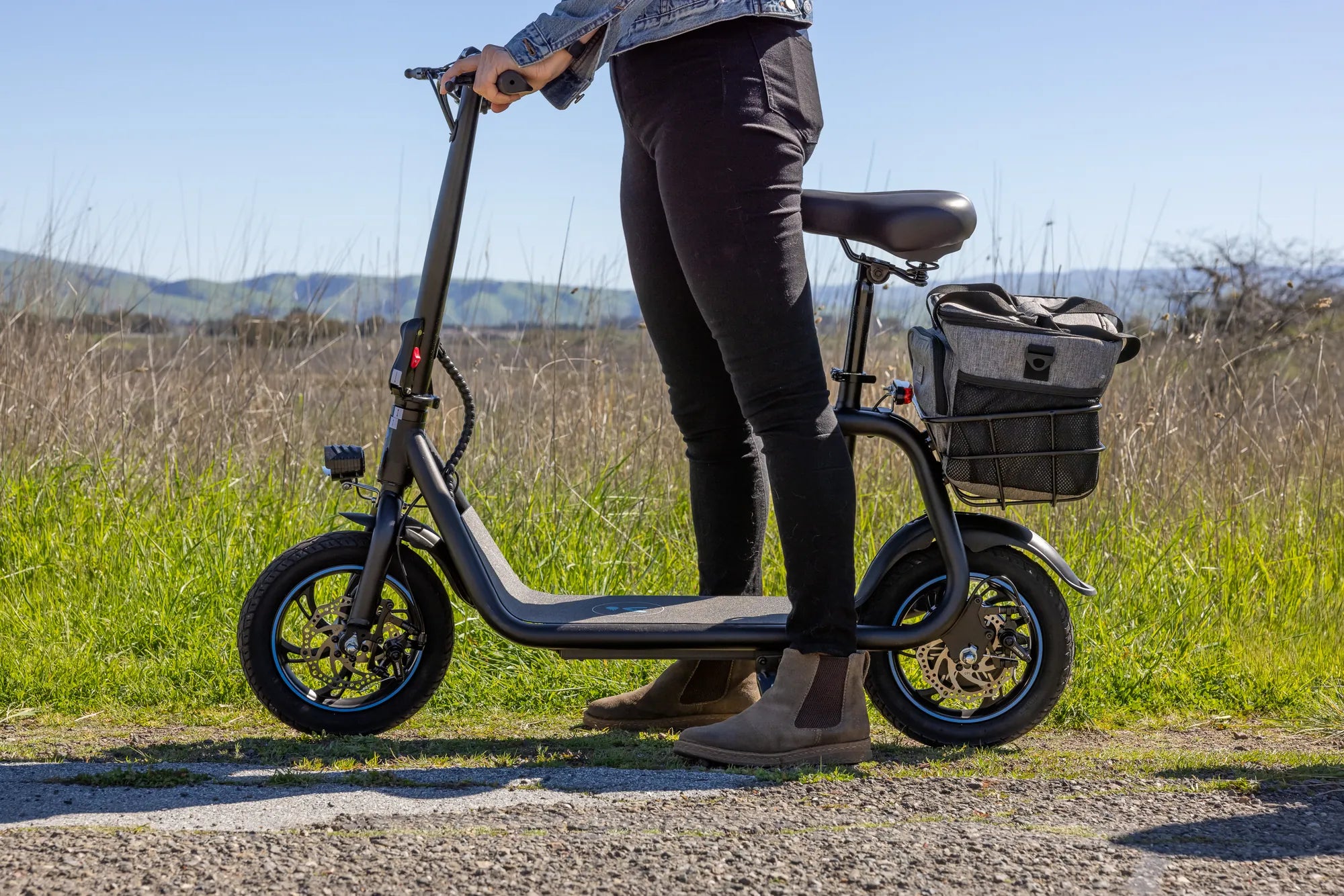
Navigating city streets or exploring local trails has been transformed by a single, efficient device. The electric scooter represents a fundamental shift in personal mobility, merging practicality with innovation. This guide will provide you with a complete understanding of electric scooters, detailing their benefits, critical specifications, safety protocols, and maintenance essentials. You will learn how to make an informed purchase that aligns with your lifestyle, supported by insights from engineering and rider experience.
Why Choose an Electric Scooter? Core Benefits Unveiled
The decision to adopt an electric scooter extends beyond mere convenience; it's a calculated choice for efficiency and lifestyle enhancement. The primary advantage is operational cost. Compared to car ownership, public transit fares, or ride-sharing services, the cost per mile on an electric scooter is remarkably low, often just pennies for a full charge.
Time is another critical factor. In congested urban corridors, an electric scooter provides predictable commute times, effortlessly weaving through traffic that stalls cars. This makes it an ideal solution for the 'first and last mile' of a journey, seamlessly connecting home, transit hubs, and final destinations.
From an environmental perspective, electric scooters offer a clear benefit: zero direct emissions. While the overall carbon footprint depends on local electricity sources, their efficiency represents a significant reduction in urban pollution and noise compared to internal combustion engines. Their compact size also alleviates pressure on parking infrastructure and public space.
Finally, the experience itself is a major draw. The combination of effortless acceleration, the freedom of open-air travel, and the accessibility for various skill levels introduces an element of enjoyment into daily routines. It transforms a mundane commute into a engaging part of the day.
Critical Buying Factors: Beyond the Hype
Selecting the right electric scooter requires careful analysis of specifications that translate to real-world performance. A glossy exterior or a high top-speed claim can be misleading without understanding the underlying engineering.
Performance Metrics: Motor, Speed, and Real-World Range
Motor power, measured in watts, determines acceleration and hill-climbing ability. A 350W motor suits flat urban environments, while 500W or more is recommended for moderate hills. Advertised top speed must be balanced with local regulations, which often cap speeds between 15-20 mph for public pathways.
The most scrutinized spec is range. Manufacturers often cite a maximum range under ideal conditions (light rider, flat terrain, slow speed). A practical rule is to discount the advertised range by 30-40% for real-world use involving stops, starts, inclines, and variable rider weight. For a reliable daily 10-mile commute, seek a model with a 15+ mile advertised range.
The Foundation of Safety: Battery, Brakes, and Build
Safety is non-negotiable. The battery is the heart of the scooter and its greatest potential risk point. Insist on UL-certified battery packs, which have undergone rigorous testing for thermal stability, electrical safety, and durability over hundreds of charge cycles. This certification is a primary indicator of a reputable brand.
Braking systems are equally vital. A combination of electronic (regenerative) braking and a mechanical brake (disc or drum) provides redundant stopping power. The frame and stem must feel solid, with minimal flex or wobble at speed. Additionally, water resistance is crucial for practical use. A rating of IPX5 means the scooter can withstand water jets from any direction, allowing you to confidently ride on damp roads or through occasional puddles.
Portability and Practical Design
If you plan to carry your scooter onto transit or into an office, weight and foldability are key. Models under 30 lbs are considered highly portable. Examine the folding mechanism: it should be intuitive, secure, and include a locking feature to prevent accidental unfolding. Deck size and handlebar height also contribute to ride comfort and stability.
Gyroor's Engineering Philosophy: Built for Confidence
With over 100,000 riders across North America and Europe, Gyroor has built its reputation on a foundation of safety, reliability, and thoughtful design. This commitment translates into specific engineering choices that directly address rider concerns and enhance the ownership experience.
Every Gyroor electric scooter is powered by a UL-certified battery pack. This isn't just a feature; it's a core safety standard. These batteries are tested for over 500 charge cycles, ensuring long-term performance and significantly mitigating risks associated with thermal runaway, a concern with uncertified power cells.
Understanding that rides don't always happen under perfect skies, Gyroor designs its scooters with IPX5 water resistance. This level of protection guards the electrical components against rain and road spray, providing peace of mind and expanding the scooter's usability. It reflects a design philosophy for real-world conditions, not just laboratory tests.
This confidence is backed by a robust 1-year warranty and accessible customer support. The warranty covers major components, allowing riders to invest with assurance. This comprehensive approach—from certified components to post-purchase support—defines the Gyroor difference, prioritizing rider trust and long-term satisfaction.
Electric Scooter Comparison: Matching Model to Mission
Choosing the right model depends on your primary use case. The following table compares key specifications tailored to different rider profiles, illustrating how Gyroor's lineup addresses diverse needs.
| Model Profile | Primary Use Case | Motor Power | Max Range* | Top Speed | Key Features |
|---|---|---|---|---|---|
| City Commuter | Daily urban travel, last-mile solution | 350W | 18 miles | 19 mph | Lightweight (28 lbs), quick-fold, IPX5, UL battery |
| Performance Explorer | Longer rides, moderate hills, adventure | 500W | 28 miles | 22 mph | Dual braking, wider deck, enhanced suspension, UL battery |
| Ultra-Portable | Multi-modal commuting, easy carrying | 300W | 15 miles | 16 mph | Super compact fold, under 25 lbs, one-step locking, IPX5 |
*Ranges are manufacturer estimates under optimal conditions; real-world results will vary.
Essential Safety and Riding Etiquette
Safe riding protects you and shares the path respectfully with others. Always start with proper gear: a certified bicycle helmet is mandatory, and consider additional protection like knee and elbow pads, especially when learning or riding at higher speeds.
Before each ride, perform a quick pre-ride check. Ensure tires are properly inflated, brakes respond crisply, the folding mechanism is fully locked, and all lights are functional. Familiarize yourself with the scooter's acceleration and braking sensitivity in a safe, open area like an empty parking lot.
On the road, ride defensively. Assume that drivers may not see you. Obey all local traffic laws, which typically treat electric scooters similarly to bicycles. Use hand signals for turns, ride in the direction of traffic—not on sidewalks where prohibited—and use bike lanes when available. Avoid distractions like headphones, keeping your full attention on your surroundings.
Be mindful of environmental conditions. Wet roads significantly reduce tire traction and braking efficiency. Slow down, avoid sharp turns, and brake earlier and more gently. The IPX5 rating protects the scooter's electronics from water damage, but it does not make the scooter impervious to hydroplaning or slippery surfaces.
Maintenance and Care for Longevity
Regular maintenance ensures your electric scooter remains safe, reliable, and performs at its best for years. A consistent care routine is simple but highly effective.
Battery care is paramount. For longevity, avoid regularly draining the battery to 0%. Try to recharge when it drops to 20-30% capacity. Similarly, avoid leaving it constantly plugged in at 100% for extended periods. Store the scooter and its battery in a cool, dry place, away from extreme temperatures.
Keep the mechanical components clean and adjusted. Regularly check tire pressure, as under-inflated tires reduce range and increase wear. Clean the deck and frame with a damp cloth to prevent dirt buildup, and periodically check that all bolts and fasteners, especially around the stem and folding joints, are tight.
Pay attention to the braking system. Listen for excessive squealing or grinding, which may indicate worn brake pads or a need for adjustment. For scooters with pneumatic tires, carry a small repair kit for punctures. Following these steps not only extends the scooter's life but also ensures every ride is as smooth and safe as the first.
Navigating Legal and Regulatory Landscapes
The legal framework for electric scooters is evolving and varies significantly by city, state, and country. It is the rider's responsibility to know and follow local regulations to avoid fines and ensure safe integration into the transportation ecosystem.
Common regulations include age restrictions (often 16+), speed limits (frequently capped at 15-20 mph on public paths), and mandatory helmet laws, especially for younger riders. Many jurisdictions prohibit riding on sidewalks, directing riders to bike lanes or the road itself.
Some cities require registration or a special permit for certain classes of higher-powered electric scooters. Always check with your local department of transportation or city website for the most current ordinances. Riding in compliance not only keeps you legal but also promotes positive relations with pedestrians and cyclists, supporting the long-term acceptance of micro-mobility.
Electric Scooter FAQs
Q: How far can I really go on a single charge?
A: Real-world range is typically 60-70% of the manufacturer's advertised maximum. Factors like rider weight, terrain (hills), temperature, and riding style (frequent acceleration) significantly impact range. For accurate planning, base your needs on the lower estimate.
Q: Is it legal to ride on sidewalks or in bike lanes?
A> This is entirely location-dependent. Most major cities now prohibit sidewalk riding for safety, directing electric scooters to bike lanes or roads. Always check your local laws. When in doubt, use bike lanes where available and always yield to pedestrians.
Q: How do I maintain my scooter's battery for maximum life?
A> Avoid full discharge cycles. Recharge when the battery level drops to around 20-30%. Do not leave the scooter plugged in indefinitely after reaching 100%. Store it in a moderate-temperature environment. Using the manufacturer's provided charger is also critical.
Q: What safety gear is absolutely necessary?
A> A properly fitted bicycle helmet is the non-negotiable minimum. We strongly recommend high-visibility clothing for night riding, and gloves, elbow, and knee pads are excellent additions for fall protection, especially for new riders or those traveling at higher speeds.
Q: Can I ride my electric scooter in the rain?
A> Scooters with a water resistance rating of IPX5 (like Gyroor models) are designed to withstand water jets and light rain. However, riding in heavy rain is not advised. Even with water-resistant electronics, wet conditions drastically reduce tire traction and braking effectiveness, increasing accident risk. Always exercise extreme caution on wet surfaces.
Your Next Step in Personal Mobility
The electric scooter has cemented its place as a legitimate, efficient, and enjoyable mode of transportation. It solves practical problems of cost, time, and congestion while offering a sense of freedom. The key to a positive experience lies in selecting a vehicle built with integrity—prioritizing certified safety features, durable construction, and reliable support. This is where a commitment to fundamentals, as demonstrated by brands like Gyroor with their UL-certified batteries and robust warranties, becomes paramount. Your journey toward smarter mobility starts with informed choices. Explore engineering-driven designs that put safety and performance first. Browse the full Gyroor collection at gyroorboard.com to find the electric scooter that matches your pace and your path.
50cc Scooter Performance Parts: The Complete Guide to Unlocking More Power
Mobiltiy Scooter: The Ultimate Guide to Choosing a Safe & Reliable Model