



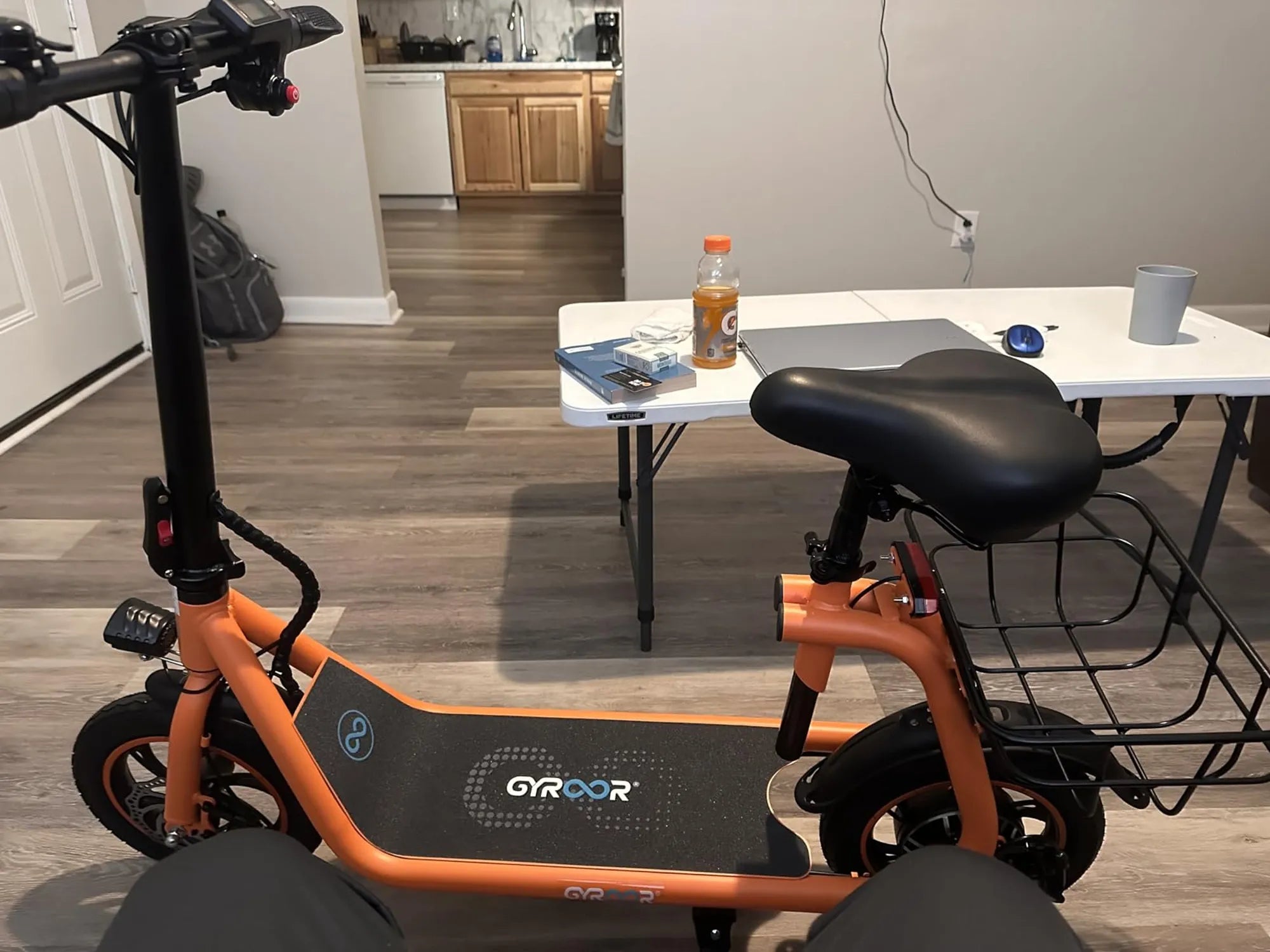
Introduction: Redefining Urban Mobility with High-Capacity Electric Scooters
The electric scooter market is maturing beyond lightweight, single-rider commuter toys. A new category is emerging to meet practical, daily needs: advanced electric scooters with high weight capacity. These are not merely stronger versions of existing models; they represent a fundamental re-engineering for utility, inclusivity, and car-replacement potential.
This evolution responds to real-world demands. Riders need to carry groceries, work gear, or even a child. Delivery couriers require durable platforms for heavy loads. The standard 220-265 lb limit excludes many adults and most practical cargo scenarios. Advanced electric scooters with high weight capacity, often starting at 330 lbs and exceeding 440 lbs, solve these problems. They are engineered for the multifaceted demands of modern urban life, making personal electric vehicles (PEVs) a viable primary transport option.
Brands like Gyroor, a leading electric scooter and e-bike manufacturer, are at the forefront of this shift. By focusing on UL-certified batteries, IPX5 water-resistant designs, and robust construction trusted by over 100,000 riders, they are building the reliable, high-capacity platforms that define this new standard. This article will dissect the engineering, benefits, and critical features of these advanced machines.
We will demonstrate why high weight capacity is the critical next step for urban mobility, enabling a future where short car trips are obsolete. This analysis is data-driven and factual, providing a clear framework for understanding this transformative product category.
What Defines a 'High Weight Capacity' Electric Scooter?
The term "high weight capacity" requires a clear benchmark. Standard commuter scooters typically support 220 to 265 pounds (100-120 kg). This suits many individual riders but offers no margin for cargo, passengers, or the varied weights of the adult population. The advanced category begins where the standard category ends.
A true high-weight-capacity electric scooter has a verified maximum load rating of at least 330 pounds (150 kg). The premium segment of this category pushes into 400-440 lb (180-200 kg) territory, with some commercial-grade models exceeding 500 lbs. This rating is not a marketing claim; it is the result of specific engineering choices across the entire vehicle's design.
This elevated capacity directly enables new use cases. It allows a 220-pound rider to carry 50 pounds of groceries or a delivery bag without stress. It safely accommodates riders whose weight exceeds the standard limit, making micro-mobility more inclusive. For commercial applications, it means the ability to transport tools, equipment, or multiple packages reliably.
The distinction is crucial for safety and performance. Exceeding a scooter's weight rating risks catastrophic failure of the frame, stem, or tires, and severely degrades braking, acceleration, and range. Therefore, identifying a scooter genuinely engineered for high capacity—not just labeled as such—is the first step for any serious buyer.
The Engineering Behind the Strength: Frame, Motor, and Battery
The robustness of an advanced electric scooter with high weight capacity stems from a holistic upgrade of its core systems. Each component is reinforced to handle sustained stress, ensuring safety and longevity under heavy loads.
Frame and Deck: The foundation is a reinforced frame, typically constructed from aircraft-grade aluminum alloy or high-tensile steel. These materials provide an optimal strength-to-weight ratio. The deck is wider and longer, offering a stable platform for the rider and any cargo. Critical stress points—like the folding mechanism, stem, and neck—are over-engineered with thicker gauge metal, reinforced welding, or additional locking pins.
Motor and Drivetrain: Power is paramount. While a 350W motor might suffice for a light rider on flat ground, high-capacity models feature motors starting at 500W, with 800W, 1000W, or dual-motor configurations becoming common. The key metric is torque, not just wattage. High torque (measured in Newton-meters) is essential for accelerating a heavy load and climbing hills without stalling. Gearless hub motors offer simplicity, while geared models provide more torque for their size.
Battery and Management: A larger load demands more energy. High-capacity scooters are paired with high-capacity, high-voltage battery packs (e.g., 48V 15Ah or larger). A UL-certified battery pack, like those used by Gyroor, is non-negotiable for safety, ensuring protection against overcharge, short circuit, and thermal runaway. The Battery Management System (BMS) must efficiently regulate discharge under high current draw to maintain range and battery health.
Suspension and Tires: To manage the increased force over bumps, a robust suspension system is mandatory. This often includes dual spring or hydraulic shocks at both front and rear. Tires shift from small solid rubber to larger (10-inch+) pneumatic (air-filled) tires, which provide better shock absorption, traction, and load distribution, crucial for comfort and safety under heavy weight.
Key Benefits: Why High Weight Capacity Matters for Modern Riders
The advantages of owning an advanced electric scooter with high weight capacity extend far beyond simply supporting more weight. They translate into tangible benefits that enhance utility, safety, and overall value for a wide range of users.
Practical Utility and Car Replacement: This is the primary benefit. The ability to carry significant cargo transforms an e-scooter from a simple commute tool into a viable vehicle for errands. You can transport a full week's groceries, a large backpack with a laptop and gym clothes, or even a pet carrier. This directly reduces dependence on a car for short urban trips, saving money and reducing congestion.
Inclusivity and Accessibility: Standard e-scooters inadvertently exclude a segment of the population. High-capacity models democratize urban micro-mobility, safely and comfortably accommodating a broader range of rider body types. This inclusivity is a significant step forward for the industry, aligning with broader goals of equitable transportation.
Enhanced Stability and Safety: The engineering required for high weight capacity inherently creates a more stable vehicle. A wider deck lowers the center of gravity. A stronger frame reduces flex and wobble at speed. Larger pneumatic tires and superior suspension improve contact with the road and dampen vibrations. For all riders, regardless of weight, these features contribute to a safer, more confident ride.
Durability and Long-Term Value: Scooters built to handle 400+ lbs of dynamic stress are inherently more durable under normal use by a lighter rider. The components are over-specified, meaning they experience less strain during daily operation. This translates to fewer breakdowns, lower maintenance costs, and a longer overall lifespan, offering better long-term value and reducing electronic waste—a key sustainability benefit.
Commercial and Gig Economy Viability: For delivery workers (food, packages), maintenance technicians, or security personnel, a reliable, high-capacity PEV is a game-changer. It increases efficiency in dense urban areas where cars are slow and parking is scarce, directly impacting earning potential. The durability to withstand all-day, every-day use is a critical economic factor.
Use Case Scenarios: From Daily Commutes to Commercial Applications
To understand the real-world impact, consider these specific user scenarios where advanced electric scooters with high weight capacity provide a distinct advantage.
The Professional Commuter: A rider weighs 200 lbs and carries a 25 lb backpack containing a laptop, documents, and lunch. Their total load is 225 lbs, already straining a standard scooter. With a high-capacity model, they ride with stability and full performance, and can even add a briefcase or stop for groceries on the way home without a second thought.
The Urban Parent: A parent needs to drop a child at daycare (35 lbs) while carrying a diaper bag (10 lbs). With a combined load potentially near 300 lbs (including the rider), a high-capacity scooter with a wide, stable deck makes this trip feasible, fast, and emission-free, replacing a short car trip.
The Delivery Courier: Analysis: The data reveals clear trade-offs and advantages. The high-capacity scooter has a higher baseline range due to its larger battery. While both see range reduction under max load, the high-capacity model's reduction is less severe in percentage terms because its systems are designed for the stress. Its performance metrics—acceleration and hill climb—degrade far less significantly, maintaining usability. The recommended maintenance interval is longer, reflecting its over-engineered durability. This table underscores that a true high-capacity scooter is not just stronger but is a higher-performance system optimized for heavy-duty operation. Advanced electric scooters with high weight capacity are not a niche product; they are a logical and necessary evolution in the micro-mobility ecosystem. Their role in shaping sustainable, efficient urban transport is multifaceted and growing. Catalyst for Car-Lite Lifestyles: By solving the "cargo problem," these scooters remove a major barrier to ditching car trips. A household can more realistically replace its second car, or even its primary vehicle for dense urban dwellers, with a combination of a high-capacity e-scooter and occasional car-sharing or public transit. This directly reduces traffic congestion, parking demand, and urban carbon emissions. Accessible Shared Mobility Fleets: Future shared e-scooter services could incorporate high-capacity models to serve a wider user base and more trip purposes. This would make shared mobility more inclusive and practical, moving it beyond leisure and short A-to-B commutes towards integrated daily utility. Logistics and Last-Mile Delivery: The commercial application will expand rapidly. As cities enact stricter emissions zones and congestion charges, electric scooters and cargo bikes become the most efficient tools for last-mile logistics. High-capacity, durable scooters designed for commercial use will become standard equipment for delivery and service companies. Sustainability Through Durability: The most sustainable product is one that lasts. The robust construction and high-quality components (like UL-certified batteries) in these scooters are designed for longevity. Coupled with comprehensive warranties and serviceable parts, this design philosophy combats the disposable culture plaguing some consumer electronics, reducing total lifecycle environmental impact. Brands like Gyroor, with their reliable 1-year warranty and focus on durable design, exemplify this approach. Regulatory Evolution: As these capable vehicles become more common, city planners and regulators will need to develop clearer frameworks for their safe integration. This includes considerations for dedicated infrastructure (protected bike/scooter lanes), appropriate speed limits for heavier vehicles, and standards for vehicle safety certifications, ensuring this growth happens responsibly. Q: Does carrying max weight drastically reduce the scooter's range? Q: Are these scooters significantly heavier and harder to carry? Q: Is a special license or insurance required to ride one? Q: Can I really carry a passenger on these scooters? Q: How important is water resistance for a high-capacity scooter? Q: What maintenance is required for heavy-duty use? The evolution toward advanced electric scooters with high weight capacity marks a pivotal moment for urban mobility. It signals a shift from viewing e-scooters as novelty commuter devices to recognizing them as legitimate, practical tools for reducing car dependency. By engineering for strength, durability, and utility, this new category addresses the real-world needs of a diverse range of riders—from the daily commuter with cargo to the commercial delivery operator. The benefits are clear: enhanced practicality, greater inclusivity, improved safety through robust design, and a positive impact on urban sustainability. However, these advantages are only realized when the vehicle is built to a genuine standard of quality. Choosing a model with verifiable engineering, key safety certifications like UL for the battery, and a strong warranty from a reputable brand is not an optional extra; it is a fundamental requirement for safe and reliable operation. As cities continue to evolve, the integration of these capable personal electric vehicles will play a key role in creating more livable, less congested, and cleaner urban environments. The future of urban mobility is not about a single technology, but about having the right tool for the trip. For millions of short to medium urban journeys, the advanced high-weight-capacity electric scooter is increasingly that tool. To explore a range of durable, high-performance electric scooters engineered for real-world capacity and backed by reliable service, browse the full Gyroor collection at gyroorboard.com. Discover models built with the robust components and safety-focused design that define the future of urban mobility.
Standard Commuter Scooter (265 lb max)
~15 miles
~8-10 miles (40-47% reduction)
10-15%
Struggles or fails
6-8 seconds
10-12 seconds
Monthly
Advanced High-Capacity Scooter (440 lb max)
~40 miles
~28-32 miles (20-30% reduction)
20-25%
Climbs steadily
4-5 seconds
6-8 seconds
Quarterly
The Future of Urban Mobility: Integration and Sustainability
FAQ: Your Questions on High-Weight Electric Scooters Answered
A> Yes, you should expect a reduction. Under maximum load, range typically decreases by 20-30% compared to the manufacturer's rating, which is often based on a lighter rider (e.g., 165 lbs). Always look for range tests conducted under load, not just ideal conditions. A larger battery (higher Ah rating) mitigates this effect.
A> Almost always. The reinforced frames, larger motors, and bigger batteries add weight. A high-capacity scooter often weighs 55-75 lbs, compared to 30-45 lbs for a standard model. If you need to carry it up stairs or onto transit frequently, look for models with efficient folding mechanisms and consider the weight carefully. Some offer a "walk-assist" mode to help.
A> Regulations vary by city, state, and country. Generally, if the scooter's top speed is limited to 20-28 mph (32-45 km/h), it is classified similarly to a standard e-scooter and does not require a license. However, you must always check your local laws. Personal liability insurance is rarely mandatory but is highly recommended, especially for high-value models.
A> Only if the scooter is explicitly designed, tested, and rated for two riders. These models will have an extended deck, dual foot placements, and a specific "two-rider" weight rating. Never attempt to carry a passenger on a scooter not designed for it, even if the combined weight is under the max load. It creates unstable weight distribution and is extremely dangerous.
A> Critical. If you're using it for daily transport or commercial work, you will encounter puddles and rain. A rating of IPX5 or higher (like Gyroor's IPX5 standard) means the scooter can withstand water jets from any direction, protecting the electronics and battery from short-term exposure. Avoid models with no or low IP ratings for all-weather reliability.
A> Increased stress means more vigilant maintenance. Key tasks include: regularly checking tire pressure (crucial for load-bearing), inspecting brake pads for wear (heavy loads increase stopping distance), tightening bolts and fasteners (vibration can loosen them), and keeping the drivetrain clean. Adhering to a schedule based on usage intensity, not just time, is essential.A More Capable and Inclusive Path Forward
Are Kids Allowed to Ride Electric Scooters? Safety and Legal Considerations
Kids Electric Scooters Supplier: The Ultimate Guide to Choosing the Best