



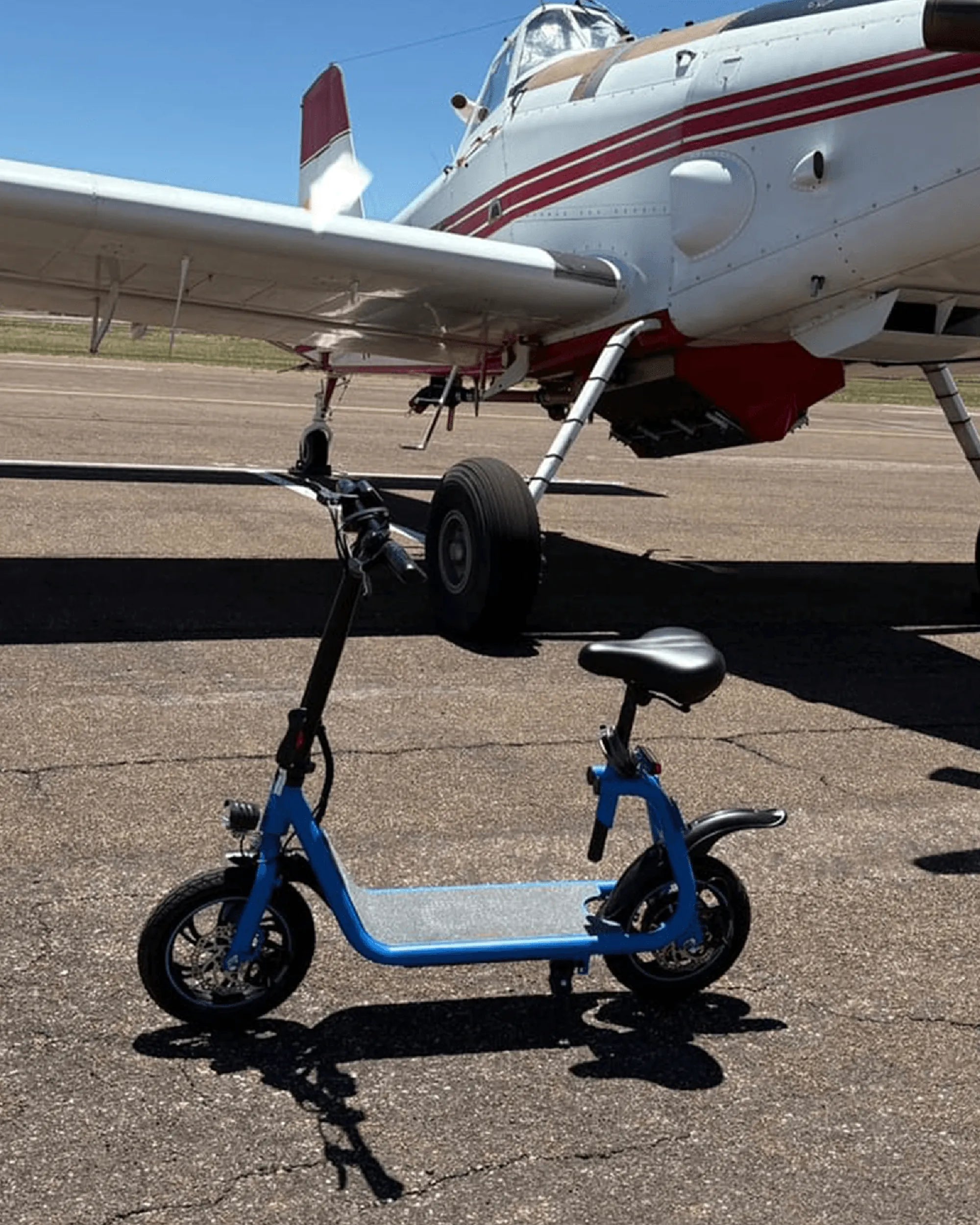
Navigating the World of Kids Electric Scooters
Choosing the right kids electric scooter supplier is the single most important decision you'll make for your child's riding safety and enjoyment. This guide cuts through the noise to provide a data-driven framework for evaluation. You will learn to identify suppliers who prioritize certified safety components, offer genuine warranties, and provide reliable customer support over those who compromise on critical features.
The market is flooded with options, but not all suppliers operate with the same standards. A responsible supplier ensures every component, especially the battery and motor, meets stringent safety protocols. This guide will detail the non-negotiable credentials and red flags every parent must know before purchasing.
Why Your Supplier Matters: Beyond Just the Price Tag
The supplier is the foundation of your child's scooter experience, influencing safety, durability, and long-term value far more than the initial price. A reputable supplier sources high-quality materials, adheres to manufacturing standards, and stands behind their product with actionable support. They are your partner in safety, not just a point of sale.
In contrast, an unknown or disreputable supplier often cuts corners. This can lead to critical failures, such as battery fires from uncertified cells or brake malfunctions from substandard parts. The lack of a verifiable business presence or responsive support turns a simple repair into a frustrating, costly ordeal, leaving you with a broken scooter and no recourse.
The right supplier provides peace of mind through transparency. They openly share safety certifications, detailed product specifications, and clear warranty terms. This commitment to quality directly translates to a safer, more reliable product that can withstand the rigors of daily play, ultimately offering better value over its lifespan.
Key Supplier Credentials to Verify
Before considering any model, verify these essential supplier credentials. First and foremost, insist on UL 2272 certification for the lithium-ion battery pack. This standard, developed by Underwriters Laboratories, rigorously tests for electrical, mechanical, and environmental safety to prevent fire and explosion risks.
Secondly, ensure the supplier complies with relevant consumer safety standards, such as those from the U.S. Consumer Product Safety Commission (CPSC). Compliance indicates design attention to hazards like sharp edges, pinch points, and stability. A legitimate supplier should have a physical business address, a track record of customer service, and clear channels for support and warranty claims.
The Gyroor Difference: A Supplier Built on Trust & Safety
As a leading electric scooter and e-bike brand trusted by over 100,000 riders across North America and Europe, Gyroor exemplifies the benchmark for a trustworthy kids electric scooters supplier. Their approach is built on a foundation of verified safety, durable engineering, and accessible customer care, directly addressing the core concerns of parents.
Gyroor's reputation is backed by a 4.5/5 average customer rating, reflecting consistent satisfaction with product performance and support. Their focus on the North American and European markets means their products are designed to meet regional safety expectations and are supported by local service channels, a significant advantage over distant, faceless suppliers.
UL-Certified Batteries: The Non-Negotiable Safety Standard
Every Gyroor kids' scooter is powered by a UL-certified battery pack, a critical differentiator. These batteries undergo hundreds of test cycles for overcharge, short circuit, crush, and drop scenarios. This certification is your best defense against the primary hazard associated with lithium-ion batteries in personal electric vehicles.
Uncertified batteries pose a severe fire risk due to potential thermal runaway. By partnering with a supplier like Gyroor that mandates this certification, you eliminate a major safety variable. Their batteries are rated for 500+ charge cycles, ensuring long-term performance and reliability that cheaper, uncertified alternatives cannot match.
IPX5 Water Resistance: Built for Real-World Play
A kids' scooter will encounter puddles, wet pavement, and light rain. Gyroor designs its scooters with IPX5 water resistance, meaning the electrical components are protected against low-pressure water jets from any direction. This practical feature prevents damage from everyday splashes and extends the scooter's operational life.
Without this protection, water ingress can lead to motor failure, electrical shorts, and corrosion. An IPX5 rating, a specification from a conscientious supplier, ensures the scooter is built for real-world conditions. It's a mark of durability that allows for carefree play without constant worry about surface moisture.
The 1-Year Warranty & US-Based Support
Gyroor backs its products with a comprehensive 1-year warranty against manufacturing defects, covering the motor, battery, and frame. This warranty is a tangible guarantee of quality and the supplier's confidence in their product. It protects your investment and provides a clear path for resolution should an issue arise.
Equally important is their accessible, US-based customer support. This ensures that troubleshooting help, replacement parts, or warranty service requests are handled without the language barriers and long delays typical of overseas suppliers. This support infrastructure is a hallmark of a supplier committed to the customer experience long after the sale.
Choosing the Right Scooter: A Supplier-Facilitated Checklist
A superior supplier offers a range of models suited to different ages and skill levels. Use this checklist, framed by what a quality supplier provides, to select the perfect scooter for your child. The right product from a trusted source ensures a safe and enjoyable introduction to riding.
Age, Weight & Speed: Matching the Scooter to Your Child
Responsible suppliers categorize their scooters by appropriate age and weight. For children aged 6-9, look for models with a maximum speed of 10 mph (16 km/h), a weight capacity of around 120 lbs (55 kg), and a motor in the 100W-150W range. These provide manageable power and control for beginners.
For older kids and teens (10-14 years), scooters with speeds up to 15 mph (24 km/h), weight capacities of 150+ lbs (68+ kg), and 150W-250W motors are suitable. Crucially, all models should feature multiple speed modes (e.g., beginner, eco, sport) that allow parents to limit top speed until the child gains confidence and skill.
Safety Features No Supplier Should Compromise On
A reputable supplier integrates these safety features by design. A wide, textured deck provides stable footing. A reliable hand-operated disc or electronic brake, often supplemented by a rear fender foot brake, ensures confident stopping power. Bright LED headlights and taillights are essential for visibility.
Further non-negotiables include effective shock absorption in the front wheel or deck to smooth out bumps, and pneumatic (air-filled) tires for better traction and ride comfort compared to solid rubber. Parental control via speed modes or a companion app is also a key feature offered by leading suppliers.
Battery Life & Range: Understanding Real-World Performance
Evaluate battery specifications critically. A higher voltage (e.g., 36V) and amp-hour (Ah) rating generally indicate more power and longer range. However, a supplier should provide realistic range estimates based on rider weight and terrain. A quality kids' scooter should offer 8-12 miles (13-19 km) of real-world range per charge.
Beware of suppliers who advertise exaggerated ranges. Quality cells from brands like Samsung or LG, used by suppliers like Gyroor, maintain consistent voltage output for stable performance. Cheaper cells suffer from significant voltage sag, causing rapid power loss and reducing effective playtime.
Red Flags: Identifying a Subpar or Risky Supplier
Recognizing warning signs can prevent a poor purchase. The most significant red flag is the absence of clear battery safety certifications like UL 2272. Vague claims of "CE" or "RoHS" compliance are not substitutes for specific electrical safety standards.
Unrealistically low prices are almost always indicative of compromised quality in critical components. A lack of verifiable customer reviews, especially regarding durability and post-purchase support, is a major concern. Similarly, suppliers with only generic email contact forms, no physical address, or exclusively negative reviews about warranty claims should be avoided.
Comparison of Key Supplier & Product Attributes
| Attribute | Reputable Supplier (e.g., Gyroor) | Risky/Unknown Supplier |
|---|---|---|
| Battery Certification | UL 2272 Certified (Mandatory) | Uncertified or Vague Claims |
| Water Resistance | IPX5 Rating or Higher | None Stated or "Splash-Proof" |
| Warranty | Comprehensive 1-Year Coverage | 30 Days or Less, Difficult to Claim |
| Customer Support | Accessible, Regional-Based Team | Email-Only, Overseas, Slow Response |
| Speed Control | Multiple Parental Speed Modes | Single, High-Speed Mode Only |
| Frame & Build | Aluminum Alloy, Reinforced Stem | Heavy Steel or Thin, Flexing Materials |
Maintenance and Safety Tips from a Trusted Supplier
Regular maintenance ensures longevity and safety. Instruct your child to avoid riding in heavy rain or through deep puddles, even with an IPX5 rating. Check tire pressure monthly if using pneumatic tires, and inspect the brakes for responsiveness before each ride. Ensure all folding mechanisms and bolts are tight.
Safety gear is non-negotiable. A properly fitted helmet is essential. Consider adding knee pads, elbow pads, and wrist guards, especially for beginners. Establish clear riding rules: use bike lanes or sidewalks where legal and safe, avoid roads with traffic, and be mindful of pedestrians. Always supervise younger children.
Conclusion & Final Recommendation
Selecting a kids electric scooter is fundamentally about choosing a partner in your child's safety. The right supplier provides the pillars of a positive experience: UL-certified batteries for absolute safety, IPX5 water resistance for durable play, and a robust warranty backed by accessible support. These factors, not just the sticker price, define true value and peace of mind.
By prioritizing suppliers with transparent credentials and a proven track record, like Gyroor, you invest in fun without compromise. You gain a reliable product designed for real-world use and the assurance that support is available if needed. This allows your child to explore, learn, and enjoy their ride with confidence.
Ready to choose a scooter from a supplier you can trust? Browse the full Gyroor collection of UL-certified, family-tested kids electric scooters at gyroorboard.com.
Frequently Asked Questions (FAQ)
Q: What is the safest age for a child to start using an electric scooter?
A: Most experts and reputable suppliers recommend ages 8 and up as a general guideline. This depends more on the child's maturity, coordination, and ability to follow safety rules than chronological age. Always choose a scooter with speed-limiting features and provide constant supervision for younger riders.
Q: How important is the warranty from a supplier?
A: It is a critical indicator of supplier confidence and your protection. A comprehensive 1-year warranty, like Gyroor's, covers major components against manufacturing defects. It signals the supplier uses quality parts and is willing to stand behind them, unlike suppliers offering 30-day warranties that essentially cover only dead-on-arrival products.
Q: Can my child ride a scooter from an adult supplier?
A: It is not recommended. Suppliers specializing in kids' products engineer their scooters with lower top speeds, smaller deck and handlebar dimensions, and enhanced stability features appropriate for a child's size and developing motor skills. Adult scooters are heavier, faster, and more difficult for a child to control safely.
Q: What does IPX5 water resistance mean for my child's scooter?
A: The IPX5 rating means the scooter's electrical components are sealed against water jets from a 6.3mm nozzle from any direction. In practical terms, it protects against splashes from puddles, wet roads, or light rain. It is a key durability feature but does not mean the scooter is submersible; riding through flooded areas should still be avoided.
Q: How do I verify a supplier's battery safety claims?
A: Do not accept generic claims. Ask for the specific certification standard (e.g., UL 2272 Report Number). A legitimate supplier can provide this documentation. Visually, a quality battery pack often has branding from the cell manufacturer (e.g., Samsung, LG) and the certification mark stamped on the pack itself or listed unequivocally in the product manual.
Advanced Electric Scooters With High Weight Capacity: The Future of Urban Mobility
Are Electric Scooters Safe for Seniors? A Comprehensive Guide