



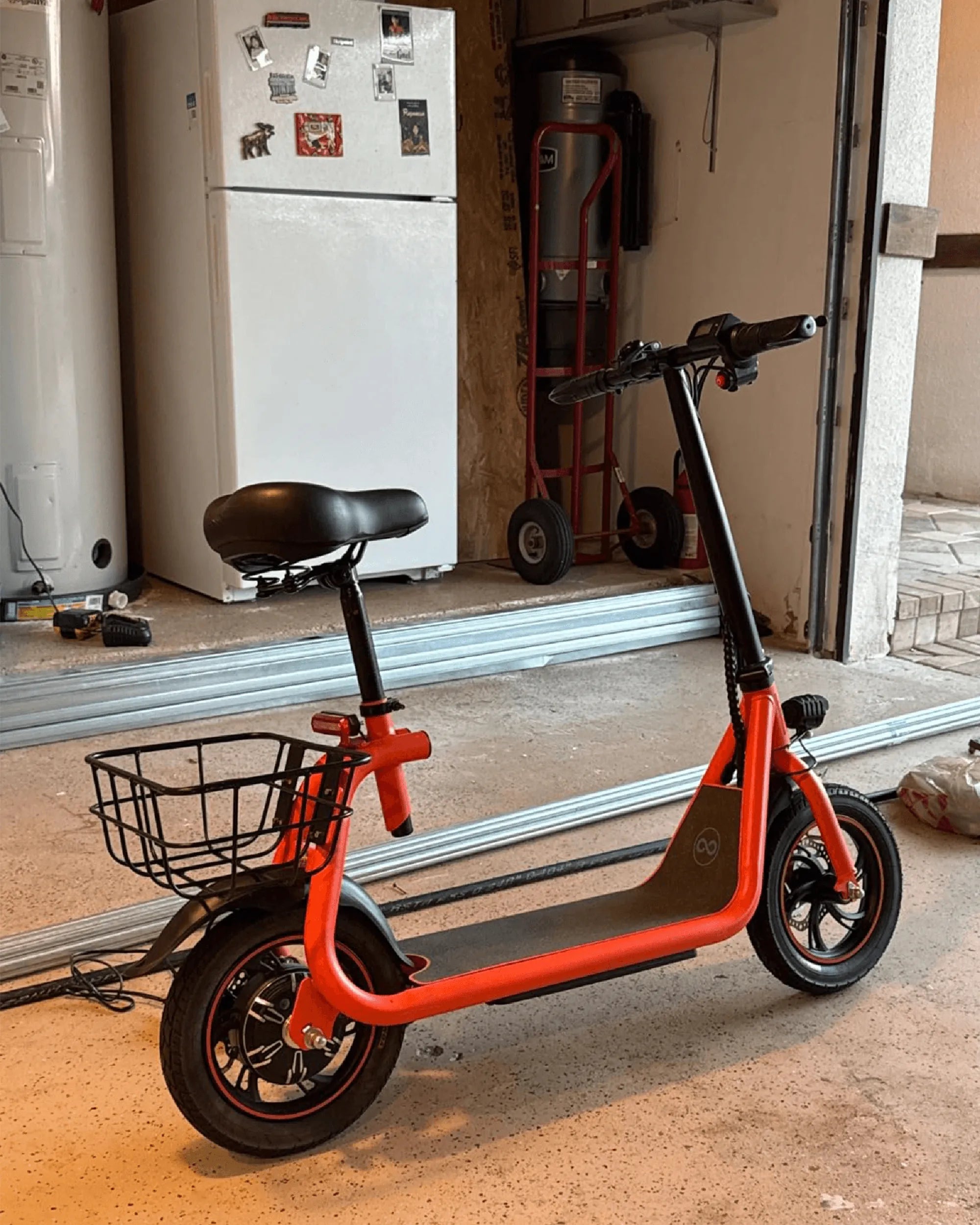
Navigating Ireland's E-Scooter Rules
If you're considering an electric scooter for your Dublin commute or a Cork city jaunt, you've likely hit a wall of confusing information. The question, "Are electric scooters allowed on the road in Ireland?" is one of the most searched transportation queries in the country. The short, current answer is no—but significant change is on the horizon.
This complete guide cuts through the noise with up-to-date, factual analysis of the law as of 2024. We'll explain the legal technicalities that currently ban e-scooters from public roads, break down the proposed legislation that will change everything, and offer practical, legal alternatives for riding today. Furthermore, we'll detail how to choose a scooter built for safety and future compliance, drawing on expertise from leading brands like Gyroor, trusted by over 100,000 riders for their UL-certified batteries and robust designs.
The Current Legal Status of E-Scooters in Ireland (2024)
Under the existing Irish Road Traffic Act 1961, electric scooters are classified as "mechanically propelled vehicles" (MPVs). This is the same legal category as cars, motorcycles, and trucks. This classification carries significant obligations that are currently impossible for e-scooter owners to meet.
To legally operate an MPV on a public road, it must be registered, taxed, insured, and pass a roadworthiness test (NCT). The driver must hold a valid license for that vehicle category. Crucially, there is no vehicle registration category for e-scooters, meaning you cannot tax, insure, or register them for road use through standard channels.
Consequently, using a privately-owned e-scooter on any public road, footpath, or cycle lane is illegal. The Gardaí have the authority to issue a fixed charge notice (fine) to riders, and in some cases, can seize the scooter. This legal grey area has persisted for years, creating frustration for commuters seeking a sustainable, efficient alternative to cars and public transport.
It is vital to understand this distinction: the issue isn't that e-scooters are explicitly banned; it's that they fall under a legal framework that makes their use practically illegal by default. This is the core problem the forthcoming legislation aims to solve.
Proposed Legislation: The Road Traffic and Roads Bill 2021
The landscape is set to transform with the enactment of the Road Traffic and Roads Bill 2021. This legislation, which has completed its journey through the Oireachtas and is awaiting final commencement orders, will create a new vehicle category called "Powered Personal Transporters" (PPTs).
PPTs will include electric scooters and other similar lightweight electric vehicles. The bill provides the legal foundation for their safe use on public roads under specific conditions. Once commenced, it will allow the Minister for Transport to set detailed regulations governing their use.
The expected key regulations for e-scooters, based on the bill and ministerial statements, are likely to include:
- Speed Limit: A maximum designed speed of 25 km/h.
- Power Output: A continuous rated power not exceeding 250 watts.
- Minimum Age: Riders will likely need to be 16 years or older.
- Where to Ride: Use will be permitted in cycle lanes and on roads with a speed limit of 50 km/h or less. They will likely be prohibited on footpaths.
- Safety Equipment: Mandatory use of helmets, lights, and reflectors is anticipated.
- Insurance: Third-party liability insurance will be a requirement.
It is critical to note that these specific rules are not yet law. The bill provides the power to make these regulations. Riders must wait for the official commencement of the relevant sections and the publication of the final statutory instruments before riding legally on public roads.
Where Can You *Legally* Ride an E-Scooter in Ireland Today?
While the public road network is off-limits, there are legal avenues for enjoying your e-scooter in Ireland right now. Adhering to these options ensures you avoid penalties and promotes responsible ridership ahead of the law change.
Private Property: This is the only unambiguous, fully legal option. You may ride an e-scooter on any private land with the explicit permission of the landowner. This includes private driveways, estates, or commercial premises where the owner permits it.
Greenways, Parks, and Pedestrian Zones: This is a significant grey area governed by local bylaws. Many public parks, greenways, and pedestrian plazas have specific rules prohibiting cycling or the use of "vehicles." An e-scooter often falls under this prohibition.
You must check the signage and local authority regulations for each specific location. Even if not explicitly banned, extreme caution and courtesy are mandatory. Ride at walking speed, yield to all pedestrians, and be prepared to dismount if the area is busy. Acting irresponsibly in these spaces could lead to complaints, fines for antisocial behavior, and could hinder the public perception of e-scooters.
The key principle for current riding is permission and responsibility. Until the national law changes, the onus is on the rider to ensure their activity is lawful and does not endanger or inconvenience others. Using this time to practice handling, braking, and maneuvering in a safe, private environment is highly recommended.
Safety First: Preparing for Legal Riding
The impending legalisation makes safety preparation more important than ever. Choosing a scooter built with certified safety features isn't just about personal protection; it's about investing in a vehicle likely to meet future compliance standards. Brands like Gyroor design their scooters with these core safety principles in mind.
The Critical Role of UL-Certified Batteries
The battery is the heart of an e-scooter and its greatest potential hazard if poorly made. Inferior, uncertified lithium-ion batteries can overheat, catch fire, or explode, especially during charging. This risk is why battery certification is a cornerstone of product safety.
UL (Underwriters Laboratories) certification is a globally recognized safety standard. A UL-certified battery pack, like those used in all Gyroor models, has undergone rigorous testing for electrical, mechanical, and environmental safety. It ensures protection against overcharging, short-circuiting, and thermal runaway. When the new Irish regulations are detailed, certified batteries may well be a de facto or explicit requirement for insurance and road legality.
Weather Readiness with IPX5 Water Resistance
Ireland's climate is synonymous with rain and damp conditions. Riding through puddles or a sudden shower shouldn't render your scooter dangerous or defective. An Ingress Protection (IP) rating measures a device's resistance to dust and water.
An IPX5 rating, a feature of Gyroor's commuter-focused models, means the scooter's electrical components are protected against water jets from any direction. This rating provides confidence when riding on wet paths or in drizzly weather, significantly improving the scooter's durability and long-term reliability in Irish conditions. It directly contributes to safety by preventing electrical failures that could cause sudden stops or loss of lighting.
Protective Gear and Riding Etiquette
Anticipated regulations will mandate helmets, but responsible riders should adopt a full safety mindset now. Essential gear includes a properly fitted bicycle or multi-impact helmet, high-visibility clothing or vest (especially for winter evenings), and sturdy shoes.
Riding etiquette forms the bedrock of shared road safety. Always perform a pre-ride check of brakes, tires, and lights. Be predictable: signal your intentions, avoid weaving, and make eye contact with drivers and pedestrians. Never use a phone while riding, and absolutely do not drink and ride—DUI laws will apply to e-scooters once they are legal on roads. Respecting all other road and path users is crucial for the successful integration of e-scooters into Ireland's transport ecosystem.
Choosing the Right E-Scooter for Irish Conditions
Selecting an e-scooter with future Irish laws and local terrain in mind is a smart investment. Prioritize models designed to meet the expected 25km/h speed limit and built with durability for variable weather. Below is a comparison of key specifications relevant to the Irish commuter.
Key Specifications Comparison Table
| Model (Example) | Max Speed | Range (Estimated) | Motor Power | Tire Type | Braking System |
|---|---|---|---|---|---|
| Gyroor C1 (Commuter) | 25 km/h | 25 km | 250W | 8.5" Solid | Electronic + Disc |
| Gyroor C1S (Enhanced) | 25 km/h | 30 km | 350W | 8.5" Air-Filled | Dual Disc |
| Gyroor F1 (Performance) | 25 km/h* | 40 km | 500W | 10" Air-Filled | Dual Disc & ABS |
*Speed limited to comply with anticipated regulations.
Analysis for Ireland: The 250W-350W motor range aligns with expected power limits. Air-filled (pneumatic) tires (C1S, F1) offer superior shock absorption on uneven urban surfaces, providing a more comfortable and stable ride than solid tires. Dual braking systems (disc + electronic) are essential for reliable stopping power in wet conditions. A range of 25-40km covers most urban commutes round-trip.
The Importance of Warranty and Support
An e-scooter is a mechanical and electrical device that will experience wear and tear. A robust warranty is not just a marketing point; it's a guarantee of the manufacturer's confidence in their product and your protection as a consumer.
A comprehensive 1-year warranty that covers the battery, motor, and frame, like the standard offering from Gyroor, provides significant peace of mind. It safeguards your investment against manufacturing defects. Furthermore, accessible customer support and available spare parts (like inner tubes, brake pads, and chargers) are crucial for long-term ownership. Before purchasing, verify the warranty terms and the availability of after-sales support in Ireland or the EU.
Frequently Asked Questions (FAQ)
1. Can I ride my e-scooter to work on public roads now?
No. Until the Road Traffic and Roads Bill 2021 is fully commenced and the specific regulations are in force, it remains illegal to use a privately-owned e-scooter on any public road, cycle lane, or footpath. Doing so risks a fine and seizure of the scooter.
2. What are the penalties for illegal use currently?
You can receive a fixed charge notice (fine). A Garda can also seize the e-scooter under Section 41 of the Road Traffic Act. In a court prosecution, you could face a fine of up to €2,000 for driving an uninsured vehicle, as the scooter is currently classified as an uninsured MPV.
3. Will I need insurance after the law changes?
Yes, it is highly likely that third-party liability insurance will be a legal requirement to ride an e-scooter on public roads. The details of how this insurance will be provided (e.g., standalone policies or as an add-on to home insurance) are yet to be finalized.
4. Are e-bikes treated the same way as e-scooters?
No. Pedal-assist e-bikes (EPACs) that meet specific EU criteria (250W motor, assistance cuts out at 25km/h, pedals must be in motion) are already legally classified as bicycles in Ireland. They do not require tax, insurance, or a license and can be used on roads and cycle lanes where bicycles are permitted.
5. Where can I check for official legal updates?
For the most authoritative information, monitor these official sources:
- The Department of Transport website (gov.ie/transport).
- The Road Safety Authority (RSA.ie).
- Official Oireachtas publications for the commencement orders of the Road Traffic and Roads Bill 2021.
The Future of E-Scooters in Ireland
The journey to legalising electric scooters on Irish roads is in its final stages. While the current legal reality requires confinement to private property, the framework for safe, regulated, and widespread use is poised for implementation. The core question of "Are electric scooters allowed on the road in Ireland?" will soon have a definitive "yes," accompanied by a clear set of rules.
This interim period is the ideal time to educate yourself, prioritize safety, and invest in a quality scooter from a reputable brand. Choosing a model with UL-certified batteries, appropriate weather resistance, and a warranty from an established company like Gyroor means you're not just buying a scooter; you're investing in a safe, compliant, and reliable personal transport solution ready for Ireland's new era of micro-mobility.
Stay informed through official channels, practice responsible riding habits now, and ensure your chosen e-scooter is built to last. When the green light is given, you'll be ready to ride with confidence, safety, and within the law.
Ready to choose your future-ready e-scooter? Browse the full Gyroor collection, featuring UL-certified, IPX5-rated models designed for safety and performance, at gyroorboard.com.
Electric Scooters Kamloops: The Ultimate Guide to Eco-Friendly Commuting
Electric Scooters Kamloops: The Ultimate Guide to Eco-Friendly Commuting