



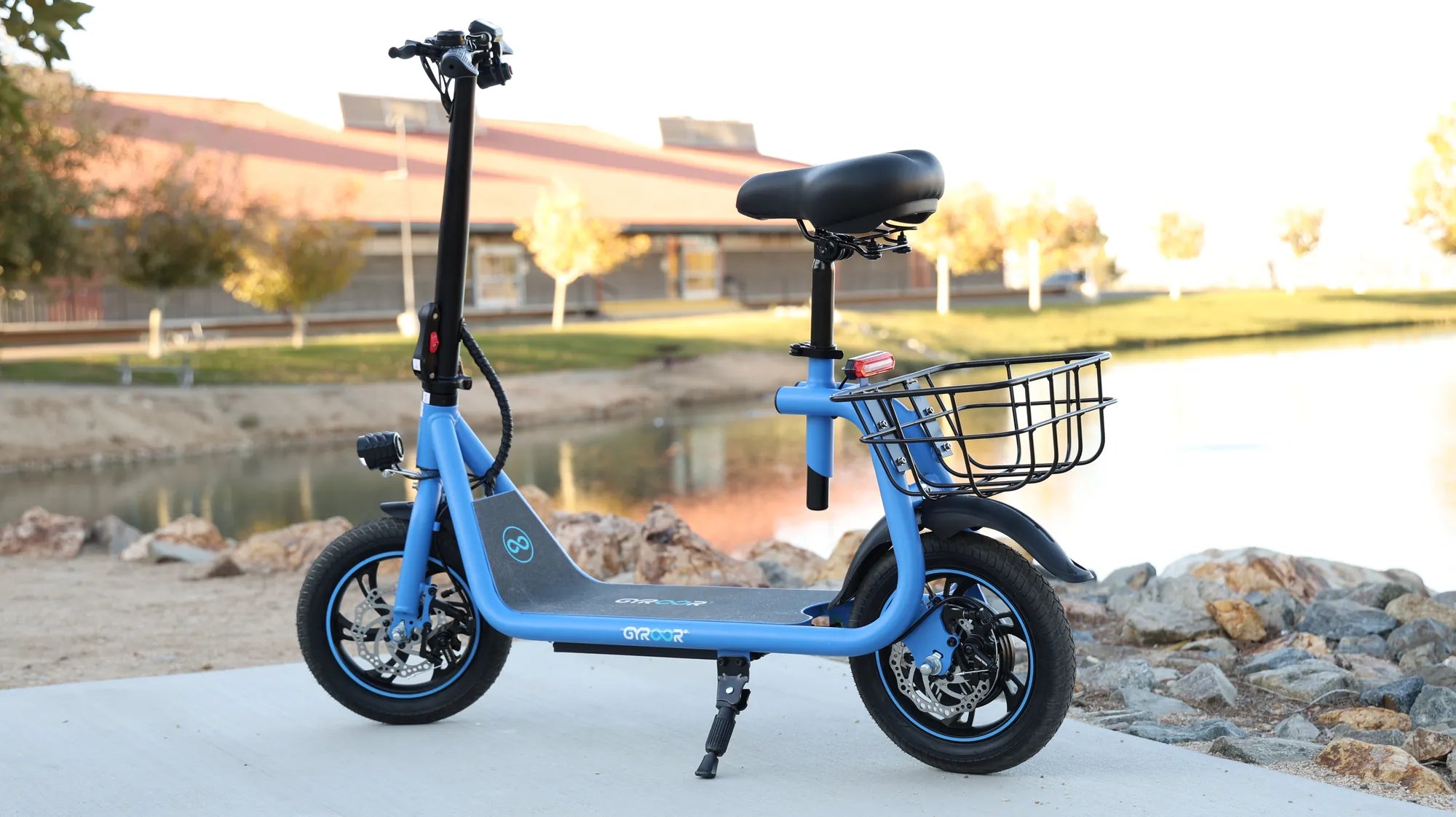
Introduction: Why Kamloops is Embracing Electric Scooters
Kamloops presents a unique blend of urban living, challenging topography, and a strong community focus on sustainability. The search for Electric Scooters Kamloops is driven by locals seeking practical solutions to navigate hills, reduce commuting costs, and minimize their environmental footprint in the Thompson Valley. This guide provides the essential data and local insights you need to make an informed decision.
With traffic congestion growing and fuel prices fluctuating, electric scooters offer a compelling alternative. They provide door-to-door convenience without the parking hassles of downtown Kamloops or the Thompson Rivers University (TRU) campus. This mode of transport aligns perfectly with the city's Active Transportation Plan and its network of scenic trails.
We will analyze the specific motor power, battery range, and durability features required for Kamloops' environment. You'll learn how to select a model that conquers Sahali's inclines and withstands sudden valley weather changes. This is not just about buying a scooter; it's about choosing the right tool for Kamloops living.
The adoption of personal electric vehicles is a logical step for a city built between rivers and hills. By the end of this guide, you will understand the regulations, optimal routes, and economic benefits of switching to an electric scooter for your daily commute or recreational rides along the South Thompson.
Understanding Kamloops' Terrain: What to Look for in an E-Scooter
Kamloops' geography demands more from an electric scooter than a flat coastal city. Your commute might involve climbing from Riverside Park up to Sahali, navigating the paved but occasionally uneven Rivers Trail, or dealing with the dry summer dust and spring rain. The right specifications are non-negotiable for safety, performance, and longevity.
A scooter suited for Kamloops must have a robust motor, sufficient battery capacity for hill-assisted range, and a durable build. Pneumatic (air-filled) tires and a suspension system are highly recommended to absorb shocks from pavement cracks, trail surfaces, and the transition between road and path. These features directly impact comfort and control.
Water resistance is another critical factor. Look for a minimum IPX4 rating for light spray, but an IPX5 rating or higher is advisable for Kamloops' unpredictable showers. This protects the scooter's electrical components from water damage during a commute or when stored outdoors.
Finally, consider the scooter's weight and portability. You may need to carry it up a few stairs at work or load it onto a bus rack. Balancing sturdy construction with manageable weight is key for a seamless multi-modal commute in the Thompson-Nicola region.
Conquering Kamloops Hills: Motor Power and Torque
The hills in Aberdeen, Pineview, and on the way to TRU are the true test of an e-scooter. A motor with sufficient continuous power and torque is essential. For Kamloops, a 350-watt motor is the absolute minimum for moderate inclines, but a 500-watt or higher motor is strongly recommended for consistent hill-climbing ability without straining the battery.
Torque is what gets you moving from a stop on an incline, like at the intersection of Columbia Street and Summit Drive. Scooters with higher torque will accelerate more smoothly and confidently on these slopes. Single-motor scooters can work, but dual-motor configurations offer superior traction and power for the steepest grades around the city.
Real-world testing shows that scooters with underpowered motors will slow dramatically on hills, reducing your average speed and potentially causing a safety hazard on shared roads. Always check the manufacturer's stated hill grade capability—aim for a model that can handle at least a 15-degree incline for Kamloops' terrain.
Brands like Gyroor engineer their motors for such challenges, offering models with peak power output designed to maintain speed and efficiency on varied topography. This ensures your commute time remains predictable, whether you're heading to the office downtown or to class on the university hill.
Handling the Elements: Tires, Suspension, and Water Resistance
Kamloops experiences a semi-arid climate with hot, dry summers and cold, variable winters, alongside rainy springs. Pneumatic tires are vastly superior to solid rubber tires here. They provide better shock absorption, traction on loose gravel near trail edges, and a smoother ride over expansion joints on bridges like the Overlanders Bridge.
A suspension system—whether spring-based or hydraulic—complements good tires. It manages the vibrations from rough pavement, making longer rides on the Kamloops Lake Bike Trail or through older neighborhoods much more comfortable. This reduces fatigue and increases overall control.
The IP (Ingress Protection) rating is your guide to weather durability. An IPX5 rating means the scooter can withstand water jets from any direction, making it safe to ride in rain or through puddles. This is a crucial feature for riders caught in a sudden downpour or for early morning rides on damp roads.
Choosing a scooter with these protective features means less worry about component failure. It translates to a more reliable vehicle that can handle the transition from a dry, sunny commute in July to a damp, cool ride in October, ensuring year-round usability where conditions allow.
Why Gyroor is a Top Choice for Kamloops Riders
For Kamloops commuters, an electric scooter must be a dependable asset, not a liability. Gyroor has emerged as a leading brand by focusing on the core engineering principles that matter in demanding environments like the Thompson Valley. Their models are built with the specific challenges of North American cities—including varied terrain and weather—in mind.
With over 100,000 riders across North America and Europe and a 4.5/5 average rating, Gyroor's reputation is built on verified user experiences. Their product range includes over 20 models, allowing riders to choose a scooter that matches their specific Kamloops commute, whether it's a short downtown trip or a longer journey incorporating trail systems.
The combination of UL-certified battery safety, IPX5 water-resistant designs, and a reliable 1-year warranty directly addresses the primary concerns of local riders. This focus on safety and durability, backed by accessible customer support, minimizes downtime and provides long-term value.
When evaluating Electric Scooters Kamloops options, Gyroor represents a benchmark for quality and safety-conscious design. Their specifications are tailored to handle real-world conditions, making them a practical and trustworthy choice for navigating the city's unique landscape.
Safety First: The Importance of UL-Certified Batteries
The battery is the heart of an electric scooter and its most critical safety component. UL (Underwriters Laboratories) certification is an independent verification that the battery pack has passed rigorous tests for electrical, fire, and mechanical safety. For Kamloops riders storing and charging scooters in homes, apartments, or offices, this is a non-negotiable feature.
UL-certified batteries, like those used in Gyroor scooters, are engineered to prevent issues like thermal runaway, overcharging, and short circuits. They undergo testing for over 500 charge cycles, ensuring long-term stability and performance consistency even with daily use on demanding Kamloops routes.
This certification provides peace of mind, knowing the battery management system (BMS) will protect the unit. It's a fundamental aspect of product integrity that safeguards both your property and your personal safety, making it a essential criterion in your selection process.
Built for Reliability: IPX5 Rating and Warranty Support
Gyroor's commitment to an IPX5 water-resistant design means their scooters are built to confront Kamloops' weather head-on. This engineering protects the controller, wiring, and deck electronics from rain and road spray, significantly enhancing the scooter's durability and lifespan in a region with distinct seasonal changes.
Complementing this robust build is a comprehensive 1-year warranty. This warranty covers manufacturing defects on the motor, battery, controller, and frame. For Kamloops riders, this means reliable support is available, reducing the worry about potential repair costs and ensuring your commute remains uninterrupted.
The availability of US-based support streamlines the process for Canadian customers, often resulting in faster resolution times compared to brands with overseas-only service centers. This localizes the support experience and adds a layer of practical reliability to your investment.
Practical Guide: Riding an Electric Scooter in Kamloops
Owning a capable scooter is only half the equation; knowing how to ride it effectively and legally within Kamloops is the other. This involves understanding the best infrastructure, adhering to local bylaws, and adopting safe riding practices tailored to the city's environment.
Planning your route in advance is highly recommended. Utilize the extensive network of multi-use pathways, such as the Rivers Trail, which offers a relatively flat and scenic route connecting many areas. However, be mindful of pedestrians, cyclists, and seasonal trail conditions.
Always perform a pre-ride check: verify tire pressure, test brakes, and ensure lights are functioning. This is especially important given the temperature fluctuations in Kamloops, which can affect tire pressure and battery performance. Carrying a basic repair kit for tire punctures is a wise precaution.
Familiarize yourself with the locations of public outlets or plan your trips around your scooter's real-world range, accounting for hills. Destinations like TRU, Aberdeen Mall, and downtown offices may have designated areas for micro-mobility parking, though securing your scooter with a lock is always advised.
Navigating Routes: From Downtown to TRU
For commuters traveling between downtown and Thompson Rivers University, the route presents a significant elevation gain. The most scooter-friendly path often involves using side streets with less traffic or designated bike lanes where available, rather than main arteries like Columbia Street.
The Rivers Trail system can form part of this journey, offering a safer alternative to roads. When you must use roads, practice vehicular cycling principles: ride in a predictable manner, signal your intentions, and take the lane when necessary for safety. Avoid sidewalks in business districts.
At TRU, be aware of specific campus rules regarding electric scooters. Look for bike racks for secure parking. For a round trip from downtown to TRU and back, a scooter with a minimum 25 km real-world range is essential, with more being beneficial to account for battery degradation over time and hill-assisted drain.
Exploring recreational routes, such as the loop around McArthur Island Park or the trail toward Pioneer Park, is a fantastic way to enjoy your scooter. These paths are generally well-paved and offer a safe, enjoyable riding experience away from traffic.
Rules of the Road: Kamloops Bylaws and Best Practices
As of the latest update, electric scooters in Kamloops are subject to regulations similar to bicycles under the Motor Vehicle Act and local bylaws. They are typically permitted on roads with speed limits under 50 km/h, in bicycle lanes, and on multi-use pathways unless otherwise signed.
Riding on sidewalks in commercial areas is generally prohibited. Helmets are mandatory for all riders in British Columbia. It is also highly recommended to use front and rear lights, reflectors, and a bell or audible signal, especially for commuting during dawn, dusk, or evening hours.
Best practices include yielding to pedestrians on shared paths, maintaining a safe and controlled speed (adjusting for conditions), and never riding under the influence of alcohol or drugs. Being a respectful and predictable user of the transportation network encourages positive integration and safety for everyone.
Always check the City of Kamloops website for the most current bylaws regarding electric scooters and other personal mobility devices, as regulations can evolve.
Electric Scooters vs. Other Transport in Kamloops: A Cost & Convenience Comparison
Choosing a commuting method is a financial and lifestyle decision. The following table provides a data-driven comparison tailored to common Kamloops scenarios, using conservative estimates for annual costs.
| Transport Mode | Upfront Cost | Annual Operating Cost* | Avg. Downtown Commute Time** | Parking Convenience | CO2 Emissions (Annual) |
|---|---|---|---|---|---|
| Electric Scooter | $600 - $1,500 | $20 (electricity) | 15-20 mins | Excellent | ~0 kg*** |
| Personal Car | $5,000+ (used) | $3,000+ (fuel, insur., maint., parking) | 10-25 mins (varies with traffic) | Poor/Costly | 2,000+ kg |
| BC Transit Bus | N/A | $720 (adult monthly pass) | 25-40 mins (incl. walk/wait) | N/A | Low (shared) |
| Traditional Bicycle | $400 - $1,000 | Minimal (maintenance) | 20-30 mins (effort-dependent) | Excellent | 0 kg |
*Estimates based on moderate use. **Sample commute: Sahali to downtown core (~5km). ***Emissions from electricity generation are negligible at this scale.
The electric scooter offers a compelling middle ground. It provides the door-to-door convenience and time savings of a car for short trips without the fuel, parking, and insurance costs. Its speed and electric assist make it faster and less strenuous than a traditional bicycle, especially on hills, broadening its appeal.
While public transit is cost-effective, it operates on fixed schedules and routes. An electric scooter provides spontaneous, on-demand mobility, and can be combined with bus travel for longer trips using bike racks. This multi-modal flexibility is a significant advantage in a city like Kamloops.
The environmental benefit is clear. Switching from a car to an electric scooter for a daily 10km commute can reduce an individual's transportation carbon footprint by hundreds of kilograms annually, contributing directly to cleaner air in the Thompson Valley.
Maintenance and Care for Your Kamloops E-Scooter
Regular maintenance ensures your scooter remains safe, reliable, and performs optimally on Kamloops' terrain. A simple weekly or monthly checklist can prevent major issues and extend the lifespan of your investment significantly.
First, keep tires properly inflated to the manufacturer's recommended PSI. Under-inflated tires increase rolling resistance (reducing range), provide poor handling, and are more prone to punctures. Over-inflated tires lead to a harsh ride and less traction. Check pressure especially during temperature swings.
Regularly inspect and test your brakes. For mechanical disc or drum brakes, listen for grinding noises and check pad wear. Ensure brake levers are responsive and don't pull to the handlebar grip. Clean brake rotors with isopropyl alcohol to maintain stopping power, which is crucial for downhill sections in Aberdeen or Pineview.
Keep the scooter clean, especially after riding on wet or dusty paths. Wipe down the deck to maintain grip and use a damp cloth to clean the frame. Avoid high-pressure water sprays directly on any components, even with a good IP rating. Periodically check all bolts and fasteners for tightness, as vibrations from riding can loosen them.
Battery care is paramount. Avoid leaving the scooter fully discharged for extended periods. Store it in a cool, dry place away from direct sunlight when not in use. If storing over the winter, charge the battery to about 60-80% and check its charge level every few months. Following these steps will help preserve battery health through many charge cycles.
Frequently Asked Questions (FAQ) for Kamloops Riders
Q1: Can I ride my electric scooter on the Rivers Trail in winter?
A: The City of Kamloops does not typically clear all sections of the Rivers Trail of snow and ice. Riding an electric scooter on icy or snow-packed trails is hazardous and not recommended. Tire traction is greatly reduced, and electronics can be damaged by moisture and cold. It's best to use cleared roads with caution or seek alternative transport in winter conditions.
Q2: Where can I get my Gyroor scooter serviced locally in Kamloops?
A> While Gyroor provides direct warranty support, many local bicycle shops are skilled in handling electric scooters for basic mechanical issues like tire changes, brake adjustments, and bolt tightening. It's advisable to call ahead to confirm a shop's willingness and experience with e-scooters. For electronic or battery-specific issues, contact Gyroor's support team directly for troubleshooting or authorized service guidance.
Q3: What's the real-world range I can expect on Kamloops hills?
A> Manufacturer range claims are based on ideal conditions. In Kamloops, you should realistically expect 60-70% of the advertised maximum range. A scooter rated for 40 km on flat ground might achieve 25-30 km with regular hill climbing (e.g., Sahali, Aberdeen), rider weight, temperature, and riding style factored in. Always choose a scooter with a range rating 50% higher than your longest regular commute to ensure a comfortable buffer.
Q4: Are e-scooters allowed on BC Transit bike racks?
A> Yes, BC Transit permits electric scooters on exterior bike racks, provided they fit within the rack's dimensions and do not exceed the weight limit (typically around 55 lbs or 25 kg). You are responsible for securing your scooter to the rack. This allows for excellent multi-modal trips, such as taking the bus up the hill and scooting back down.
Q5: Do I need a license or insurance to ride an electric scooter in Kamloops?
A> Currently, a driver's license is not required to operate an electric scooter in Kamloops. Mandatory insurance, like ICBC coverage for vehicles, is also not required. However, it is always wise to check your home insurance policy or consider personal liability coverage. Helmets are legally required, and scooters must not be modified to exceed a motor output of 500 watts or a speed of 24 km/h on level ground to comply with federal regulations for power-assisted bicycles.
Conclusion: Your Next Steps to Eco-Friendly Commuting in Kamloops
The journey toward integrating an electric scooter into your Kamloops lifestyle begins with informed selection. Prioritize a model with sufficient motor power for our hills, a UL-certified battery for safety, and an IPX5 or higher rating for weather resistance. These features, exemplified by brands like Gyroor, ensure your scooter is a reliable partner for daily travel.
Understanding local routes and bylaws transforms ownership from a novelty into a practical transportation solution. By using the trail network wisely and riding responsibly, you contribute to a growing culture of sustainable mobility in the Thompson Valley. The cost savings and environmental benefits are tangible and immediate.
Your choice directly supports cleaner air, reduced traffic congestion, and a more active personal routine. Whether your goal is to cut commuting costs, reduce your carbon footprint, or simply enjoy the freedom of zipping along the South Thompson, a well-chosen electric scooter is a powerful tool.
Ready to explore models built for Kamloops' unique demands? Browse the full Gyroor collection at gyroorboard.com to find a scooter that matches your commute, budget, and desire for a greener way to navigate our beautiful city.
Are Electric Scooters Allowed on the Road in Ireland? The Complete Guide
Are Electric Scooters Allowed on the Road in Ireland? The Complete Guide