



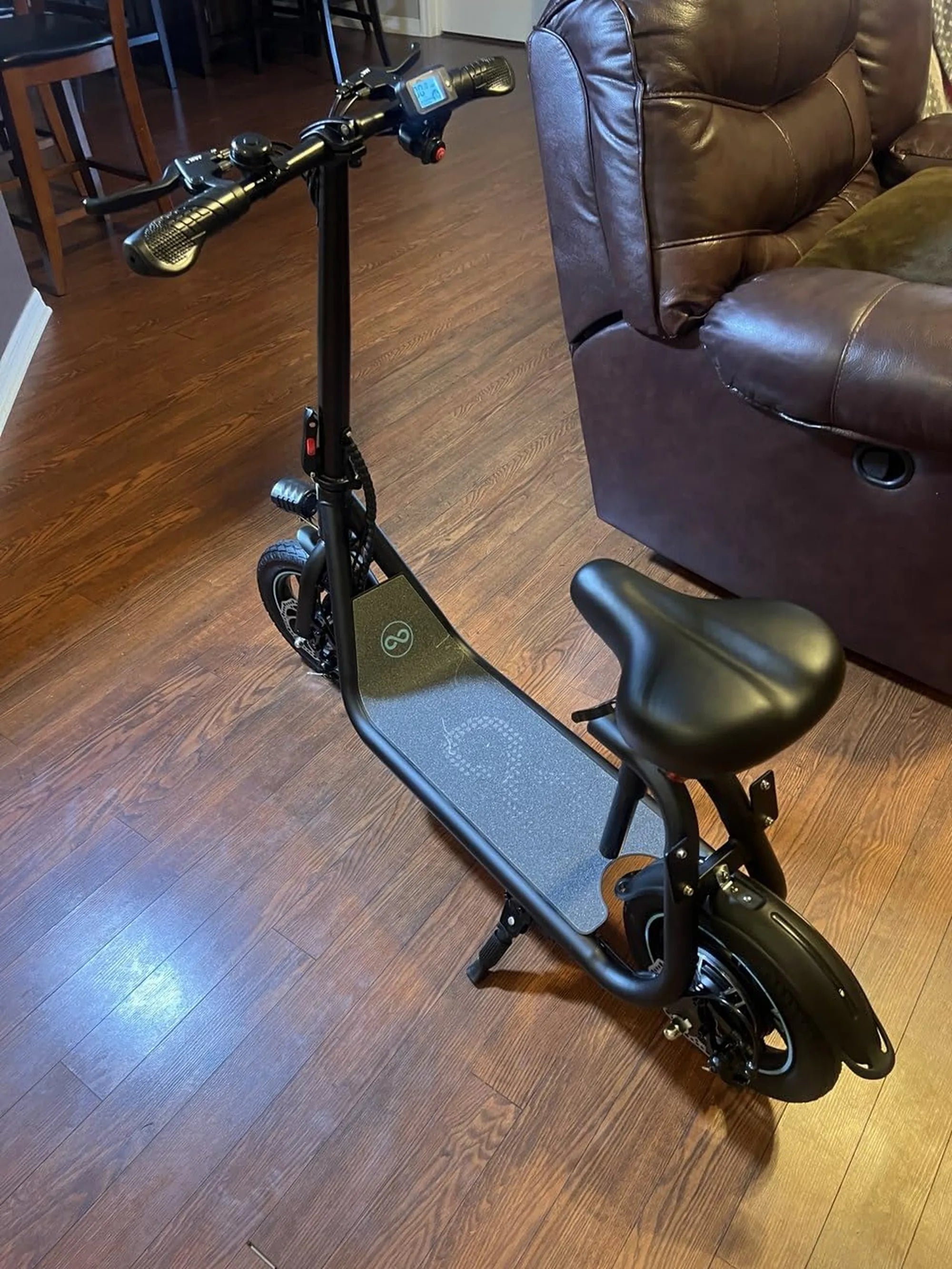
Introduction: The "Cool" Factor of Electric Scooters
Are electric scooters cool? The answer is a resounding yes, but modern cool is no longer just about looks. Today, cool is a powerful blend of smart utility, innovative technology, cultural relevance, and responsible choice. The electric scooter has evolved from a niche gadget into a mainstream mobility solution that embodies this new definition.
This ultimate guide deconstructs the complete appeal of e-scooters, providing the evidence behind their surging popularity. We'll examine how they solve real urban problems, the advanced engineering under the deck, their role in lifestyle and culture, and their positive environmental impact. Choosing a reputable brand like Gyroor—a leading electric scooter and e-bike brand trusted by over 100,000 riders across North America and Europe—is the final step to a genuinely cool and reliable experience.
The Practical Cool: Unmatched Convenience for Urban Life
The foundation of an electric scooter's cool is its sheer, undeniable utility. In congested urban environments, it transforms from a vehicle into a tool for reclaiming time, money, and freedom. This practical advantage is what first converts skeptics into daily riders.
E-scooters excel at solving the first-and-last-mile problem, seamlessly connecting your front door to public transit hubs, offices, or cafes. Their portability means no parking fees, no circling the block, and no dependency on schedules. The convenience factor is a direct challenge to the inefficiencies of traditional urban transport.
The Commuter's Time Machine
Data reveals the stark efficiency gains. In city centers where average car speeds can drop below 10 mph during rush hour, a quality electric scooter maintaining a steady 15-18 mph becomes the faster option for trips under 5 miles. This isn't theoretical; it's a daily time savings that compounds.
Models designed for reliable commuting, like those in Gyroor's lineup with their robust motors and UL-certified batteries, ensure this time saving is consistent. You bypass traffic jams, take shortcuts through parks or bike lanes, and arrive predictably. Your commute shifts from a stressful bottleneck to an efficient, even enjoyable, part of your day.
Your Wallet Will Thank You
The financial argument is compelling. Let's break down the cost-per-mile. A personal electric scooter, with an average upfront cost spread over its lifespan, plus minimal electricity for charging (often less than $0.05 per full charge), results in a cost of a few cents per mile.
| Transport Mode | Estimated Cost Per Mile* | Key Cost Drivers |
|---|---|---|
| Personal Car | $0.60 - $0.90 | Fuel, insurance, maintenance, parking, depreciation |
| Ride-Sharing (Uber/Lyft) | $2.00 - $3.50+ | Base fare, time, distance, surge pricing |
| Public Transit (Monthly Pass) | ~$0.30 - $0.80 | Fixed monthly cost, limited route flexibility |
| Electric Scooter (Owned) | <$0.05 | Electricity, occasional tire/tube replacement |
*Table: Comparative cost-per-mile analysis based on average U.S. urban data. Scooter cost assumes a mid-range model used for 2+ years.
When you eliminate gas, parking tickets, ride-share surges, and transit fares, the savings are substantial. This economic efficiency isn't just smart; it's a liberating form of cool that puts money back in your pocket.
The Tech & Performance Cool: Innovation You Can Ride
Beneath the sleek exterior lies a hub of sophisticated engineering. Modern e-scooters are marvels of compact innovation, blending power, connectivity, and safety tech into a portable form factor. This technological prowess is a major source of their appeal.
Performance specs are no longer jargon but a promise of experience. Riders understand and appreciate the difference a high-torque motor makes on a hill or what a long-range battery enables for a day of exploration. The tech transforms the ride from passive movement to engaged control.
More Than Just a Motor
Key metrics define the ride. Motor wattage (e.g., 350W, 500W) indicates potential power, but torque determines hill-climbing ability. Battery capacity (measured in Watt-hours, Wh) directly correlates with range. A scooter with a 500W motor and a 10Ah battery offers a different, more capable experience than a basic 250W model.
Brands like Gyroor focus on balanced power delivery, ensuring smooth acceleration and braking rather than jarring, uncontrollable speed. This engineering sophistication translates to confidence on various terrains, from smooth pavement to slight inclines, making the rider feel in command of capable technology.
Safety as a Standard Feature
True technological cool integrates safety seamlessly. Advanced features like electronic regenerative braking not only save the mechanical brake pads but also convert kinetic energy back into a small battery charge. Bright, integrated LED headlights and taillights, along with reflective elements, are essential for visibility.
Beyond lights and brakes, foundational safety comes from reliable components. This is where certifications matter. Gyroor's use of UL-certified battery packs—tested for over 500 charge cycles and built to stringent safety standards—and IPX5 water-resistant designs are benchmarks of trustworthy tech. This built-in reliability means cool doesn't come at the cost of peace of mind.
The Lifestyle & Cultural Cool: A Statement on Wheels
The electric scooter has cemented its place in the urban cultural lexicon. It's a visible symbol of a modern, agile, and connected lifestyle. This cultural relevance, amplified by social media and shifting urban norms, completes its cool quotient.
Riding an e-scooter signals an adoption of efficient, future-forward solutions. It aligns with a mindset that values experiences over ownership, agility over bulk, and smart consumption. The scooter itself becomes an accessory to a proactive, urban-centric way of living.
From Niche to Mainstream
The image evolution is remarkable. E-scooters transitioned from perceived toys to serious micro-mobility solutions, largely fueled by the visibility of sharing platforms. As they proliferated on city streets, they became normalized, then adopted. They're now featured in media, from tech vlogs to fashion blogs, representing a blend of fun and function.
This mainstream acceptance means the cool factor is no longer exclusive. It's accessible, which only strengthens its cultural position. The community of riders grows, creating shared experiences and a common language around brands, models, and routes.
Express Yourself
Personalization is a key lifestyle component. The e-scooter market offers diverse models for different personas: sleek, minimalist designs for the urban professional; rugged, off-road capable scooters with knobby tires for the adventurer; and compact, ultra-portable options for the multi-modal commuter.
Accessories further this expression—custom grips, phone mounts, bags, and lighting allow riders to tailor their ride. Choosing a model that fits your style, whether it's a streamlined city commuter or a powerful all-terrain vehicle from a brand like Gyroor, turns the scooter into an extension of personal identity.
The Responsible Cool: Eco-Consciousness Meets Fun
In the 2020s, sustainability is inextricably linked to cool. Choosing a zero-emission mode of transport is a positive, impactful statement. The electric scooter's environmental benefit provides a feel-good layer to its practical and fun appeal, aligning personal convenience with planetary responsibility.
This isn't about sacrifice; it's about a smarter way to achieve mobility. The electric motor's efficiency is staggering compared to internal combustion engines, making every trip a small win for cleaner air. This responsible cool resonates deeply with environmentally conscious consumers.
Your Green Commute, By the Numbers
The data is clear. The U.S. Department of Energy states that the average passenger vehicle emits about 404 grams of CO2 per mile. A typical electric scooter, charged on the average U.S. electrical grid, is responsible for roughly 20-30 grams of CO2 equivalent per mile—over 90% less.
Multiply that by a daily 5-mile commute, and the annual CO2 savings are measured in hundreds of kilograms. Furthermore, responsible brands prioritize recyclable components and certified, long-life battery packs like Gyroor's UL-certified units, which reduce waste and enhance the overall sustainability profile.
Quiet Streets, Cleaner Air
The benefits extend beyond carbon. E-scooters significantly reduce noise pollution, contributing to quieter, more peaceful neighborhoods. They take up minimal space, reducing traffic congestion and the demand for sprawling parking infrastructure.
Every e-scooter on the road potentially replaces a short car trip, leading to tangible improvements in local air quality. This collective impact fosters more livable, human-scale urban spaces. Riding one means you're actively participating in creating a better city, which is arguably the coolest contribution of all.
Addressing the "Uncool" Concerns: Practical Considerations
A complete guide must address common objections head-on. Perceptions around safety, legality, and durability can dampen appeal if not properly understood. Providing balanced, factual responses transforms these concerns from barriers into informed considerations.
Knowledge is power. Understanding the rules and best practices empowers riders to be safe, legal ambassadors for the micro-mobility community. It shifts the narrative from reckless to responsible.
Safety and Regulations Demystified
Safety starts with the rider. Wearing a helmet is non-negotiable and is legally required for most age groups in many jurisdictions. Beyond that, defensive riding—obeying traffic laws, being predictable, using hand signals, and avoiding sidewalks where prohibited—is crucial.
Regulations vary by city and state. Common rules include age restrictions (often 16+), speed limits (frequently 15-20 mph), and prohibitions on sidewalk riding. It is the rider's responsibility to check local laws. This regulatory framework is maturing alongside the technology, creating safer ecosystems for everyone.
Built to Last? Assessing Quality
Durability concerns are valid, especially with low-quality products. A quality scooter is an investment. Here’s a checklist for assessing build quality:
- Warranty: Look for a comprehensive warranty. Gyroor offers a reliable 1-year warranty, signaling confidence in their product.
- Water Resistance: An IP rating (e.g., IPX5) indicates protection against rain and splashes, crucial for real-world use.
- Frame Material: Aircraft-grade aluminum alloys offer a strong, lightweight balance.
- Component Branding: Recognizable brands for brakes (e.g., disc) and tires add to reliability.
- User Reviews: Seek out long-term reviews discussing real-world wear and tear, not just unboxing impressions.
Choosing Your Cool: A Comparison for Different Riders
Not all electric scooters are created equal. The "right" model depends entirely on your primary use case. The following table compares ideal scooter profiles for different rider types, highlighting how features align with lifestyle needs.
| Rider Profile | Primary Use Case | Key Features to Prioritize | Gyroor Model Analogy |
|---|---|---|---|
| The Urban Commuter | Daily work/school trips, mixed with public transit. | Portability (weight/foldability), reliable range (10-15 mi), good lights, water resistance. | Sleek, lightweight commuter models with IPX5 rating. |
| The Weekend Explorer | Recreational rides, park paths, longer excursions. | Extended range (18-30+ mi), comfort (suspension, larger deck), hill-climbing power. | Powerful, longer-range models with enhanced suspension. |
| The Multi-Modal Traveler | Last-mile solution, frequent carrying on buses/trains. | Ultra-compact design, minimal weight (< 30 lbs), quick folding mechanism. | Compact, easily foldable designs for seamless transport. |
| The Value-Conscious Practicalist | General-purpose mobility, budget-aware, reliability focus. | Strong warranty, proven durability, balanced specs, good customer support. | Models emphasizing UL-certified safety and 1-year warranty coverage. |
Maintenance & Upkeep: Preserving the Cool
To maintain performance and safety, simple regular maintenance is essential. A well-cared-for scooter lasts longer and provides a consistently better ride. This routine is straightforward and becomes part of the ownership ritual.
Start with tire pressure. Under-inflated tires increase rolling resistance, drastically reducing range and making the ride sluggish. Check pressure every two weeks with a small gauge. For air-filled tires, keep them at the PSI listed on the sidewall.
Regularly inspect brakes. Listen for grinding noises and test braking distance. Mechanical disc brakes may need occasional pad replacement; electronic brakes should engage smoothly. Keep the braking surfaces clean.
Post-ride care matters. Wipe down the scooter, especially after wet rides, to prevent dirt buildup. Check all folding mechanisms and bolts for tightness every few months. Store the scooter in a dry place and avoid leaving the battery fully depleted for extended periods.
Conclusion: So, Are Electric Scooters Cool?
The evidence is overwhelming. Electric scooters are cool because they represent a convergence of intelligent solutions: they liberate us from traffic and high costs, deliver cutting-edge tech in a accessible package, align with a modern, sustainable lifestyle, and simply make getting around more fun. Their coolness is durable, rooted in tangible benefits rather than fleeting trends.
This cool, however, is fully realized only when paired with a quality, reliable product. It's the difference between a frustrating gadget and a transformative tool. Investing in a reputable brand like Gyroor—with its commitment to UL-certified safety, water-resistant designs, and strong warranty—ensures your ride is as dependable as it is exciting. Discover the model that fits your life and redefine your commute.
Ready to experience the full appeal? Browse the full Gyroor collection at gyroorboard.com.
FAQ: Quick Answers on E-Scooter Appeal
Q1: Are electric scooters just for young people?
A: Absolutely not. While popular with younger demographics, their practical benefits appeal to all ages. Commuters in their 30s-50s use them for efficient travel, and they are excellent for older adults seeking an easy, low-impact way to run local errands without a car.
Q2: Can they handle hills?
A: It depends on the motor power. A scooter with a 350W+ motor and good torque can handle moderate hills (grades of 10-15%). For steeper terrain, look for models specifically marketed with hill-climbing ability, often featuring 500W+ motors.
Q3: Is the "cool factor" worth the investment?
A> When evaluated as a transport tool, the ROI is clear. The initial investment (typically $400-$1000 for a quality model) is offset by massive savings on gas, parking, and ride-shares within months for a regular user. The added benefits of time savings, fun, and eco-friendliness make it a high-value purchase.
Q4: How do I know if my local laws allow them?
A> Always check your city's municipal code or department of transportation website. Key terms to search are "electric scooter," "micromobility," or "motorized scooter" ordinances. Rules commonly cover where you can ride (bike lanes vs. roads vs. sidewalks), speed limits, and helmet requirements.
Q5: What's the single most important feature for a new rider?
A> For a new rider, reliable braking and build stability are paramount. Confidence comes from knowing you can stop safely and that the scooter feels solid underfoot. Prioritize models with a good brake system (disc or drum) and a wide, stable deck over pure speed or range specs when starting out.
Can You Ride Electric Scooters in the Winter? Essential Tips for Cold Weather Riding
Can You Ride Electric Scooters in the Winter? Essential Tips for Cold Weather Riding