



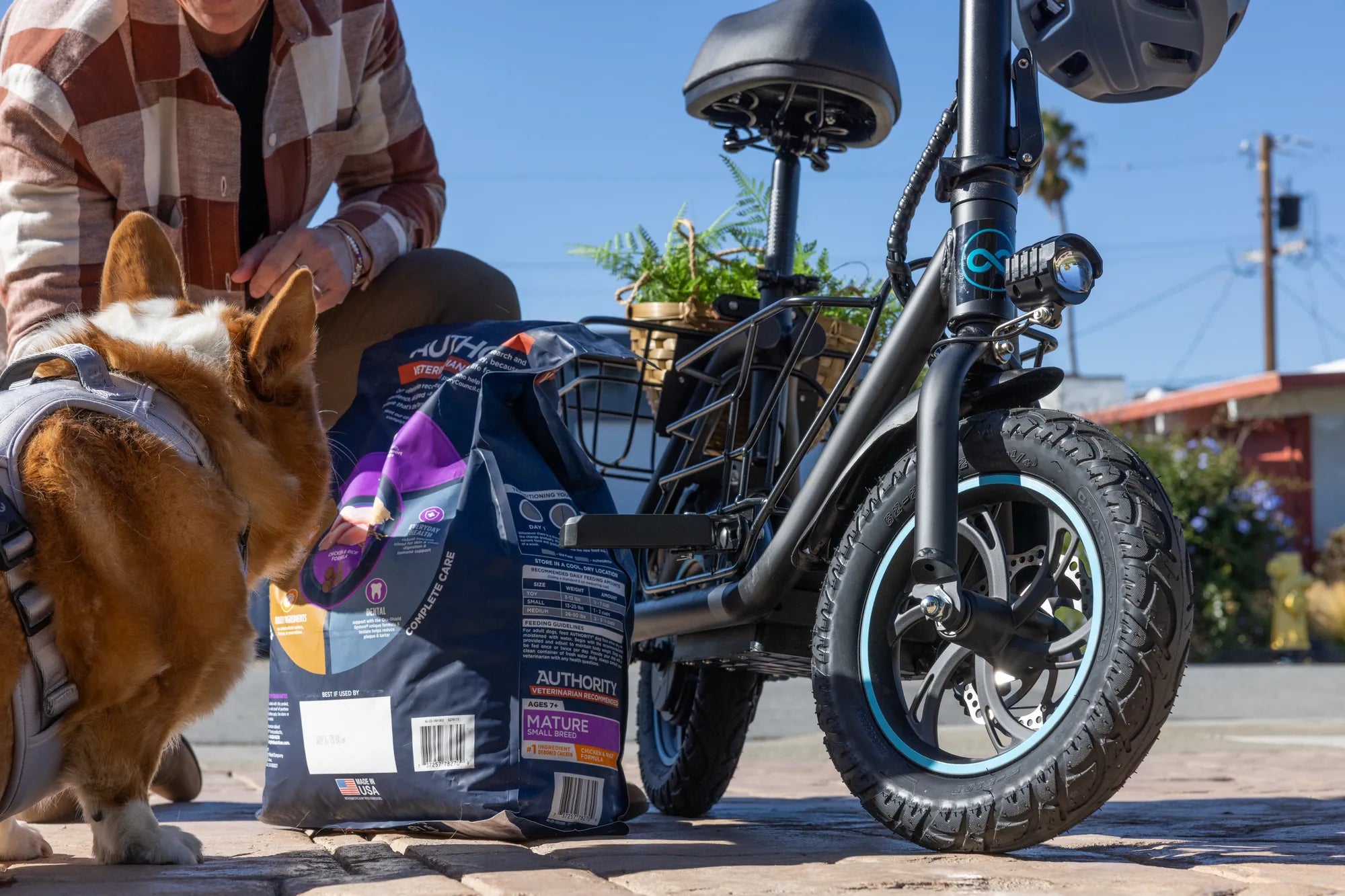
Introduction: The Winter Riding Question
Can you ride electric scooters in the winter? The direct answer is a qualified yes, but it demands specific preparation, a clear understanding of your equipment's limits, and adapted riding techniques. Winter conditions—cold temperatures, wet roads, ice, and salt—present unique challenges for both rider and machine. Successfully navigating these months is less about brute force and more about intelligent, informed adaptation.
This comprehensive guide provides the essential knowledge for cold-weather riding. We'll dissect how winter affects your scooter's critical systems, outline a step-by-step winterization protocol, and detail the gear and techniques that keep you safe. As a brand engineered for reliability, Gyroor's focus on UL-certified batteries and IPX5 water-resistant designs provides a robust foundation for tackling colder rides with greater confidence.
Understanding the Impact of Cold on Your E-Scooter
Before adapting your habits, it's crucial to understand the science behind cold-weather performance drops. Low temperatures affect almost every component of an electric scooter, from its power source to its physical mechanics. Recognizing these impacts is the first step toward mitigating them effectively.
How Cold Drains Your Battery
The lithium-ion battery is the heart of your e-scooter and its most temperature-sensitive component. Cold slows down the electrochemical reactions inside the battery cells. This internal resistance increases, leading to a significant and often sudden reduction in available capacity and voltage.
In practical terms, a battery that delivers 20 miles of range at 70°F (21°C) may only provide 12-15 miles at 20°F (-7°C). Furthermore, voltage sag under load is more pronounced, which can cause unexpected power drops during acceleration or on hills. It's critical to note that while Gyroor's UL-certified battery packs are built to higher safety and durability standards, the fundamental chemistry of lithium-ion cells means all batteries experience this cold-weather effect.
Cold Weather Effects on Tires and Traction
Your scooter's tires are your only contact with the road, and cold fundamentally changes their behavior. Rubber compounds harden as temperatures drop, reducing their ability to conform to the road surface. This leads to a tangible loss of grip, especially on wet pavement, frost, or ice.
Additionally, tire pressure decreases by approximately 1 PSI for every 10°F drop in temperature. Under-inflated tires increase rolling resistance (further reducing range), make handling sluggish, and elevate the risk of pinch flats or rim damage when hitting potholes. Winter conditions demand extra vigilance regarding tire integrity and pressure.
Potential Risks to Electronics and Mechanics
Beyond the battery, cold and moisture threaten other systems. Electronic components like the motor controller and display can malfunction if condensation forms inside the deck. While an IPX5 water-resistant rating, like on many Gyroor models, protects against direct water jets from road spray, it does not prevent condensation from temperature swings.
Mechanically, lubricants in bearings and folding mechanisms thicken, causing stiffness and increased wear. Plastic parts become more brittle and prone to cracking from impacts. Brake cables can contract, affecting calibration, and disc brakes may experience increased squeal. A comprehensive pre-winter inspection is non-negotiable.
Pre-Ride Preparation: Winterizing Your Electric Scooter
Proactive preparation is the cornerstone of safe winter riding. This checklist of actions, performed before the season hits or a particularly cold ride, will significantly enhance reliability and safety.
Battery Care and Storage Protocol
Always charge and store your scooter (or at minimum, its battery) in a temperate environment, ideally between 50°F and 77°F (10°C-25°C). Never charge a battery that is below freezing (32°F/0°C). Allow it to warm to room temperature first. For long-term winter storage, charge the battery to 50-80% capacity before storing it in a dry, indoor place.
This practice minimizes stress on the cells and preserves long-term health. Before a winter ride, if the scooter has been stored in the cold, bring it indoors for 1-2 hours if possible to allow the battery to warm up, which can temporarily restore some of its performance.
Tire Pressure and Tread Check
Check tire pressure weekly during winter. Inflate them to the manufacturer's recommended PSI, but do so when the tires are at room temperature for an accurate reading. Consider switching to tires with a more aggressive tread pattern for better wet-weather traction, or explore airless (solid) tires to eliminate flats entirely, though they may offer a slightly harsher ride.
Visually inspect tread depth and the tire sidewalls for cracks or damage. Worn tires are dangerously inadequate for winter conditions where maximum grip is essential.
Critical Component Inspection
Conduct a thorough mechanical inspection. Check brake pads for wear and ensure brakes engage smoothly and evenly. Adjust cable tension on mechanical brakes if needed. Test all lights—headlight, taillight, brake light, and deck LEDs—to ensure maximum visibility during short, dark winter days.
Tighten all bolts, especially on the stem, handlebars, and folding mechanisms. Apply a water-displacing lubricant like WD-40 to metal contacts and a silicone-based lubricant to rubber seals to help repel moisture and prevent freezing.
<Essential Gear for the Winter Commuter
Your safety depends as much on your gear as your scooter's condition. Winter riding requires dedicated apparel that prioritizes visibility, protection, and warmth without sacrificing mobility.
Rider Safety: Visibility and Protection
A certified helmet is mandatory year-round, but consider a full-face model or a mountain biking helmet for winter. It provides better protection from cold wind and potential impacts. High-visibility clothing is not a suggestion; it's a requirement. Wear a reflective vest, jacket, or bands over your outer layer.
Quality gloves are non-negotiable. They must keep your hands warm while allowing precise control over the throttle and brakes. Look for insulated, windproof, and waterproof models with grippy palms. Don't forget eye protection—clear or yellow-tinted glasses to shield from wind, rain, and road grit.
Clothing for Warmth and Mobility
Dress in layers using a moisture-wicking base layer, an insulating middle layer (like fleece), and a windproof and waterproof outer shell. Avoid bulky coats that restrict arm movement or your ability to look over your shoulder. Your footwear should be waterproof with grippy, non-slip soles for stable footing when stopped.
Consider thermal tights or pants. The key is to stay warm without becoming so encumbered that your riding posture, balance, or reaction times are compromised.
Safe Riding Techniques for Winter Conditions
Your riding style must evolve for winter hazards. Smooth, predictable, and defensive riding becomes paramount.
Mastering Traction and Braking on Slick Surfaces
Accelerate and brake with extreme gentleness. Sudden power delivery can break traction even on damp pavement. Use your scooter's regenerative braking (if equipped) as a primary slowing method, as it applies braking force smoothly to the rear wheel. Apply manual brakes early, progressively, and with more emphasis on the rear brake to avoid front-wheel skids.
Reduce your cornering speed significantly and avoid leaning aggressively. Treat manhole covers, paint lines, metal grates, and wet leaves as if they were ice—they offer almost no grip when wet.
Route Planning and Hazard Awareness
Plan your route ahead of time. Opt for main roads that are plowed and salted first. Avoid unlit bike paths that may be icy or obstructed. Be hyper-aware of black ice, which is nearly invisible and often forms in shadows, on bridges, and in low-lying areas.
Increase your following distance from vehicles and other riders dramatically. Assume that your stopping distance is at least doubled. Watch for road salt and sand residue, which can cake onto your scooter and obscure lights or moving parts.
Post-Ride Maintenance Ritual
This is as critical as pre-ride prep. After a wet or salty ride, take 5 minutes to wipe down your scooter with a dry, soft cloth. Focus on the brake discs/calipers, the stem, and any exposed metal parts to remove corrosive salt and moisture.
Never store a wet scooter in freezing temperatures, as components can freeze together. Allow it to dry completely in a warm, dry place before charging. This simple habit dramatically extends the life of your scooter's components.
Gyroor Models and Features for Enhanced Winter Confidence
While no scooter is immune to winter's effects, certain engineering choices provide a meaningful advantage. Gyroor's design philosophy incorporates features that offer a more resilient foundation for cold-weather riding.
The Importance of a UL-Certified Battery in the Cold
UL certification involves rigorous stress testing beyond standard requirements. This implies a more robust Battery Management System (BMS), which is the brain of the battery pack. In cold weather, a superior BMS more accurately monitors cell voltage and temperature, providing critical protections against over-discharge in the cold (which can permanently damage cells) and managing charge cycles more precisely.
While it doesn't prevent range loss, it helps ensure the battery degrades more slowly over time despite seasonal stress, supporting the scooter's long-term reliability that over 100,000 riders trust.
How IPX5 Water Resistance Adds a Layer of Protection
An IPX5 rating means the scooter's electrical components are protected against water jets from any direction. In winter, this translates directly to defense against road spray, slush kicked up by tires, and light rain. This is a significant advantage over non-water-resistant or poorly sealed models where such exposure could lead to immediate short-circuiting or corrosion.
It's vital to understand the limits: IPX5 is not submergence-proof. Avoid deep puddles, and never use a pressure washer for cleaning, as it can force water past seals.
Leveraging Your 1-Year Warranty and Support
Gyroor's comprehensive 1-year warranty and accessible customer support are valuable resources. If you notice unusual behavior after winter rides—persistent error codes, drastic range loss that doesn't recover in warmer temps, or mechanical issues—don't attempt complex DIY repairs.
Contact support. A professional inspection can identify cold-weather-related wear or damage early, ensuring your scooter is serviced correctly and remains safe under the protection of your warranty.
Comparing Scooter Readiness for Winter Conditions
Not all scooters are created equal for winter challenges. The table below contrasts key features that impact cold-weather performance and resilience.
| Feature / Consideration | Standard / Entry-Level Scooter | Gyroor Winter-Ready Design | Impact on Winter Riding |
|---|---|---|---|
| Battery Certification | Often uncertified or with basic testing | UL-Certified Battery Packs | Enhanced safety, better BMS management in temperature extremes, longer-term reliability. |
| Water & Dust Resistance | Minimal or unspecified (e.g., IPX4 or none) | IPX5 Rating | Protected against road spray and slush, reducing risk of water-related electrical failure. |
| Tire Options | Basic pneumatic (air-filled) tires | Models with airless or all-terrain tire options | Eliminates flat tires from pressure loss or punctures; aggressive tread improves wet traction. |
| Frame & Build Quality | Variable, often lighter-duty materials | Robust aluminum alloy frames, sealed connectors | Better resists corrosion from road salt, more durable against winter wear-and-tear. |
| Warranty & Support | Limited or difficult-to-access support | 1-Year Comprehensive Warranty, US-based support | Peace of mind and professional assistance for diagnosing cold-weather issues. |
Frequently Asked Questions (FAQ)
What is the coldest temperature I should ride my e-scooter in?
A general safety guideline is to avoid riding when temperatures are consistently below 20°F (-7°C). However, road conditions are often more critical than the temperature alone. Ice, snow accumulation, and wet surfaces pose a far greater hazard than dry cold. Always prioritize condition assessment over the thermometer reading.
Can I store my e-scooter in an unheated garage all winter?
For long-term storage over several weeks or months, it is not recommended. Prolonged freezing temperatures can stress the battery and other components. If you must, remove the battery and bring it indoors. Store the scooter itself clean and dry, and consider placing it on a pallet or shelf to avoid direct concrete contact, which can draw moisture.
How much range can I expect to lose in winter?
Expect a 25-40% reduction in your scooter's advertised or warm-weather range. The exact loss depends on the temperature (colder = more loss), wind (headwinds are a major factor), rider weight, terrain, and tire pressure. Plan your trips with this significant buffer in mind to avoid being stranded with a depleted battery.
Is it safe to ride an e-scooter in snow?
Riding in fresh, deep snow is highly discouraged and unsafe for most standard electric scooters. Their small tires offer poor flotation and control. Light snow dusting on cleared pavement may be manageable for experienced riders with appropriate tires, but extreme caution is required. Slush—a mix of snow and water—is particularly hazardous due to its unpredictability.
Should I use my electric scooter's regenerative braking more in winter?
Yes, regenerative braking is an excellent tool for winter. It slows the scooter by using the motor as a generator, which applies braking force smoothly to the rear wheel. This reduces the chance of wheel lock-up and skidding compared to abrupt mechanical braking. Use it as your primary method for slowing down, supplementing gently with physical brakes when needed.
Conclusion: Embrace Winter Riding with Preparedness
Can you ride electric scooters in the winter? Absolutely, but the endeavor hinges on respect—for the conditions, for your machine's limitations, and for your own safety. The journey is about smart adaptation: winterizing your scooter with diligent maintenance, armoring yourself with the right gear, and mastering a smooth, defensive riding style. Brands like Gyroor build a foundation of reliability with UL-certified batteries and IPX5 water resistance, empowering you to face the cold with more confidence. However, the ultimate responsibility lies with the informed rider. Equip yourself with knowledge, prepare meticulously, and you can extend your riding season safely. Ready to explore a scooter built for year-round reliability? Browse the full Gyroor collection at gyroorboard.com.
Are Electric Scooters Cool? The Ultimate Guide to Their Appeal
Are Electric Scooters Cool? The Ultimate Guide to Their Appeal