


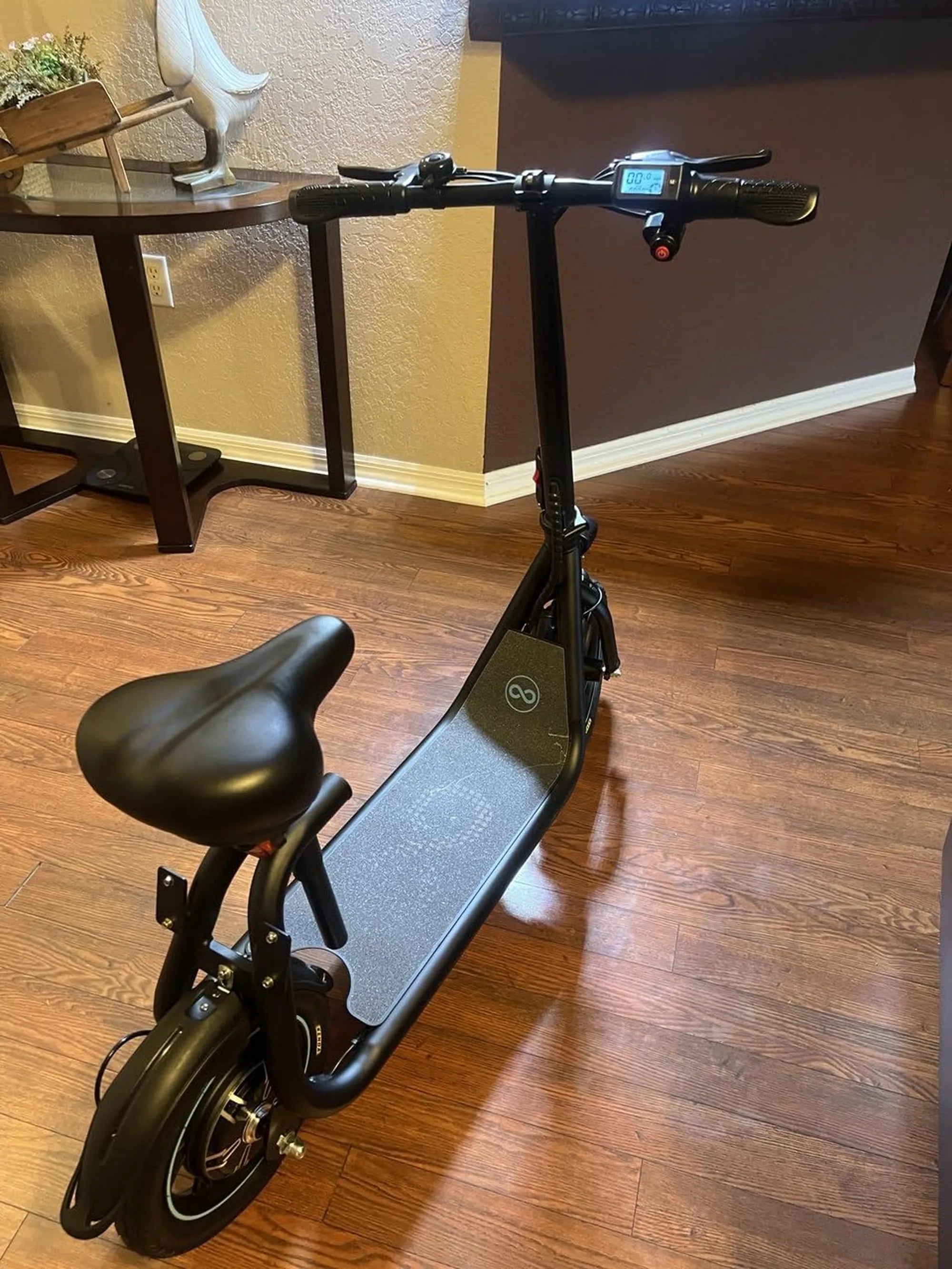
Introduction to Denver's E-Scooter Landscape
Denver has embraced electric scooters as a popular solution for last-mile commuting, recreational rides, and exploring the city's vibrant neighborhoods. The sight of scooters zipping through bike lanes and along river trails is now a staple of Denver's urban mobility scene. However, their integration comes with a clear set of rules designed to ensure safety for riders, pedestrians, and motorists alike.
So, are electric scooters legal in Denver? The answer is a definitive yes, but with crucial caveats. Their operation is governed by a combination of Colorado state law and specific Denver municipal ordinances. Understanding this legal framework is essential for anyone looking to ride, whether you're a daily commuter or a weekend explorer.
This guide will provide a detailed breakdown of the laws, highlight designated riding and prohibited zones, and offer practical advice for safe operation. We'll also explore key features to look for when purchasing a personal electric scooter suited for Denver's hills and variable weather, ensuring your ride is not only fun but fully compliant.
Understanding Colorado State Law & Denver City Ordinances
The legal foundation for electric scooters in Denver begins at the state level. Colorado Revised Statutes define low-speed electric scooters with a motor under 750 watts and a maximum speed of 20 mph on level ground as "toy vehicles." This classification is critical because it distinguishes them from motorcycles or mopeds, which have stricter licensing and registration requirements.
Under state law, these "toy vehicles" are generally allowed on roadways and bicycle paths. However, local municipalities like Denver have the authority to enact stricter regulations. This is where Denver's specific code comes into play, tailoring the rules to its unique urban environment.
Denver's ordinances fill in the details left open by state law. The city explicitly permits electric scooters on streets with speed limits of 35 miles per hour or less, in bicycle lanes, and on multi-use paths unless otherwise posted. This creates a network of legal routes but also establishes clear boundaries.
The city's rules are designed to manage shared public space. A primary goal is to protect pedestrian safety on sidewalks, particularly in high-foot-traffic commercial areas. Consequently, Denver's regulations are more specific about where you cannot ride, which we will detail in the following sections.
Key Denver Regulations for Riders
To operate an electric scooter legally in Denver, riders must adhere to several core regulations. First, the age minimum: you must be at least 16 years old to operate an e-scooter on public roads and paths. This applies to both privately-owned and shared rental scooters.
Helmet use is mandated by law for all riders under the age of 18. While not legally required for adults, wearing a helmet is overwhelmingly recommended by safety advocates and the city itself. A helmet is your most important piece of safety equipment.
Sidewalk riding is heavily restricted. It is expressly prohibited to ride an electric scooter on any sidewalk within the Denver Central Business District, an area roughly bounded by Speer Blvd, Broadway, Lawrence St, and 20th St. This includes the bustling 16th Street Mall and LoDo. On other sidewalks outside this district, riders must yield the right-of-way to pedestrians at all times.
Additional rules include prohibiting riding under the influence of alcohol or drugs, carrying more than one person at a time, and attaching the scooter to another moving vehicle. Riders must also follow all standard traffic laws, including stopping at red lights and stop signs, and using hand signals for turns.
Where You Can and Cannot Ride in Denver
Navigating Denver on an e-scooter requires knowing your green zones from your red zones. The city offers a fantastic network of legal paths that make scooting both practical and scenic. However, venturing into prohibited areas can result in fines and create hazards.
Where You CAN Ride:
- Bicycle Lanes: These are your primary thoroughfares. Major streets like Broadway, Lincoln, and 14th Avenue have dedicated bike lanes that are perfect for e-scooters.
- Streets with Speed Limits ≤35 mph: Most residential and many commercial streets in Denver fall under this limit. Ride as far to the right as practicable, in the direction of traffic.
- Multi-Use Paths (Greenways): Many of Denver's prized trail systems allow electric scooters. This includes large sections of the Cherry Creek Trail and the South Platte River Trail, offering car-free routes through the heart of the city.
- Shared-Use Paths in Parks: Unless specifically signed as prohibiting motorized vehicles, many park paths are open to e-scooters.
Where You CANNOT Ride:
- Sidewalks in the Central Business District (CBD): As noted, this is a strict prohibition. Dismount and walk your scooter in these areas.
- The 16th Street Mall: All motorized vehicles, including e-scooters, are banned on the Mall's transitway and sidewalks.
- Sidewalks in High-Pedestrian Areas: Even outside the CBD, use extreme caution or avoid sidewalks in areas like South Pearl Street, Tennyson Street, or Larimer Square during busy times.
- Specific Park Trails: Some trails within parks like City Park or Washington Park may be signed for foot and bicycle traffic only. Always look for and obey posted signage.
- Interstate Highways and Limited-Access Roads: It is illegal to operate an e-scooter on any interstate (I-25, I-70) or highway.
Designated Scooter Parking & Docking Etiquette
Improper parking is a leading cause of public frustration with e-scooters. Denver's municipal code prohibits parking a scooter in a manner that blocks or obstructs a sidewalk, wheelchair ramp, building entrance, bus stop, or fire hydrant.
For shared scooters (Lime, Bird, etc.), the city and operators have established designated "corrals" or parking zones in high-traffic areas. These are often painted boxes on sidewalks. When using a personal scooter, the same etiquette applies. If a corral is present, use it. If not, park your scooter upright close to the street furniture like bike racks or next to a building wall, ensuring a minimum 5-foot clear path on the sidewalk for pedestrians.
Good parking etiquette is not just about avoiding a ticket; it's about being a respectful part of the community. Thoughtful parking helps maintain positive perceptions of micromobility and ensures access for everyone, including people with disabilities.
Choosing a Denver-Compliant Electric Scooter: Features That Matter
When investing in a personal electric scooter for Denver, compliance with the law is just the starting point. The city's terrain and climate demand specific features for a reliable, safe, and enjoyable ride. A scooter that works well in flat coastal cities may struggle on Denver's inclines or during a sudden afternoon storm.
First, ensure the scooter's motor power and top speed align with Colorado's definition. A motor under 750W and a top speed of 20 mph keeps you within the "toy vehicle" classification. Many high-performance scooters exceed this, which could place them in a different legal category with more restrictions.
Denver's altitude and hills require ample power. Look for a scooter with a robust motor (at least 350W continuous, 500W+ peak) and good torque to handle climbs in neighborhoods like Capitol Hill or Sloan's Lake without draining the battery instantly. A long-range battery (think 15+ miles of real-world range) is also crucial for longer commutes or recreational loops.
Weather resistance is non-negotiable. Denver's weather can change rapidly. A water-resistance rating of IPX5 or higher means the scooter can withstand water jets from any direction, protecting it from puddle splashes and unexpected rain showers. This is a critical feature for durability.
Finally, consider portability if you plan to mix scooting with transit. A lightweight or foldable model makes it easy to carry onto a bus or store under your desk. Bright front and rear lights, a bell or horn, and durable, air-filled tires for a smoother ride over Denver's sometimes uneven pavement round out the essential feature set.
Why Gyroor's UL-Certified Battery & Warranty Offer Peace of Mind
In a market flooded with options, safety and reliability should be your top priorities. This is where brands like Gyroor, a leading electric scooter and e-bike brand trusted by over 100,000 riders across North America and Europe, distinguish themselves with engineering built for real-world conditions.
The most critical component is the battery. Gyroor models utilize UL-certified battery packs tested for 500+ charge cycles. This certification is the gold standard for electrical safety, significantly reducing the risk of battery fires—a key concern for insurers, landlords, and riders. It's not just a feature; it's a fundamental safety requirement for storing and charging your scooter at home or work.
Denver's varied terrain demands consistent power delivery. Gyroor scooters are designed with powerful motors that provide the necessary torque for hills while staying within legal power limits. Their IPX5 water-resistant design ensures that a sudden rainstorm or wet streets won't end your ride or damage the scooter's electronics.
Backing this up is a reliable 1-year comprehensive warranty and accessible U.S.-based customer support. This commitment means you have protection against manufacturing defects, giving you confidence that your investment is secure for navigating Denver through all four seasons. Choosing a scooter with these credentials means choosing a ride that is not only compliant but built for lasting performance.
Safety Tips & Best Practices for Denver Riders
Knowing the law is one thing; riding defensively and predictably is another. Denver's streets are a mix of cars, bicycles, pedestrians, and transit. Always assume that drivers do not see you. Make eye contact with drivers at intersections before proceeding, and never ride through a crosswalk expecting cars to stop.
Use your lights always, not just at night. A front white light and a rear red light make you visible in daytime shadows, under tree canopies, and during Denver's overcast days. Wear bright or reflective clothing. A helmet is strongly recommended for all ages, regardless of the law.
Be hyper-aware of specific Denver hazards. Light rail tracks, like those on Welton Street or along the I-25 corridor, can catch scooter wheels. Cross them at as close to a 90-degree angle as possible. Railroad crossings and streetcar tracks in LoDo require the same caution. Watch for car doors opening in areas with street parking, a common cause of accidents.
Practice smooth control. Avoid sudden swerves or stops. Use hand signals for turns to communicate your intentions to those around you. When in a bike lane, be mindful of faster cyclists who may want to pass. On multi-use paths, slow down when approaching pedestrians and announce yourself politely with a bell or a verbal "on your left." Adjust your speed for weather conditions—wet leaves in the fall and icy patches in the winter can be treacherous.
Denver E-Scooter Rules vs. Other Colorado Cities
While Colorado state law provides a baseline, regulations can vary significantly from one municipality to another. Riders who travel with their scooters should be aware of these differences. The table below outlines key regulatory distinctions.
| Regulation | Denver | Boulder | Colorado Springs | Fort Collins |
|---|---|---|---|---|
| Sidewalk Riding | Prohibited in CBD; Yield elsewhere | Prohibited citywide | Allowed except in designated districts | Prohibited in downtown area |
| Helmet Law (Adults) | Recommended | Required for all ages | Required for all ages | Required for all ages |
| Age Minimum | 16 years | 16 years | 16 years | 16 years |
| Allowed on Multi-Use Trails | Yes, unless posted | Yes, on most | Yes, unless posted | Yes, unless posted |
| Shared Scooter Program | Yes (Lime, Bird, etc.) | Yes (Limited) | No | Yes (Pilot programs) |
As shown, Boulder and Colorado Springs have stricter helmet laws, applying to all riders. Denver's approach is more focused on geographic restrictions for sidewalk use. Always check local ordinances before riding in a new city to avoid unintended violations.
Frequently Asked Questions (FAQs)
Q: Do I need a driver's license, registration, or insurance to ride an e-scooter in Denver?
A: No. Under Colorado's "toy vehicle" classification, electric scooters do not require a driver's license, vehicle registration, or insurance to operate. However, using a shared scooter app may require a valid driver's license for account verification.
Q: Can I ride my electric scooter on the Cherry Creek Trail?
A: Yes, electric scooters are generally permitted on the Cherry Creek Trail, as it is a multi-use path. However, always be prepared to yield to pedestrians and cyclists, and obey any specific signage that may restrict motorized use on certain segments.
Q: What are the penalties for breaking Denver's e-scooter rules?
A> Violations can result in fines. For example, riding on a prohibited sidewalk in the CBD could lead to a fine of up to $150. More serious infractions, like DUI on an e-scooter, carry penalties similar to a DUI in a car, including fines and potential jail time.
Q: Are the rental scooters (Lime, Bird) subject to the same rules as my personal scooter?
A: Absolutely yes. All Denver ordinances regarding where you can ride, age limits, and sidewalk restrictions apply equally to shared rental scooters and privately-owned ones. The rental apps often include these rules in their user agreements.
Q: Where can I park my personal e-scooter when I reach my destination?
A> Park it responsibly. Use a designated scooter/bike corral if available. If not, park it upright close to a building edge or street furniture like a bike rack, ensuring you are not blocking the sidewalk, a doorway, a ramp, or access to any public facility. The key is to leave a clear path.
Conclusion: Riding Responsibly in the Mile-High City
Electric scooters offer a fantastic, efficient, and enjoyable way to navigate Denver. They are fully legal when operated within the framework of Colorado state law and Denver's specific city ordinances. The key to a positive experience—and ensuring scooters remain a welcome part of the city's transportation ecosystem—lies in responsible riding.
This means knowing the no-go zones, especially sidewalks in the downtown core, and respecting all traffic laws. It means prioritizing safety with a helmet and lights, regardless of your age. It also means investing in a reliable, well-built scooter with safety certifications like a UL-rated battery, particularly important for Denver's urban environment.
By choosing a compliant scooter from a reputable brand and adhering to the rules of the road and path, you contribute to a safer community for everyone. You can confidently explore Denver's trails, commute to work, or run errands, knowing you're riding legally and safely.
Ready to find a scooter built for Denver's demands? Browse the full Gyroor collection at gyroorboard.com to explore models featuring UL-certified batteries, IPX5 water resistance, and powerful motors designed for reliability and peace of mind on every ride.
Different Brands of Electric Scooters: A Comprehensive Guide to Choosing the Best Ride
Electric Scooters Ontario Canada: The Future of Urban Mobility