


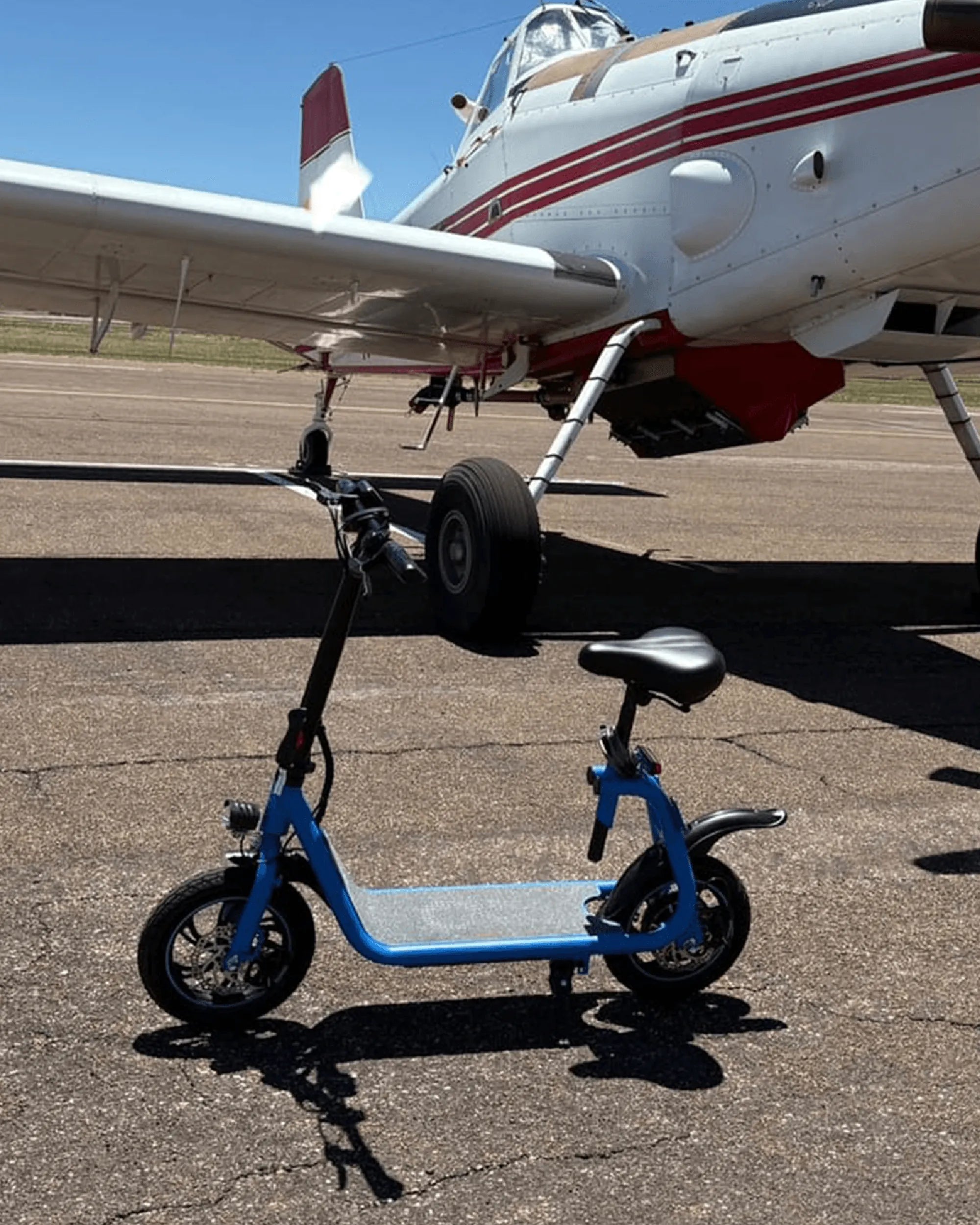
Introduction to Electric Scooter Laws in Ireland
For years, the legal status of electric scooters in Ireland was a confusing grey area. This uncertainty ended in 2023 with landmark legislation. The Road Traffic and Roads Act 2023 provides a clear, legal framework for their use.
This article delivers a complete, current guide to the rules. You will learn the exact legal requirements for riders and scooters, understand where you can ride, and discover essential safety best practices. We'll also explain how to choose a scooter that offers both compliance and confidence on Irish roads.
The Current Legal Status: Understanding the 2023 Act
The core legal change is definitive. Privately owned electric scooters are now classified as "Powered Personal Transporters" (PPTs) under Irish law. This classification moved them from a legal limbo into a regulated vehicle category.
This means your e-scooter is considered a vehicle, not a toy. You must use it on public roads and cycle tracks under specific rules, just like a bicycle. The law aims to integrate micro-mobility safely into Ireland's transport ecosystem.
The legislation was enacted to address safety concerns and clarify responsibilities. It brings Ireland in line with many other European nations that have established e-scooter regulations. Understanding this act is the first step to legal and safe riding.
Rules of the Road: What You Must Know to Ride Legally
Compliance is non-negotiable. The law sets clear requirements across three key areas: the rider, the scooter, and the location. Ignorance of these rules can result in fines, penalty points, and scooter seizure.
Riding legally protects you, pedestrians, and other road users. It also ensures the positive perception of e-scooters as a legitimate transport option. Let's break down each requirement in detail.
Rider Requirements and Age Limits
You must be at least 16 years old to operate an e-scooter on a public road or cycle track. This age limit is strictly enforced and aligns with the minimum age for holding a learner permit.
You must hold a valid driver's license or learner permit (for any vehicle category). Provisional license holders are permitted. You cannot ride if your license is disqualified or revoked.
Third-party insurance is a mandatory legal requirement. This insurance covers potential injury or damage you may cause to other people or property. Riding without valid insurance is a serious offense.
Scooter Specifications and Legal Limits
Your scooter's technical specifications must comply with legal limits. The maximum continuous rated motor power is 400 Watts. Scooters with more powerful motors are illegal for public road use.
The maximum design speed must not exceed 25 kilometres per hour (km/h). Even if your scooter can be modified or unlocked to go faster, it is illegal to use it above this limit on public infrastructure.
Your scooter must be equipped with functional front and rear lights, reflectors, and an audible warning device like a bell. These are essential for visibility and safety, especially during Ireland's often overcast days and long winter evenings.
Where You Can and Cannot Ride
You are permitted to ride on public roads and in cycle lanes or on cycle tracks. You must obey all general rules of the road, including traffic lights, signs, and road markings.
It is illegal to ride on footpaths. This prohibition is absolute to protect pedestrians. You also cannot ride in pedestrianized zones, in bus lanes during their operational hours (unless indicated), or on motorways.
When using cycle tracks, you must yield to pedestrians and cyclists. Your priority is to ride safely and predictably, integrating smoothly with other road and path users.
Safety First: Gear, Etiquette, and Best Practices
The law provides a baseline; responsible riding requires going further. Adopting comprehensive safety practices protects you and fosters public acceptance of e-scooters. Safety is not just about compliance—it's about confidence.
Irish weather and urban environments present unique challenges. Preparing for these conditions is a hallmark of a smart rider. The following recommendations, while not all legally mandatory, are critical for safe operation.
Essential Safety Gear
A helmet is the single most important piece of safety equipment. While not currently a legal requirement for e-scooter riders aged 18+, this is under review and strongly recommended. A proper bicycle or multi-sport helmet can significantly reduce head injury risk.
High-visibility clothing or a reflective vest is crucial. Given Ireland's frequent low-light conditions, making yourself seen is a primary safety strategy. Reflective elements on your clothing or backpack are a minimum.
Sturdy gloves and appropriate footwear are also advised. Gloves protect your hands in a fall and improve grip. Closed-toe shoes with good traction ensure stable footing when starting and stopping.
Responsible Riding Etiquette
Always ride predictably. Signal your intentions clearly, avoid sudden swerves, and maintain a steady line. Do not use a mobile phone or wear headphones that impair your awareness of traffic sounds.
Adjust your speed to the conditions. The 25 km/h limit is a maximum, not a target. Slow down in wet weather, on poor road surfaces, and in areas with high pedestrian density. Always keep a safe distance from vehicles and other path users.
Park considerately. When your journey ends, park your scooter where it does not obstruct footpaths, building access, or disabled parking spots. Private property rules apply; never park without permission.
Choosing a Gyroor Scooter for Irish Roads: Compliance and Confidence
Selecting the right scooter means choosing one designed for legality and real-world conditions. Gyroor designs its models with these exact regulations and the Irish environment in mind. Compliance should be a foundation, not an afterthought.
Every Gyroor scooter in our commuter and city range adheres to the 400W motor power and 25 km/h speed limits. They come equipped with the required lighting, reflectors, and bells. This ensures you can ride with peace of mind from day one.
Beyond compliance, key features make Gyroor a trusted choice for Irish riders. Our UL-certified battery packs undergo rigorous testing for over 500 charge cycles, offering reliable range and paramount safety for your daily commute.
An IPX5 water-resistant rating is essential for Irish weather. It protects the scooter's electrical components from rain and road spray, ensuring durability. Combined with our reliable 1-year warranty, it provides long-term confidence in your investment.
Electric Scooter Comparison for Irish Riders
Choosing a model depends on your commute and needs. The following table compares key features of Gyroor scooters suitable for legal use in Ireland.
| Model Type | Best For | Max Speed (Legal) | Motor Power | Key Feature for Ireland |
|---|---|---|---|---|
| City Commuter | Daily urban travel, 5-10km trips | 25 km/h | 350W | IPX5 rating, integrated lights |
| Folding Commuter | Multi-modal journeys (bus/train) | 25 km/h | 400W | Compact fold, UL-certified battery |
| Long-Range Model | Extended suburban commutes | 25 km/h | 400W | Enhanced battery for hills & distance |
This comparison highlights how different models serve different purposes while staying within legal parameters. Consider your typical journey distance, storage needs, and the terrain you'll encounter.
Insurance, Tax, and Enforcement: The Practical Details
Understanding ancillary requirements is crucial. You must have at least third-party insurance. Several Irish insurers now offer specific e-scooter policies or add-ons to existing policies. Shop around to get appropriate cover.
There is no requirement for motor tax, vehicle registration, or an NCT (National Car Test) for privately owned e-scooters. This simplifies ownership compared to cars or motorcycles.
Gardaí (Irish police) enforce e-scooter laws. They can conduct roadside checks on scooter specifications and request proof of insurance and your driving license. Penalties for non-compliance are significant.
Frequently Asked Questions (FAQ)
Q: Do I need insurance, tax, or NCT for my e-scooter?
A: Yes, third-party insurance is a legal must. No, there is no requirement for motor tax, vehicle registration, or an NCT.
Q: Can I carry a passenger or ride on footpaths?
A: No to both. Carrying a passenger is strictly prohibited. Riding on footpaths is illegal; you must use the road or cycle track.
Q: What happens if I'm caught riding an illegal or non-compliant scooter?
A>You risk an on-the-spot fine, penalty points on your driving license, and having your scooter seized by the Gardaí.
Q: Are rental e-scooter rules different?
A: Yes. Pilot rental schemes in certain cities operate under specific trial licenses with geo-fencing and designated parking zones. Rider age and insurance are typically managed by the rental operator.
Q: Do the rules apply on private property?
A>No. The Road Traffic Acts generally apply to public places. However, you must always have the landowner's permission to ride on private property.
Conclusion: Riding Responsibly into the Future
Electric scooters are a legal, efficient, and enjoyable transport option in Ireland, provided you follow the rules established in 2023. The key is understanding your responsibilities as a rider and ensuring your scooter meets all technical specifications. By choosing a compliant model from a trusted brand like Gyroor, prioritizing safety gear, and riding with courtesy, you contribute to a positive future for micro-mobility. Embrace the freedom of e-scooting with confidence and responsibility. Ready to find your perfect, road-legal e-scooter? Browse the full Gyroor collection at gyroorboard.com.
Do Electric Scooters Have CC? Understanding Engine Power in E-Scooters
Are Electric Scooters Legal in Scotland 2025? The Ultimate Guide